1.Medicine’s Professionalization and Power
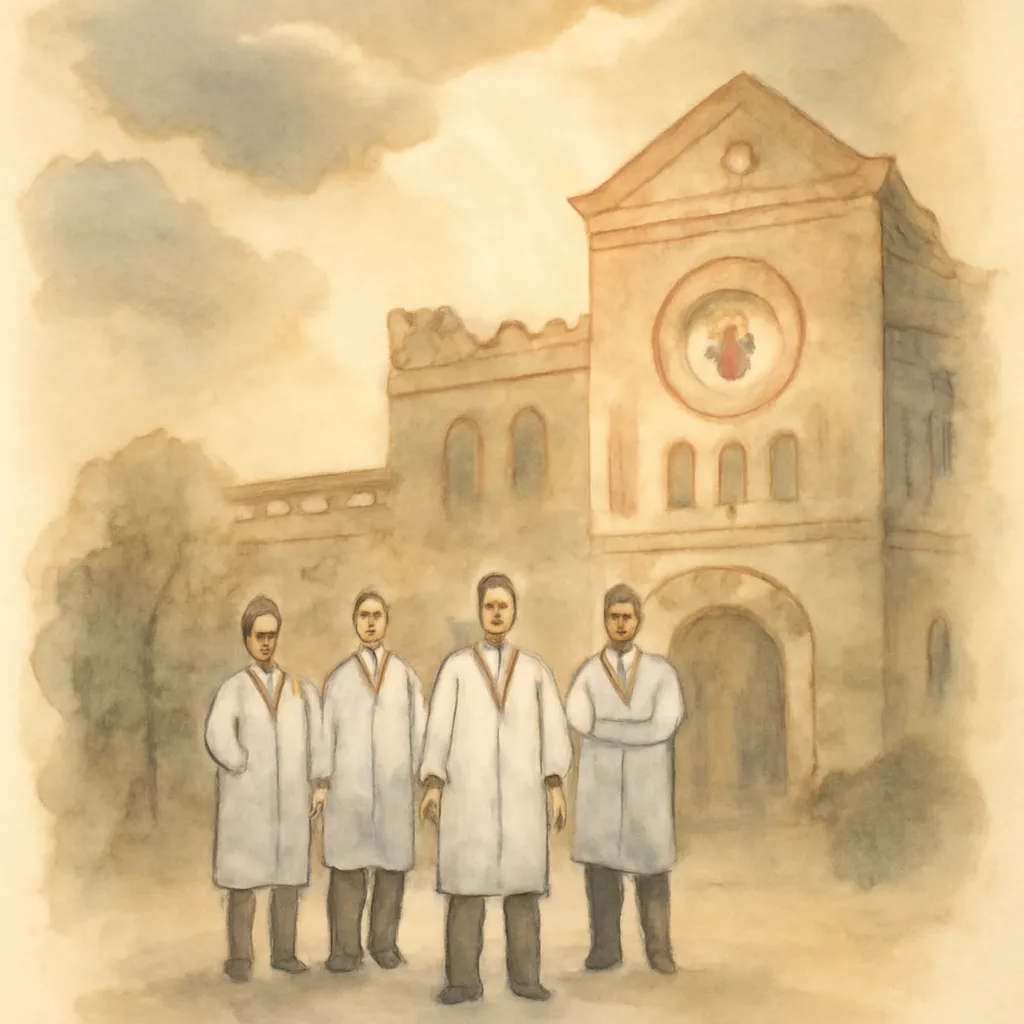
Starr traces how American doctors transformed from loosely organized, often poorly trained healers into a unified, highly respected profession. Through the creation of licensing laws, medical schools, and professional organizations like the AMA, physicians gained social authority and autonomy. This transformation was not just about science or skill; it was a political and cultural project, elevating doctors’ status and giving them control over medical knowledge and practice.
2.Hospitals: From Charity to Enterprise
Originally, hospitals were charitable institutions for the poor and dying. Starr shows how, in the 20th century, hospitals became centers of advanced technology and business-like administration, attracting middle-class patients and investment. This shift turned hospitals into economic engines and reinforced the medical profession’s authority, but also laid the groundwork for the commercialization and bureaucratization of healthcare.
3.The Rise of Medical Corporatism
Starr analyzes how medicine’s professional autonomy gave way to increasing corporate and governmental involvement. As costs rose and technology advanced, insurance companies, employers, and the state became major players, shaping how care is delivered and paid for. This corporatization brought efficiency and resources, but also tension between professional ethics and business interests.
4.Health Insurance and the Market
The book details the emergence of private health insurance (like Blue Cross/Blue Shield) and the failure of early national health insurance efforts. Starr argues that the unique American path—favoring employer-based, private insurance—was not inevitable, but the result of political compromise and professional self-interest. This legacy explains much of today’s fragmented, costly system.
5.Medicine, Inequality, and Reform
Starr contends that the structure of American medicine has always reflected and reinforced social inequalities. Access to care, the distribution of resources, and the politics of reform are all shaped by the interests of powerful groups. The book’s historical perspective helps explain why reform is so difficult, and why debates over universal coverage and cost control remain unresolved.
6.The Cultural Authority of Medicine
Beyond economics and policy, Starr explores how medicine achieved a unique cultural authority—commanding trust, deference, and influence over life and death. This authority is both a source of public good and a barrier to change, as it can resist outside scrutiny or innovation that threatens established interests.