1.The Cell as the Fundamental Unit of Life
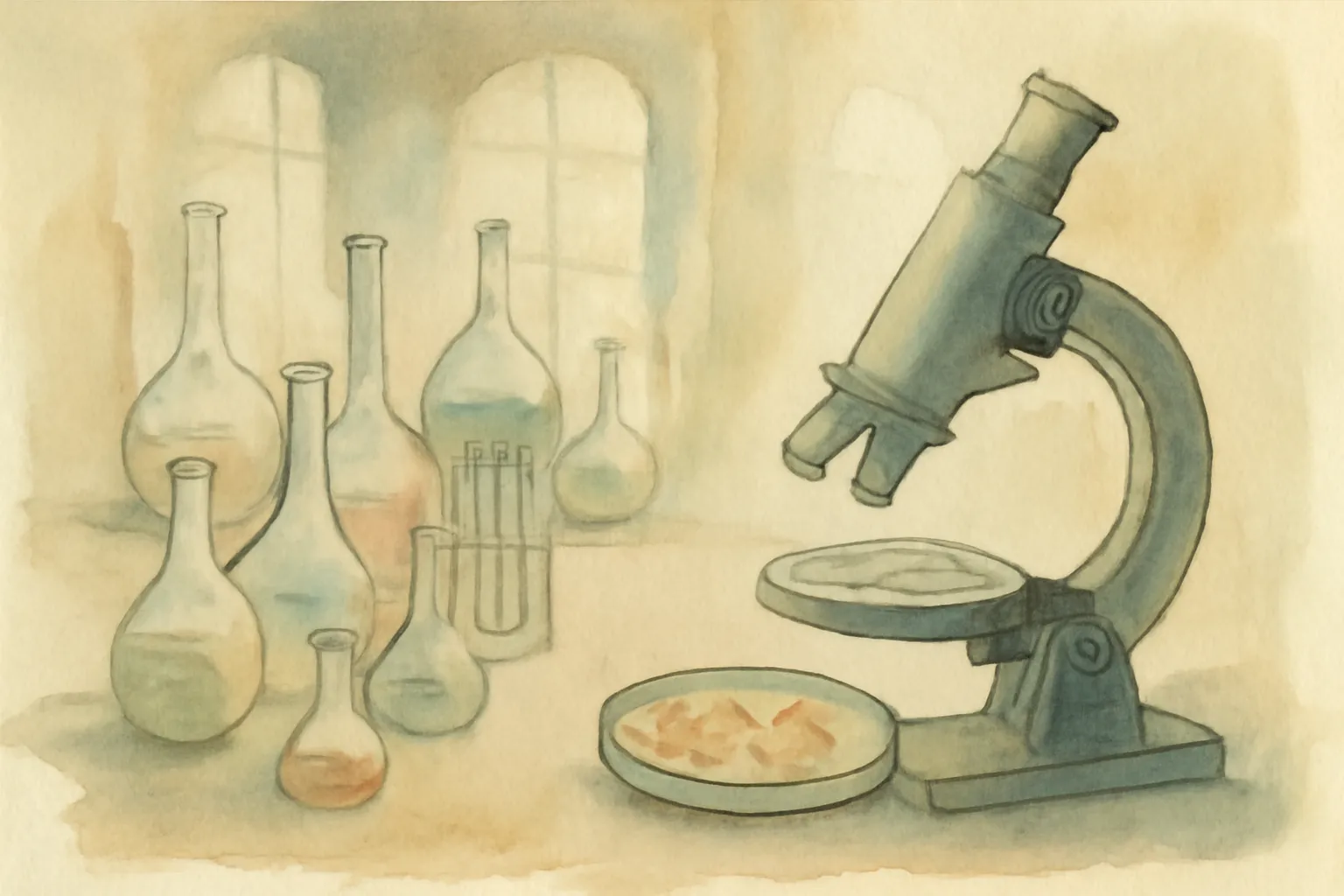
Mukherjee explores how the cell was discovered and why it became the cornerstone of biology. He explains that understanding the cell allowed scientists to move beyond mystical ideas about life, grounding medicine and biology in observable, manipulable units. This shift transformed not only how diseases are understood and treated, but also how we conceive of individuality and the boundaries of life itself.
2.Cellular Medicine: From Discovery to Therapy
The book traces the evolution from seeing cells as passive building blocks to recognizing them as active agents in health and disease. Mukherjee details how advances in cell science—like stem cell therapy, immunotherapy, and cell engineering—are revolutionizing treatment for conditions from cancer to autoimmune disorders. He argues that the future of medicine lies in manipulating and repairing cells themselves.
3.The Cell and Human Identity
Mukherjee delves into the philosophical implications of cellular biology. If we are made of trillions of cells, each with its own life and death, what does that say about individuality, consciousness, and mortality? He uses stories of patients and scientists to illustrate how cellular discoveries challenge and enrich our sense of self.
4.The Double-Edged Sword of Cellular Manipulation
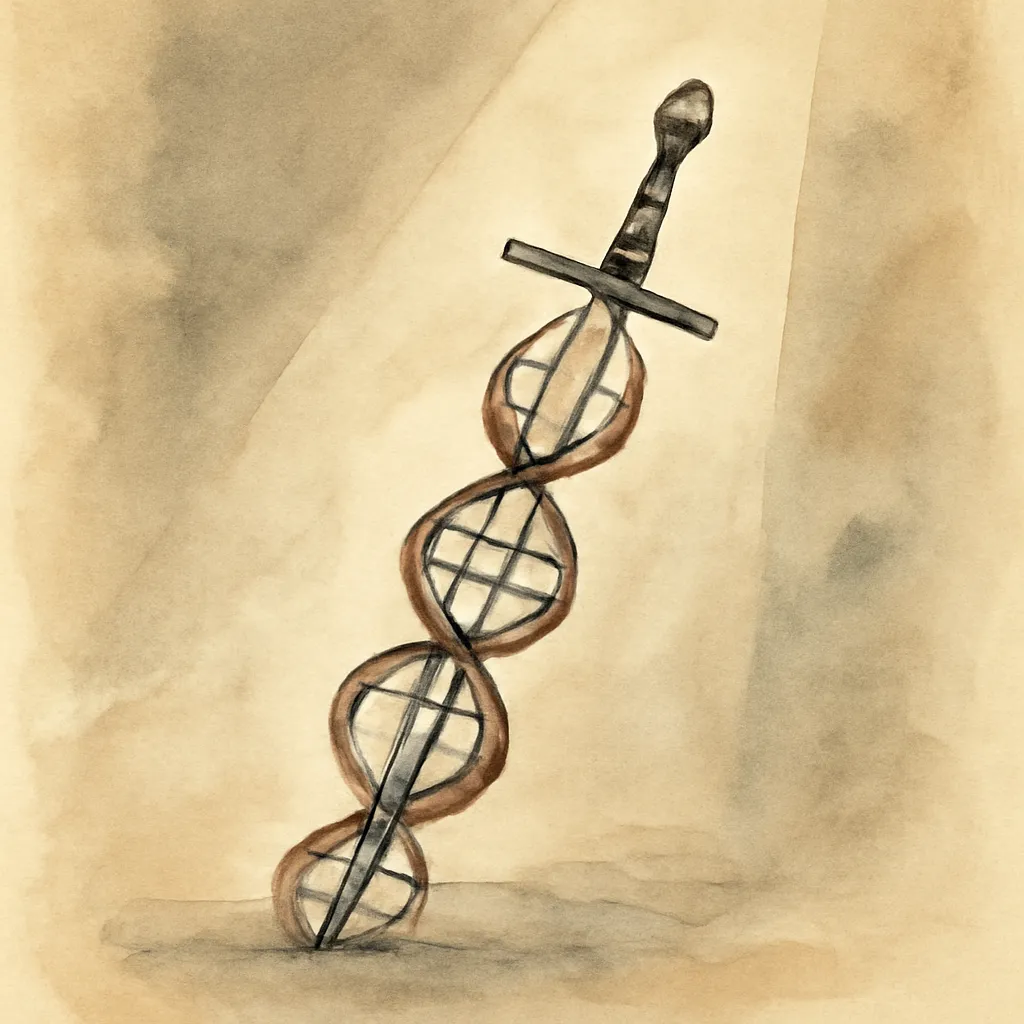
While celebrating the promise of cellular therapies, Mukherjee also warns of ethical dilemmas and unforeseen consequences. The ability to edit, replace, or engineer cells raises questions about identity, consent, and the limits of medical intervention. The book urges readers to consider not just what we can do with cells, but what we should do.
5.The Human Story in Science
Mukherjee weaves personal narratives—of patients, researchers, and his own experiences as a physician—into the scientific story. This humanistic approach makes the science accessible and emotionally resonant, emphasizing that the quest to understand the cell is ultimately a quest to heal and understand ourselves.
6.The Future: Cellular Frontiers
Looking ahead, Mukherjee surveys emerging frontiers like synthetic biology, cellular reprogramming, and tissue engineering. He suggests that as we gain more control over cells, we may redefine what it means to be alive, to be sick, and to be human, opening both exhilarating possibilities and profound ethical questions.