1.The Fragility of Civilization
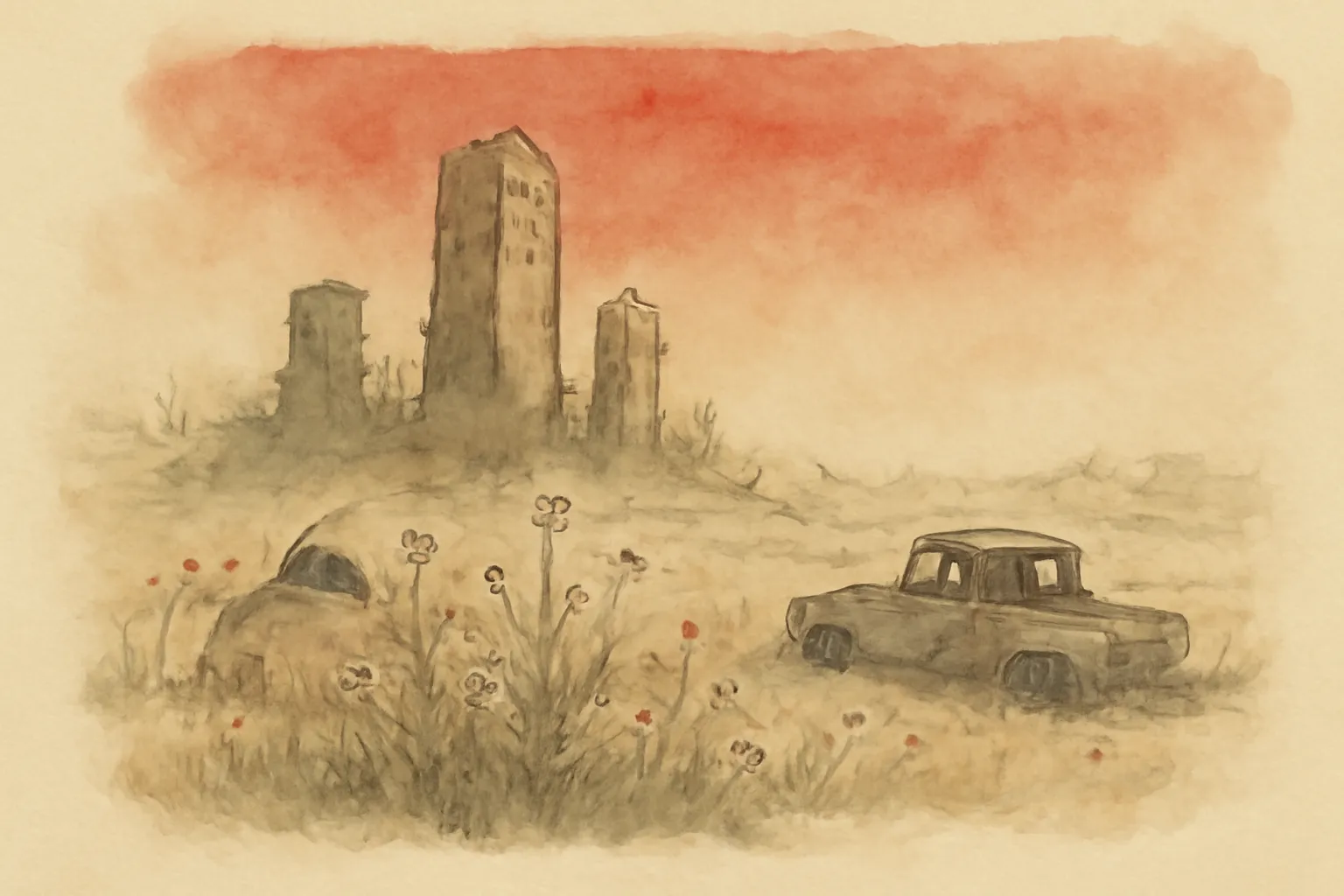
King's vision of a world decimated by a superflu, Captain Tripps, is a stark reminder of how quickly the veneer of modern life can collapse. The novel explores how, when stripped of institutions and order, people revert to primal instincts, but also how they seek to rebuild community and meaning. The Stand asks us to consider what is essential to civilization, and what is merely habit or convenience.
2.Good vs. Evil as a Human Struggle
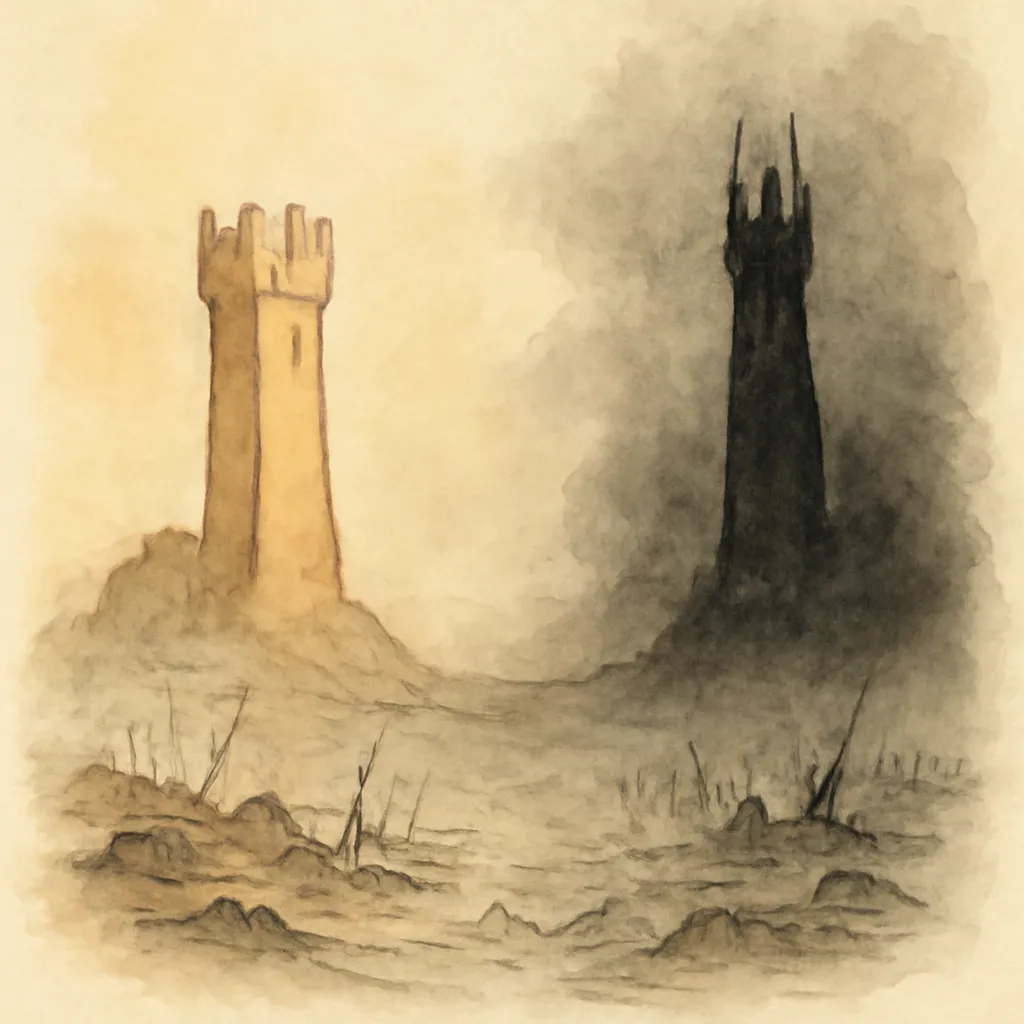
At its core, The Stand is a classic confrontation between good and evil, embodied by Mother Abagail and Randall Flagg. Yet King complicates this binary by showing that both sides are made up of flawed, ordinary people. The real battle is not supernatural, but moral: the choices individuals make, the temptations they face, and the courage required to stand for what is right.
3.The Power and Burden of Free Will
Survivors in The Stand are not just swept along by fate; they must choose which side to join, and what kind of world to help create. King emphasizes that free will is both a gift and a heavy responsibility. The novel suggests that evil triumphs when people abdicate their agency, while hope survives when individuals act with conscience, even at great cost.
4.Faith, Redemption, and Sacrifice
Religious imagery and themes permeate The Stand, with characters wrestling with faith, doubt, and the possibility of redemption. Acts of sacrifice—some noble, some tragic—underscore the idea that renewal is possible, but never easy. King invites readers to reflect on the role of faith, not just in the divine, but in each other and in the possibility of starting anew.
5.Community and Leadership in Crisis
The survivors' attempts to rebuild society in Boulder and Las Vegas reveal the challenges of leadership and the dangers of charisma. King explores how communities form around shared values or fears, and how leaders can inspire hope or manipulate followers. The Stand warns of the seductive nature of authoritarianism, but also celebrates the messy, democratic process of collective action.
6.The Enduring Shadow of Evil
Even as the forces of good prevail, King leaves readers with the unsettling sense that evil is never fully vanquished. Randall Flagg's ambiguous fate suggests that the struggle between light and darkness is eternal, both in society and within ourselves. The Stand ultimately argues that vigilance and moral courage are always required, no matter how hopeful the new beginning.