1.Allegory of Disconnection
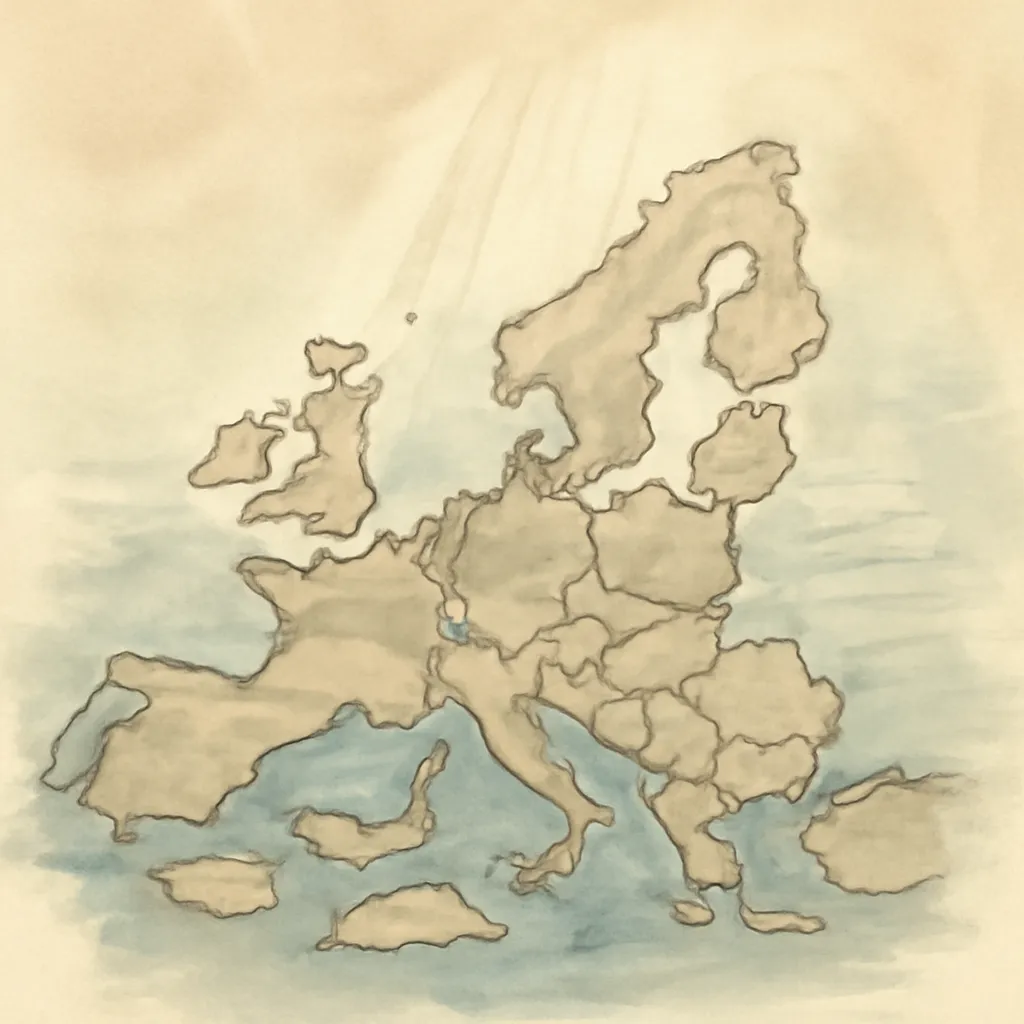
Saramago uses the literal separation of Spain and Portugal from Europe as a powerful metaphor for cultural and political alienation. The drifting peninsula becomes a symbol for how nations—and individuals—can feel unmoored from the larger systems they inhabit. This allegory encourages readers to reflect on what it means to belong, the fragility of political unions, and the constructed nature of borders. The novel suggests that identity is both collective and unstable, shaped as much by external events as by internal choices.
2.The Power of the Collective
At the heart of the story is a group of ordinary people who, brought together by mysterious events, form a makeshift community. Their journey across the newly-formed sea is both literal and metaphorical, emphasizing solidarity in the face of uncertainty. Saramago explores how shared adversity can forge unexpected bonds, and how collective action is necessary for survival and meaning. The characters’ interactions highlight themes of empathy, cooperation, and the search for purpose in a world where old certainties have dissolved.
3.Satire of European Identity
The novel satirizes the idea of a unified 'Europe,' poking fun at bureaucratic responses and the anxieties of neighboring nations as the peninsula floats away. Saramago exposes the superficiality of political alliances and the self-interest that often underlies them. Through irony and wit, he questions whether European identity is anything more than a convenient fiction, and whether true unity is possible in a continent marked by deep historical divisions.
4.Human Response to the Absurd
Saramago’s characters are confronted with an absurd and inexplicable event, and their responses range from denial to acceptance to resourcefulness. The novel examines how people adapt to the irrational, finding new routines and meanings in a world turned upside down. This theme resonates with existentialist ideas, suggesting that meaning is not given but created through human action and solidarity.
5.Language, Storytelling, and Perspective
The novel’s distinctive narrative style—long, flowing sentences, minimal punctuation, and a playful, omniscient narrator—draws attention to the act of storytelling itself. Saramago blurs the line between narrator and character, reminding readers that every story is shaped by perspective. This self-aware style invites readers to question not only what is being told, but how and why it is told, reinforcing the novel’s themes of uncertainty and interpretation.
6.Nature as a Force Beyond Control
The geological event that sets the plot in motion serves as a reminder of nature’s unpredictability and humanity’s relative powerlessness. Saramago suggests that despite our political and social structures, we are ultimately subject to forces beyond our control. This theme challenges human hubris and invites humility in the face of the unknown.