1.World-Building as Character
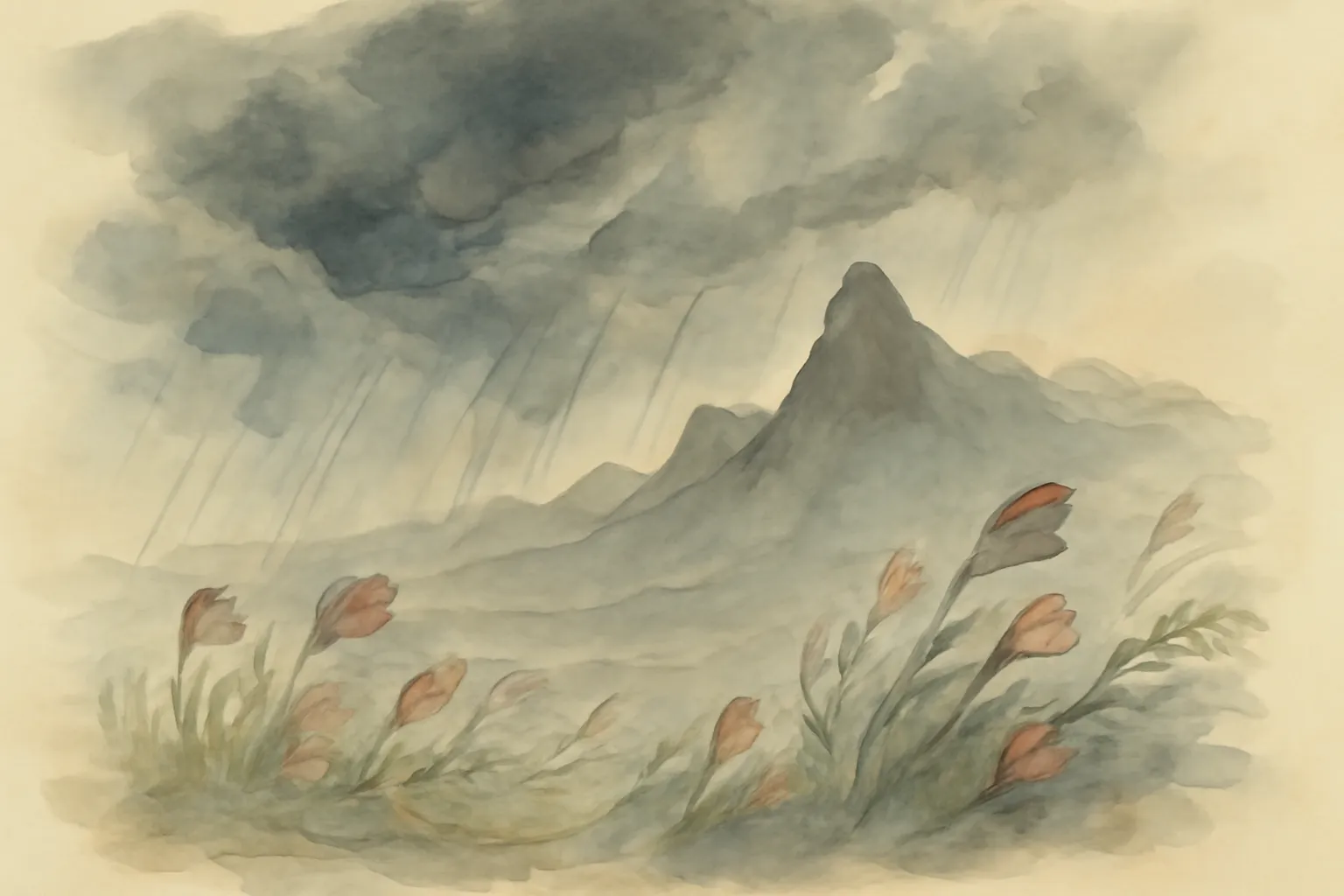
Sanderson’s Roshar is more than a backdrop; it’s a living, breathing entity that shapes every aspect of the story. The relentless highstorms, alien flora and fauna, and unique cultures force both characters and readers to adapt. The world’s physical and social environment drives the plot and themes, making survival, adaptation, and resilience central to the narrative.
2.The Burden and Power of Leadership
Through Dalinar and Kaladin, the novel interrogates what it means to lead with honor in a world that rewards ruthlessness. Dalinar’s struggle to live by ancient codes, and Kaladin’s fight to protect the vulnerable even when he himself is broken, highlight the costs and responsibilities of leadership. The book explores how true authority is earned through sacrifice and integrity, not just birth or strength.
3.Cycles of Trauma and Redemption
Characters in The Way of Kings are shaped by pain and loss, but the narrative insists that suffering can be a crucible for growth. Kaladin’s journey from despair to hope, and Shallan’s confrontation with her past, show how facing trauma—rather than fleeing it—can lead to transformation. Redemption is not easy or guaranteed, but it is possible through perseverance and connection.
4.The Nature of Honor and Truth
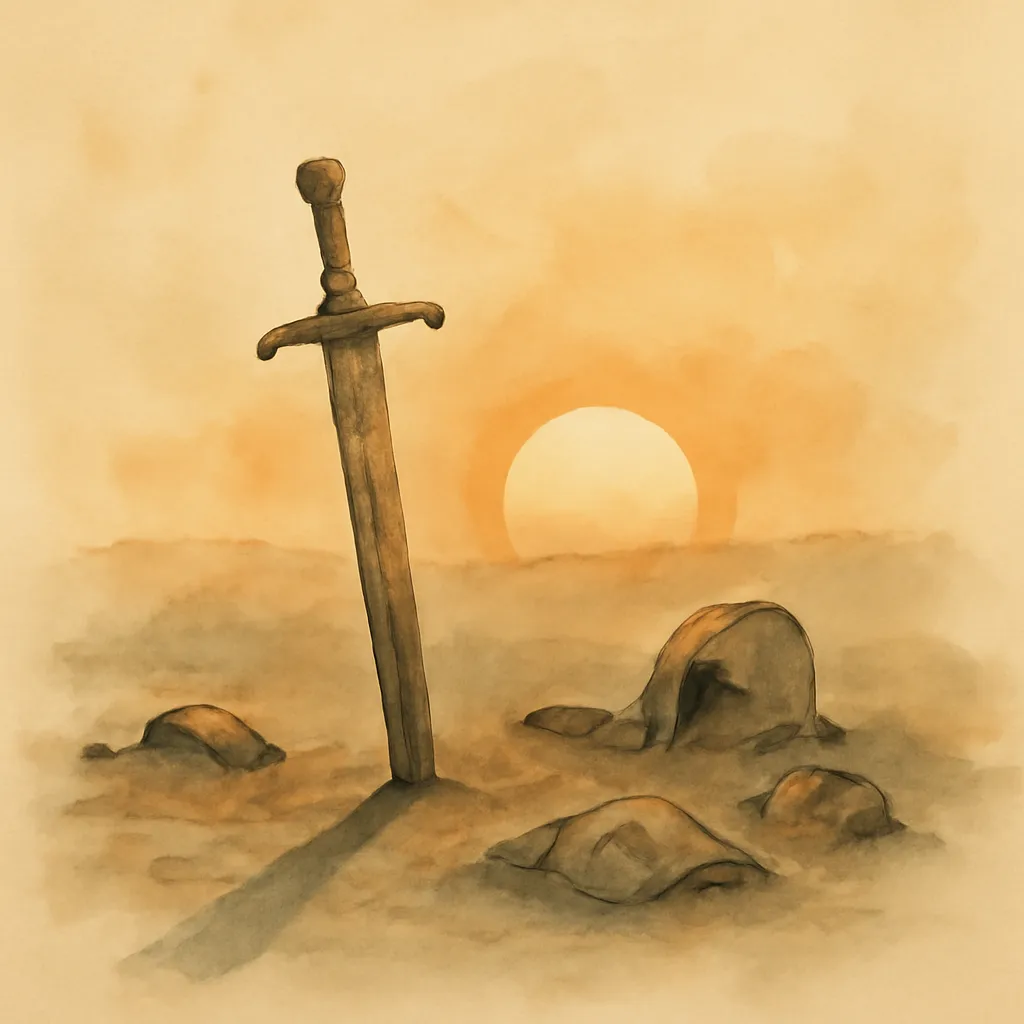
Honor is a recurring motif, questioned and redefined by each protagonist. The ancient Knights Radiant, whose legacy haunts the present, serve as both inspiration and caution. The novel asks whether honor is absolute or contextual, and whether truth is a burden or a liberation. Characters are forced to confront uncomfortable realities about themselves and their world.
5.Power, Inequality, and Social Structure
Roshar’s rigid caste system, the magical might of Shardblades and Shardplate, and the expendability of common soldiers all reflect deep social inequities. The story critiques systems that dehumanize, showing both the suffering they cause and the seeds of resistance. Kaladin’s arc, especially, is a meditation on dignity amid oppression.
6.The Mystery of the Past and the Weight of Legacy
The book is steeped in lost history—ancient orders, forgotten oaths, and cryptic prophecies. Characters grapple with the consequences of past betrayals and the possibility of repeating old mistakes. The tension between honoring tradition and forging a new path is a driving force, inviting readers to consider how the past shapes identity and destiny.