1.The Lifecycle of Stuff
Leonard traces the journey of everyday objects from extraction of raw materials to production, distribution, consumption, and disposal. She reveals how each stage—often invisible to consumers—has profound ecological and human impacts, including pollution, resource depletion, and exploitation of workers. By exposing the interconnectedness of these stages, Leonard urges readers to see the true cost behind the convenience of modern products.
2.The Myth of Endless Growth
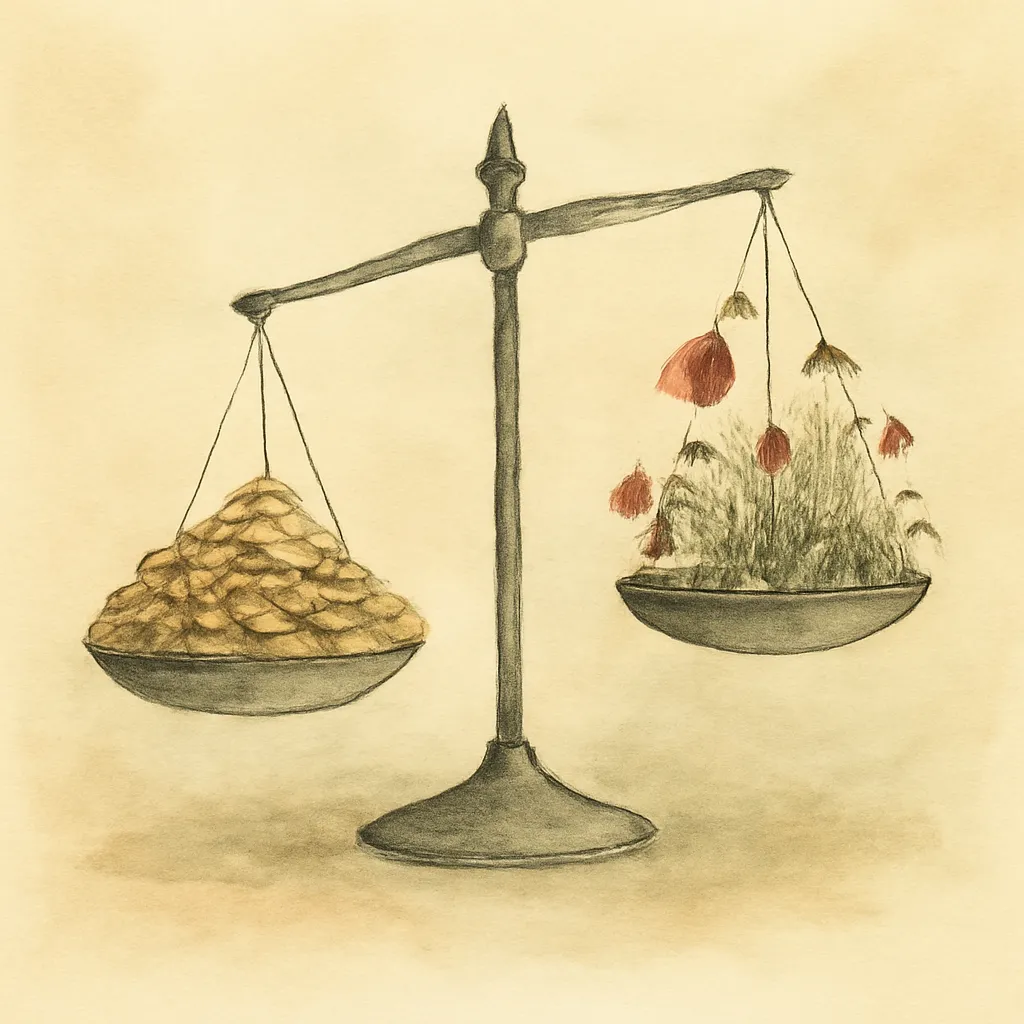
A central argument is that our economic system is built on the flawed assumption of infinite growth on a finite planet. Leonard critiques the relentless push for increased consumption, showing how it leads to environmental degradation and social inequality. She challenges the notion that more stuff equals more happiness, highlighting the diminishing returns of material accumulation.
3.Planned Obsolescence and Perceived Obsolescence
Leonard explains how manufacturers intentionally design products with limited lifespans (planned obsolescence) or manipulate consumers into feeling their possessions are outdated (perceived obsolescence). These strategies drive wasteful consumption and fill landfills, while fostering dissatisfaction and a throwaway culture. Recognizing these tactics empowers consumers to make more mindful choices.
4.Environmental and Social Justice
The book emphasizes that the consequences of overconsumption are not distributed equally. Communities near extraction sites or waste dumps, often poor or marginalized, bear the brunt of pollution and health risks. Leonard connects environmental issues with social justice, arguing that true sustainability must address systemic inequalities and give voice to those most affected.
5.Redefining Value and Success
Leonard invites readers to question cultural definitions of success that equate it with material wealth. She suggests alternative measures of well-being, such as community, health, and ecological balance. By shifting values away from consumerism, individuals and societies can pursue more fulfilling and sustainable lives.
6.Paths to Change
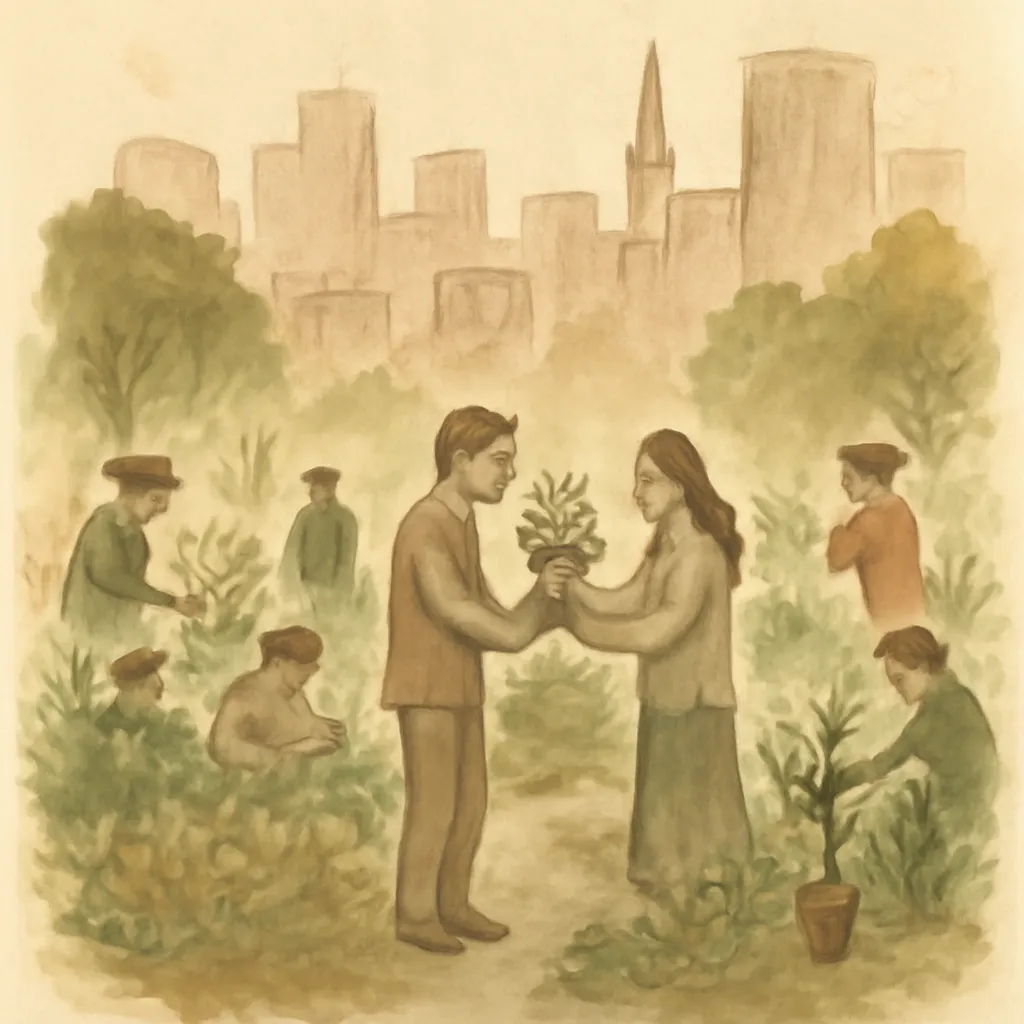
Rather than leaving readers feeling helpless, Leonard outlines practical steps for individuals and communities to reduce their ecological footprint. She advocates for conscious consumption, political engagement, and systemic reforms—such as better product design and corporate accountability. The book encourages collective action, emphasizing that meaningful change requires both personal responsibility and policy shifts.