1.The Banality of Evil
Ann Rule’s narrative demonstrates how evil can wear an ordinary, even charming, face. Ted Bundy was not the shadowy figure of nightmares but a personable, intelligent man who seemed trustworthy to all who knew him, including Rule herself. This challenges readers to question their own assumptions about what danger looks like and underscores how predators can exploit social norms and appearances.
2.The Limits of Intuition
Rule’s proximity to Bundy exposes the limits of human intuition. Despite her background as a former police officer and crime writer, she failed to see the full truth about her friend until overwhelming evidence surfaced. The book explores how personal biases, emotional attachments, and denial can cloud judgment, even in those trained to detect deception.
3.Victims as Individuals
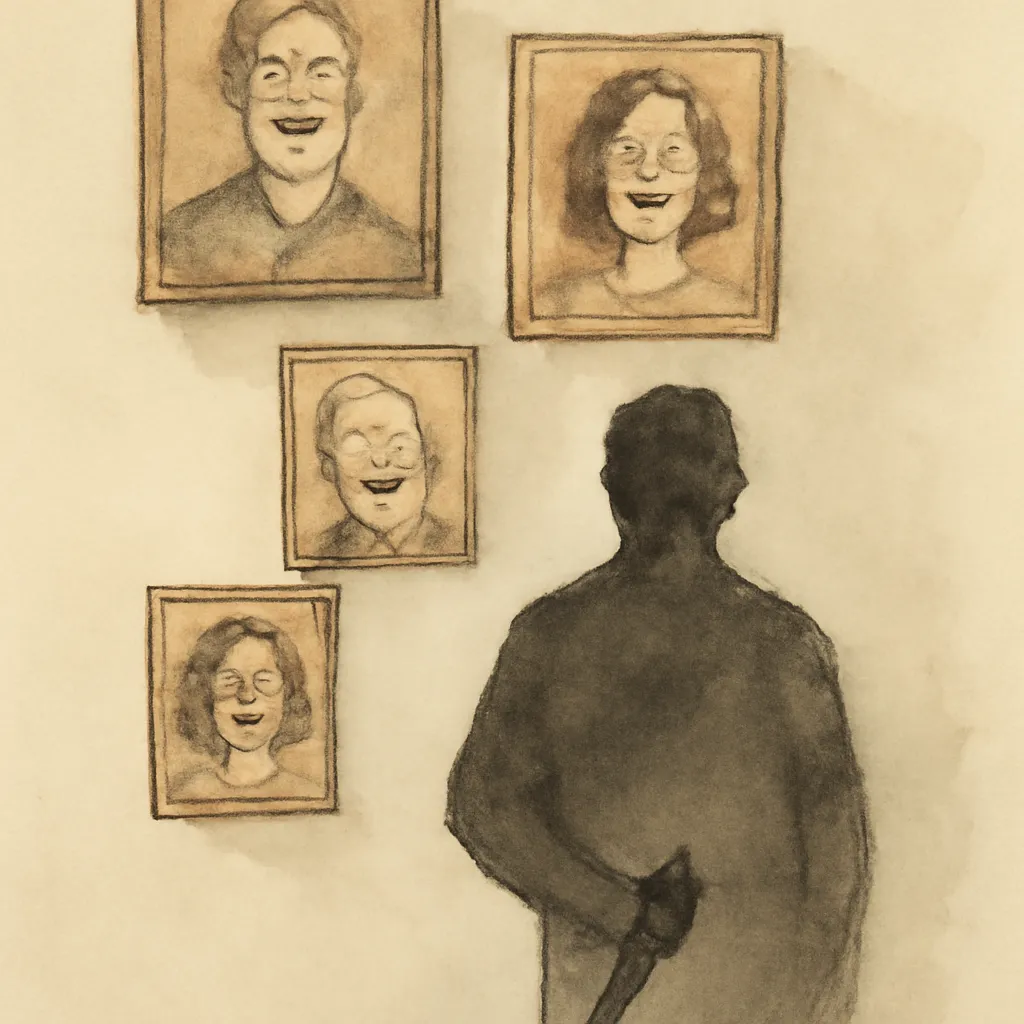
Unlike many true crime accounts, Rule goes to great lengths to humanize Bundy’s victims. She offers glimpses into their lives, ambitions, and personalities, refusing to reduce them to mere statistics. This approach honors their memory and serves as a counterweight to the sensationalism often found in serial killer narratives.
4.The Psychological Complexity of Killers
Rule delves into Bundy’s psychological makeup, tracing his transformation from a seemingly normal young man to a remorseless predator. She neither excuses nor sensationalizes his actions, instead providing insight into the factors—personal, social, and psychological—that may contribute to such monstrous behavior.
5.The Impact on the Investigator
The book is as much about Rule’s own emotional journey as it is about Bundy’s crimes. She grapples with guilt, disbelief, and betrayal, offering a rare window into the toll that proximity to evil takes on those who investigate it. Her honesty makes the narrative deeply personal and relatable.
6.Ethics of True Crime Writing
Rule is constantly aware of her dual role as both Bundy’s friend and chronicler of his crimes. She reflects on the ethical dilemmas this presents—balancing objectivity with empathy, and the responsibility of telling victims’ stories with dignity. This self-awareness elevates the book above mere reportage.