1.The Unlikely Hero
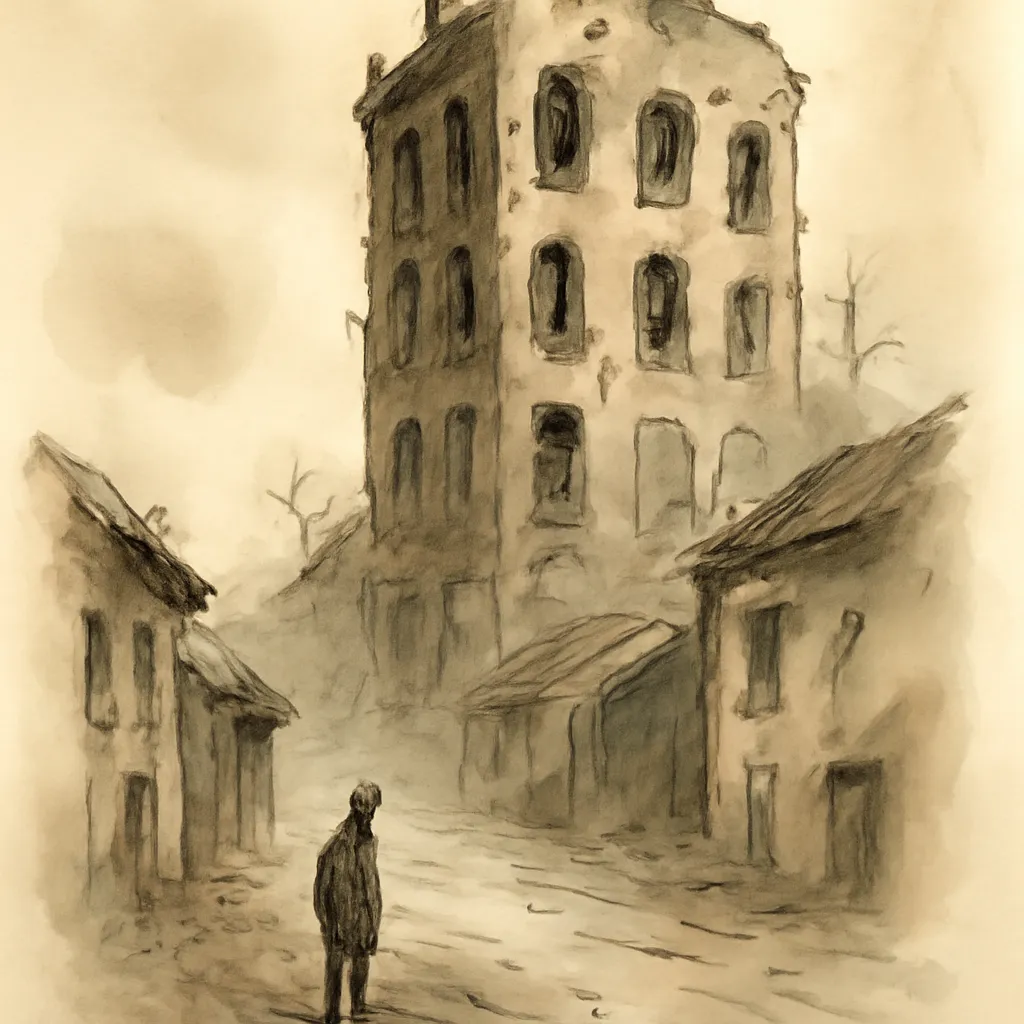
Hugh Garfield starts as an ordinary electrical engineer, embodying the archetype of the unsuspecting hero. His transformation from a passive character to a proactive seeker of truth drives the narrative forward. Initially, Garfield is portrayed as an innocent bystander, unaware of the complexities surrounding him. However, his journey evolves as he becomes embroiled in the Stretton Street Affair, prompting a deep introspection about his identity and purpose. The author illustrates this transition through Garfield's encounters with various characters, including the enigmatic Oswald De Gex, who serves as both a mentor and a manipulator. As Garfield uncovers the layers of deception, his evolution into a determined investigator highlights the theme of personal growth in the face of adversity. This transformation resonates with readers, inviting them to reflect on their potential for change and resilience in challenging circumstances.
2.Wealth and Its Corruption

The narrative underscores the pervasive influence of wealth on human behavior and morality. Oswald De Gex, a millionaire with a shadowy past, embodies the corrupting nature of wealth. His financial power enables him to manipulate those around him, including Garfield, who initially admires De Gex for his success. However, as the story unfolds, the moral implications of De Gex's actions come to light, revealing a character willing to sacrifice others for his gain. The author effectively contrasts De Gex's opulence with the lives of those he exploits, demonstrating how wealth can distort relationships and ethical values. The exploration of this theme raises questions about the societal structures that allow for such behavior, inviting readers to examine the moral compromises they may encounter in their pursuit of success. The stark reality of De Gex's character serves as a cautionary tale about the seductive allure of wealth, illustrating how it can lead even the most honorable individuals astray.
3.Deception as a Central Motif

Deception is a recurring motif throughout 'The Stretton Street Affair,' shaping the characters and driving the plot. The layers of lies that permeate the narrative create a sense of tension and intrigue, compelling readers to question the truth of each character's motivations. Garfield's journey is marked by encounters with individuals who embody deception, from the duplicitous De Gex to the manipulative Doctor Moroni, who constructs a façade of respectability while harboring dark secrets. The author skillfully constructs a web of intrigue, illustrating how misinformation can lead to dire consequences. Garfield's struggle to distinguish friend from foe highlights the challenges of navigating a world rife with deceit. This theme serves as a cautionary tale about the fragility of trust, emphasizing the need for vigilance in interpersonal relationships. Through Garfield's experiences, readers are reminded of the necessity of discerning truth from falsehood, and the potential dangers that arise when trust is misplaced.
4.The Psychological Impact of Trauma

The experiences of trauma and its psychological effects are poignantly explored through characters like Gabrielle Tennison. Following her traumatic ordeal, Gabrielle suffers from memory loss and psychological distress, reflecting the real-life consequences of trauma. The author emphasizes the importance of understanding and addressing mental health issues, particularly in the face of societal stigma. As Garfield attempts to help Gabrielle regain her sense of self, the narrative reveals the complexities of recovery and the necessity of support systems. The exploration of trauma underscores its lasting impact on individuals and their relationships, encouraging readers to approach the topic with empathy. Gabrielle's journey from victimhood to empowerment serves as a powerful reminder of the resilience of the human spirit, and the importance of compassion in the healing process. The narrative invites discussions about mental health, encouraging readers to break the silence surrounding trauma and advocate for those affected by it.
5.The Nature of Evil and Ambition
At the heart of 'The Stretton Street Affair' lies a profound exploration of evil, represented by Oswald De Gex and his machinations. De Gex's actions reflect a chilling disregard for human life, driven by an insatiable desire for power and wealth. The author delves into the psychology behind De Gex's character, illustrating how unchecked ambition can lead individuals to commit heinous acts. This examination of evil serves as a commentary on the broader human condition, prompting readers to confront the uncomfortable reality that malevolence can exist within those who outwardly appear respectable. The narrative challenges readers to consider the moral implications of ambition and the ethical compromises that often accompany the pursuit of power. Through De Gex's journey, the story reveals the dangers of allowing ambition to eclipse moral responsibility, ultimately urging readers to reflect on their values and the potential consequences of their actions.
6.The Role of Love and Sacrifice

Amid the chaos of betrayal and deception, the narrative explores the theme of love, particularly through the relationship between Garfield and Gabrielle. Their bond deepens as they face the perils posed by De Gex and his associates, illustrating how love can serve as a source of strength in adversity. Garfield's unwavering commitment to protecting Gabrielle underscores the notion that true love often demands sacrifice. The author paints a poignant picture of their relationship evolving against a backdrop of danger, showcasing how love can inspire individuals to take risks and make difficult choices. This theme resonates with readers, emphasizing the importance of connection and support in overcoming challenges. The sacrifices made by Garfield and Gabrielle serve as a reminder that love can foster resilience and a sense of purpose, even when confronted with overwhelming odds. Their relationship embodies the transformative power of love, encouraging readers to prioritize meaningful connections in their own lives.
7.The Quest for Truth and Justice

The pursuit of truth and justice is central to Garfield's journey throughout the story. His unwavering determination to uncover the reality behind the Stretton Street Affair serves as a driving force in the narrative. As he navigates the labyrinth of deceit, Garfield confronts the moral complexities inherent in seeking justice. The author illustrates that the quest for truth often involves grappling with uncomfortable realities and making difficult choices. Garfield's commitment to unveiling the truth highlights the importance of integrity and accountability, urging readers to reflect on their own values. The narrative emphasizes that the pursuit of justice is not without its challenges, requiring courage and perseverance. Through Garfield's experiences, the story serves as a powerful reminder of the importance of standing up for what is right, even when the path is fraught with danger. This theme resonates with readers, encouraging them to engage in the fight for justice and truth in their own lives.
8.The Impact of Societal Structures
Le Queux's narrative critiques societal structures that enable and perpetuate corruption and deceit. The story reveals how individuals like De Gex can manipulate systems to their advantage, highlighting the vulnerability of those without power. The author explores the consequences of wealth disparity, illustrating how it can lead to exploitation and moral decay. Garfield's encounters with various characters expose the systemic issues that contribute to the chaos surrounding the Stretton Street Affair. This critique serves to challenge readers to consider the broader implications of their societal structures and the responsibilities that come with power. The narrative ultimately urges a reevaluation of societal norms and the ethical obligations that individuals hold within their communities. Through the lens of Garfield's experiences, readers are encouraged to scrutinize the systems that govern their lives and advocate for change where it is necessary.
9.The Interplay of Fate and Free Will
The narrative also probes the complex interplay between fate and free will, particularly in the lives of its characters. Garfield's journey is set in motion by a series of seemingly random events, prompting readers to consider the role of fate in shaping one's destiny. However, as Garfield gains agency in his pursuit of truth, the story emphasizes the importance of individual choices. The author suggests that while fate may influence circumstances, it is ultimately the decisions made by characters that determine their outcomes. This exploration of fate and free will invites readers to reflect on their own lives and the choices they make, underscoring the idea that individuals possess the power to shape their destinies. The theme serves as a philosophical inquiry into the nature of existence, encouraging a deeper understanding of how personal agency and external forces interact in everyday life.
10.The Consequences of Inaction
The narrative also highlights the consequences of inaction in the face of wrongdoing. Characters who remain passive or complacent in the face of De Gex's manipulations ultimately find themselves complicit in his schemes. This theme is particularly evident in the reactions of those around Garfield, who often choose self-preservation over moral courage. The author illustrates how silence in the face of evil can perpetuate cycles of harm and injustice. Through Garfield's active pursuit of truth, the story advocates for the necessity of taking a stand against wrongdoing, even when the cost may be high. This exploration serves as a powerful reminder that inaction can have dire consequences, urging readers to reflect on their own responsibilities in promoting justice and confronting wrongdoing.