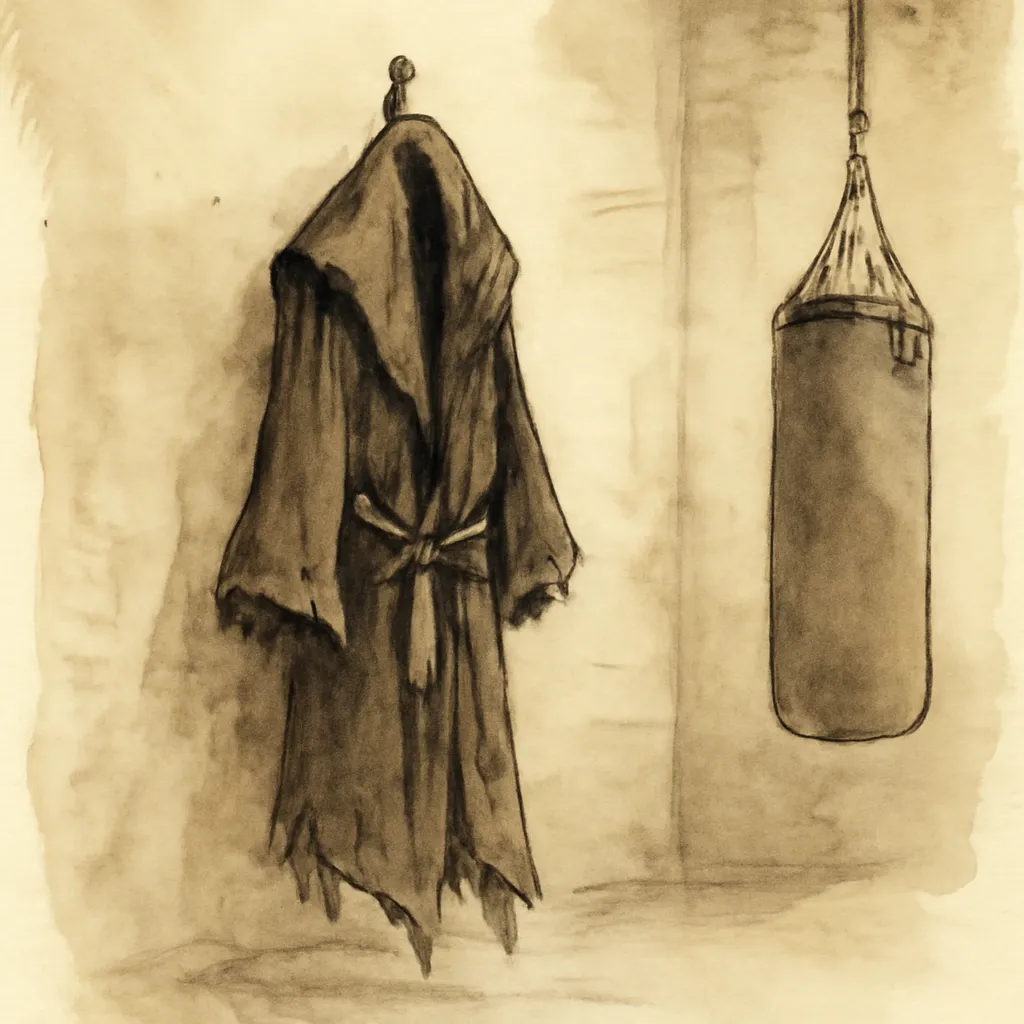
1.Boxing as a Mirror of Society
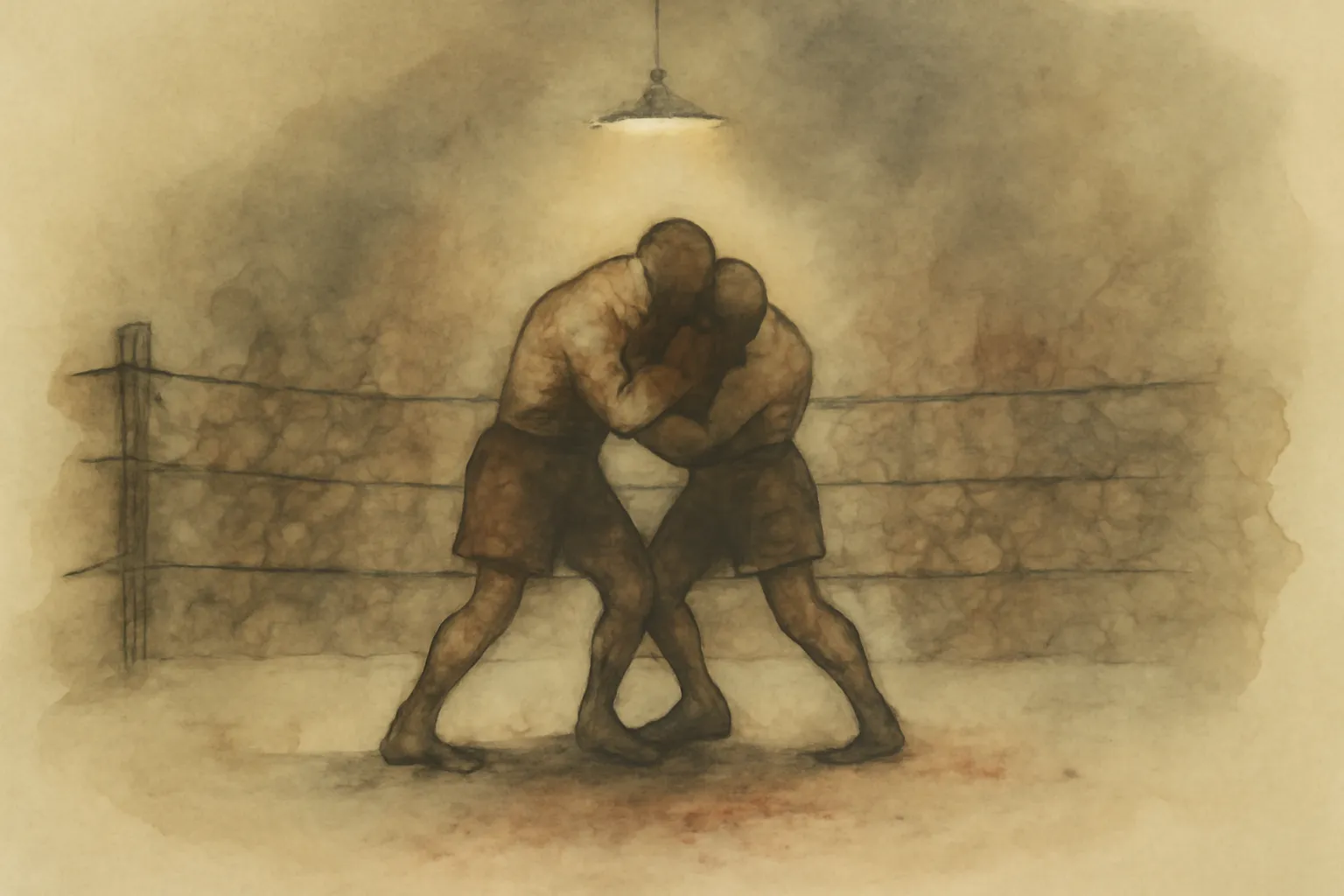
Liebling uses boxing to reflect on broader themes in American life, from class struggle to the immigrant experience. The sport’s gritty venues and colorful personalities serve as a microcosm for the nation’s hopes, anxieties, and shifting values. Through his vivid reportage, Liebling shows how the ring is both a stage for individual aspiration and a battleground for societal change.
2.The Art of Observation
Liebling’s writing is celebrated for its keen attention to detail and wry humor. His descriptions of fighters, trainers, and spectators are rich with nuance, revealing not just the action in the ring but the subtleties of human behavior and motivation. He elevates sports journalism to literary art, making the reader feel the sweat, tension, and anticipation of each bout.
3.The Myth and Reality of the Fighter
Liebling explores the mythology surrounding boxers, contrasting their public personas with their private vulnerabilities. He delves into the psychology of fighters—what drives them, how they cope with pain and defeat, and what victory truly means. This humanizing approach demystifies the sport, making its participants relatable and complex.
4.The Changing Landscape of Boxing
Written during a transformative era for boxing, The Sweet Science documents the rise of television, the decline of old fight clubs, and the emergence of new stars like Rocky Marciano. Liebling captures the nostalgia for a vanishing world while acknowledging the inevitability of change, offering insights into how sports evolve alongside society.
5.Language as Craft and Weapon
Liebling’s prose is as sharp and rhythmic as the jabs he describes. His wit, metaphors, and linguistic playfulness make the book a joy to read, even for those indifferent to boxing. He demonstrates how language can both illuminate and shape our understanding of sport, turning reportage into literature.
6.The Allure of the Underdog
A recurring theme is Liebling’s affection for the underdog—the journeymen, the has-beens, and the never-weres who populate boxing’s undercard. He finds dignity and drama in their struggles, reminding readers that greatness can be found in striving, not just in winning.