1.Identity as Performance
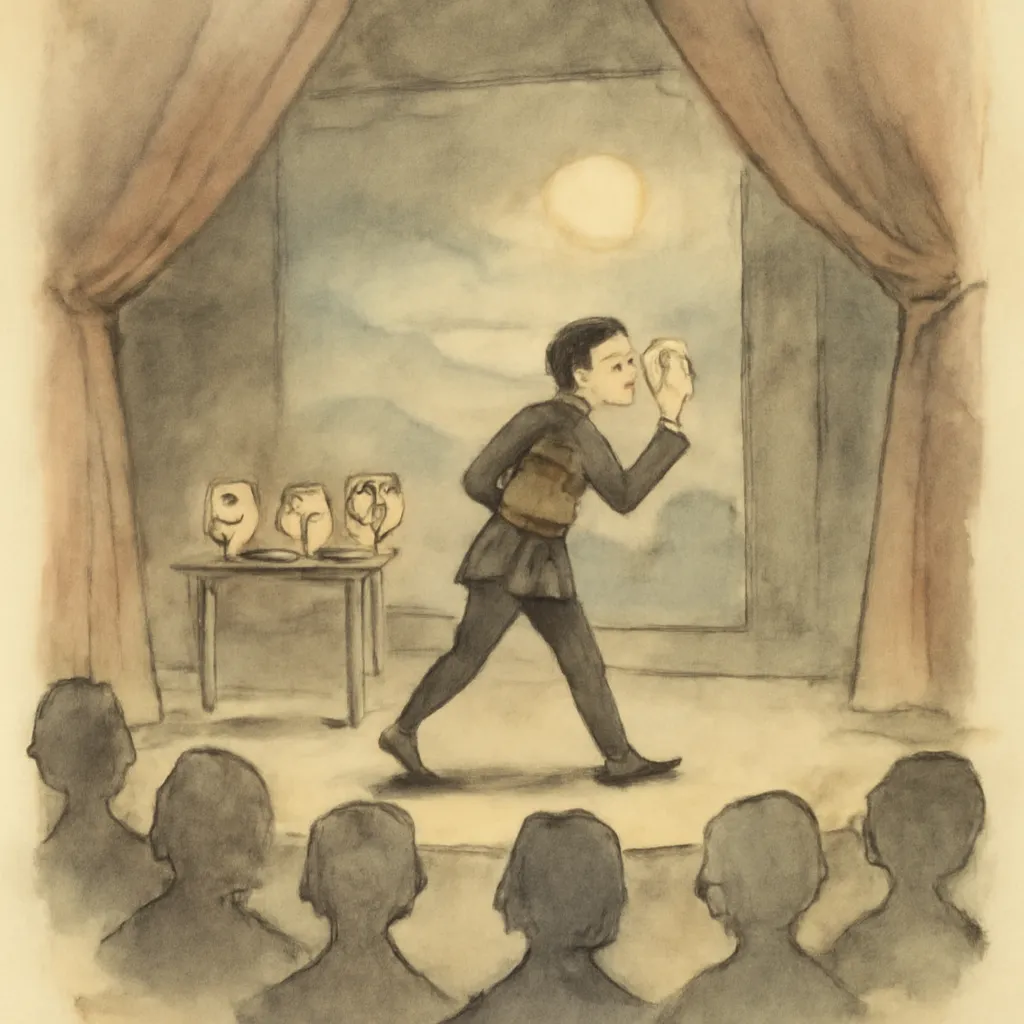
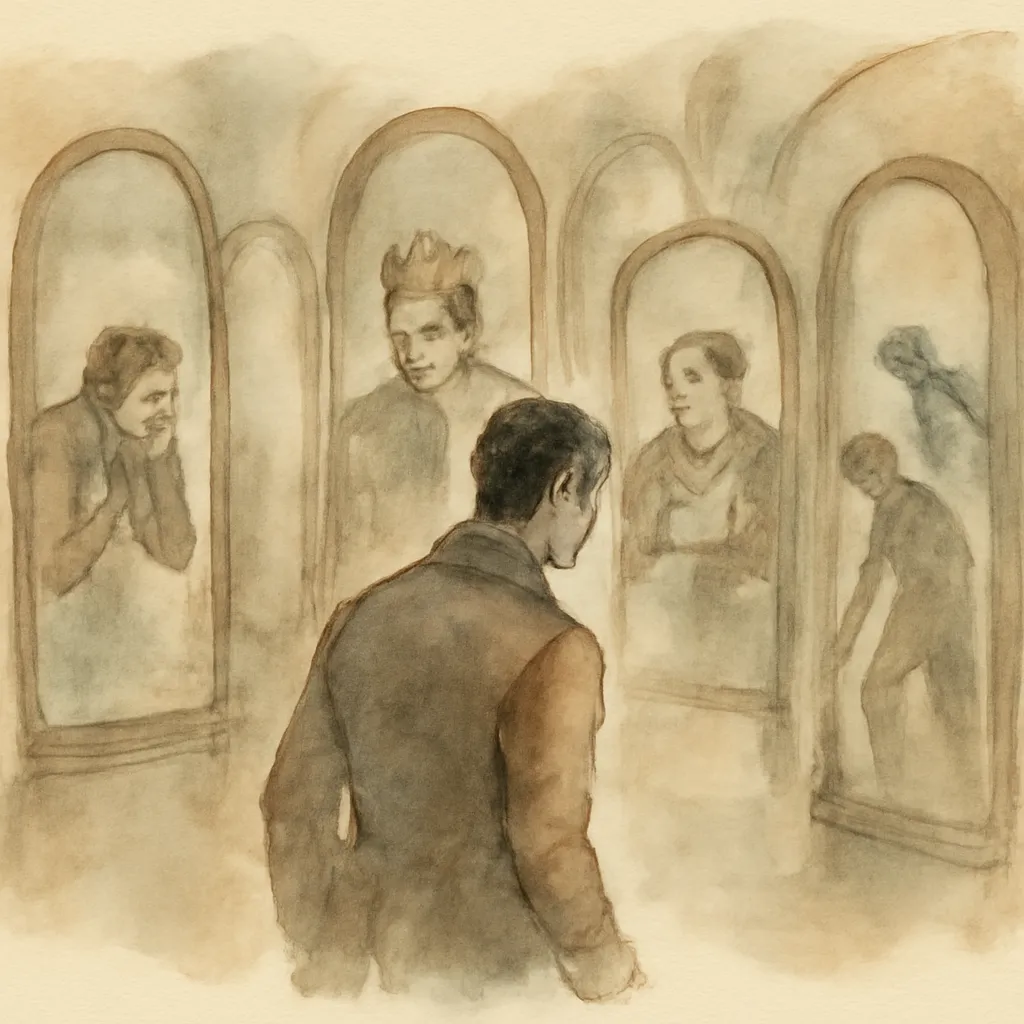
Nagy’s play foregrounds the idea that identity is not fixed but constructed and performed. Tom Ripley, the protagonist, is a master at adopting personas, manipulating his surroundings to blend in or stand out as needed. The stage medium intensifies this theme, as actors literally perform roles, echoing Ripley's own duplicity. The play probes the anxiety and liberation that come from self-invention, questioning whether anyone truly knows themselves or others.
2.Morality Without Conscience
Ripley’s amorality is central: he commits crimes with little guilt, motivated by envy, desire, and self-preservation. Nagy’s script sharpens this by focusing on his psychological justifications and the ease with which he rationalizes his actions. The audience is left unsettled, forced to confront the allure of a protagonist who is both repellent and fascinating, and to question the boundaries of empathy.
3.Class and Aspiration
The play delves into the allure of wealth and privilege, exposing the social barriers that drive Ripley’s envy and ambition. His outsider status is palpable, and his longing to belong among the elite—embodied by Dickie Greenleaf—propels the plot. Nagy highlights how class aspiration can warp moral compasses and fuel destructive choices, making the story both specific to its era and timeless.
4.Ambiguity and Suspense
Nagy’s adaptation thrives on ambiguity, both moral and narrative. The audience is kept off-balance, never quite sure of Ripley's next move or the consequences of his actions. This suspense is heightened by the play’s structure and dialogue, which withhold information and encourage viewers to fill in the gaps, mirroring Ripley’s own manipulations.
5.The Limits of Empathy
While Ripley is charismatic, Nagy’s script resists making him wholly sympathetic. Instead, it challenges the audience to examine their own responses to his charm and cunning. The play becomes a meditation on how far empathy can—or should—extend, especially when confronted with someone whose actions defy conventional morality.
6.Adaptation and Interpretation
By bringing Highsmith’s novel to the stage, Nagy interprets and distills its psychological complexity, using theatrical devices to externalize Ripley’s inner turmoil. The adaptation process itself becomes a theme: what is lost or gained when a story shifts mediums, and how does each version reflect the anxieties of its time?