1.Evolution as the Unifying Principle of Biology
Zimmer frames evolution not as a niche topic but as the foundation that connects all branches of biology. He demonstrates how evolutionary theory explains the diversity of life, the structure of organisms, and the relationships among species. By weaving together examples from paleontology, genetics, and ecology, Zimmer shows that understanding evolution is essential for grasping everything from why antibiotics sometimes fail to how species adapt to changing environments. The book emphasizes that evolutionary thinking is the lens through which modern biology makes sense.
2.Natural Selection, Genetic Drift, and Beyond
The Tangled Bank carefully distinguishes between the different mechanisms that drive evolution. Zimmer explains natural selection as the process by which advantageous traits become more common, but he also highlights the roles of genetic drift, gene flow, and mutation. By using accessible language and real-world examples, he helps readers appreciate how these forces interact, sometimes reinforcing and sometimes counteracting each other, to shape the evolutionary paths of organisms.
3.The Evidence for Evolution
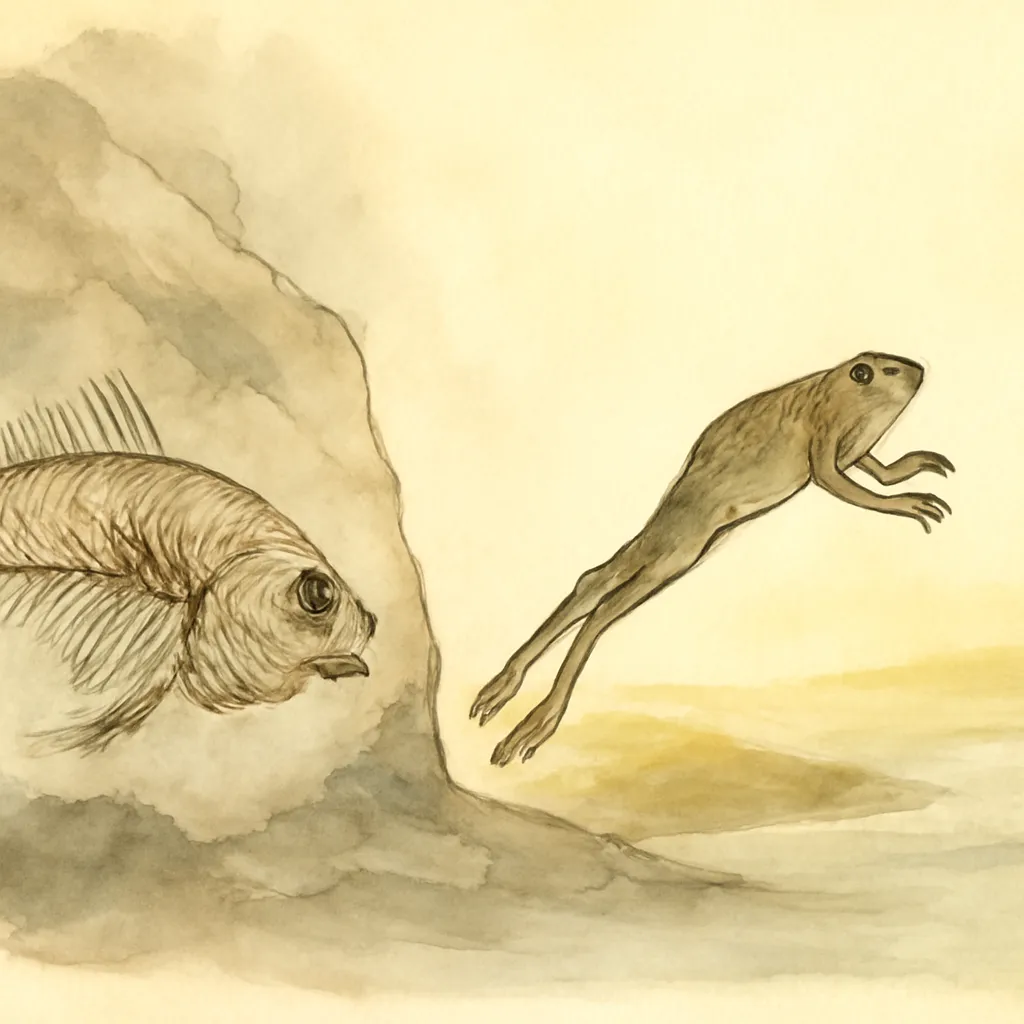
Zimmer marshals a wealth of evidence from fossils, genetics, and comparative anatomy to show how scientists reconstruct the evolutionary past. He tells the stories of transitional fossils, such as those showing the move from sea to land, and explains how DNA analysis reveals deep connections between species. The book makes clear that evolution is not a speculative idea, but a robust scientific framework supported by converging lines of evidence from multiple disciplines.
4.Evolution in Action: Medicine and Modern Challenges
One of the book’s strengths is its focus on how evolutionary principles impact our lives today. Zimmer discusses antibiotic resistance, emerging diseases, and the evolution of cancer, illustrating how evolutionary thinking informs medical research and public health. He makes the case that understanding evolution is not just academically interesting, but vital for tackling real-world problems.
5.Human Evolution and Our Place in Nature
Zimmer dedicates significant attention to human origins, using genetic and fossil evidence to trace our evolutionary journey. He explores the migrations and adaptations that shaped Homo sapiens, and examines what makes us similar to—and different from—other species. The book invites readers to see humanity as part of the broader tapestry of life, shaped by the same evolutionary forces as all living things.
6.The Process of Science: How We Know What We Know
Throughout The Tangled Bank, Zimmer emphasizes the scientific method and how evolutionary knowledge is built. He describes how hypotheses are tested, evidence is gathered, and theories are refined. This focus on process helps demystify science, showing readers not just what scientists have discovered, but how they discover it.