1.Endurance in the Face of the Unknown
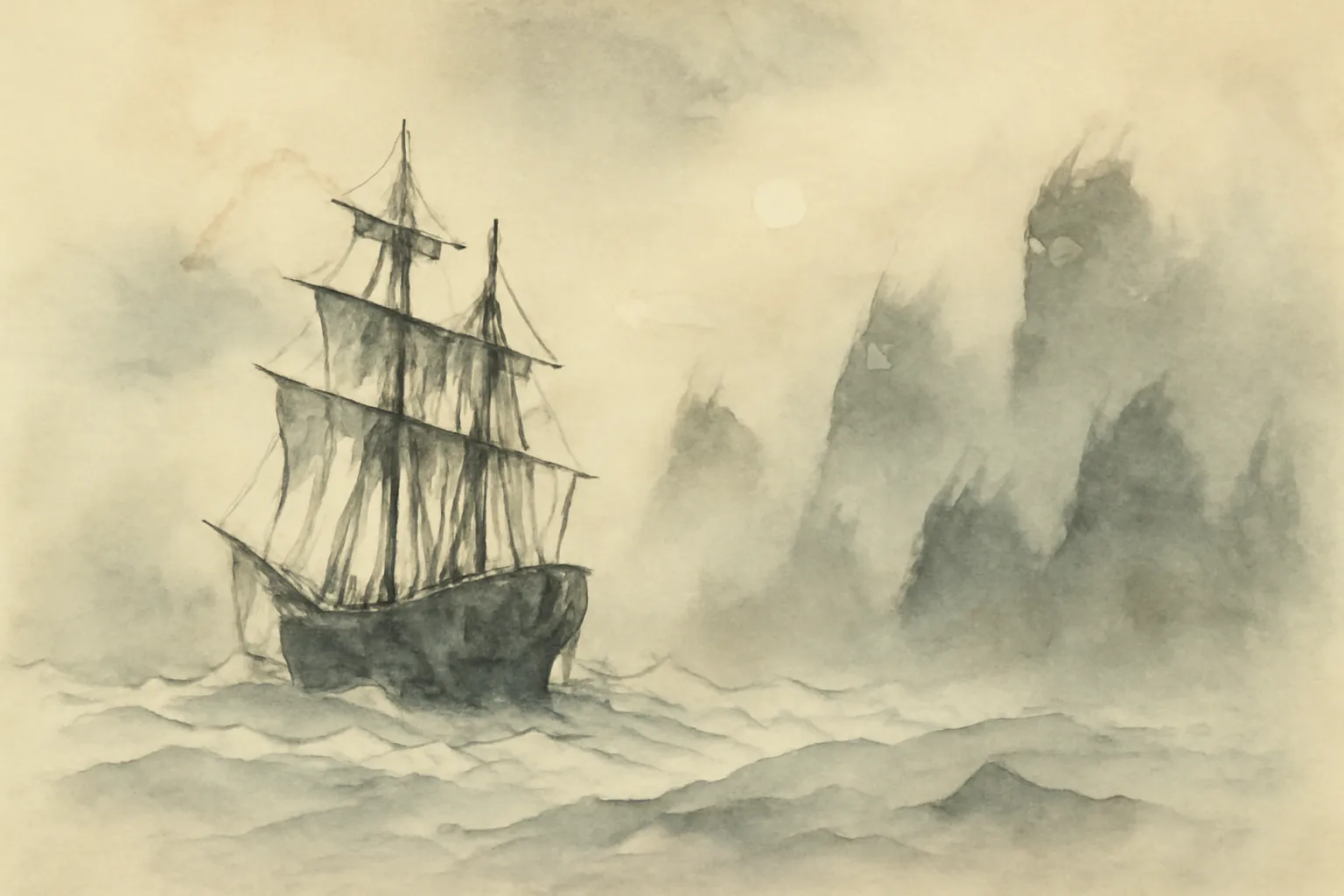
At its core, 'The Terror' explores the psychological and physical limits of human endurance. The crew, trapped in the frozen Arctic, must contend not only with starvation, scurvy, and the relentless cold, but also with the terror of the unknown—both the monstrous threat stalking them and the existential dread of isolation. Simmons uses the bleak environment to strip his characters to their essence, revealing what people are capable of when survival is at stake.
2.Blending History with Supernatural Horror
Simmons masterfully interweaves real historical events—the doomed Franklin Expedition—with elements of supernatural horror. The mysterious creature haunting the crew serves as both a literal and metaphorical threat, amplifying the tension and uncertainty. This blend challenges readers to reconsider the boundaries between fact and fiction, and to reflect on how myth and fear can shape our understanding of history.
3.Leadership and Moral Ambiguity
The novel scrutinizes the nature of leadership under extreme pressure. Through characters like Captain Crozier and Sir John Franklin, Simmons examines the burdens of command, the consequences of flawed decisions, and the moral compromises made in desperate circumstances. The story asks whether rigid adherence to protocol or flexible pragmatism is more valuable when survival is on the line.
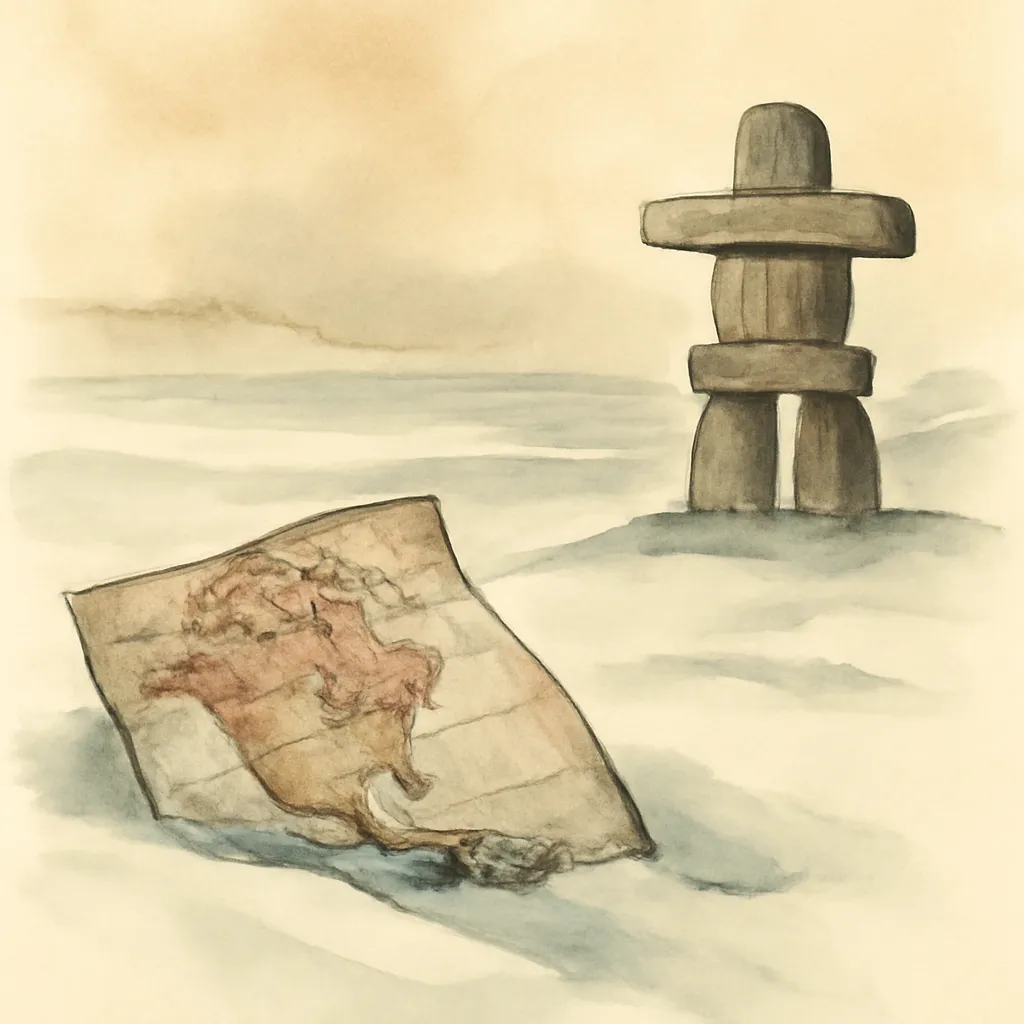
4.Colonialism and Cultural Clash
Set during the height of British imperial ambition, 'The Terror' does not shy away from the cultural arrogance and misunderstandings that accompany colonial exploration. The crew's interactions with the Inuit and their disregard for indigenous knowledge underscore the dangers of hubris and ethnocentrism. Simmons uses these dynamics to critique the colonial mindset and its tragic consequences.
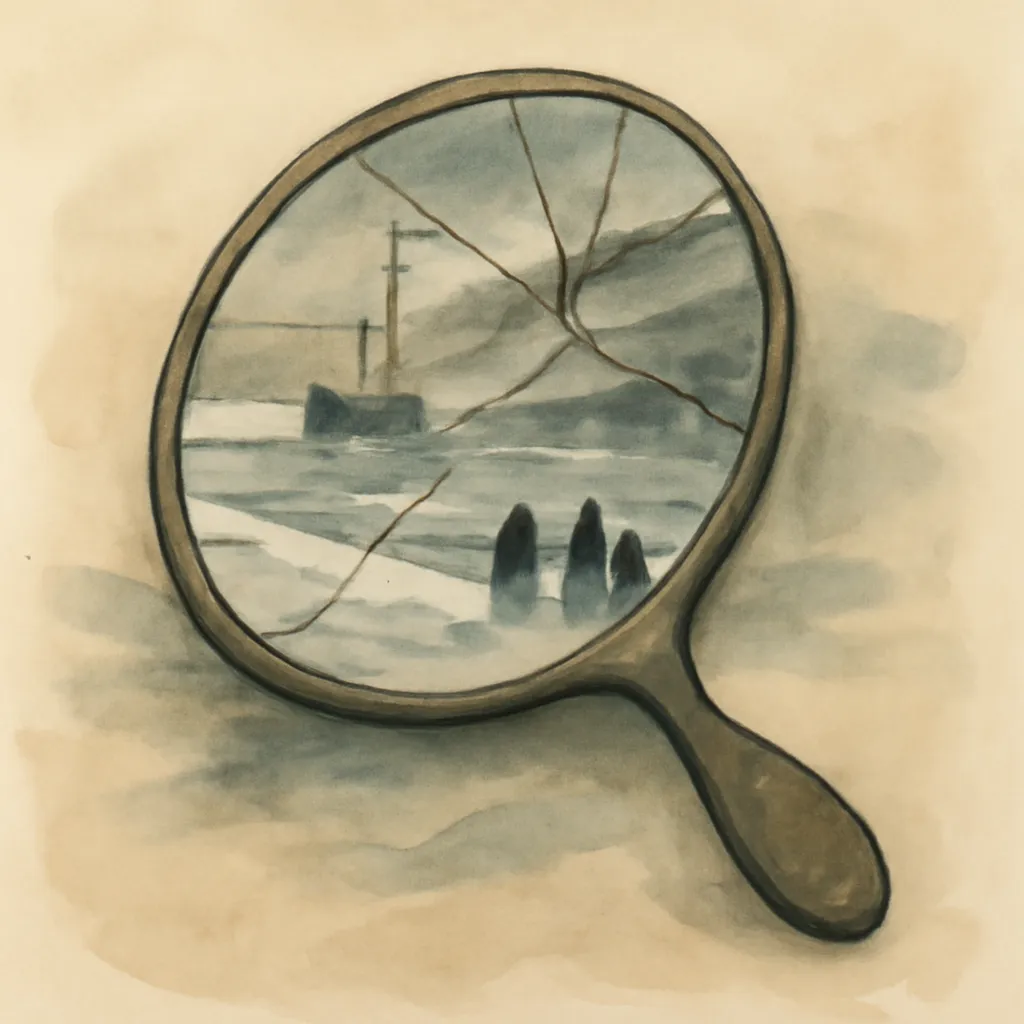
5.Fear as a Shaping Force
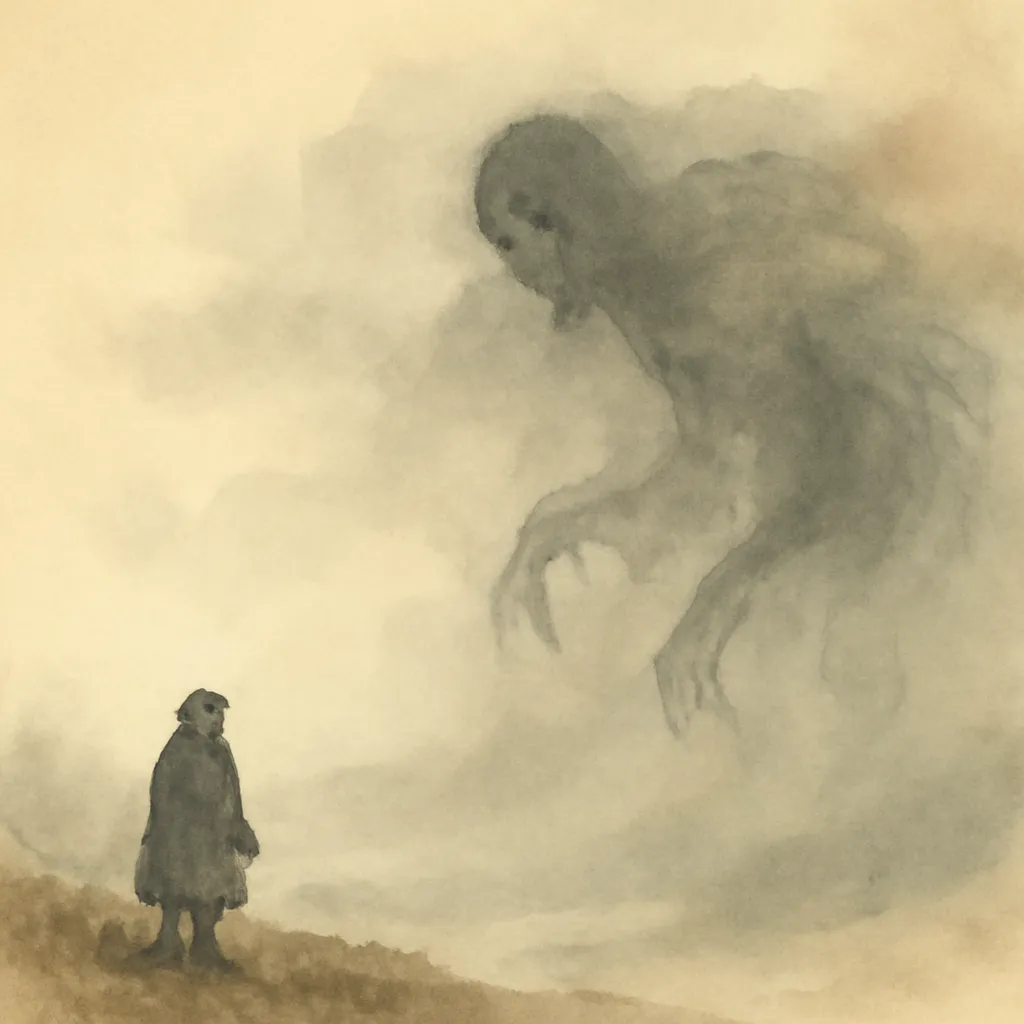
Fear permeates every aspect of the narrative, shaping actions, relationships, and even reality itself. Simmons delves into how terror—of the environment, the supernatural, and one's fellow men—can erode trust and unravel the social fabric. The book suggests that the greatest threat may not be the monster outside, but the fear that grows within.
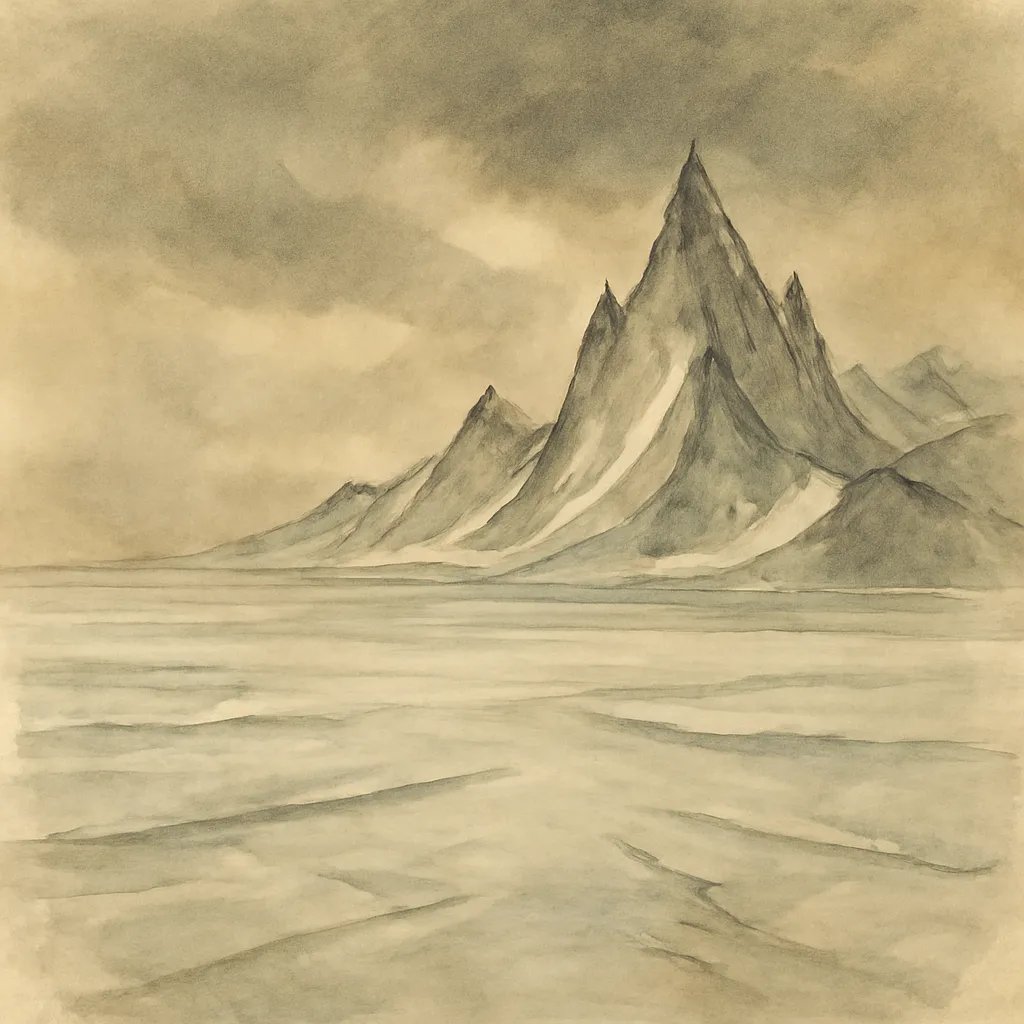
6.Nature’s Indifference
The Arctic landscape is depicted as a vast, indifferent force, unconcerned with human suffering or ambition. Simmons contrasts the hubris of the explorers with the overwhelming power of nature, emphasizing the insignificance of humanity in the face of such elemental forces. This theme reinforces the novel’s atmosphere of dread and futility.