

Big ideas · from the full text
The Thinking Machine
by Stephen Witt · 4 min read · Lumina’s commentary, written with AI
Recommended by Mustafa SuleymanAbout this book
"The riveting investigative account of Nvidia, the tech company that has exploded in value for its artificial intelligence computing hardware, and Jensen Huang, Nvidia's charismatic, uncompromising CEO In June of 2024, spurred by the frenzy of investment following the launch of ChatGPT, and thirty-one years after its founding in a Denny's restaurant, Nvidia became the most-valuable corporation on Earth. In The Thinking Machine, acclaimed journalist Stephen Witt recounts the unlikely story of how a manufacturer of video game components shocked Silicon Valley by conquering the market for AI hardware, and in the process re-invented the computer. Essential to Nvidia's meteoric success is its visionary CEO Jensen Huang, who more than a decade ago, on the basis of a few promising scientific results, bet his entire company on AI. Through unprecedented access to Huang, his friends, his investors, and his employees, Witt documents for the first time the company's epic rise and its iconoclastic CEO, who emerges as a compelling, single-minded, and ferocious leader, and now one of Silicon Valley's most influential figures. The Thinking Machine is the story of how Nvidia evolved from providing components for circuit boards to supplying hundred-million dollar supercomputers. It is the story of a determined entrepreneur who defied Wall Street to push his radical vision for computing, in the process becoming one of the wealthiest men alive. It is the story of a revolution in computer architecture, and the small group of renegade engineers who made it happen. And it's the story of our awesome and terrifying AI future, which Huang has billed as the "next industrial revolution," as a new kind of microchip unlocks hyper-realistic avatars, autonomous robots, self-driving cars, and new movies, art, and books, generated on command"-- Provided by publisher.
As an Amazon Associate, Lumina earns from qualifying purchases. How this works
♫ AI-generated voice · press play below to listen and read along; tap any passage to jump to it
The AI boom grew from a gaming problem

In The Thinking Machine by Stephen Witt, Nvidia’s early strength comes from computer graphics. Competitive games rewarded chips that could run many similar operations in parallel to raise frame rates. GeForce helped define the GPU category around that kind of parallel processing. Later, neural networks needed the same style of heavy, repeated calculation. The book frames this as an indirect path, not a single straight master plan from games to AI training.
Why it matters
This makes technological change look indirect. A tool made for one crowd can later reshape another field.
An example
Competitive games pushed demand for higher frame rates, and GeForce helped establish the GPU category.
Keep in mind
This explains Nvidia’s path as the book presents it. It does not describe every route into AI hardware.
Software made Nvidia harder to replace
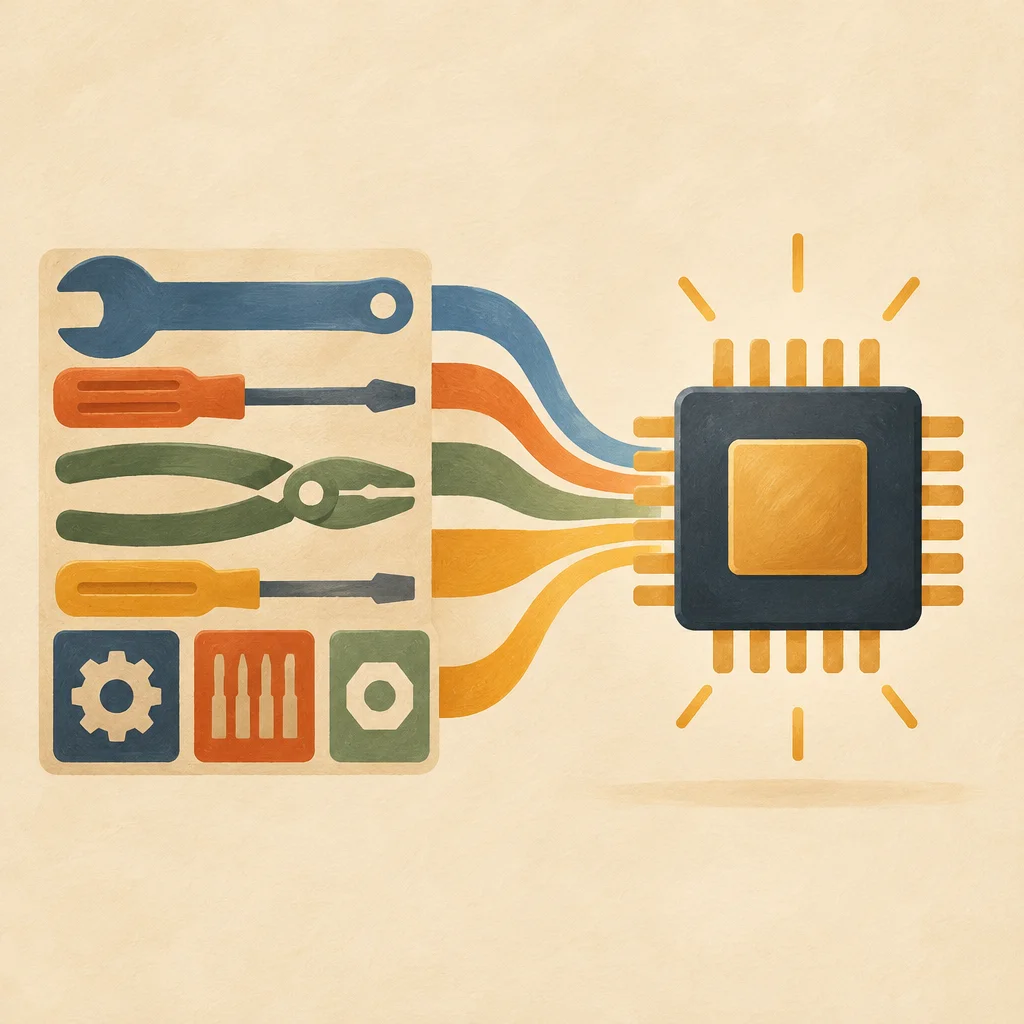
In The Thinking Machine by Stephen Witt, CUDA is presented as a bridge from graphics chips to general computing. Before CUDA, scientists could use GPUs, but the tools were awkward because they were meant for graphics. Nvidia engineers, including Ian Buck, John Nickolls, and Bill Dally, helped create CUDA so programmers could run general calculations more directly on Nvidia hardware. The book notes it took major effort and had few early users, but later aided neural-network researchers.
Why it matters
The lesson is that a chip advantage can grow stronger when programmers also depend on the surrounding tools.
An example
Ian Buck, John Nickolls, Bill Dally, and other Nvidia engineers helped create CUDA for general computing tasks.
Keep in mind
The summary says Huang expected some unknown breakthrough, not that he accurately predicted modern generative AI.
Huang’s style combines force and loyalty
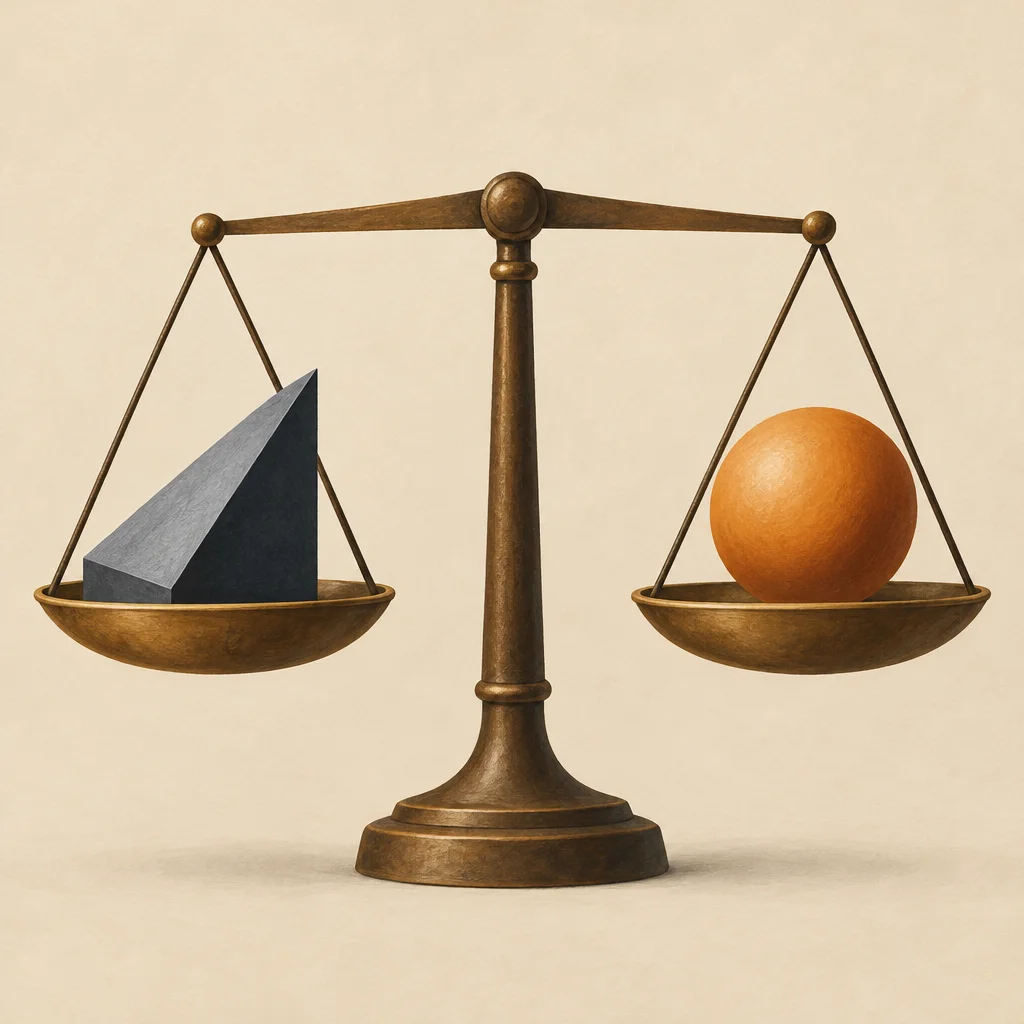
The Thinking Machine by Stephen Witt presents Jensen Huang in mixed terms. After Nvidia’s first chip approach failed, he changed direction, cut jobs, and backed a replacement design. The book also describes public scolding and severe deadlines alongside personal kindness and a reluctance to fire people for honest execution failures. This is not pure praise or condemnation. It connects the company’s speed and endurance to a leadership style that also created pressure inside Nvidia.
Why it matters
The company’s achievements are tied to human habits and costs, not only to strategy and engineering.
An example
After Nvidia’s first chip approach failed, Huang changed direction, cut jobs, and backed a replacement design.
Keep in mind
The supplied summary supports a mixed business portrait, not a complete account of Huang’s private character.
AI is a physical and political system
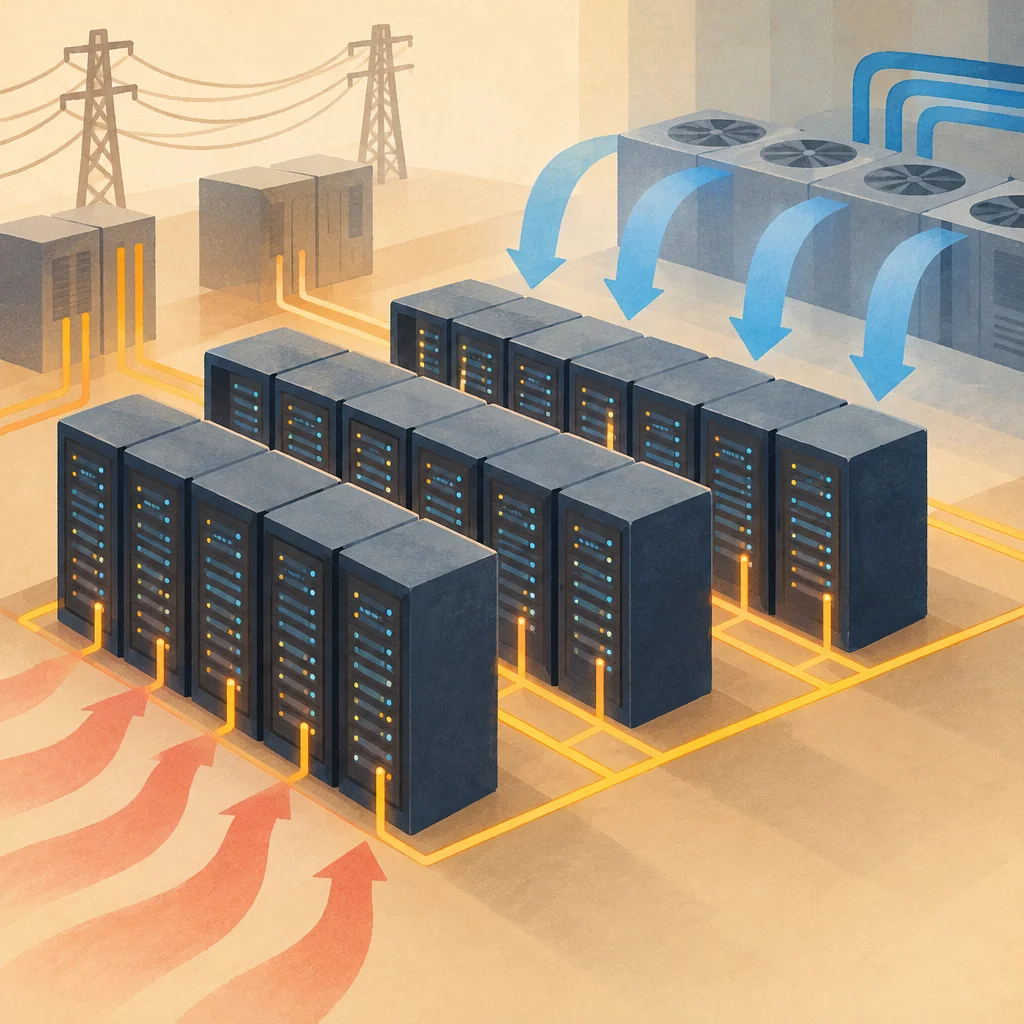
In The Thinking Machine by Stephen Witt, AI is not treated as only algorithms. The book follows data centers, chip connections, cooling, electricity, manufacturing, export rules, and supply risks. It describes Nvidia shifting from selling parts to treating whole data centers as single computing machines, including buying Mellanox to improve chip-to-chip communication. Alongside useful tools and research, the boom also brings openings for abuse, legal fights, labor fears, and pressure on power grids.
Why it matters
Seeing AI this way makes its tradeoffs concrete. People can ask who supplies it, powers it, and governs it.
An example
Nvidia began treating whole data centers as single computing machines and bought Mellanox to improve chip-to-chip communication.
Keep in mind
The book raises these costs and risks as open questions. It does not prove one final outcome for society.
Breakthroughs need both research and machinery
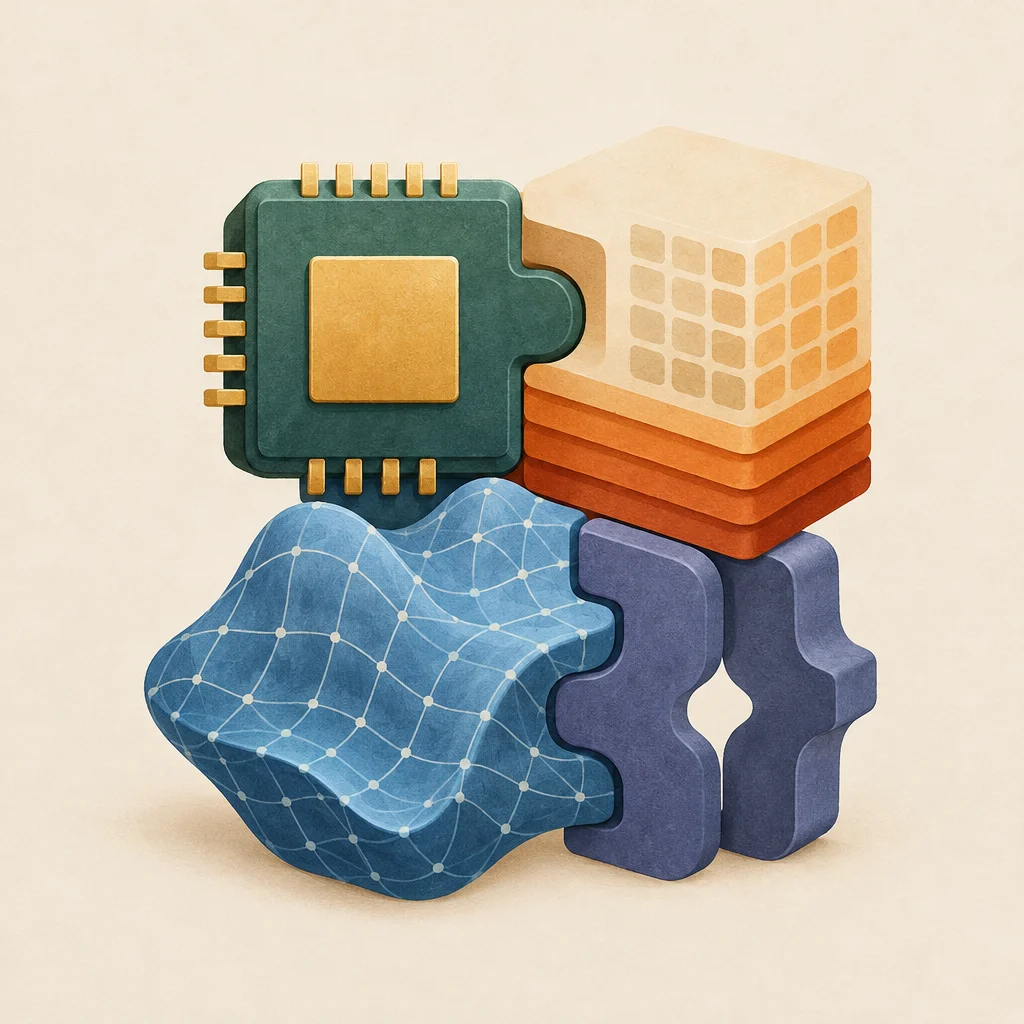
In The Thinking Machine by Stephen Witt, modern AI progress is shown as a meeting of methods and infrastructure. AlexNet is a key example: it used two consumer Nvidia GPUs and ImageNet pictures, then won a major 2012 image-recognition contest. The book stresses that this combined a neural network, a large labeled dataset, CUDA, and suitable hardware. Later transformer models also benefited from large-scale parallel computation. The claim is not that hardware alone created AI, but that machines helped research gains land.
Why it matters
This keeps credit spread across scientists, data, software, chips, and the companies that scale them.
An example
AlexNet used two consumer Nvidia GPUs and ImageNet pictures, then won a major 2012 image-recognition contest.
Keep in mind
A contest win in computer vision does not settle later debates about intelligence, safety, or business value.
Liked the ideas? Read The Thinking Machine in full.
The big ideas are free on Lumina. The complete book is available from:
As an Amazon Associate, Lumina earns from qualifying purchases. How this works
Who's talking about The Thinking Machine
Public statements we checked against the original source
- Recommends it
 Mustafa SuleymanCEO of Microsoft AI
“Gripping and brilliantly told”
The Thinking Machine ↗Penguin
Portraits from Wikimedia Commons · photo credits and licences