1.The Genetic Gap and Its Significance
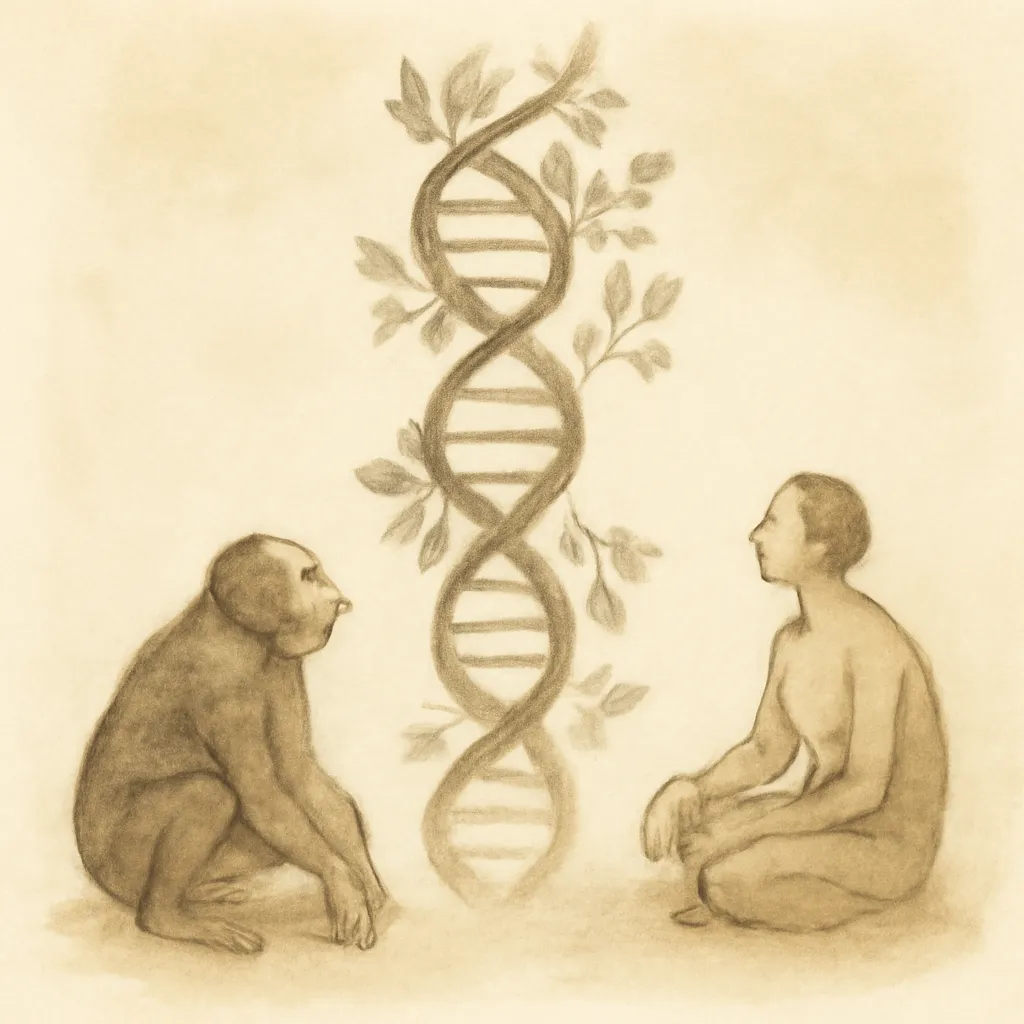
Diamond begins by highlighting that humans and chimpanzees share over 98% of their DNA, yet the small genetic difference has led to dramatic divergences in behavior, cognition, and society. He argues that understanding this gap is crucial to grasping both our capabilities and our vulnerabilities as a species. The book frames humans as the 'third chimpanzee,' emphasizing our evolutionary continuity with other apes while probing the origins of our distinctiveness.
2.Language and Symbolic Thought
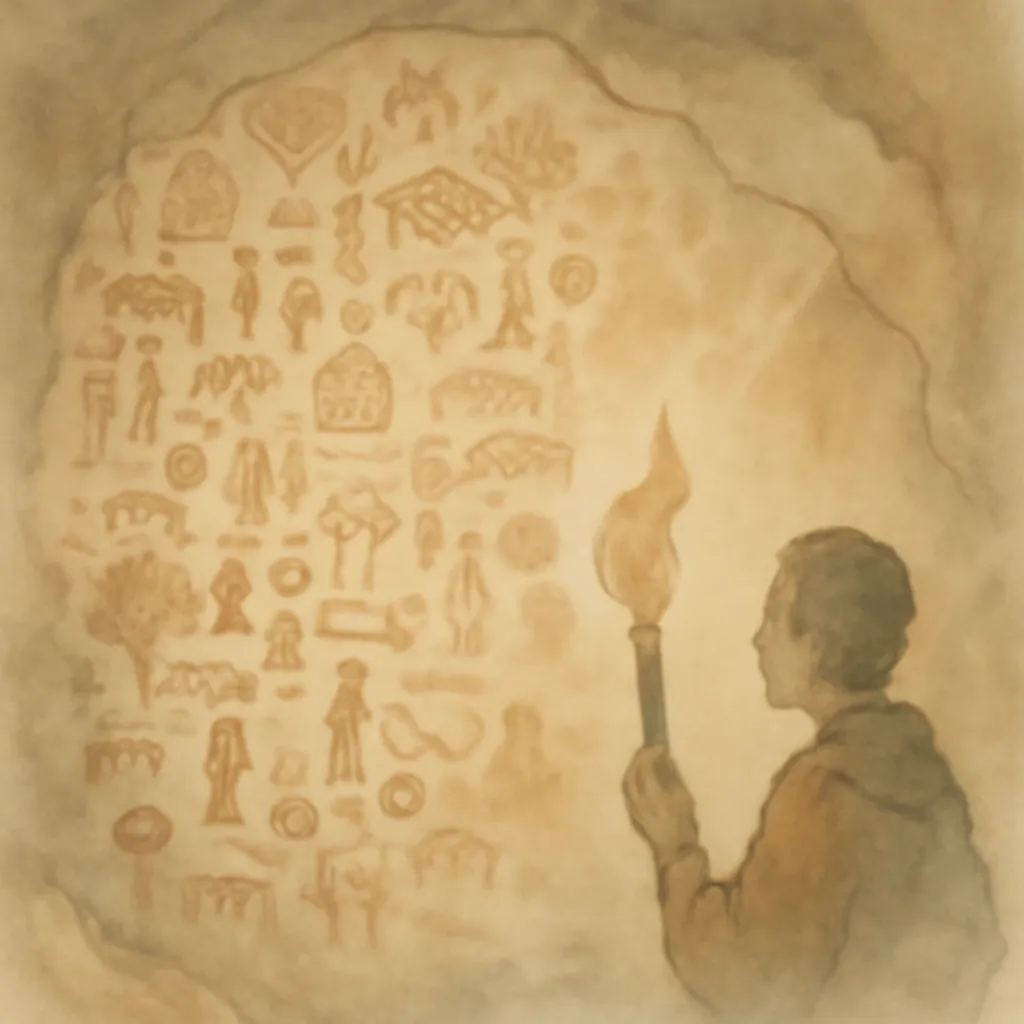
One of the defining features Diamond explores is the development of complex language and symbolic communication. He contends that this ability allowed humans to transmit knowledge across generations, enabling cumulative culture, technological innovation, and social complexity. This leap, he suggests, is both the engine of our progress and a potential source of misunderstanding and conflict.
3.Art, Culture, and Sexual Selection
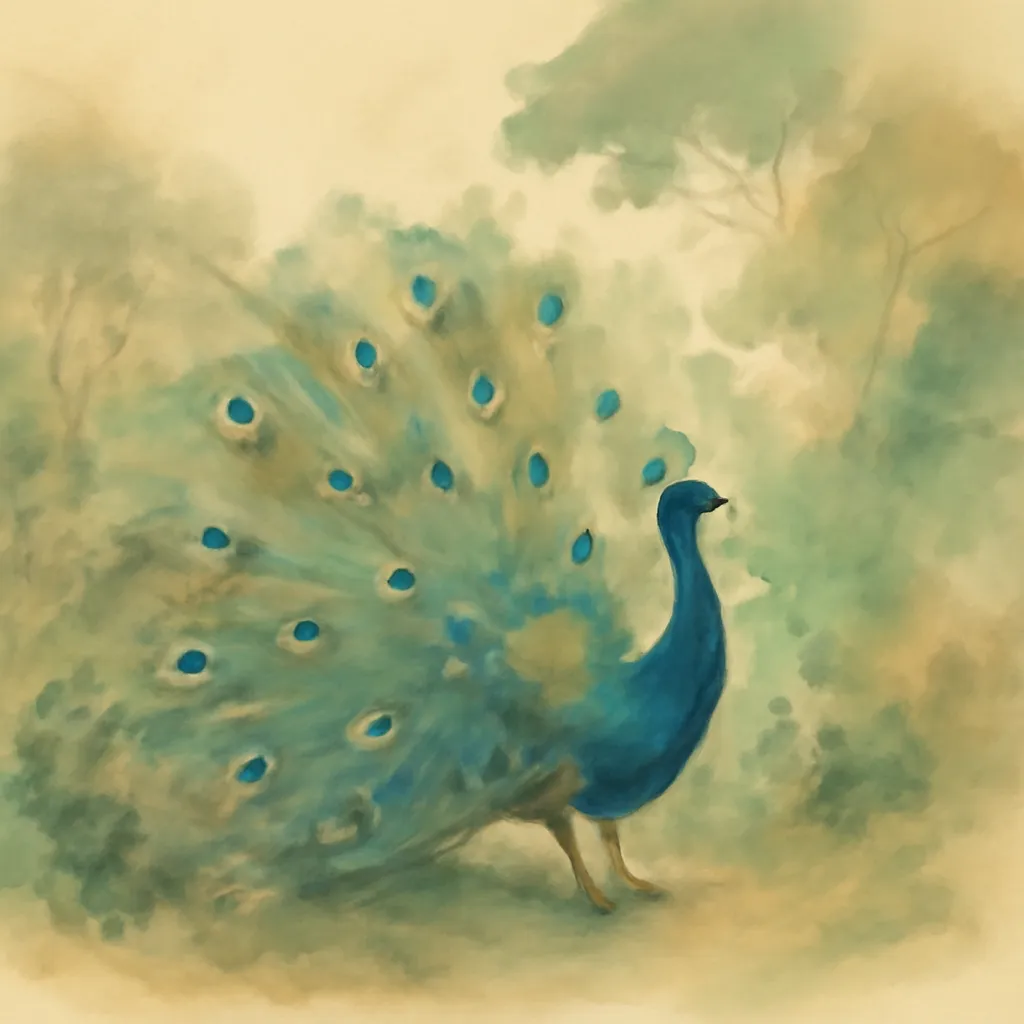
Diamond investigates how traits like art, music, and ornamentation may have evolved partly through sexual selection—traits that signal fitness to potential mates. He connects human creativity to evolutionary pressures, arguing that our drive for artistic expression is not just cultural but also biological, rooted in the same forces that shape peacock tails or bird songs.
4.Human Violence and Self-Destruction
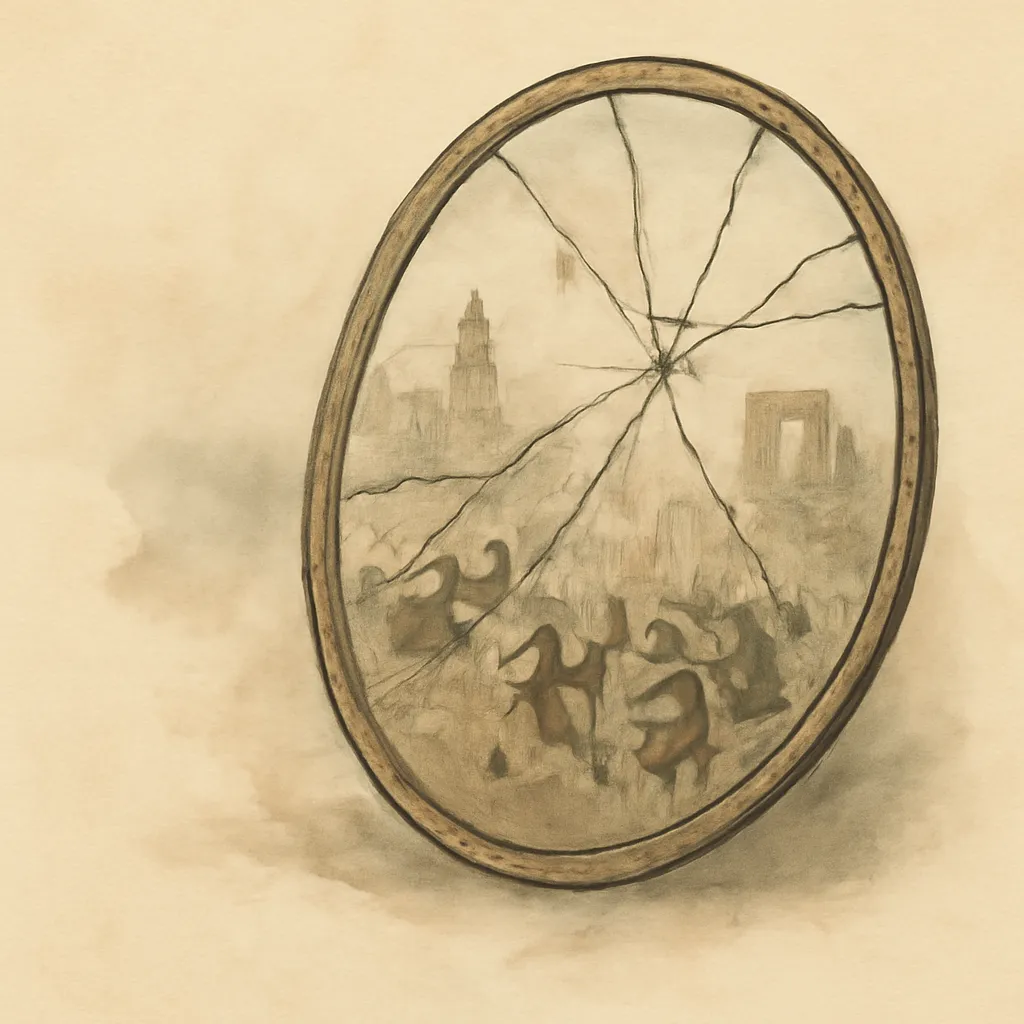
A sobering theme is humanity’s capacity for violence and self-destruction, which Diamond sees as an extension of behaviors found in other animals but amplified by our intelligence and technology. He examines genocide, environmental degradation, and the risk of nuclear annihilation as outcomes of our unique blend of intelligence and aggression—traits that have helped us dominate the planet but also threaten our survival.
5.Environmental Impact and Extinction
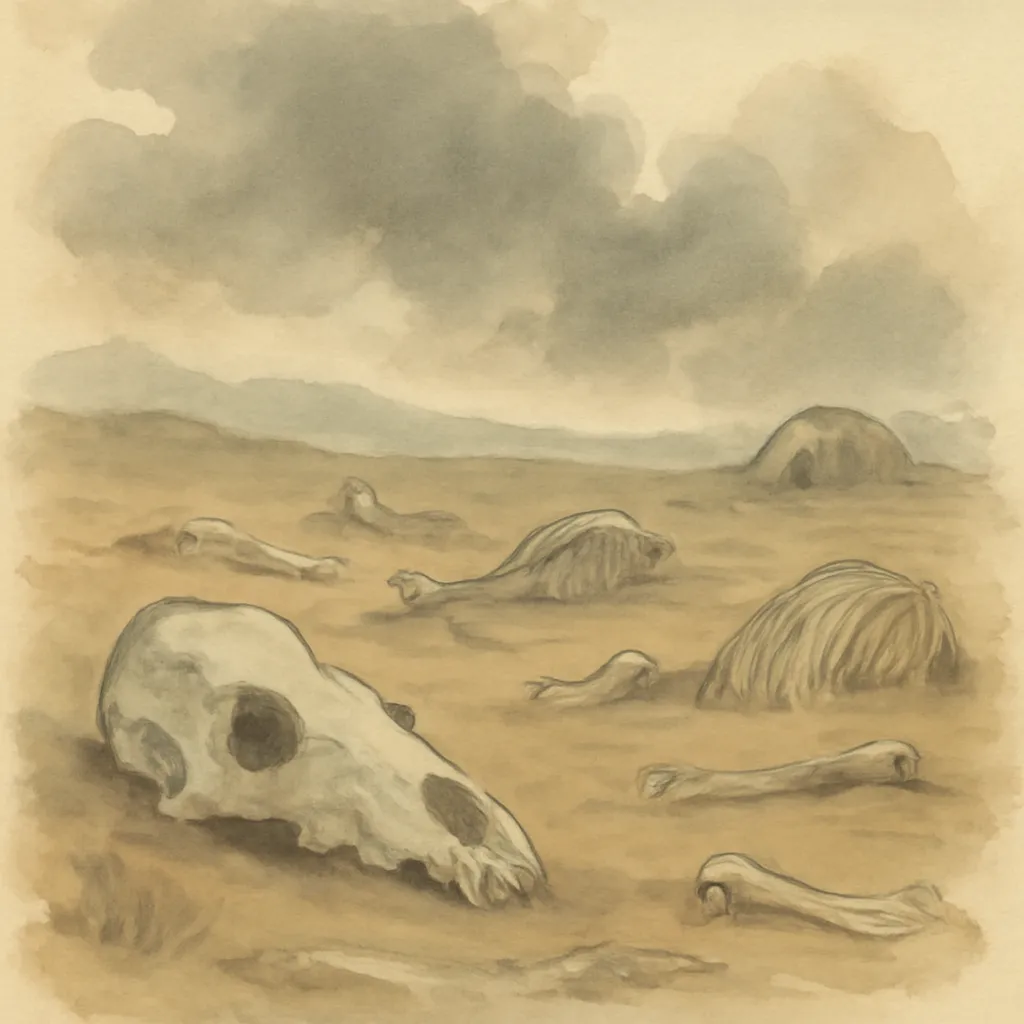
Diamond warns that the same evolutionary advantages that allowed humans to spread across the globe have also made us the planet’s most dangerous species. He discusses how human expansion has led to mass extinctions of other species, habitat destruction, and ecological crises, urging readers to recognize the long-term consequences of our actions.
6.What the Past Reveals About Our Future
The book closes by reflecting on what our evolutionary history can teach us about the choices we face today. Diamond suggests that understanding our animal origins and the evolutionary roots of our behaviors is essential for addressing contemporary challenges like environmental stewardship, war, and inequality. He calls for humility and self-awareness as we confront the dangers posed by our own success.