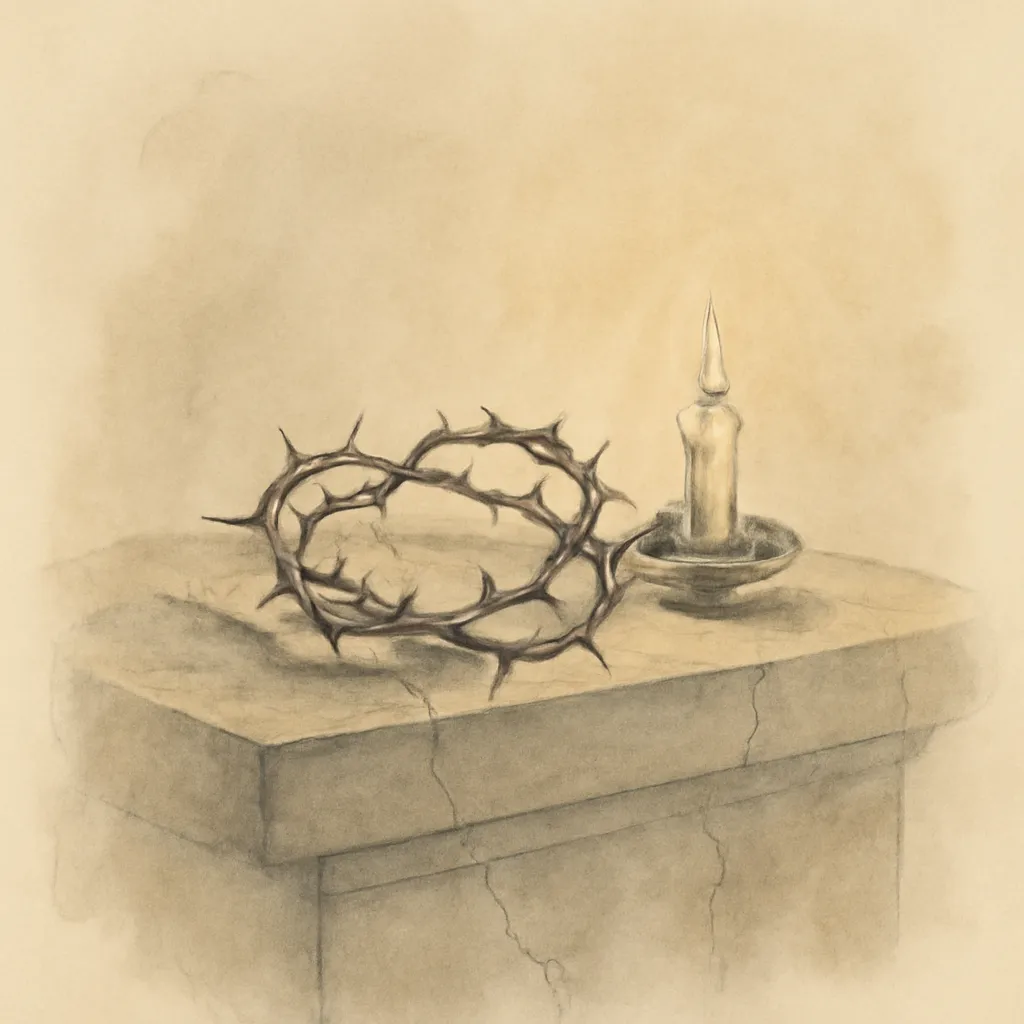
1.Forbidden Love and Sacrifice
At the heart of The Thorn Birds lies the intense, often heartbreaking relationship between Meggie Cleary and Father Ralph de Bricassart. Their love is both transformative and destructive, shaped by the constraints of religion, social expectation, and personal ambition. McCullough uses their story to explore how love can demand profound sacrifice, forcing individuals to choose between personal happiness and the obligations imposed by faith, family, and society. The novel asks whether true fulfillment can ever be achieved when love is forbidden, and what is lost when one surrenders to—or resists—such powerful emotions.
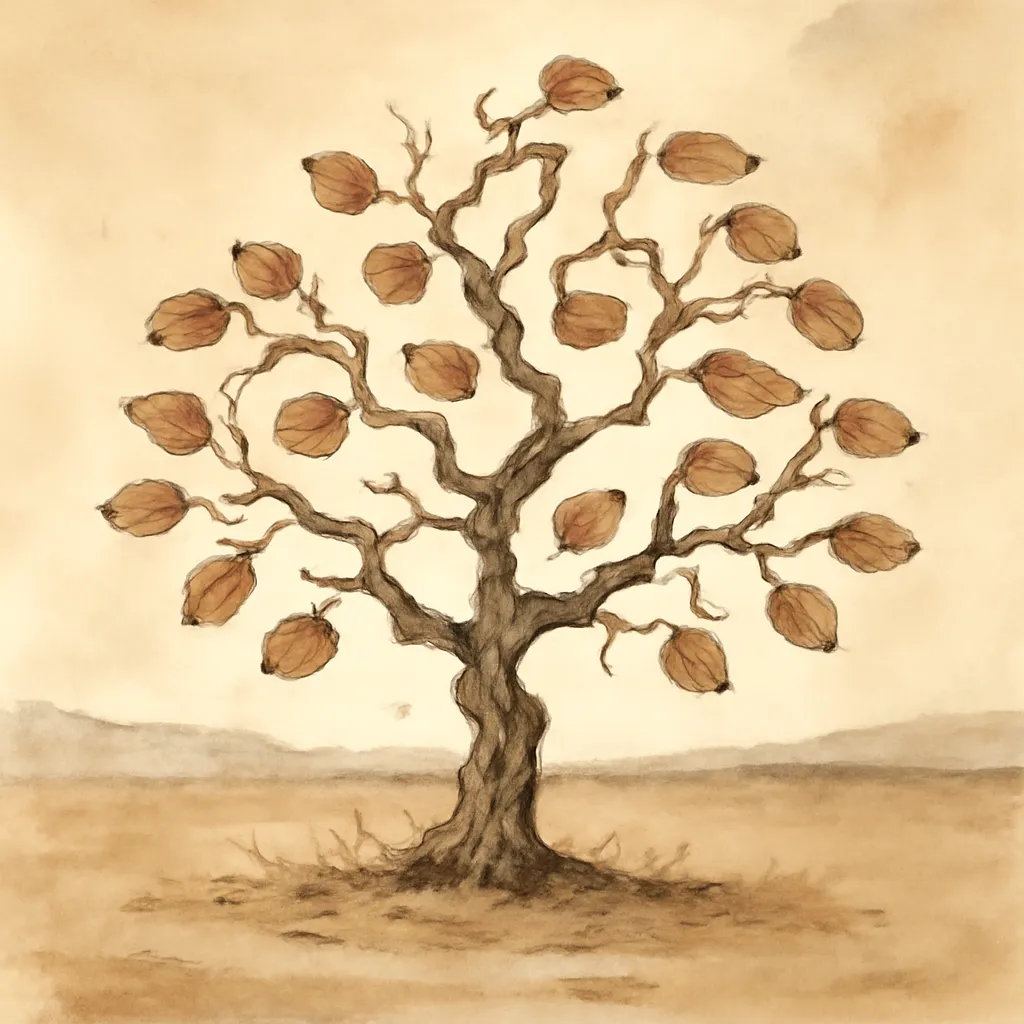
2.Family Legacy and Generational Cycles
Spanning over five decades, the novel traces the fortunes and misfortunes of the Cleary family, revealing how patterns of behavior, secrets, and unresolved desires echo from one generation to the next. McCullough deftly examines how family history shapes identity and destiny, suggesting that individuals are both products and prisoners of their lineage. The recurring themes of longing, disappointment, and resilience highlight the ways families both nurture and wound their members, making the Clearys’ saga both specific and universal.
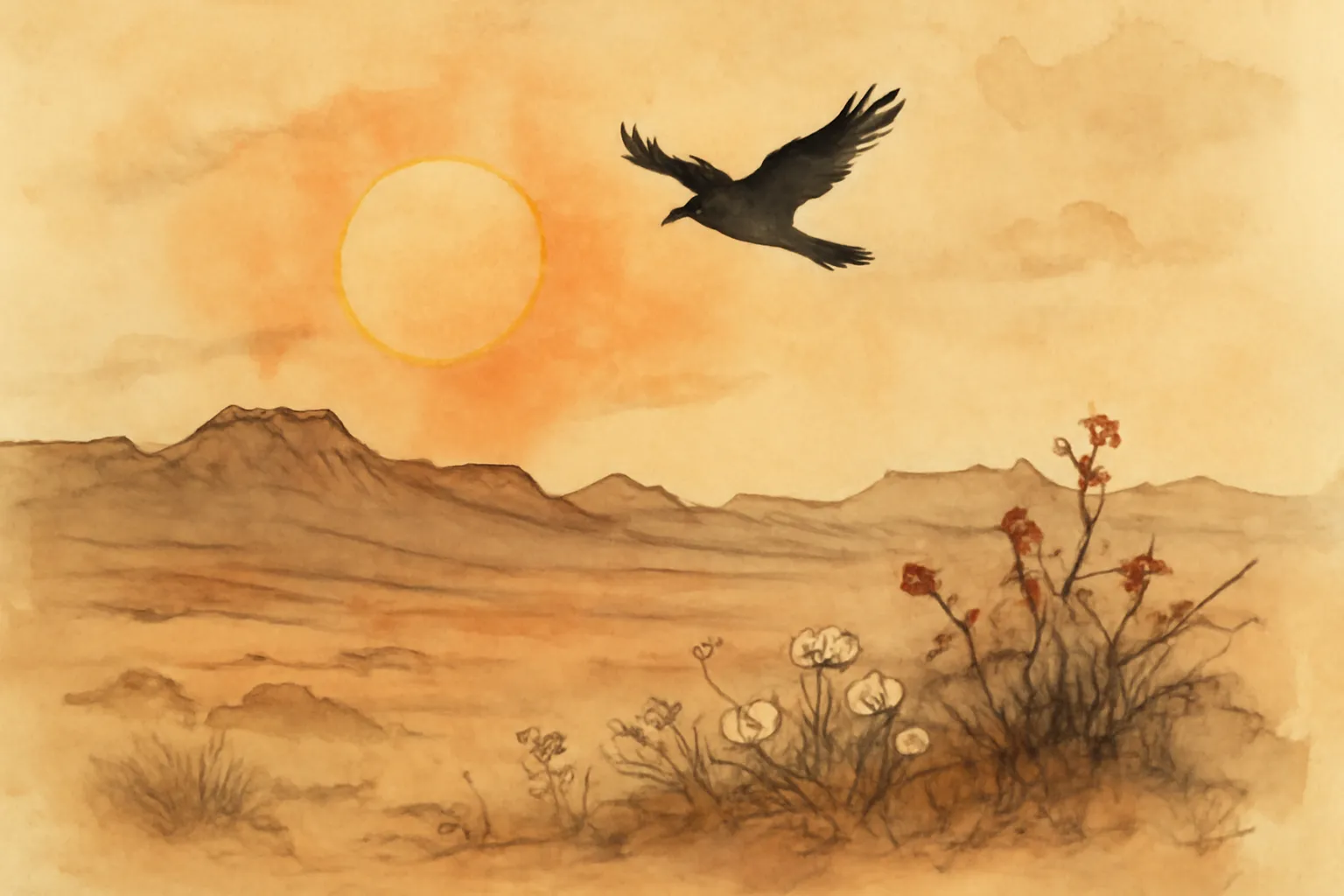
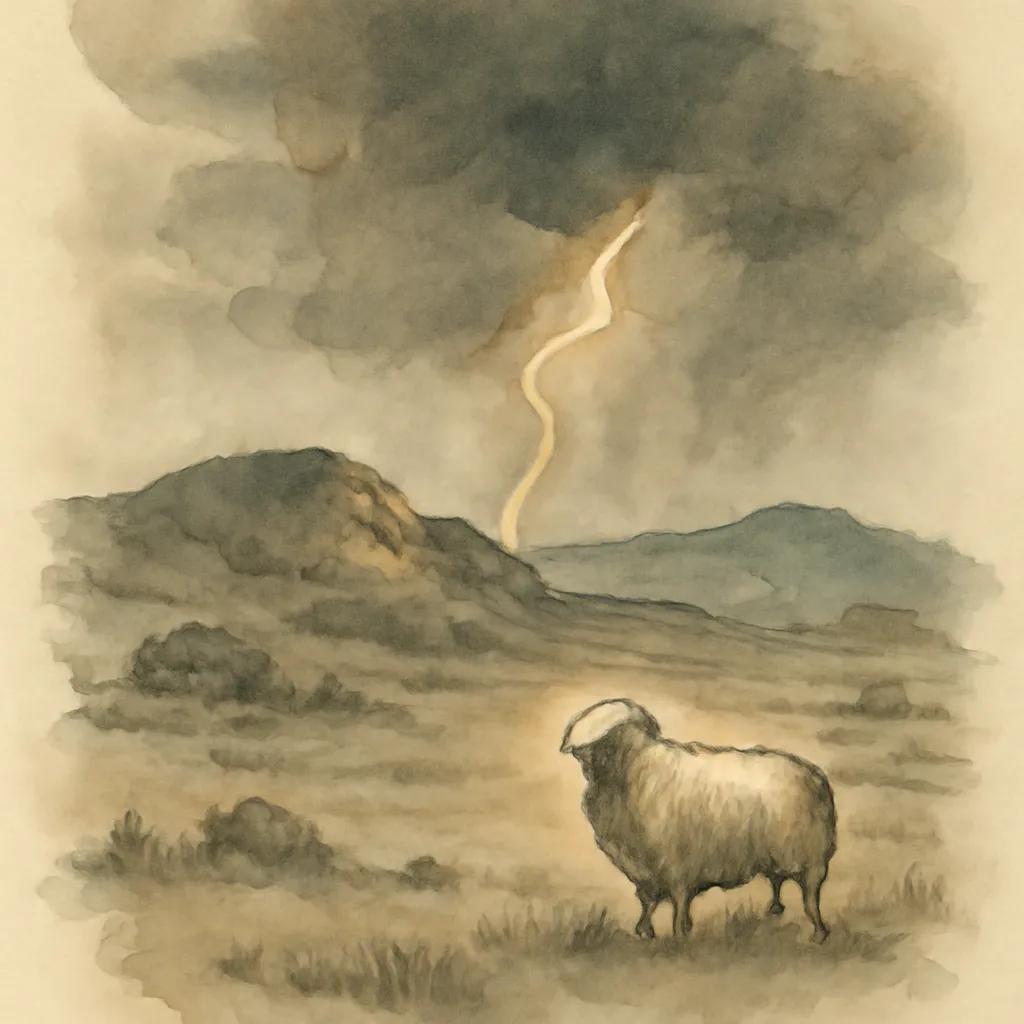
3.The Australian Outback as Character
Drogheda, the Cleary family's sheep station, is more than a backdrop; it is a living, breathing presence that shapes the characters’ lives. The harsh, beautiful, and unpredictable landscape mirrors the emotional turbulence of the family, demanding endurance and adaptability. McCullough’s vivid descriptions of drought, fire, and flood evoke the outback’s capacity for both bounty and devastation, reinforcing the theme that nature, like fate, is indifferent to human suffering or desire.
4.Religion, Power, and Ambition
The Church, embodied in Father Ralph, exerts a powerful influence over the characters’ lives. Ralph’s internal conflict between his spiritual calling and earthly love for Meggie serves as a meditation on the nature of ambition and the costs of power. McCullough critiques the institution’s rigidity and the personal compromises required to ascend within it, while also acknowledging the solace and structure religion can provide. The novel probes the tension between spiritual ideals and human needs, asking whether true faith can coexist with personal ambition.
5.Gender Roles and Female Agency
Through Meggie’s journey from girlhood to womanhood, The Thorn Birds interrogates the limitations and expectations placed on women in early- to mid-20th-century Australia. Meggie’s struggle for autonomy—over her body, her choices, and her destiny—reflects broader questions about gender, power, and self-determination. McCullough gives her female characters depth and complexity, showing both their vulnerability and their capacity for resilience and rebellion.
6.The Cost of Desire and the Pursuit of Happiness
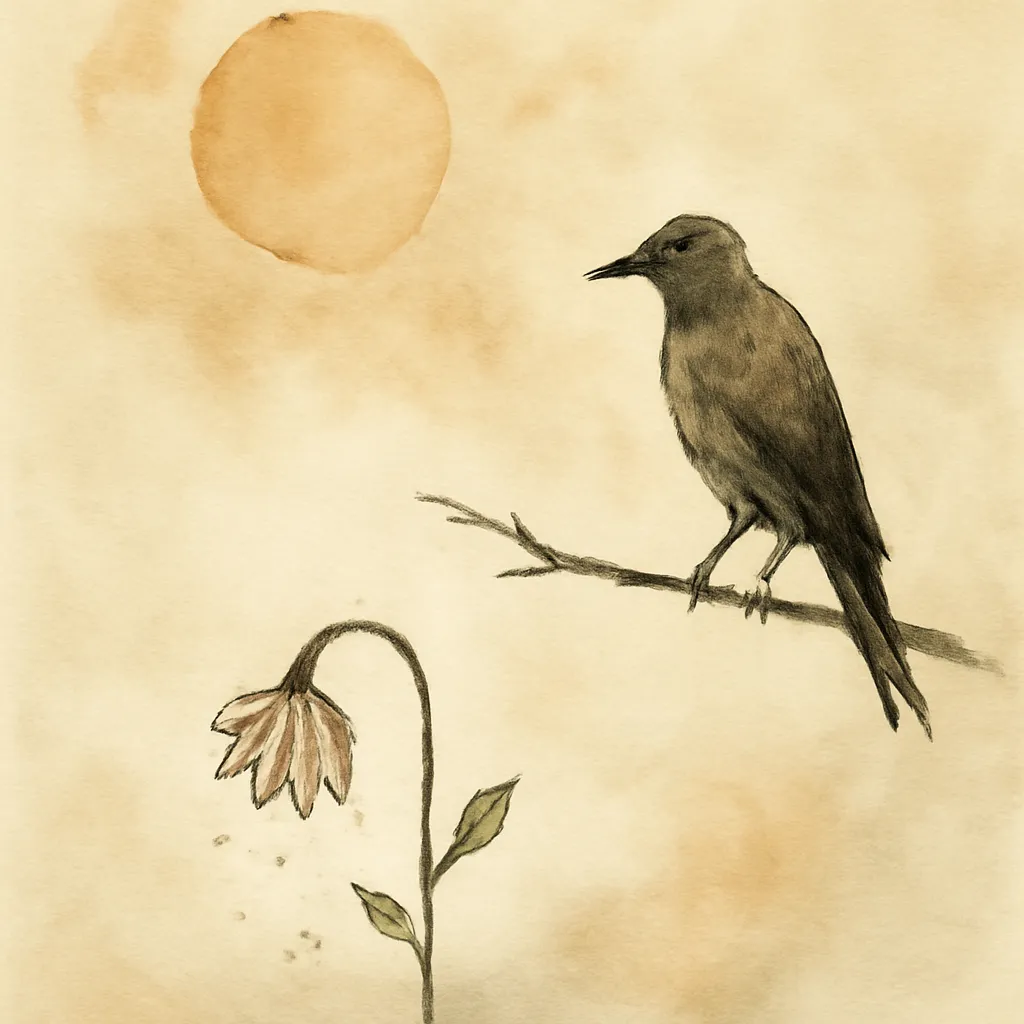
Desire, in its many forms—romantic, material, spiritual—drives the novel’s characters, but fulfillment is elusive. The Thorn Birds suggests that the pursuit of happiness often entails pain, loss, and compromise. The title itself, referencing a mythical bird that impales itself on a thorn for the sake of song, encapsulates the paradox that the greatest beauty or joy may come at the highest price. The novel invites readers to reflect on what they are willing to sacrifice for love, ambition, or family.