1.The Power of Brotherhood
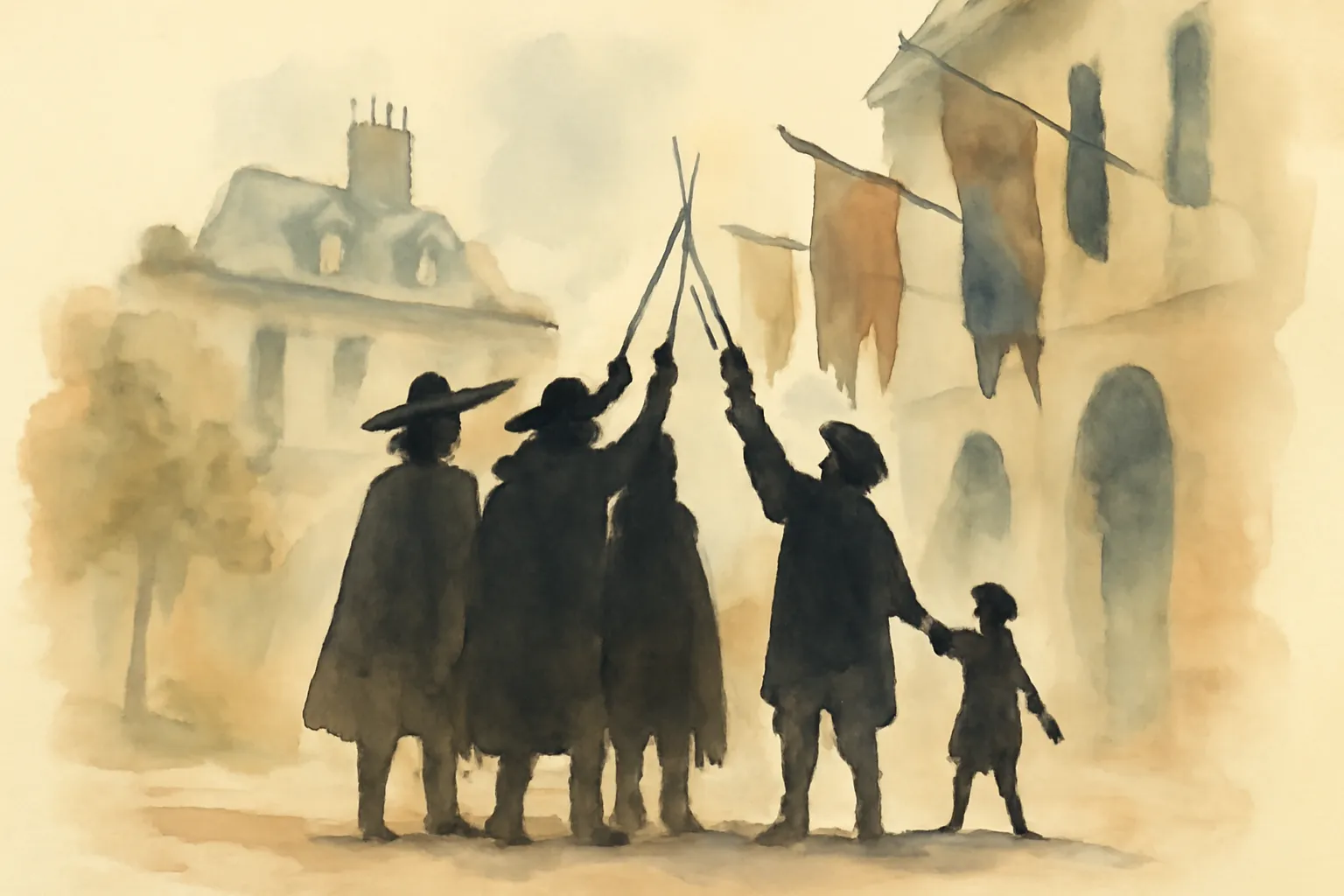
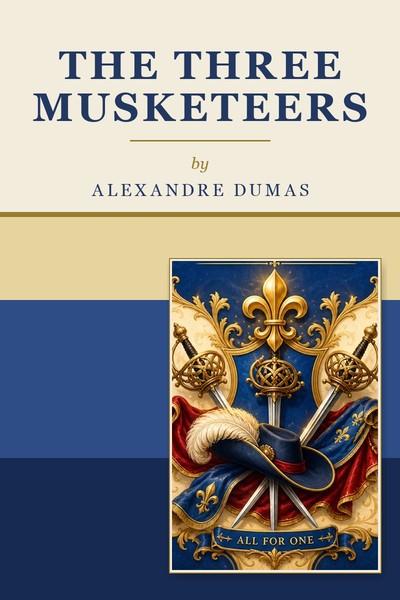
At its heart, the novel celebrates the deep bonds of friendship among d’Artagnan and the three musketeers—Athos, Porthos, and Aramis. Their motto, 'All for one, and one for all,' is more than a rallying cry; it represents a commitment to mutual loyalty and sacrifice. The story explores how true camaraderie can overcome personal flaws and external threats, suggesting that unity and trust are essential for navigating a world rife with deception and danger.
2.Honor Versus Ambition
Characters in The Three Musketeers are constantly torn between personal ambition and a code of honor. D’Artagnan’s rise from provincial outsider to respected musketeer is marked by his struggle to balance self-interest with the ideals of chivalry. The novel interrogates what it means to act honorably in a corrupt society, raising questions about the costs and rewards of integrity.
3.The Intrigue of Power
Dumas crafts a world where political machinations shape every aspect of life. The rivalry between Cardinal Richelieu and Queen Anne, and the maneuverings of Milady de Winter, show how personal vendettas and state politics intertwine. The novel exposes the dangers and allure of power, illustrating how individuals can be both pawns and players in larger schemes.
4.Romance and Betrayal
Romantic entanglements drive much of the plot, from d’Artagnan’s infatuation with Constance Bonacieux to the seductive manipulations of Milady. Love is depicted as both a source of inspiration and vulnerability, often leading to betrayal or tragedy. Through these relationships, Dumas examines the unpredictable and sometimes destructive force of passion.
5.Identity and Disguise
Disguises, secret identities, and hidden motives abound in the novel. Characters frequently adopt false personas to achieve their aims or protect themselves, highlighting the fluidity of identity in a treacherous world. This motif underscores the difficulty of discerning truth from appearance, both in politics and personal relationships.
6.The Allure of Adventure
The Three Musketeers is renowned for its fast-paced action—duels, chases, and daring rescues abound. Dumas uses these adventures not just for excitement, but to test his characters’ virtues and resolve. The narrative suggests that adventure is both a crucible for character and a means of escaping the constraints of ordinary life.