1.Ritual as a Lens on Masculinity
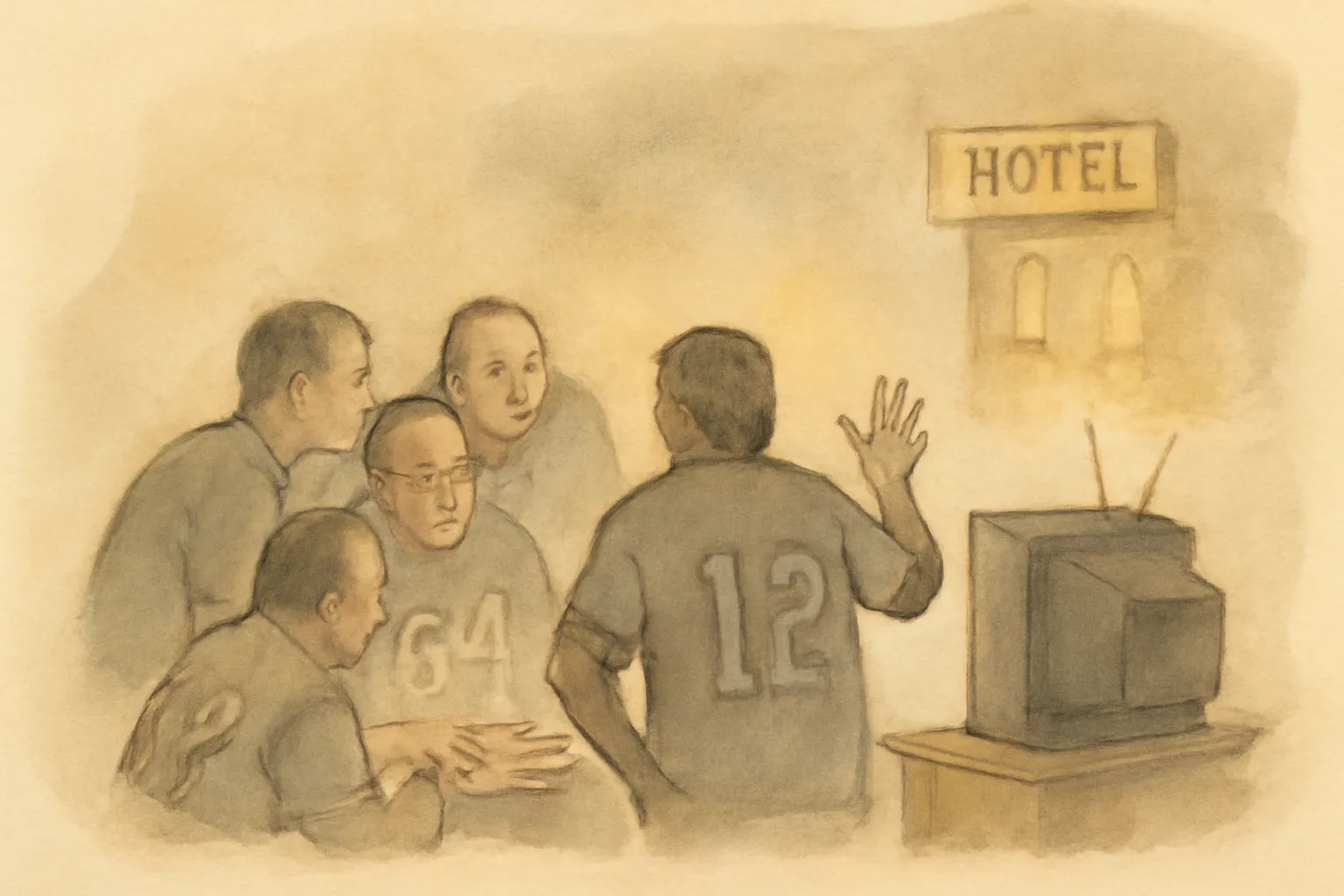
The novel centers on a group of men who annually reenact the infamous 1985 play in which Joe Theismann suffered a career-ending injury. This ritual, both absurd and deeply meaningful, serves as a microcosm for examining contemporary masculinity. Through the men's anxieties, competitiveness, and camaraderie, Bachelder explores how rituals provide structure and meaning, especially in lives otherwise marked by uncertainty and change. The event becomes a safe space for expressing vulnerability, nostalgia, and the longing for connection.
2.The Comedy of Ordinary Lives
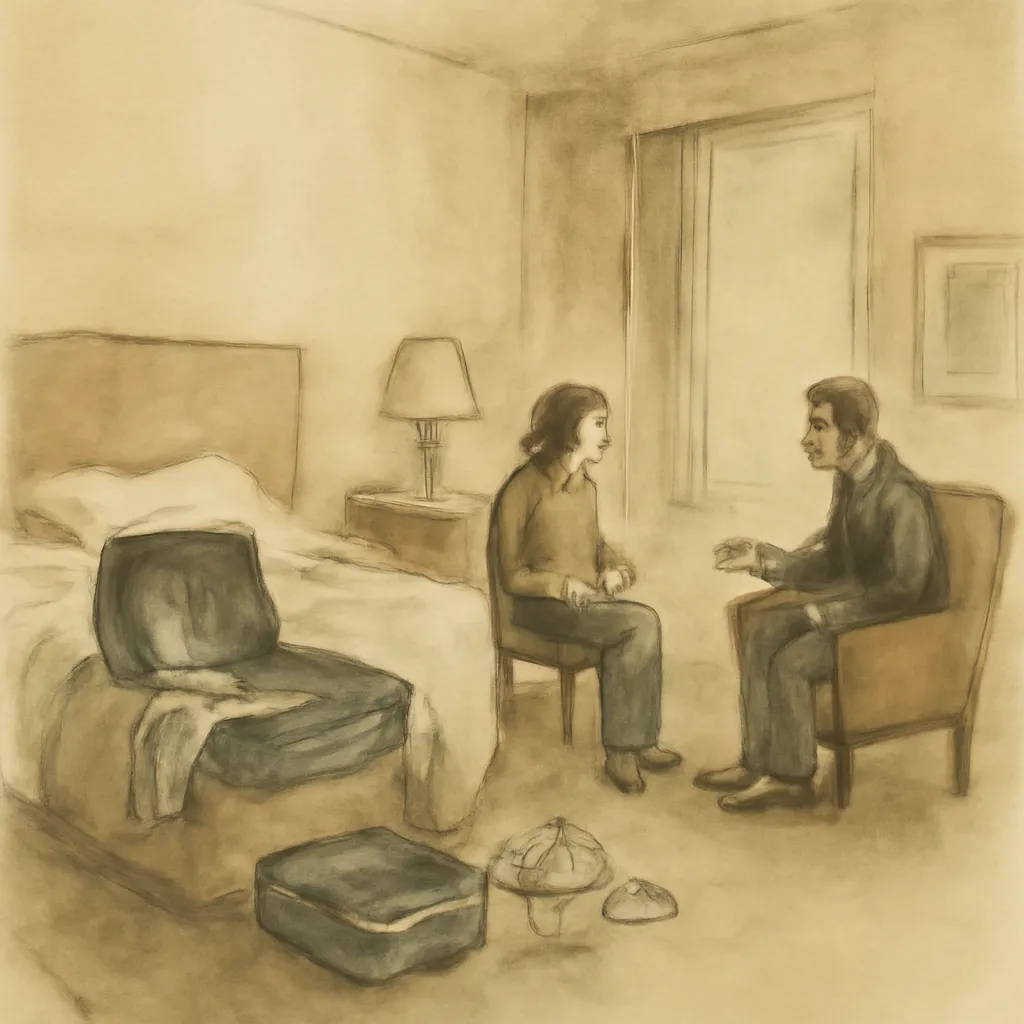
Bachelder’s humor is rooted in the mundane: awkward hotel room conversations, failed small talk, and the self-consciousness that haunts his characters. The novel finds comedy in the minutiae of everyday life, using the football reenactment as a backdrop for the men’s insecurities and hopes. This gentle, observational wit brings levity to the story while highlighting the universal absurdities of adulthood.
3.Aging and Nostalgia
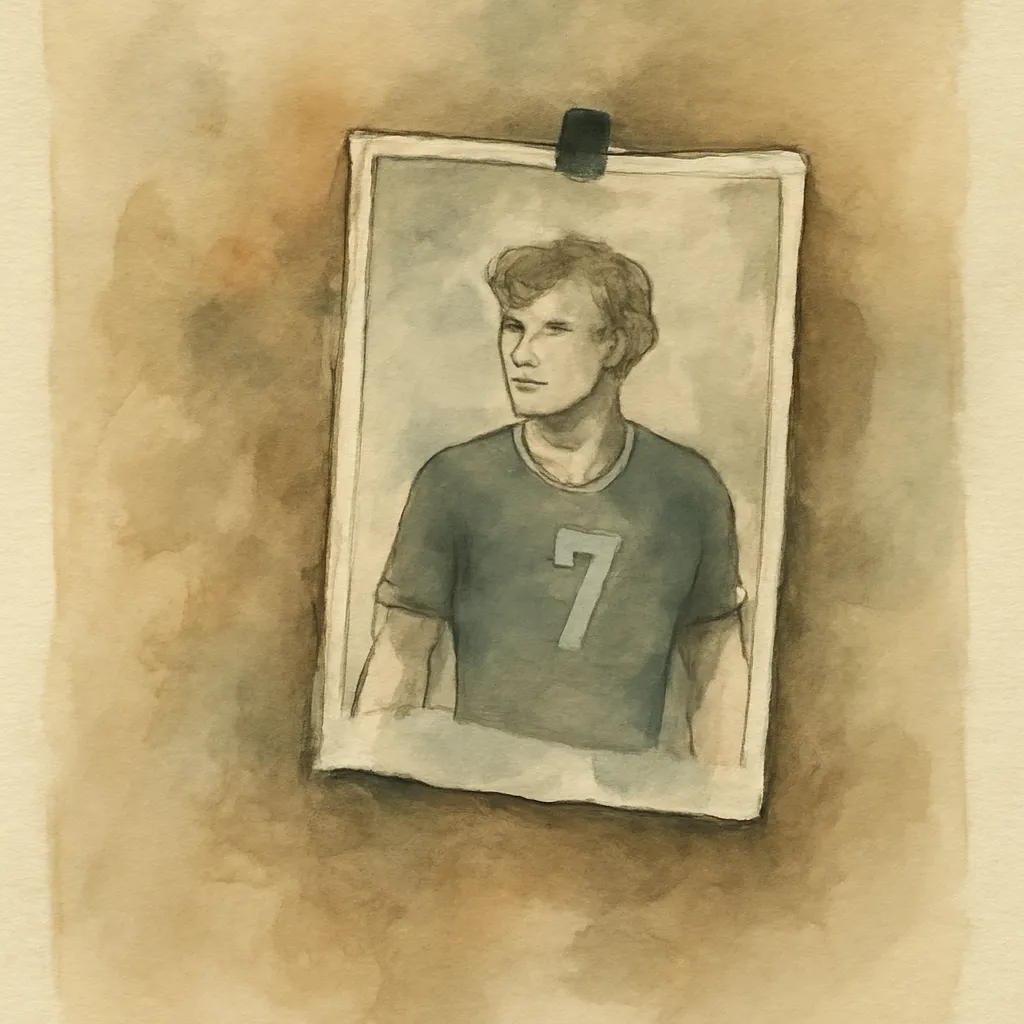
The annual reenactment is as much about reliving the past as it is about football. The men, many of whom are grappling with midlife disappointments, use the event to reconnect with their younger selves and with each other. The play becomes a symbol of lost youth, missed opportunities, and the desire to reclaim a sense of purpose. Bachelder deftly captures the bittersweet nature of nostalgia, showing how it can both comfort and confine.
4.Group Dynamics and Individual Isolation
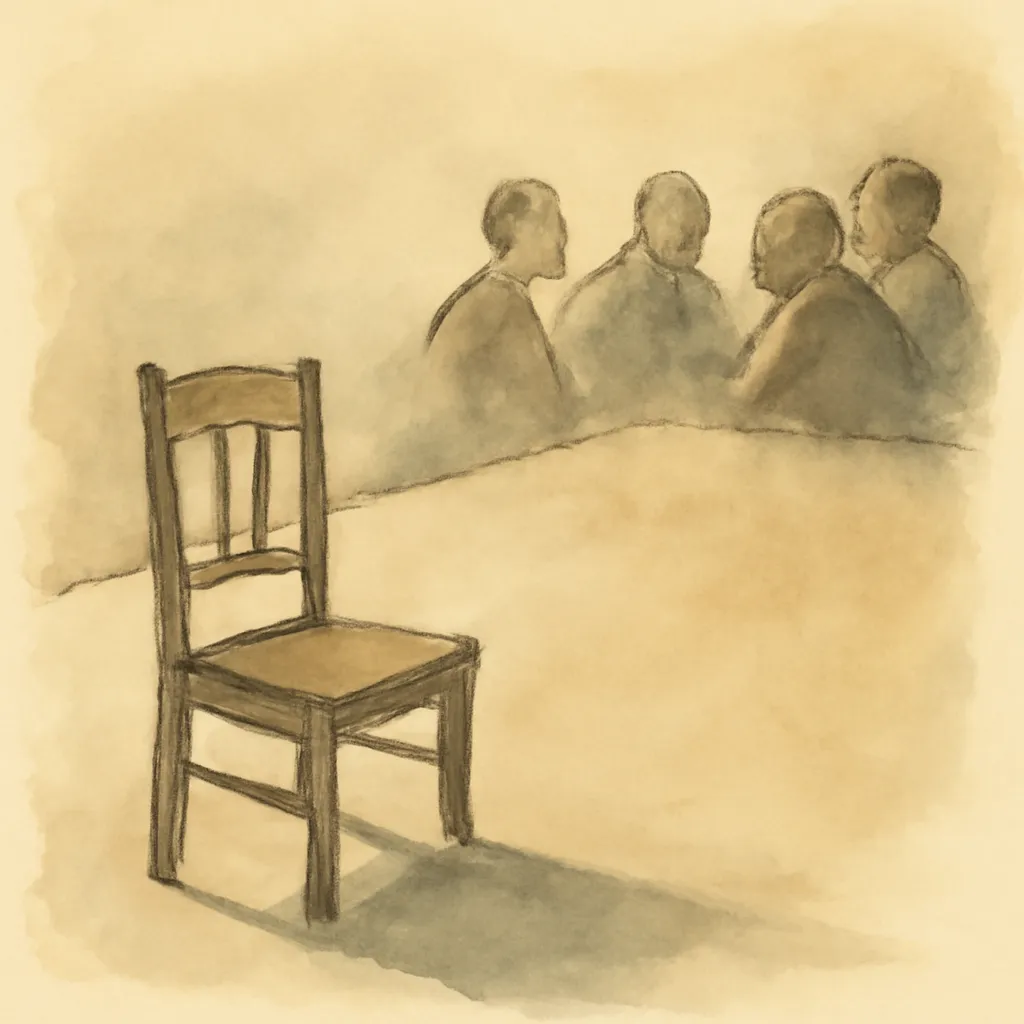
Despite the group setting, each man is isolated by his own anxieties and private struggles. Bachelder uses shifting perspectives to reveal the inner lives of the participants, highlighting the difficulty of genuine communication even among friends. The novel suggests that while rituals can foster community, they can also mask deeper loneliness and the fear of not belonging.
5.The Power and Limits of Empathy
Throughout the weekend, the men share stories, confessions, and awkward silences. Bachelder explores the ways in which empathy is both sought and withheld, as the characters navigate their vulnerabilities. The novel asks whether true understanding is possible, or if people are ultimately alone in their experiences. Yet, moments of connection—however fleeting—offer hope and resonance.
6.Sports as Metaphor
The reenactment of Theismann’s injury is more than a tribute to a famous sports moment; it becomes a metaphor for the risks, failures, and unexpected turns of life. Bachelder uses football not just as subject matter, but as a language for exploring pain, resilience, and the passage of time. The play’s violence and spectacle contrast with the quiet desperation of the men’s lives, underscoring the gulf between public heroics and private struggles.