1.Love Beyond Linear Time
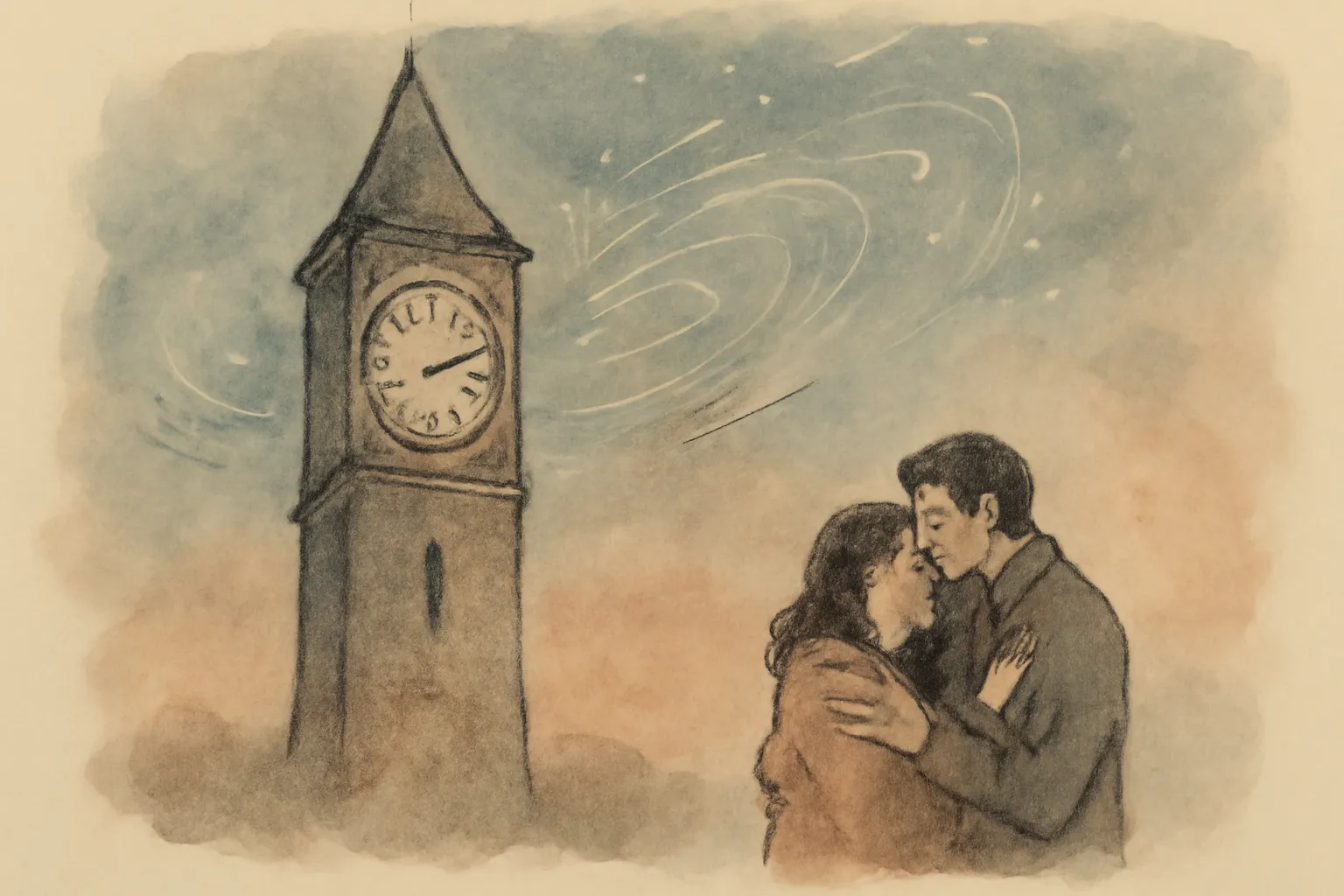
At its core, the novel explores a relationship unbound by chronological order. Henry's involuntary time travel means that Clare and Henry meet and fall in love out of sync with each other's personal timelines. This structure forces both characters—and readers—to question what it means to truly know and love someone whose life is not parallel to your own. The book asks if love can persist when memories and experiences are not shared in real time, and it explores the emotional costs of such a relationship.
2.Fate Versus Free Will
The narrative repeatedly raises questions about destiny and agency. Henry is pulled to moments of emotional significance, suggesting a universe governed by fate, but both he and Clare struggle to assert control over their lives. The tension between what is predetermined and what can be changed is a central conflict, inviting readers to reflect on how much of our lives are shaped by choice versus circumstance.
3.The Burden of Waiting
Clare's experience is marked by long periods of waiting—sometimes for Henry's return, sometimes for their future together. The novel delves into the emotional toll of waiting, longing, and uncertainty. It examines the resilience required to love someone whose presence is unreliable, and how that shapes one's identity and expectations.
4.The Fragility of Life and Loss
Mortality and loss are ever-present themes. Henry's time travel exposes him—and Clare—to the inevitability of loss, both sudden and anticipated. The novel does not shy away from the pain of loving someone you know you will lose, nor from the small, everyday griefs that accumulate in any long-term relationship. This gives the love story a bittersweet, realistic edge.
5.Memory and Identity
Because Henry's life is a patchwork of moments, his sense of self is fragmented. The novel explores how memory shapes identity, and how relationships are built not just on shared experiences, but on the stories we tell ourselves and each other. The structure of the book itself, shifting between perspectives and times, mirrors this theme.
6.The Ordinary Made Extraordinary
Despite its fantastical premise, the novel is grounded in the details of everyday life—work, family, art, and friendship. Niffenegger uses the science fiction element not to escape reality, but to heighten the emotional stakes of ordinary experiences, making the familiar feel profound.