1.Numbers as a Universal Human Invention
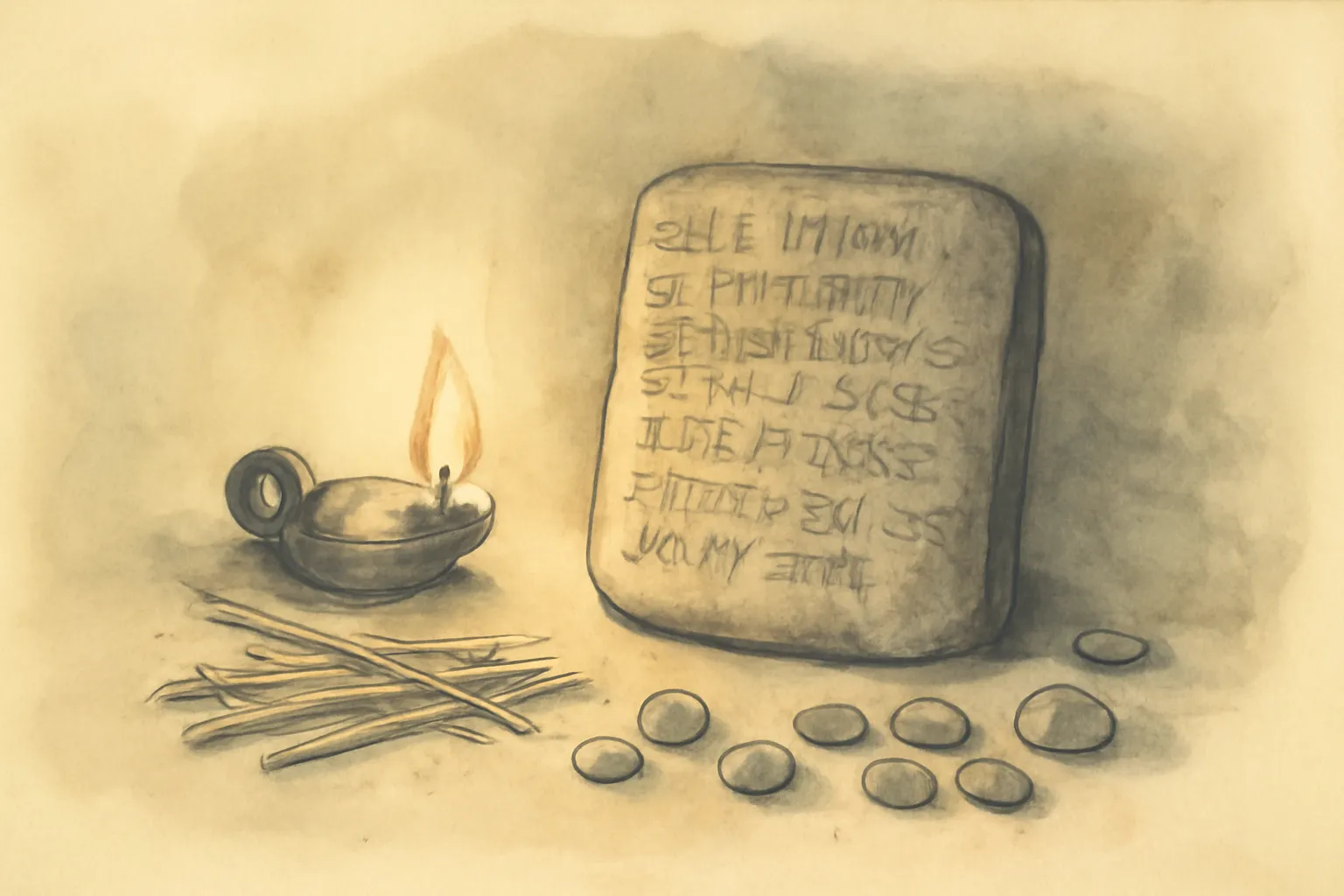
Ifrah demonstrates that the need to count and record quantities is a universal aspect of human society, emerging independently in cultures across the globe. From tally marks on bones to sophisticated written numerals, the book shows how counting systems reflect the practical needs and worldviews of their creators. This universality underscores numbers as a fundamental tool for survival, organization, and communication, not merely an abstract concept for mathematicians.
2.Diversity of Numerical Systems
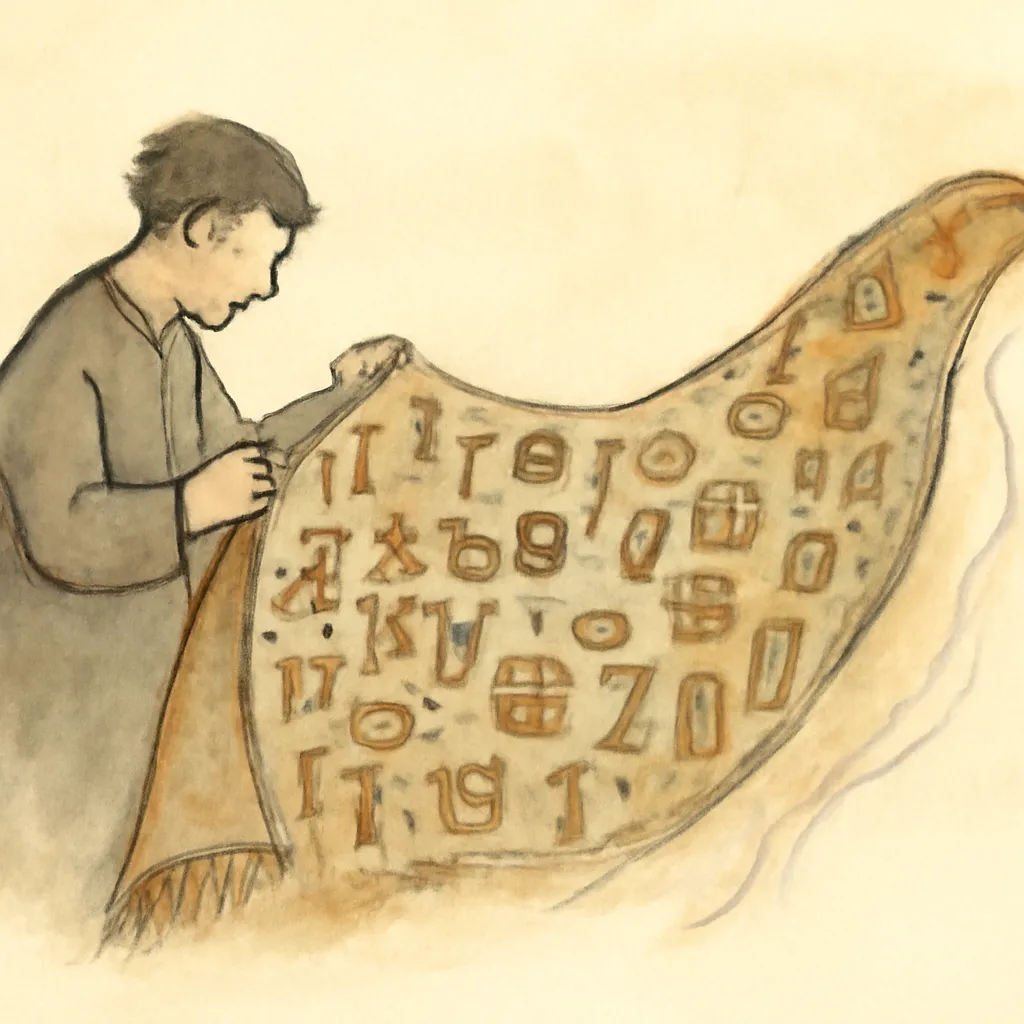
One of the book’s core revelations is the sheer diversity of number systems—base-10, base-20, base-60, and more—developed by different civilizations. Ifrah explores the origins and logic behind Egyptian hieroglyphs, Roman numerals, Mayan vigesimal numbers, and the knotted strings of the Inca. This diversity is not just technical trivia; it illustrates how deeply culture, language, and environment influence the way people conceptualize and use numbers.
3.The Invention of Zero
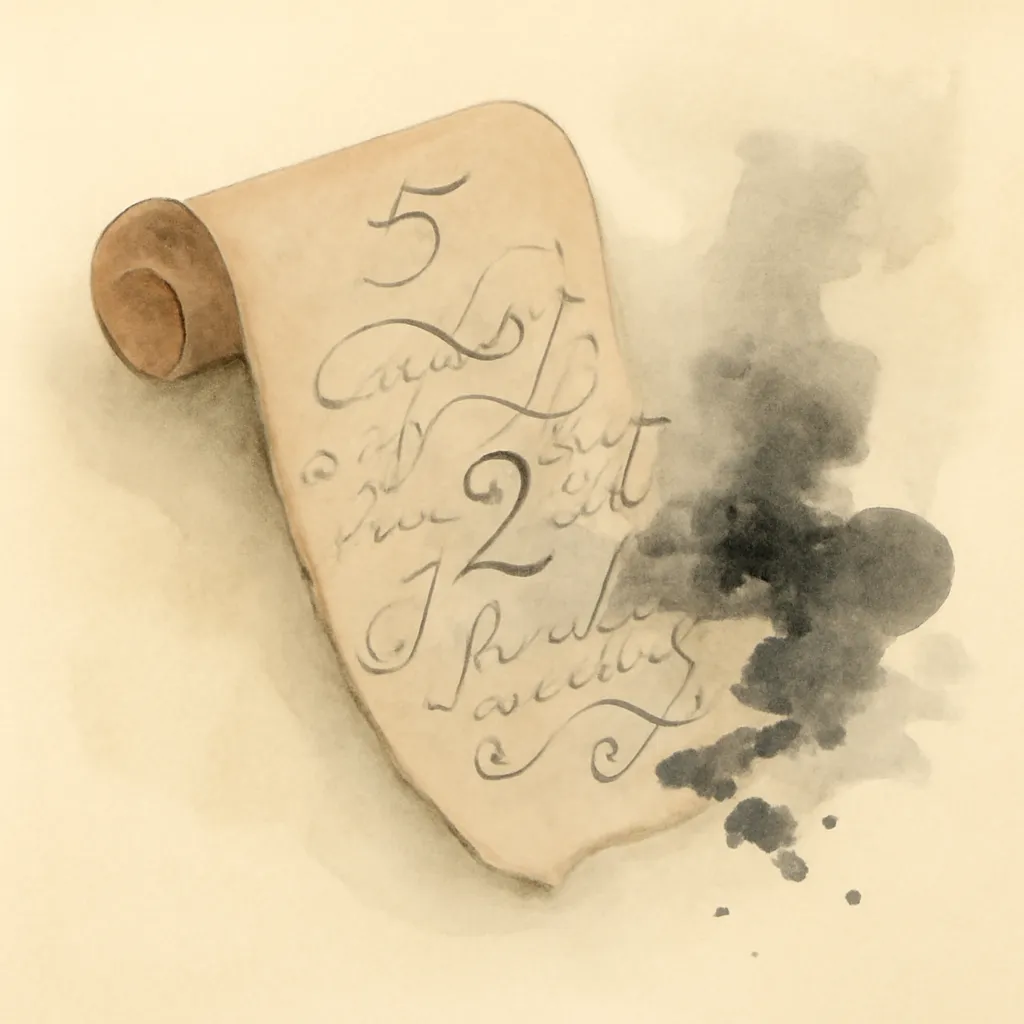
Ifrah gives special attention to the invention and spread of zero, a concept that revolutionized mathematics and computation. Tracing its origins from ancient India to its adoption in the Islamic world and eventually Europe, he explains how zero was not merely a symbol but a profound conceptual leap—enabling positional notation, advanced calculation, and the very possibility of modern mathematics.
4.Numbers and Written Language
The book explores the interplay between the development of written language and numerical notation. Ifrah shows how writing systems and numerals often evolved together, each influencing the other’s form and function. This relationship helped societies record transactions, codify laws, and transmit knowledge across generations, cementing the role of numbers in administration and culture.
5.Mathematics as a Cultural Bridge
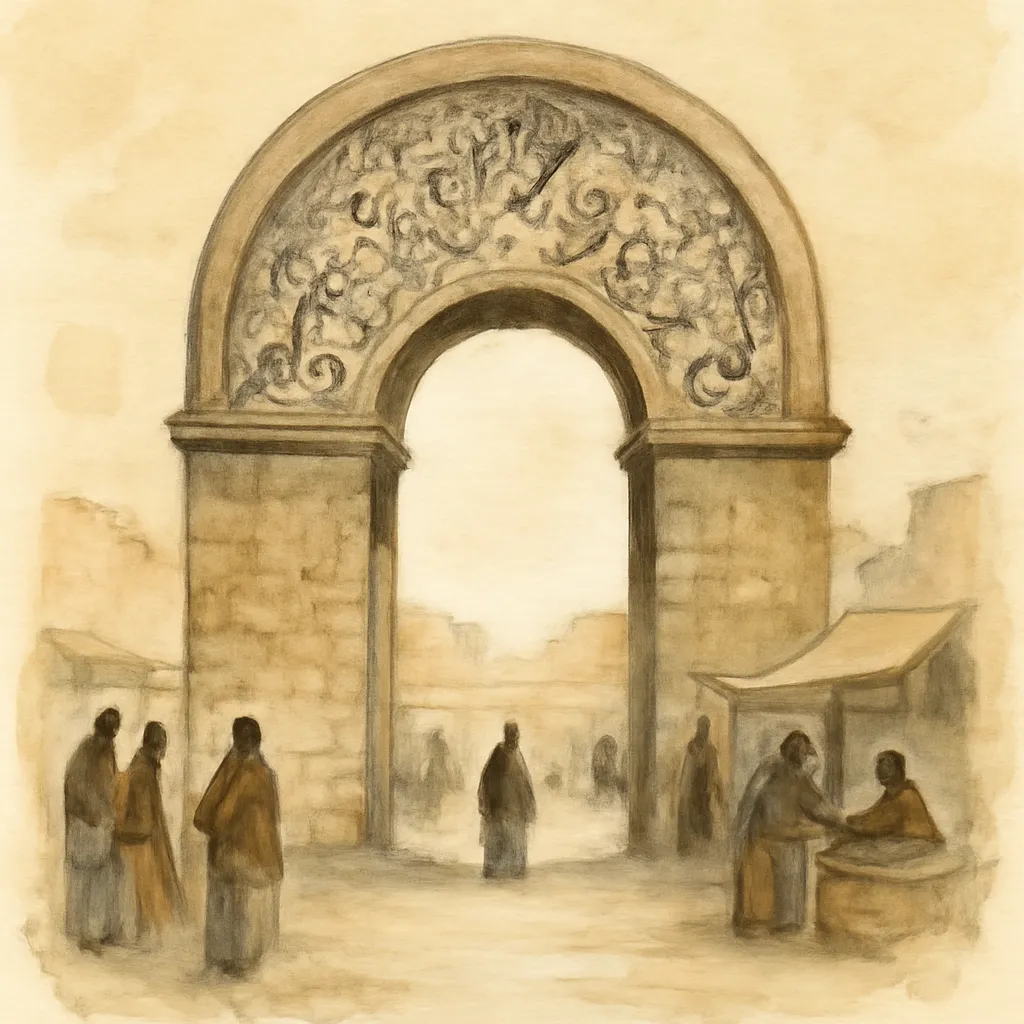
Ifrah highlights how the exchange of numerical ideas—through trade, conquest, and scholarship—has bridged cultures and advanced civilization. The transmission of the Hindu-Arabic numeral system, for example, is presented as a story of intellectual cross-pollination that ultimately enabled the scientific and technological revolutions of the modern era.
6.Numbers Beyond Calculation
The book also delves into the symbolic, mystical, and philosophical meanings attributed to numbers in various societies. From numerology to religious symbolism, Ifrah reveals that numbers have always been more than tools—they are woven into myth, ritual, and identity, reflecting humanity’s search for order and meaning.