1.Mathematics as a Universal Language
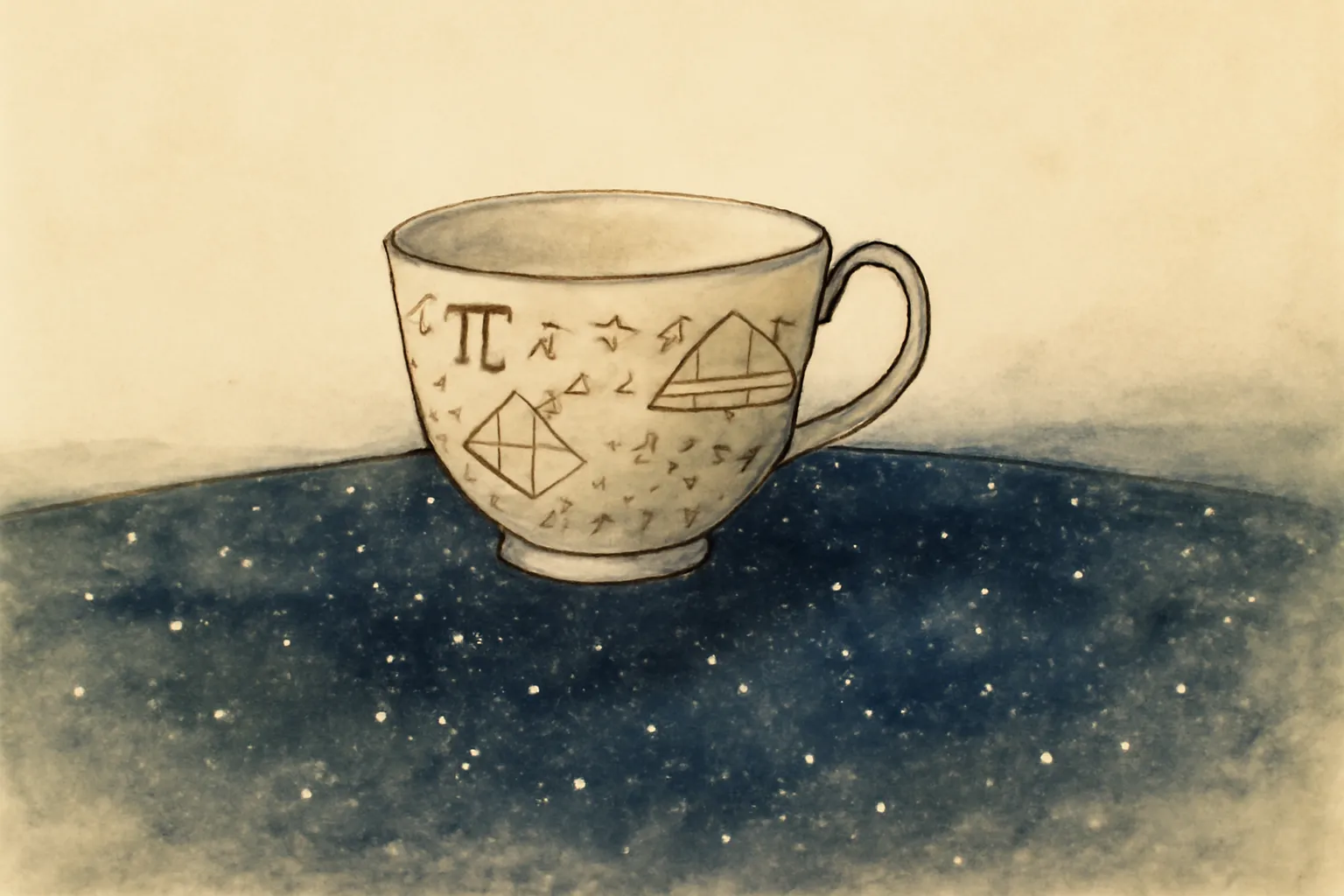
Cole argues that mathematics is not just a tool for scientists but a universal language that helps us make sense of reality. She illustrates how math underpins our understanding of both the vast universe and the minutiae of daily life, bridging the gap between the abstract and the tangible. By framing math as a way to see patterns and relationships, she makes the subject accessible and relevant, showing that it’s an essential part of human culture and thought.
2.The Power and Pitfalls of Numbers
The book explores how numbers can clarify truth but also mislead. Cole uses real-world examples, like the O. J. Simpson trial, to show how statistical reasoning can be misunderstood or manipulated. She emphasizes the importance of context and critical thinking when interpreting data, warning that numbers alone do not guarantee objectivity or fairness. This idea is especially relevant in an era saturated with statistics and probabilities.
3.Beauty and Creativity in Mathematics
Cole passionately argues that mathematics is not just logical but also beautiful and creative. She highlights figures like Emmy Noether, whose abstract work had profound implications for physics, to demonstrate that mathematical thinking is as imaginative as any art form. The book invites readers to appreciate the elegance of mathematical ideas and the joy that comes from uncovering hidden symmetries and patterns.
4.Mathematics and Social Justice
Through examples such as the Lani Guinier affair, Cole shows how mathematical thinking can illuminate social issues, particularly in areas like voting rights and fairness. She discusses how mathematical models can expose biases and suggest more equitable solutions, but also cautions that math must be used thoughtfully, with awareness of its limitations and the values embedded in its application.
5.Breaking the 'Mind Barrier'
A recurring theme is that math is often perceived as inaccessible, but Cole insists this is a cultural, not an inherent, barrier. She uses vivid metaphors and stories to break down complex ideas, encouraging readers to see themselves as capable of mathematical thought. By making math less intimidating, she hopes to empower more people to engage with the world analytically and creatively.
6.The Interconnectedness of Science and Everyday Life
Cole draws connections between the grandest scientific theories and the smallest details of daily living, showing that mathematics is the thread that ties them together. Whether discussing the structure of the cosmos or the odds in a simple game, she demonstrates that mathematical thinking enriches our understanding of both the universe and our place within it.