1.The Shape and Structure of the Universe
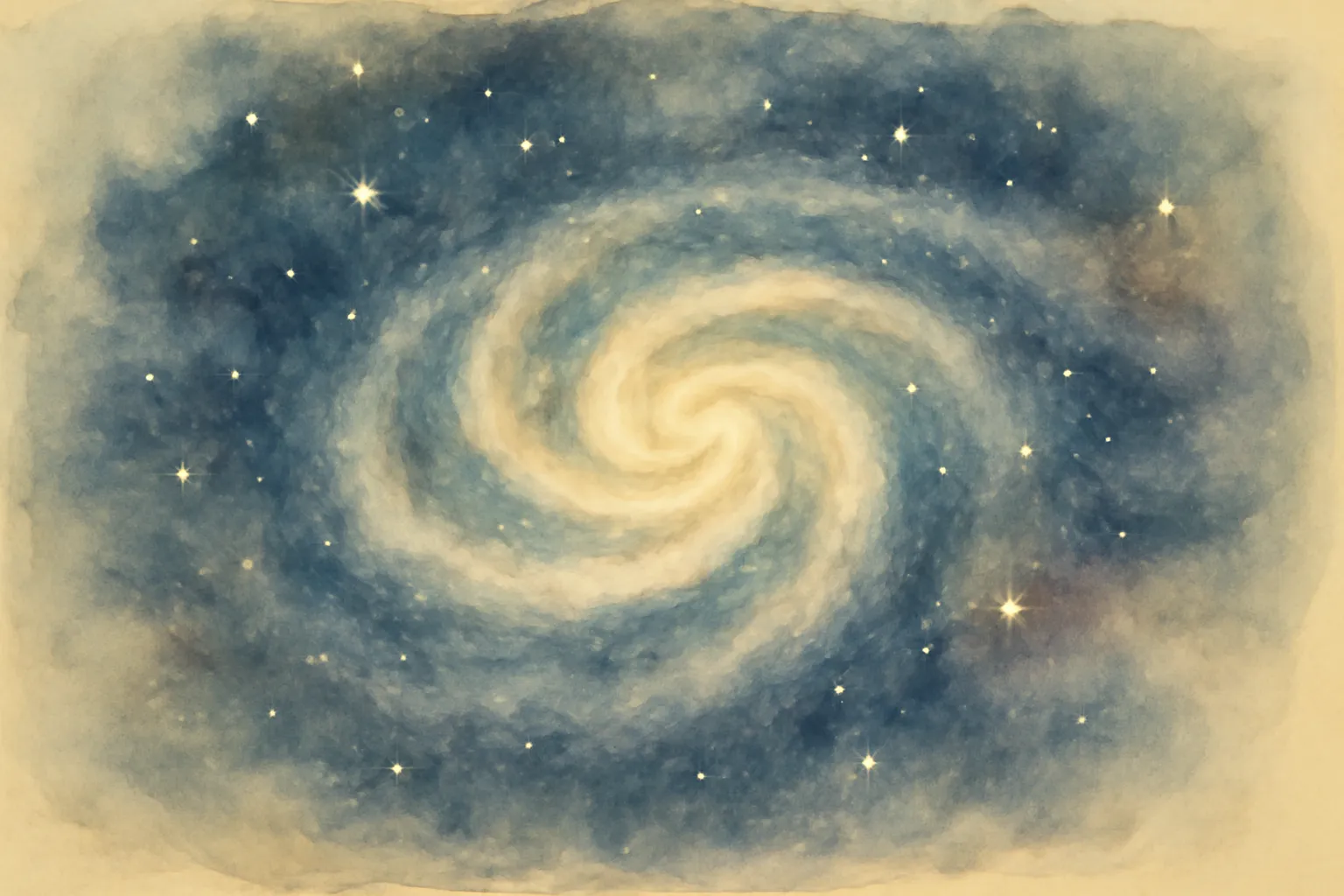
Hawking explores how the universe is not a static, unchanging expanse but a dynamic entity shaped by the forces of space and time. He introduces the concept of curved space-time, influenced by mass and energy, and discusses how our universe could be finite yet unbounded—akin to the surface of a sphere. This challenges everyday intuition and sets the stage for understanding cosmological models and the possible fate of the universe.
2.Unifying Physics: From Relativity to Quantum Theory
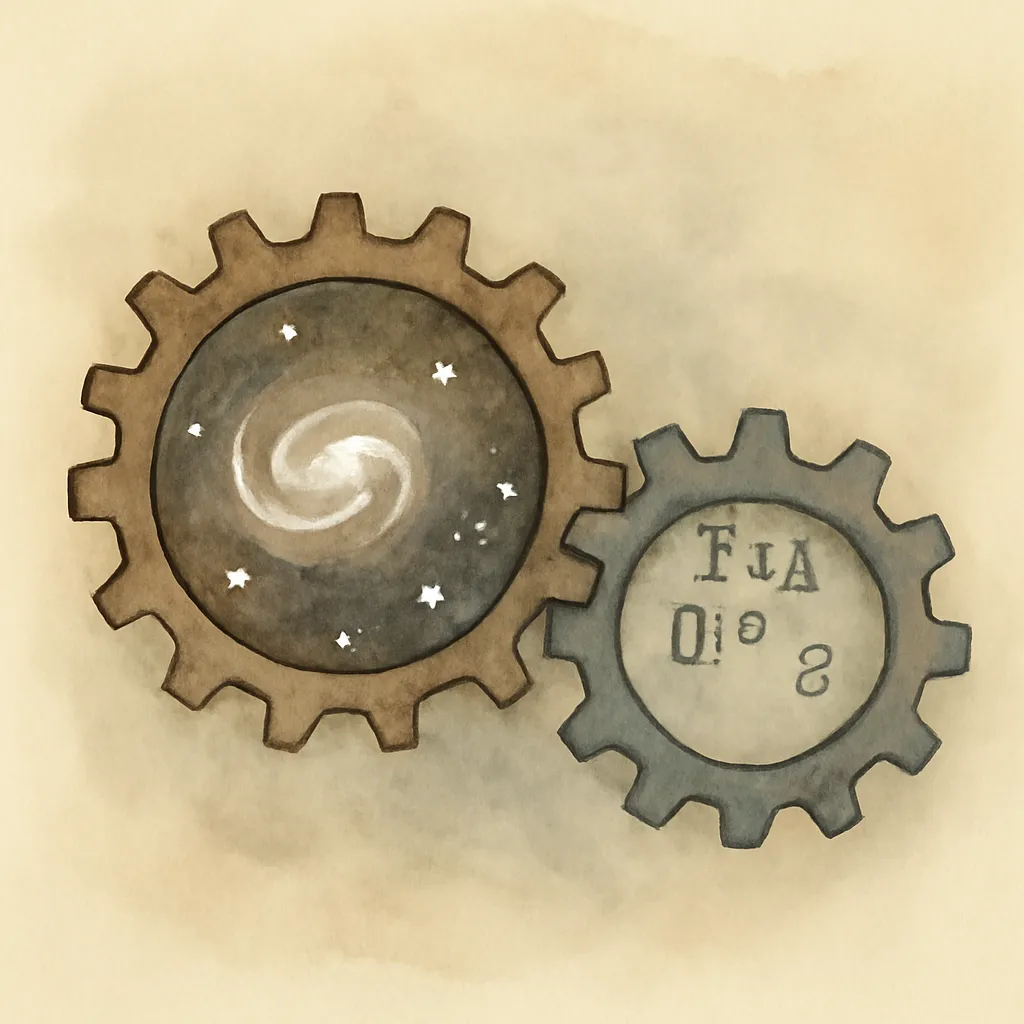
A central theme is the quest to reconcile Einstein’s general relativity, which governs the large-scale structure of space-time, with quantum mechanics, which describes the subatomic realm. Hawking explains the difficulties and significance of seeking a 'theory of everything'—a single framework that can explain all physical phenomena, including gravity at the quantum level. He highlights approaches like string theory and M-theory as promising, though still unproven, candidates.
3.Black Holes and the Nature of Reality
Hawking revisits his groundbreaking work on black holes, discussing how these cosmic objects are not just gravitational traps but also quantum laboratories. He introduces the concept of Hawking radiation—black holes emitting particles due to quantum effects—which implies they can eventually evaporate. This insight challenges the idea that information is lost in black holes, sparking debates about the fundamental laws of physics.
4.The Arrow of Time
The book delves into the concept of time’s direction, or the 'arrow of time.' Hawking discusses why time appears to move forward, rooted in the second law of thermodynamics and the increase of entropy. He also considers the implications for cosmology, such as the universe’s beginning (the Big Bang) and its possible ends, and how these shape our understanding of causality and existence.
5.The Multiverse and Extra Dimensions
Hawking introduces readers to the speculative but intriguing ideas of multiple universes (the multiverse) and extra spatial dimensions. Drawing from developments in string theory and quantum cosmology, he suggests that our universe may be just one of many, each with different physical laws. These concepts, while not yet empirically verified, expand the philosophical implications of modern physics.
6.The Role of Imagination and Visualization
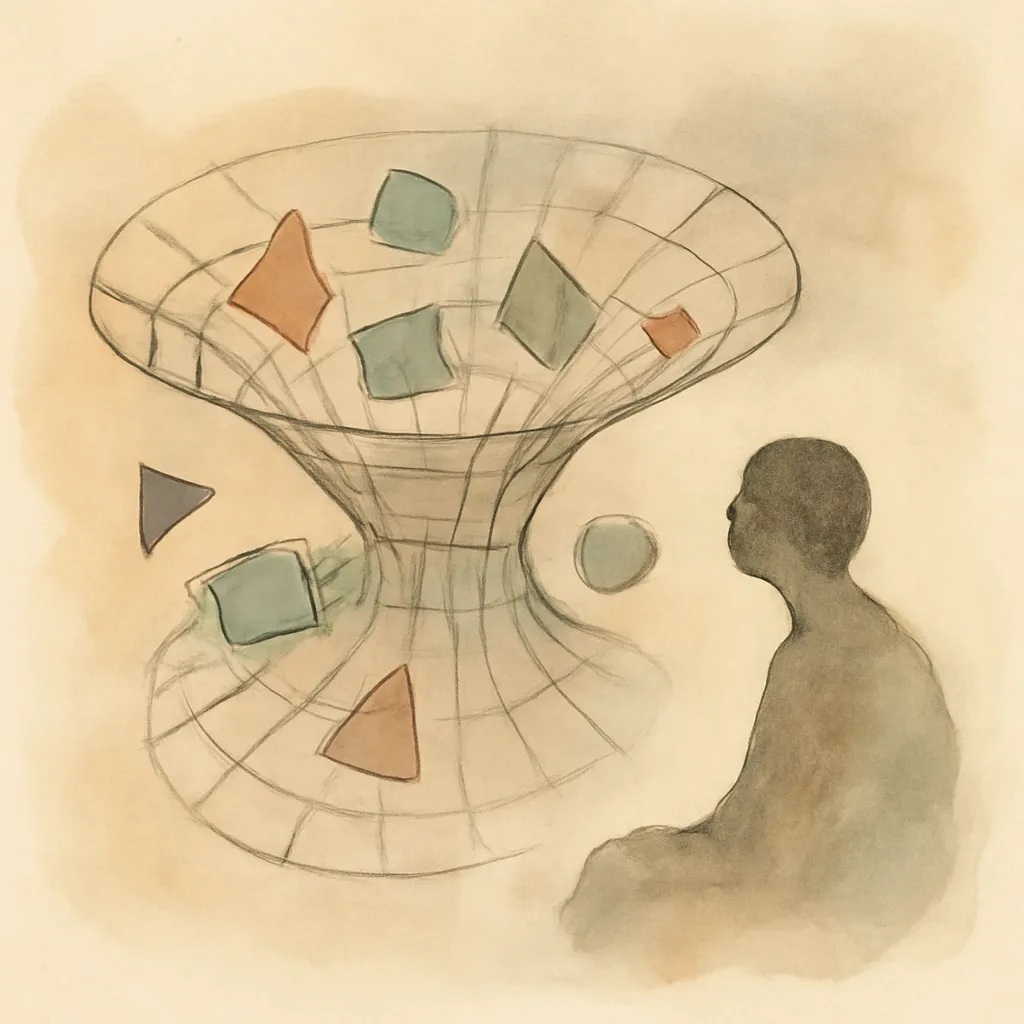
A distinctive feature of the book is its emphasis on visual thinking. Hawking, with the help of rich illustrations, encourages readers to use imagination to conceptualize higher dimensions, warped space-time, and other abstract ideas. He argues that progress in theoretical physics often relies on creative leaps and the ability to picture realities beyond ordinary experience.