1.Consciousness as a Simplified Interface
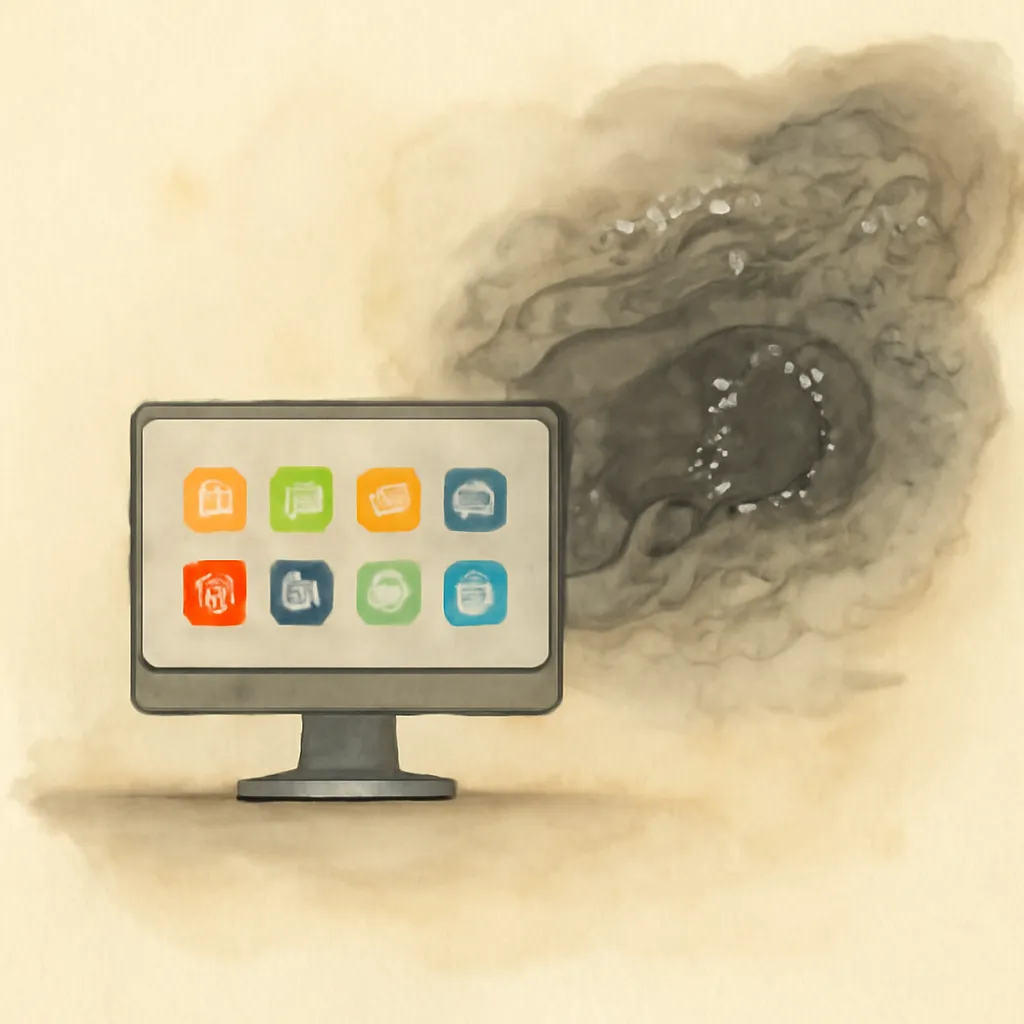
Nørretranders argues that our conscious experience is like a 'user interface'—a simplified version of reality, much like the desktop icons on a computer. This interface hides the vast complexity of unconscious processing happening beneath the surface. Just as a computer's graphical interface conceals the intricate code and data flows, consciousness presents us with a manageable, coherent story, while filtering out immense amounts of sensory and cognitive information.
2.Information Overload and Filtering
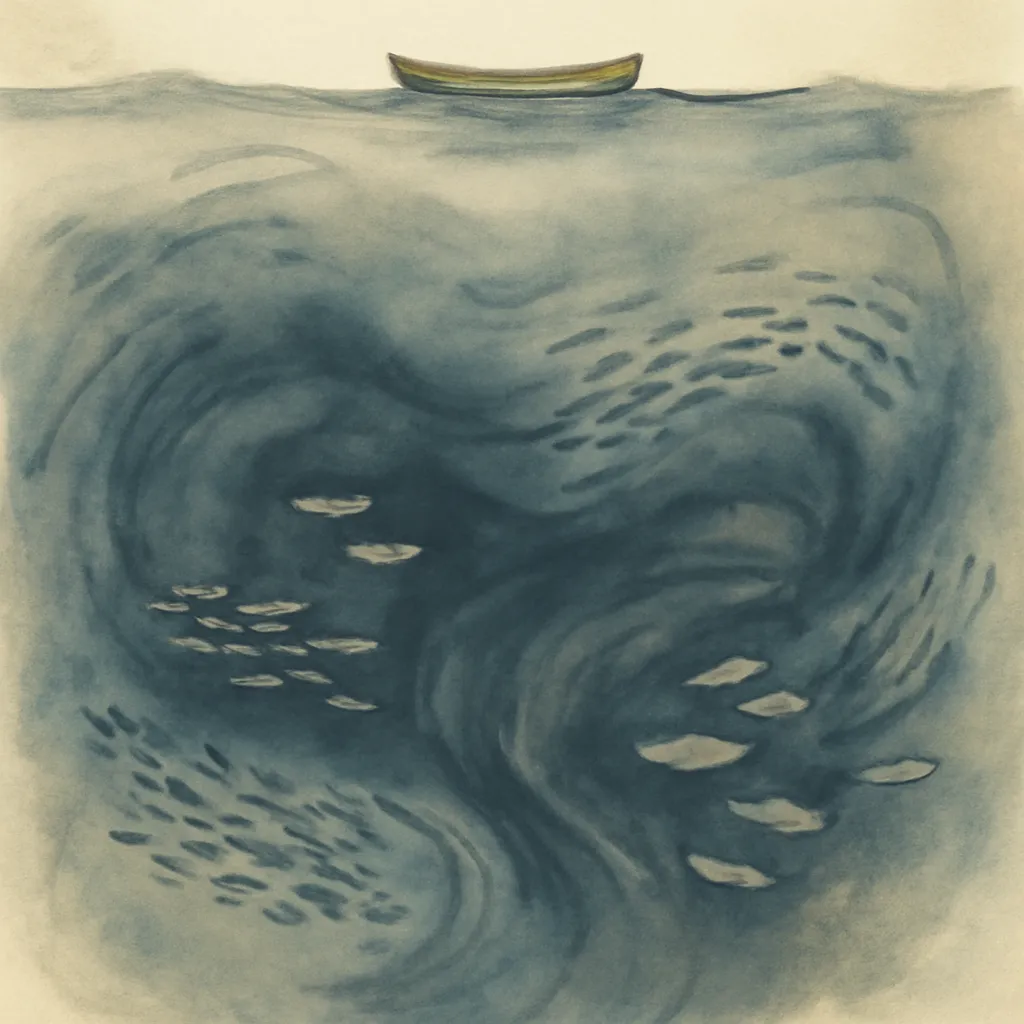
The book draws on information theory to show that our senses take in far more data than our conscious mind can handle. Nørretranders quantifies this, noting that while our senses receive millions of bits per second, consciousness can process only a tiny fraction. This massive filtering is necessary for survival, but it also means we are constantly missing most of what’s happening—both around us and within us.
3.The Unconscious Mind's Power
Nørretranders highlights that the unconscious mind does the heavy lifting: it processes, evaluates, and decides before consciousness even becomes aware. Our feelings, intuitions, and even many of our decisions originate in these hidden layers. This challenges the common belief that we are fully in control of our actions and choices, suggesting instead that consciousness often rationalizes decisions after the fact.
4.The 'User Illusion' and Free Will
Borrowing from computer science, the 'user illusion' is the mistaken belief that our conscious self is the true controller. Nørretranders explores how this illusion shapes our sense of free will, arguing that much of what we experience as deliberate choice is actually the result of unconscious processes. This has profound implications for how we understand responsibility and agency.
5.Living Beyond the Illusion
Rather than seeing this as a limitation, Nørretranders encourages embracing the richness of unconscious experience. By trusting our senses, instincts, and the wisdom of the body, we can live more fully and authentically. The book suggests that stepping outside the confines of conscious control allows for deeper creativity, connection, and vitality.
6.Science, Philosophy, and Everyday Life
The User Illusion bridges scientific research with philosophical questions about self and reality. Nørretranders draws on thinkers from physics, psychology, and cybernetics, making complex ideas accessible and relevant to daily life. The book invites readers to reconsider how they relate to their own minds and to the world.