1.Energy at the Heart of Life
Lane argues that energy flow is the central, overlooked driver of life’s evolution. All living things must solve the problem of how to efficiently convert energy to sustain themselves. The book shows that the way cells handle energy—specifically, how they use proton gradients across membranes—sets the stage for all subsequent complexity. This focus on energy, rather than just genes or natural selection, reframes our understanding of what makes life possible.
2.The Singular Origin of Complex Cells
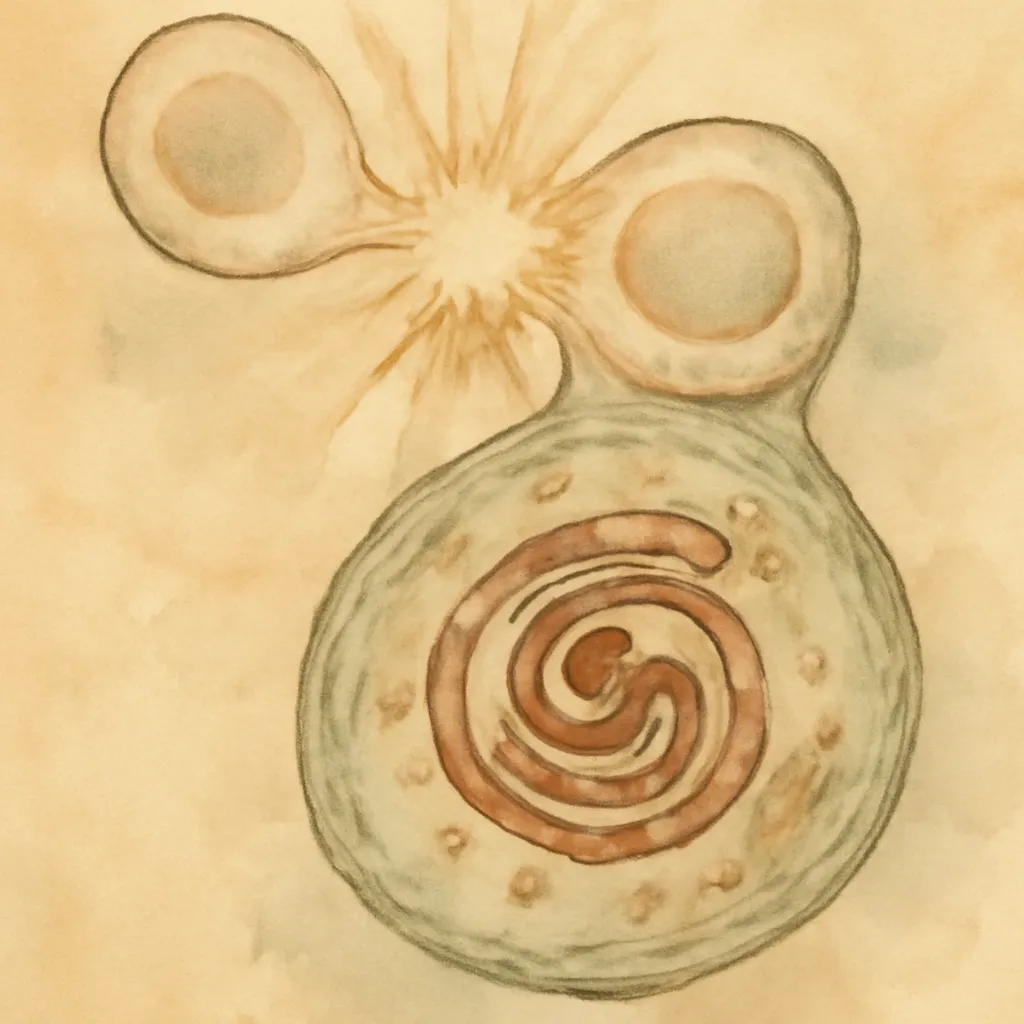
One of Lane’s most provocative claims is that complex, eukaryotic cells (the kind that make up all multicellular life) arose only once in Earth’s history. He traces this to a unique event: the merger of two simple cells, giving rise to mitochondria. This symbiosis allowed for a quantum leap in energy processing, which in turn enabled the evolution of larger, more intricate organisms. The rarity of this event explains why complex life is so unusual.
3.Mitochondria: Engines of Complexity
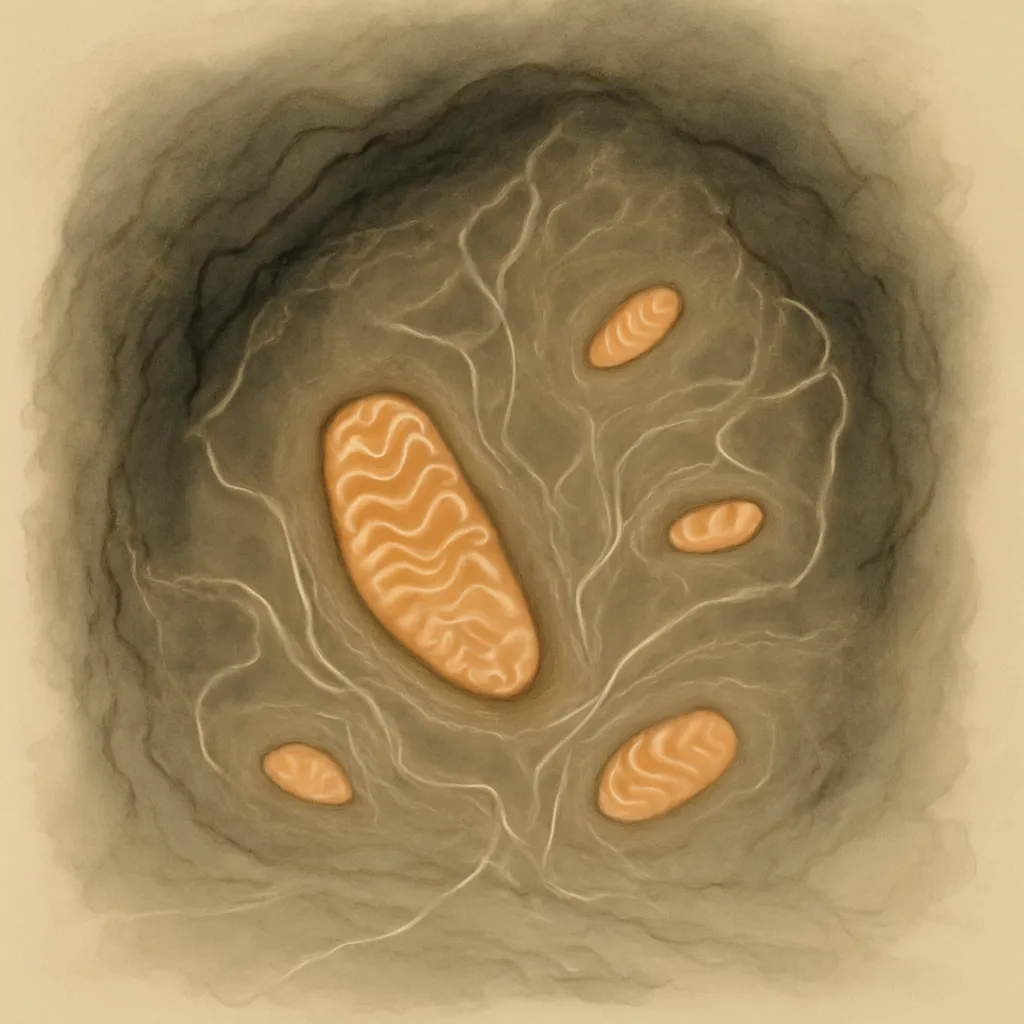
Mitochondria, the energy-generating organelles inside our cells, are central to Lane’s thesis. He details how their bacterial ancestry and integration into host cells provided a massive boost in energy per gene, breaking through the energetic constraints that limit bacteria. This allowed eukaryotes to evolve larger genomes and more elaborate cellular machinery, paving the way for multicellularity and animal life.
4.Why Sex and Complexity Go Together
Lane explores the evolutionary link between sexual reproduction and complexity. He argues that the energetic bounty provided by mitochondria made the evolution of sex possible, which in turn facilitated genetic innovation and adaptability. The book connects the dots between energy, genome dynamics, and the emergence of complex life cycles.
5.Implications for Life Elsewhere
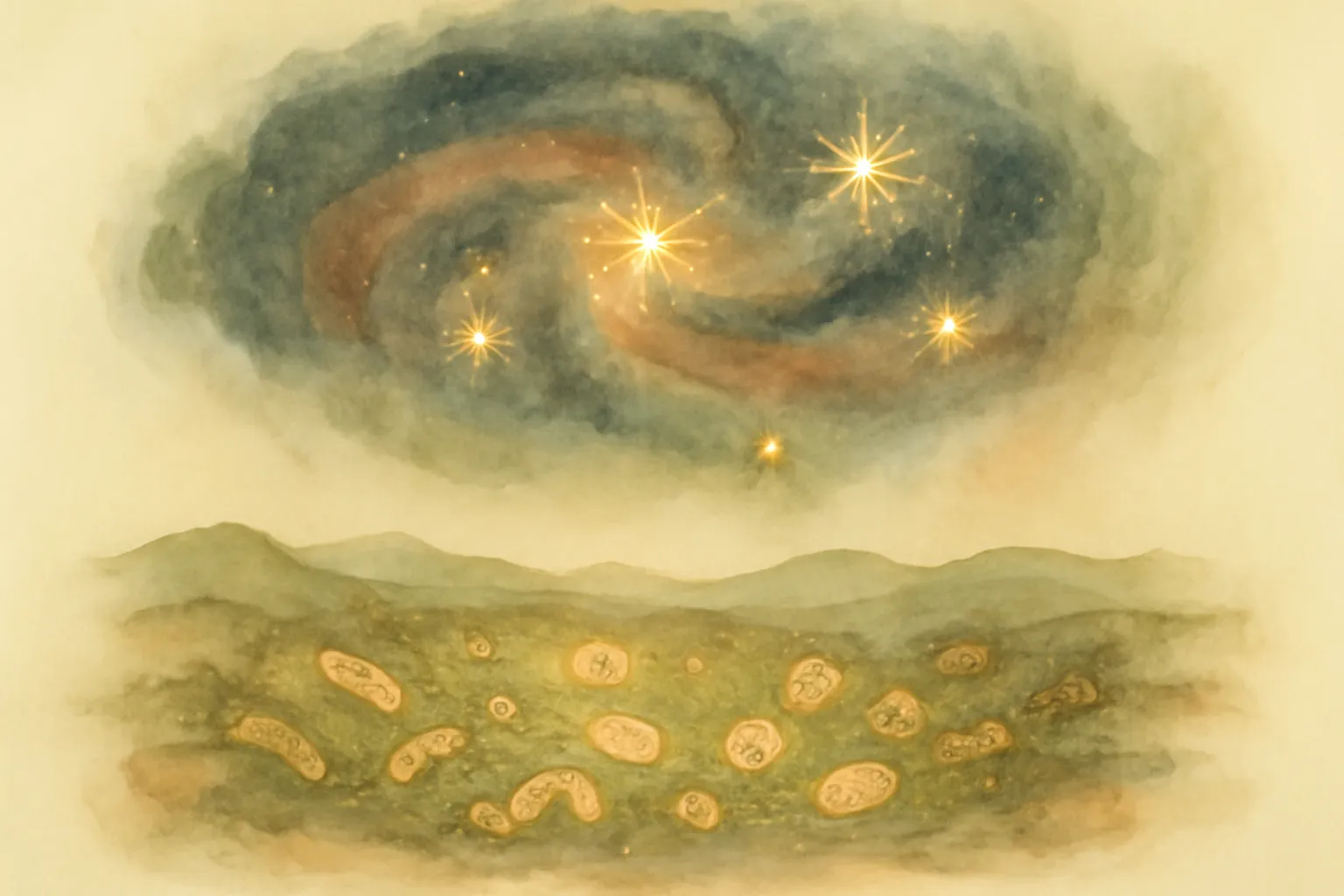
If complex life depends on such a rare and specific energy breakthrough, Lane suggests, then intelligent life may be exceedingly rare in the universe. The book challenges optimistic assumptions about extraterrestrial life, arguing that while simple microbes may be common, the leap to complexity is a cosmic long shot.
6.A New Synthesis in Evolutionary Biology
The Vital Question proposes a new synthesis, integrating biochemistry, cell biology, and evolutionary theory. Lane’s perspective urges biologists to look beyond genes and consider the fundamental energetic constraints that shape life’s possibilities. This approach opens new avenues for research and redefines some of the field’s biggest questions.