1.The Power of Love as a Driving Force
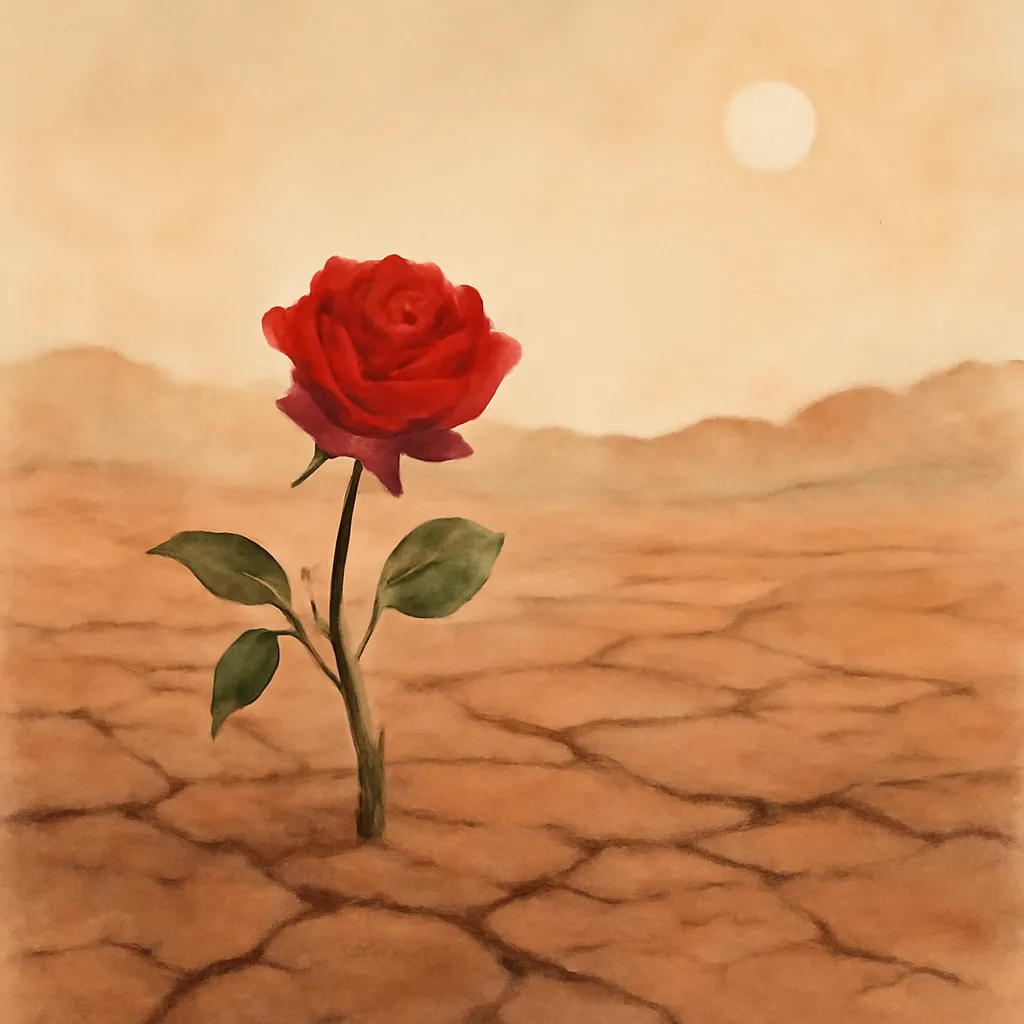
At the heart of 'The Warlord of Mars' is the theme of love, particularly the deep bond between John Carter and Dejah Thoris. Carter's relentless pursuit to rescue Dejah, who is imprisoned within the Temple of the Sun, illustrates how love can inspire extraordinary acts of bravery and sacrifice. Throughout the tale, Carter's memories of Dejah serve as a source of strength, propelling him forward through trials and tribulations. The emotional weight of his quest is underscored by his vivid recollections of their time together, creating a poignant contrast to the darkness he faces. Love is not just a sentimental notion; it becomes a tangible force that drives the narrative, as Carter's devotion fuels his resolve to confront the sinister plots of his enemies. This powerful portrayal of love's influence invites readers to reflect on their own relationships and the lengths one might go to protect those we cherish. For Carter, love is not simply a background theme; it is his raison d'être, making every sacrifice and challenge he faces feel not only personal but also monumental in its significance.
2.The Complexity of Martian Society
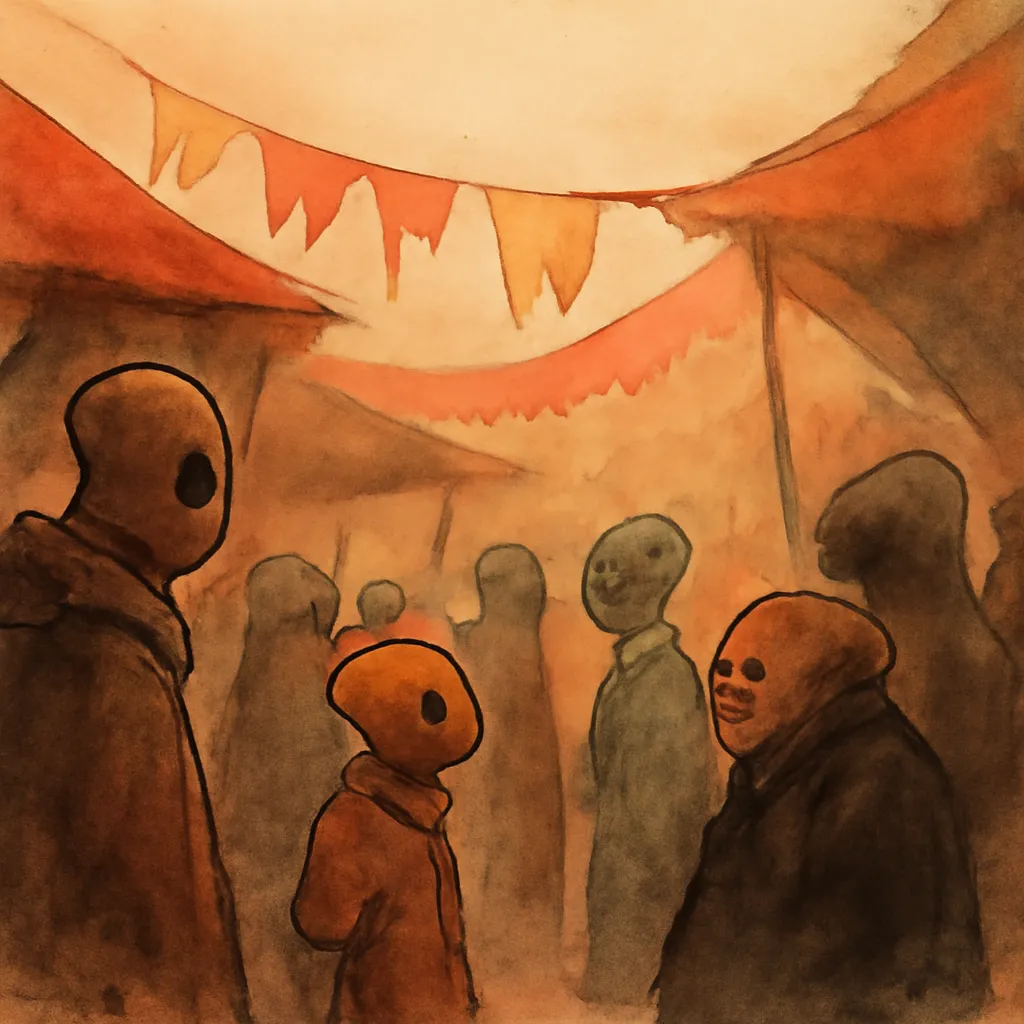
Burroughs intricately weaves a complex tapestry of Martian society, characterized by its diverse races, cultures, and political intrigue. The First Born, a race of blacks who have long worshiped the false deity Issus, represent a faction that thrives on deceit and manipulation, thereby highlighting the precarious nature of power and belief systems. Their chaotic existence, following Carter's revelation of Issus as a mere mortal woman, showcases the fragility of long-held beliefs and the societal upheaval that can ensue from a single truth. The various factions on Mars—including the Therns, the Heliumites, and the Okarians—each possess their unique agendas and motivations, contributing to the rich backdrop for conflict. Burroughs explores themes of loyalty and betrayal within this society, as alliances shift and characters navigate the treacherous waters of Martian politics. This layered depiction of Martian culture enriches the narrative, providing depth to the characters' motivations and the stakes of their struggles, ultimately illustrating that in this world, nothing is as it seems, and trust is a scarce commodity.
3.Heroism in the Face of Adversity
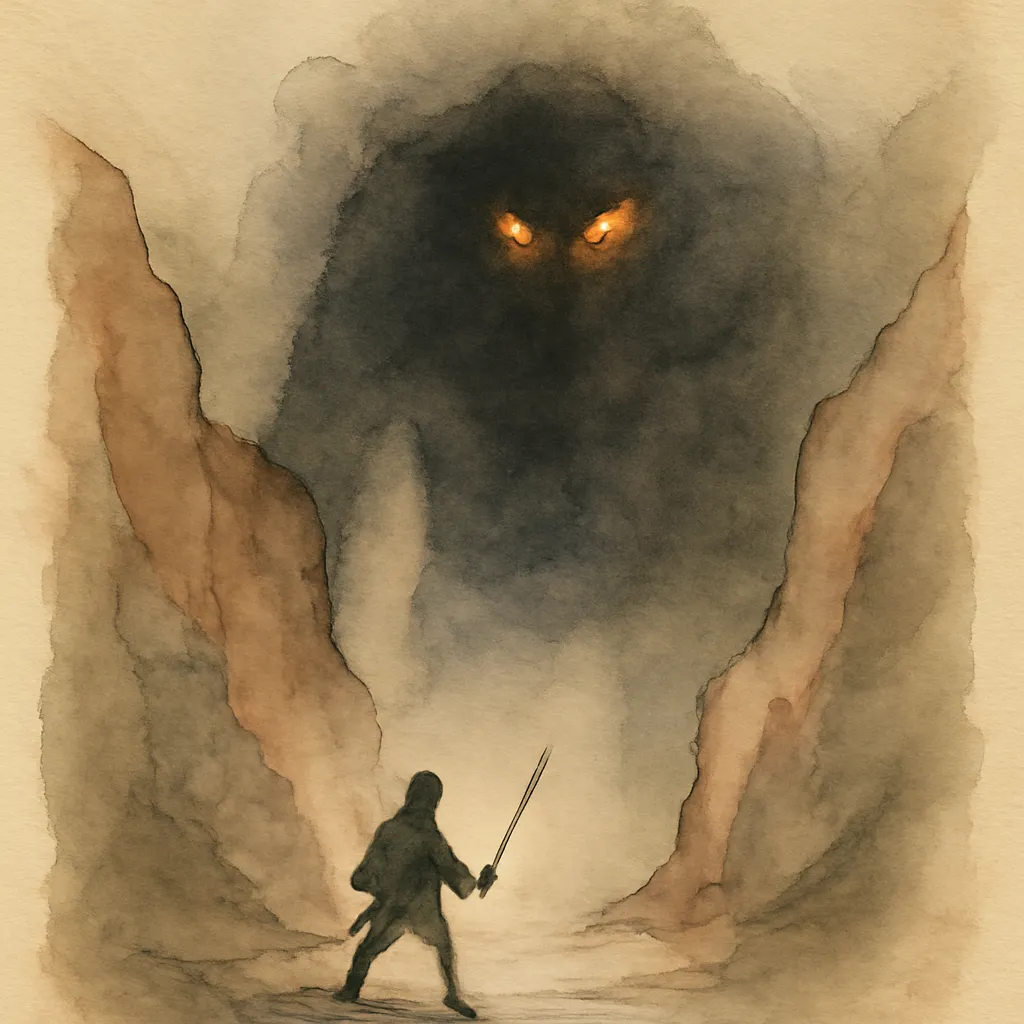
John Carter embodies the archetype of the hero, facing insurmountable odds with courage and determination. His journey through the perilous landscapes of Mars is fraught with danger, from treacherous foes to deadly creatures. Carter's heroic qualities are highlighted during his confrontations with the therns and other adversaries, where his strategic thinking and physical prowess come to the forefront. For instance, during his battles with the deceitful Thurid and the cunning Matai Shang, Carter's quick thinking often turns the tide in his favor. Each encounter not only tests his combat skills but also his moral compass, making him a multidimensional hero who must grapple with the ethical implications of his actions. Burroughs emphasizes that true heroism is not merely about physical strength but also about moral integrity and the willingness to fight for justice. Carter's relentless pursuit of Dejah Thoris and his refusal to succumb to despair illustrate the essence of heroism as an enduring spirit, inspiring readers to embrace their own challenges with resilience. Ultimately, Carter's story serves as a reminder that courage is not the absence of fear but the triumph over it, making his journey one of profound significance.
4.The Role of Fate and Free Will

The interplay between fate and free will is a central theme in 'The Warlord of Mars.' Carter often grapples with the forces that seem to dictate his path, from the ancient prophecies of Martian lore to the machinations of those who seek to control him. Despite the ominous presence of fate, Carter's choices define his journey and ultimately shape the outcome of his quest. His refusal to accept a predetermined fate is evident when he takes decisive actions to save Dejah and confront his enemies instead of waiting for destiny to unfold. This tension between destiny and agency invites readers to ponder their own lives and the extent to which they are shaped by external circumstances versus personal choices. Burroughs suggests that while fate may set the stage, it is individual courage and determination that determine the final act. The narrative acts as a philosophical exploration of how each character's decisions contribute to their own narratives, thereby empowering readers to see themselves as the authors of their own destinies.
5.Friendship and Loyalty
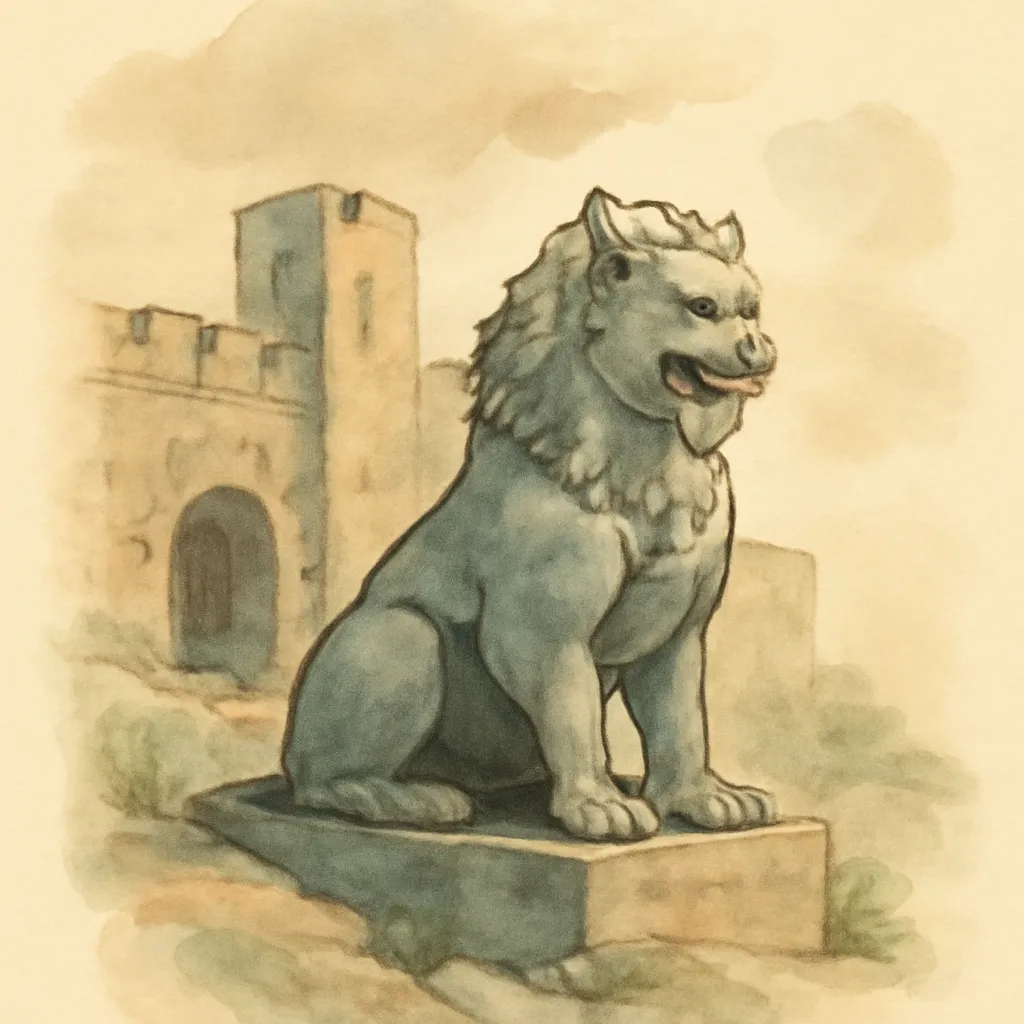
The bonds of friendship and loyalty are crucial to Carter's success in navigating the dangers of Mars. His relationships with allies like Tars Tarkas and Woola, his loyal calot, illustrate the importance of camaraderie in overcoming challenges. Tars Tarkas, a powerful leader among the Tharks, exemplifies the strength that comes from loyalty as he joins Carter in battle against formidable foes. Their friendship is built on mutual respect and shared experiences, emphasizing that allies can come from the most unexpected places. Similarly, Woola's unwavering loyalty and instinctive understanding of danger highlight the theme of companionship. The emotional depth of these relationships adds layers to the story, transforming Carter's solitary quest into a journey enriched by the contributions and sacrifices of others. Burroughs portrays these friendships as essential not only for survival but also for emotional support, emphasizing that true strength lies in the connections forged between individuals. These relationships enrich the narrative, providing moments of levity and warmth amidst the tumult of conflict, suggesting that in the darkest of times, it is often friendship and loyalty that light the way.
6.The Nature of Evil
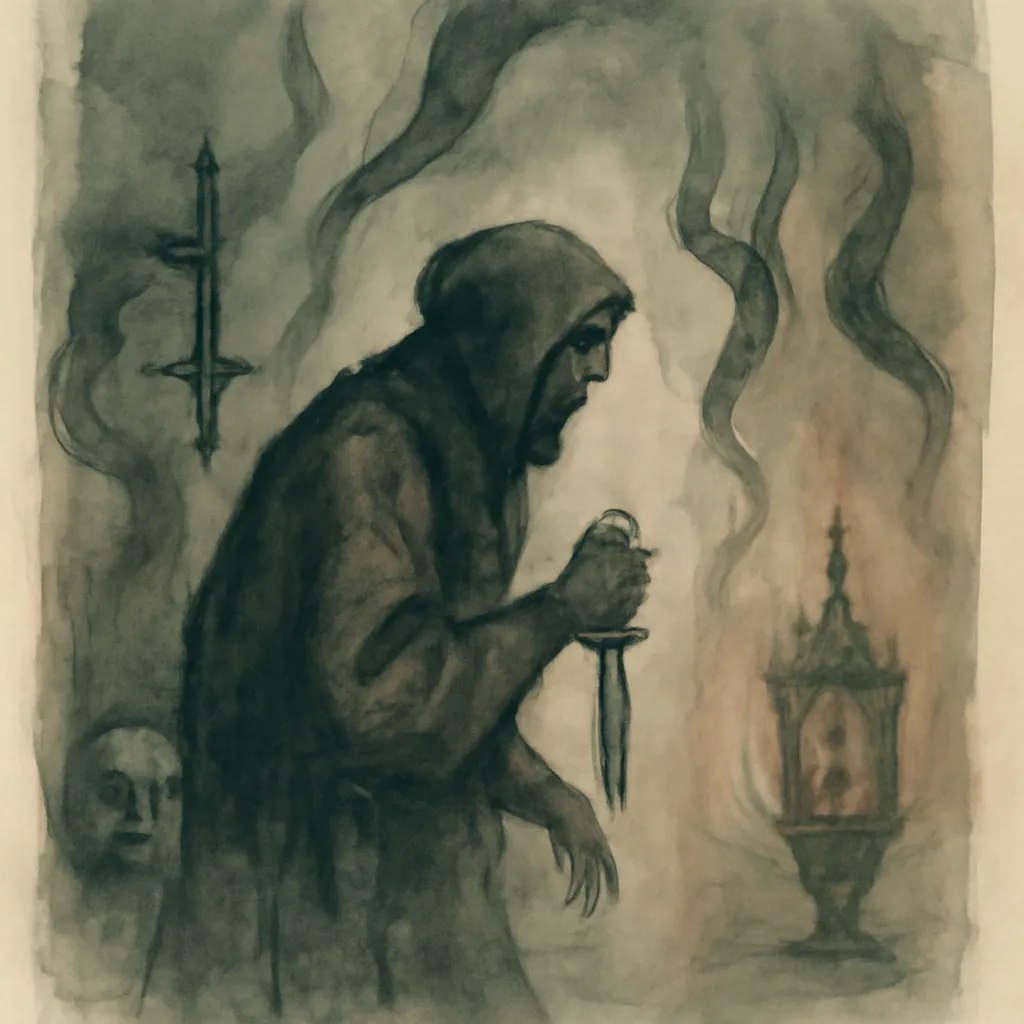
Burroughs delves into the nature of evil through characters like Matai Shang and Thurid, who embody treachery and malice. Their motivations are rooted in power and desire, driving them to commit heinous acts against Carter and his allies. Matai Shang, as the high priest of the Therns, wields power through fear and manipulation, showcasing how evil often masquerades as authority. The contrast between Carter's noble intentions and his enemies' vile schemes highlights the moral dichotomy present in the story. Burroughs suggests that evil is not merely an external force but can also reside within individuals, prompting readers to reflect on the complexities of morality. As Carter confronts these embodiments of evil, he is forced to reckon with his own beliefs about justice and retribution. This exploration of evil adds depth to the characters, making their conflicts more resonant and impactful, ultimately challenging readers to consider what evil looks like in their own lives and societies.
7.The Significance of Sacrifice
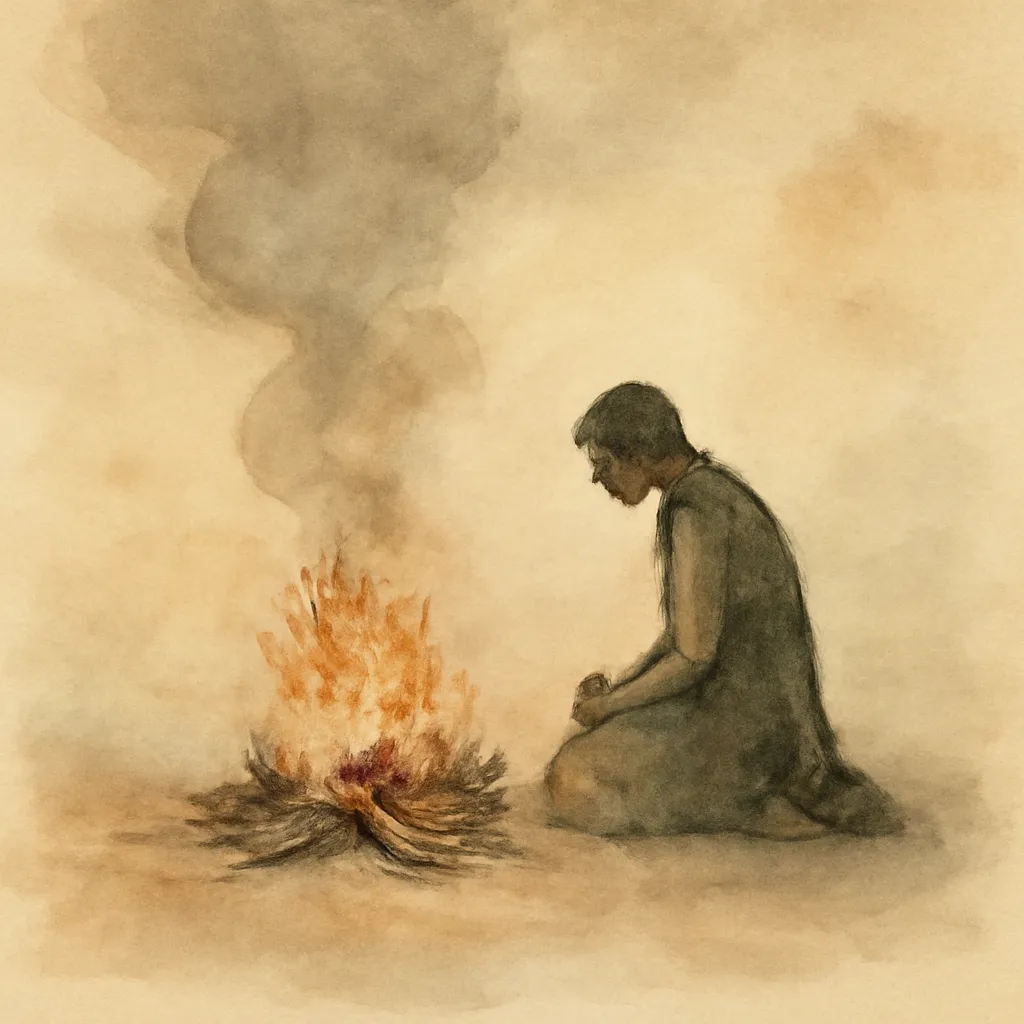
Sacrifice emerges as a powerful theme in 'The Warlord of Mars,' underscoring the lengths to which characters will go for love and loyalty. Carter's willingness to risk his life to save Dejah Thoris exemplifies the ultimate act of sacrifice, demonstrating that true love often requires putting oneself in harm's way for another. The narrative is filled with moments where characters are faced with difficult choices that test their resolve—whether to save themselves or to assist their comrades. Similarly, Phaidor's unexpected actions towards the end of the narrative reveal her own capacity for sacrifice, as she turns against her father to protect Carter and Dejah. These moments of sacrifice resonate with readers, illustrating that love is intertwined with selflessness and the willingness to endure hardship for the sake of others. Burroughs masterfully weaves this theme throughout the narrative, showcasing that the most profound acts of bravery often come at a personal cost, and that love can compel individuals to transcend their fears and limitations.
8.The Influence of Ancient Mythology
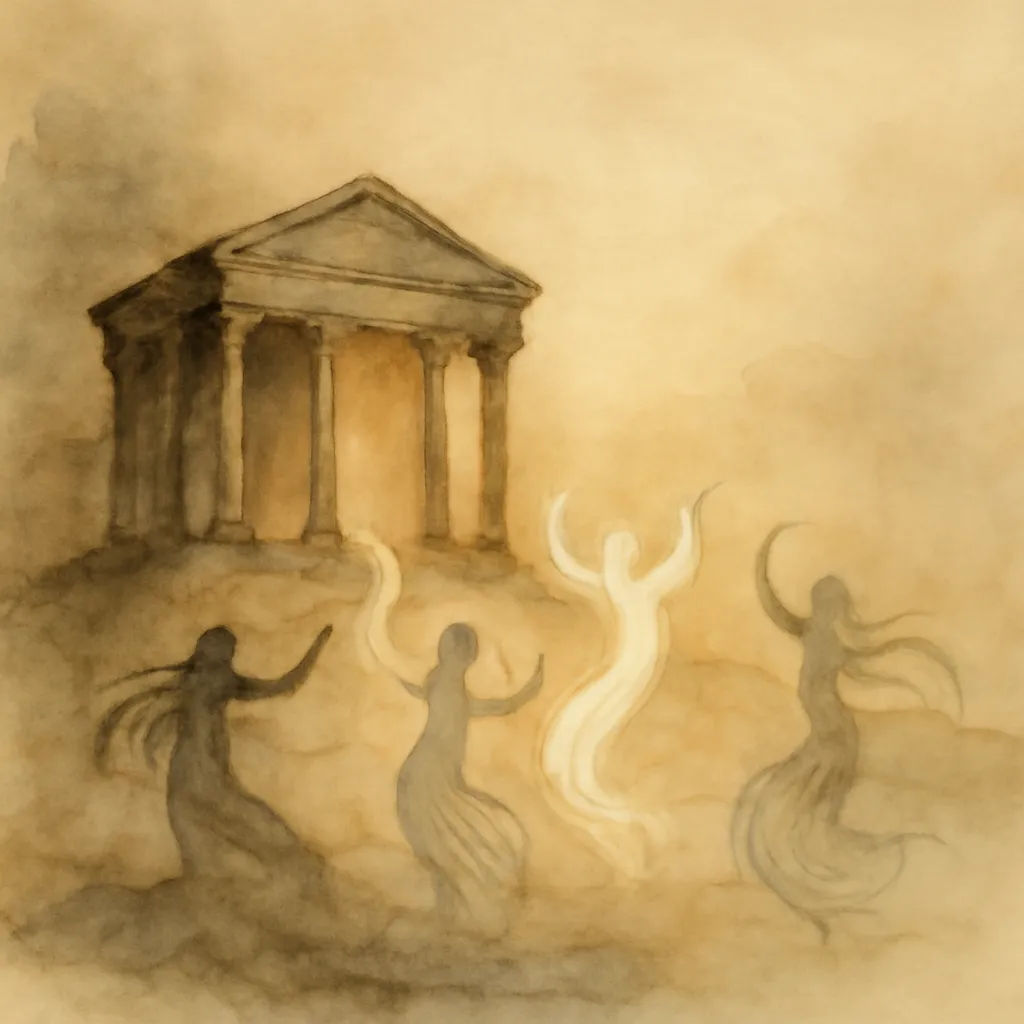
Burroughs infuses 'The Warlord of Mars' with elements of ancient mythology, drawing on themes and archetypes that resonate throughout history. The Temple of the Sun, with its dark secrets and powerful deities, serves as a metaphor for the struggle between light and darkness, knowledge and ignorance. The presence of the First Born and their worship of Issus reflects the dangers of blind faith and the consequences of manipulation by those in power. By incorporating mythological elements, Burroughs not only enriches the plot but also adds layers of meaning to the characters' actions and motivations. This mythological backdrop serves to elevate the narrative beyond a simple adventure tale, inviting readers to explore the timeless themes that have captivated humanity for centuries. The way in which characters grapple with these ancient beliefs reflects the ongoing struggle between old and new ideologies, making the story relevant to contemporary issues of faith and understanding.
9.The Journey as a Metaphor for Growth
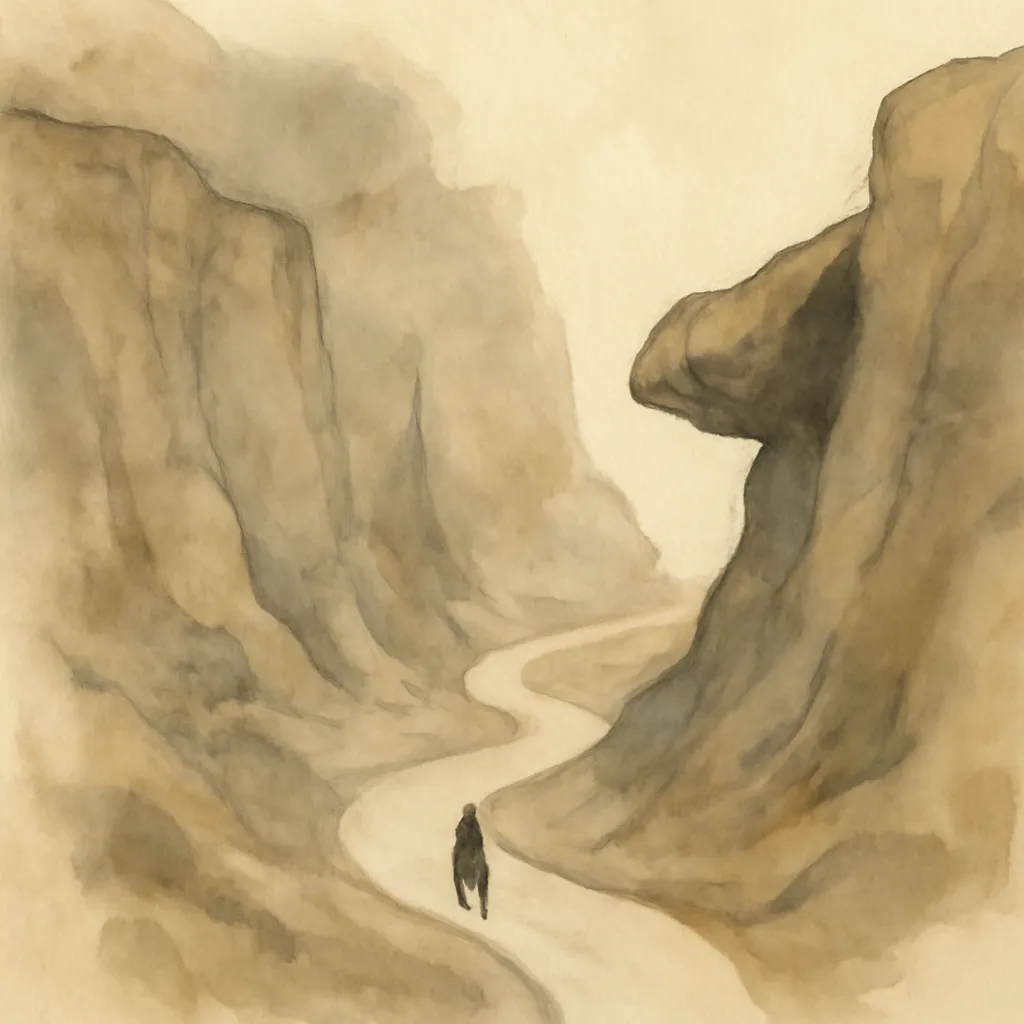
Carter's journey across Mars serves as a powerful metaphor for personal growth and self-discovery. Each challenge he faces—from battling fierce foes to navigating political intrigue—forces him to confront his own limitations and evolve as a character. The trials he endures not only test his physical abilities but also challenge his beliefs and values. As he traverses the landscapes of Mars, Carter's experiences lead him to reassess his identity and purpose. For example, his encounters with betrayal and deceit force him to develop a keener sense of trust and discernment, ultimately making him a more resilient leader. By the end of the narrative, Carter emerges not only as a warrior but as a leader, embodying the qualities necessary to unite the disparate factions of Mars. This journey of growth resonates with readers, illustrating that the path to self-discovery is often fraught with obstacles that ultimately lead to greater understanding and strength. Burroughs effectively uses Carter's experiences to convey a universal message about the importance of resilience and adaptability in the face of adversity.