1.The Great Migration as a Defining American Event
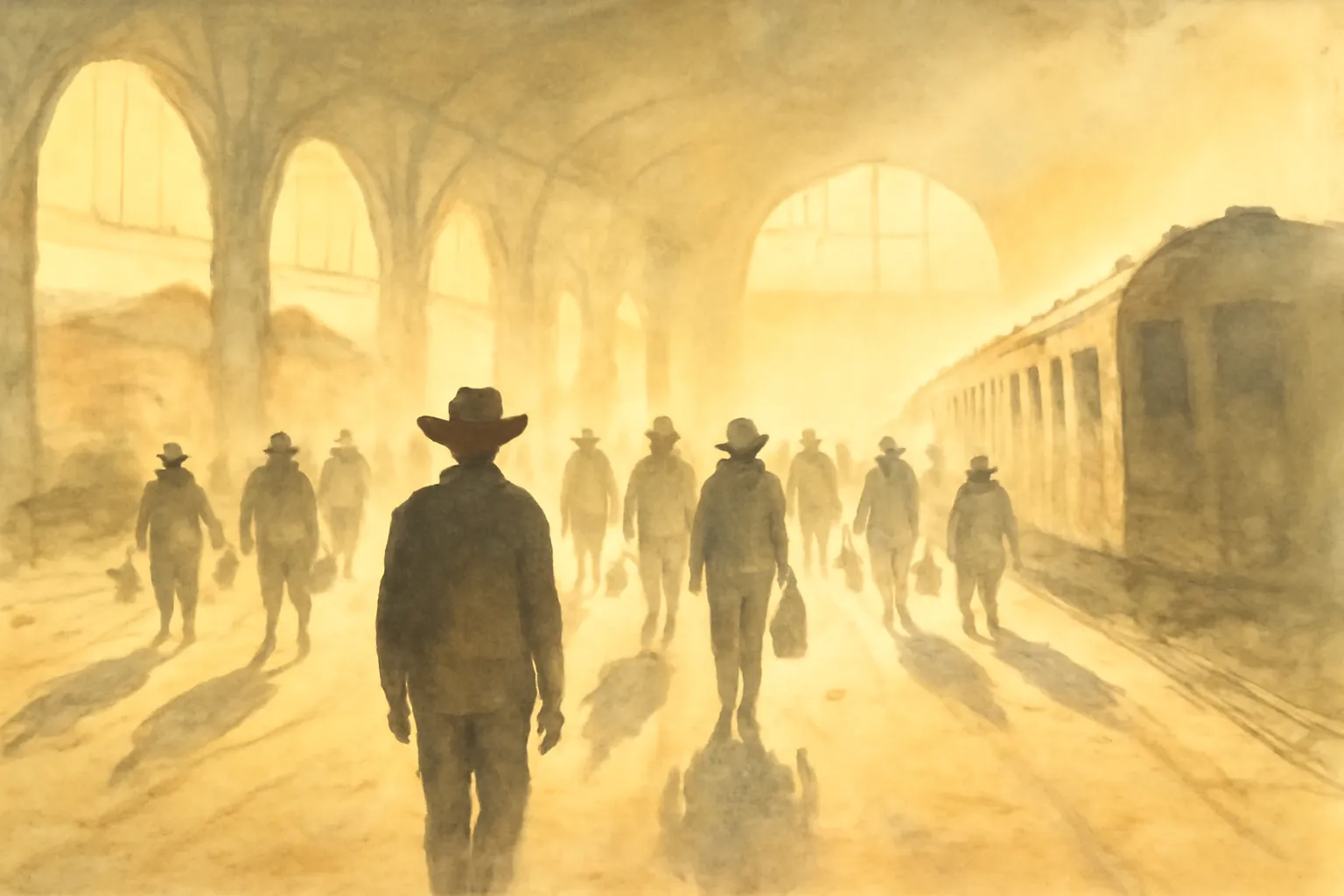
Wilkerson frames the Great Migration as one of the most significant yet underappreciated movements in American history, rivaling the immigrant waves that transformed the country. Nearly six million Black Americans left the oppressive Jim Crow South between 1915 and 1970, seeking opportunity and safety in the North and West. This exodus not only reshaped demographics but also altered the political, cultural, and social landscape of the United States, influencing everything from urban development to music and civil rights.
2.Personalizing History Through Narrative
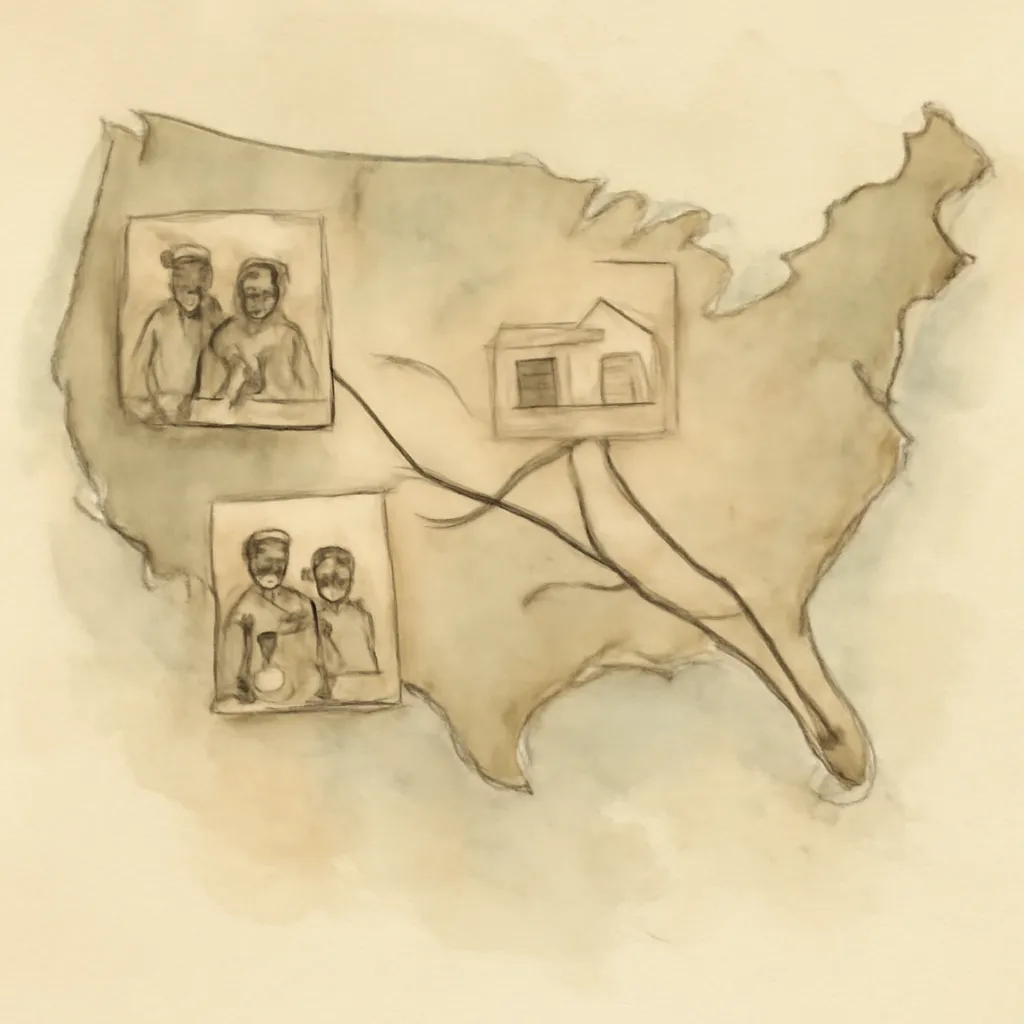
Rather than relying solely on statistics or broad overviews, Wilkerson tells the story through the lived experiences of three real individuals: Ida Mae Gladney, George Starling, and Robert Foster. By following their journeys from different regions and decades, she gives readers an intimate understanding of the personal costs, hopes, and resilience involved in migration. Their stories illuminate the diversity of motivations and the common threads of courage and longing for freedom.
3.The Harsh Realities of Jim Crow
A central theme is the brutality and dehumanization of life under Jim Crow laws in the South. Wilkerson details the daily indignities, violence, and lack of opportunity that compelled millions to leave. She shows how the South’s rigid caste system denied Black Americans basic rights and dignity, making migration not just a choice but a necessity for survival and self-actualization.
4.Migration as an Act of Agency and Hope
Wilkerson emphasizes that the migrants were not passive victims but active agents in their destinies. Leaving everything familiar behind, they took extraordinary risks in pursuit of better lives for themselves and their descendants. The book highlights the courage and optimism required to uproot oneself, as well as the sacrifices and losses that came with starting over in unfamiliar, often unwelcoming, places.
5.The Challenges and Disappointments of the North and West
While the North and West promised freedom from legal segregation, Wilkerson does not romanticize these destinations. Migrants often faced new forms of discrimination, economic hardship, and social isolation. The book explores how the promise of a better life was complicated by persistent racism, but also how migrants built vibrant communities and contributed to American society in profound ways.
6.Legacy and Contemporary Relevance
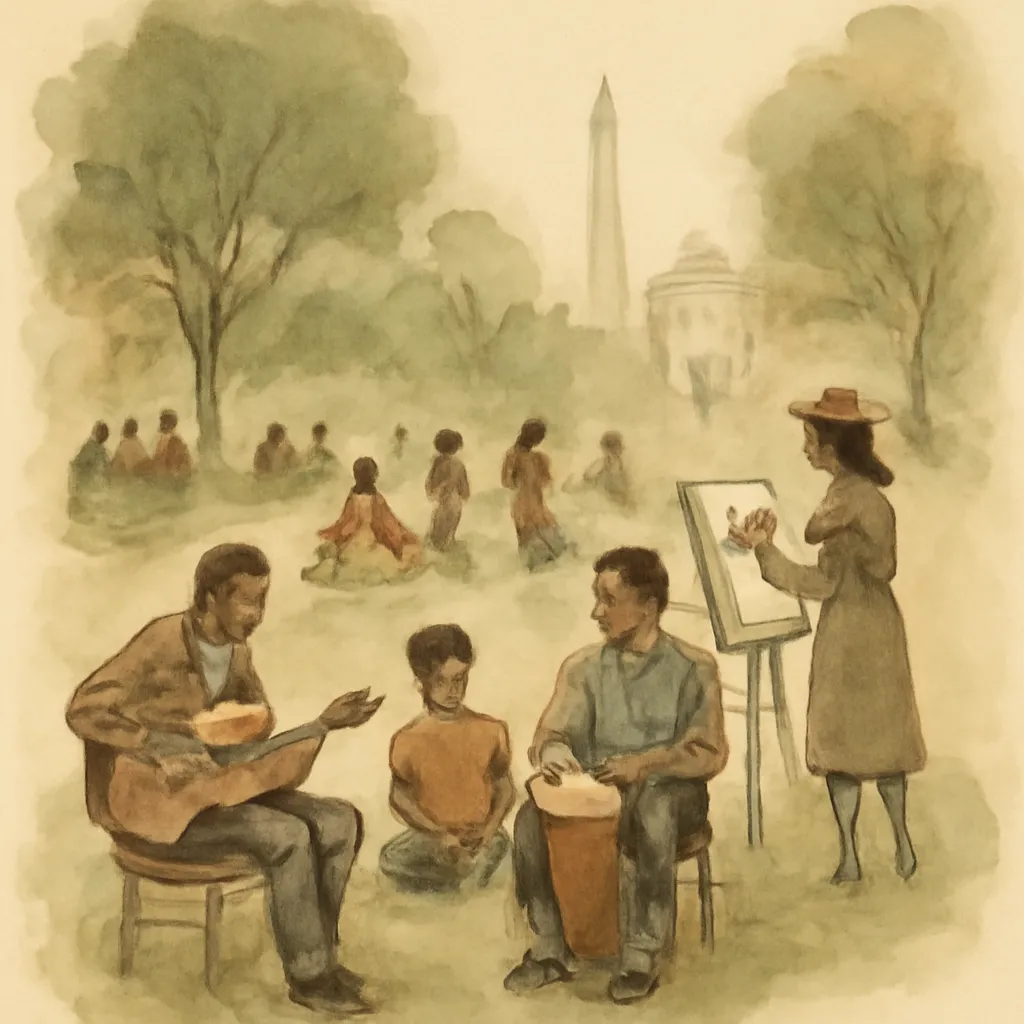
Wilkerson connects the Great Migration to present-day issues, showing how its legacy shapes urban America, politics, culture, and ongoing struggles for racial justice. The movement’s impact can be seen in the rise of Black political power, the flourishing of cultural movements, and the ongoing fight for equality. The book encourages readers to see the migration as a foundational American story, essential to understanding the nation's past and present.