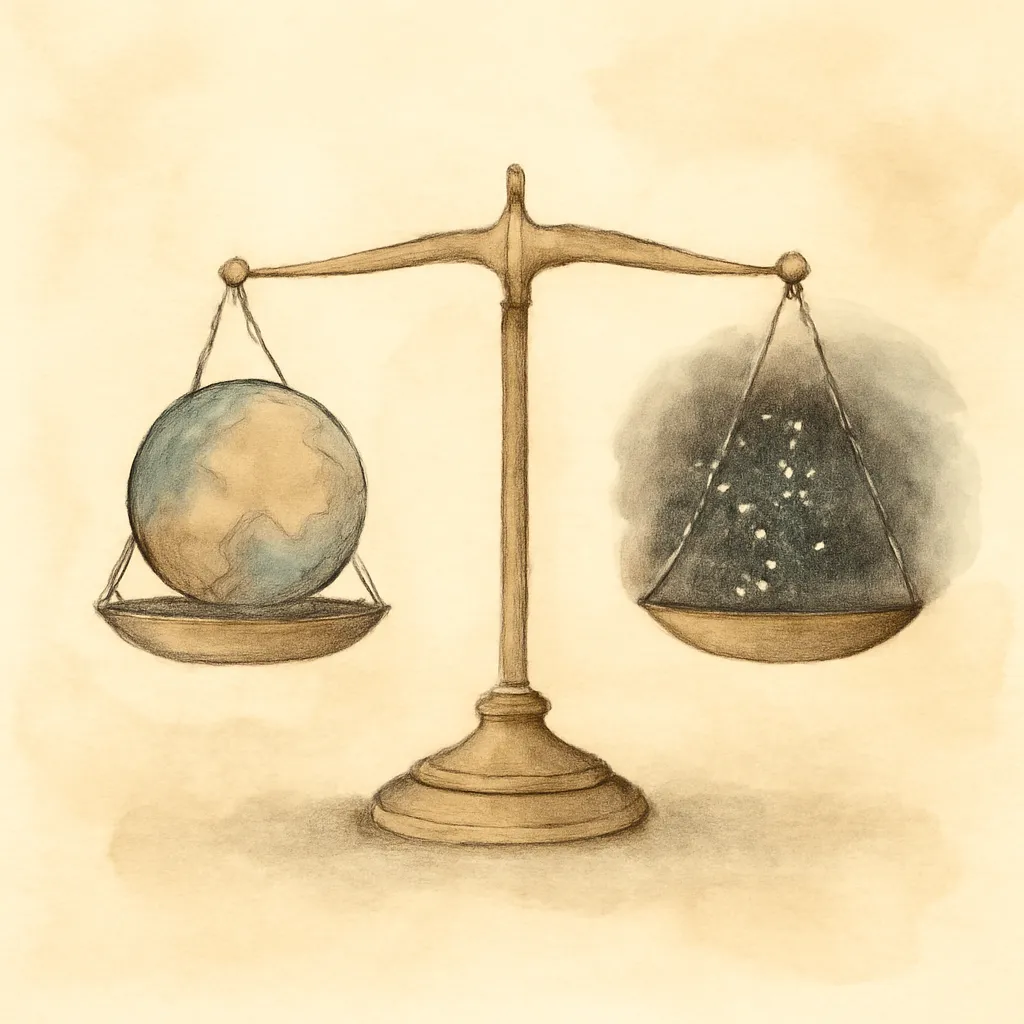
1.The Big Bang and the Evolution of the Universe
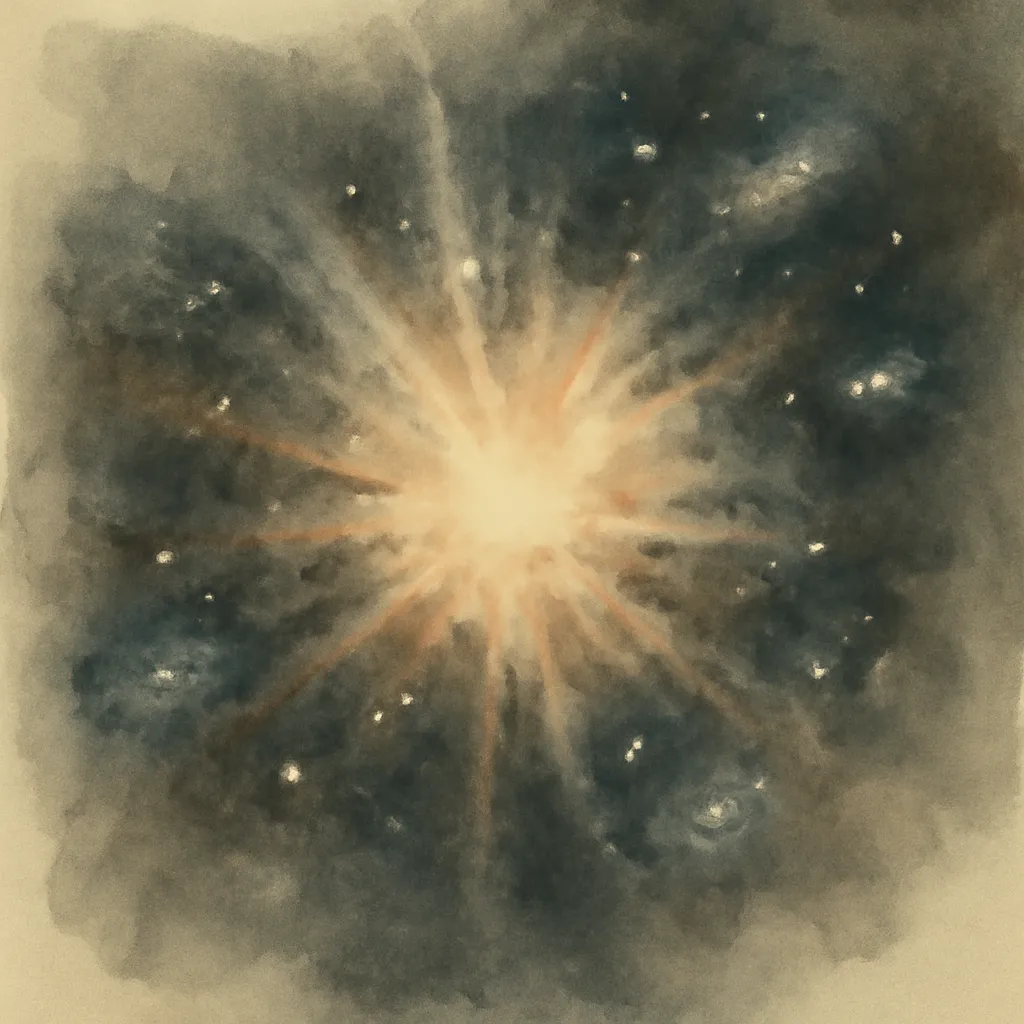
Ferris provides a lucid overview of the Big Bang theory, tracing the universe’s origin from a singular event to its current, ever-expanding state. He explains how cosmic background radiation, galaxy formation, and the distribution of matter support this model. Importantly, Ferris emphasizes that cosmology is a living science, with new evidence and interpretations continually reshaping our understanding of the universe’s birth and growth.
2.The Limits of Human Knowledge
A central theme is the humility required in cosmology. Ferris explores the boundaries of what we can know, given the universe’s vastness and the limitations of observation and theory. He discusses the horizon problem, the unknowable regions beyond our cosmic light cone, and the philosophical implications of never being able to see or test certain aspects of reality. This theme encourages readers to appreciate both the achievements and the mysteries that remain.
3.The Role of Observation and Theory
Ferris highlights the interplay between observation (what telescopes and instruments reveal) and theory (the mathematical models that interpret those findings). He shows how advances like the Hubble Space Telescope and improved detectors have revolutionized cosmology, while also noting that theoretical leaps—such as inflation or string theory—sometimes outpace what can be empirically confirmed. The book illustrates the iterative, sometimes contentious process of scientific discovery.
4.Cosmic Evolution: From Atoms to Life
The book traces the cosmic story from the formation of atoms and stars to the conditions that made life possible. Ferris connects the dots between stellar nucleosynthesis, the creation of heavier elements, and the eventual emergence of planets and biology. He underscores the improbability and fragility of life, placing human existence in a grand, awe-inspiring context.
5.The Anthropic Principle and the Search for Meaning
Ferris discusses the anthropic principle—the idea that the universe’s physical laws appear fine-tuned for life. He presents both sides: those who see this as evidence of design or purpose, and those who argue it’s a selection effect, with countless universes possibly existing. Rather than giving definitive answers, Ferris invites readers to reflect on what, if anything, the universe’s structure implies about meaning or purpose.
6.The Future of Cosmology
Looking ahead, Ferris speculates on the fate of the universe—expansion, heat death, or something stranger. He considers how new technologies and ideas (like dark matter and dark energy) might reshape our cosmic picture. The book closes with a sense of open-ended adventure: the universe is not only vast and old, but also unfinished in our understanding.