1.The Call of Adventure and Escape
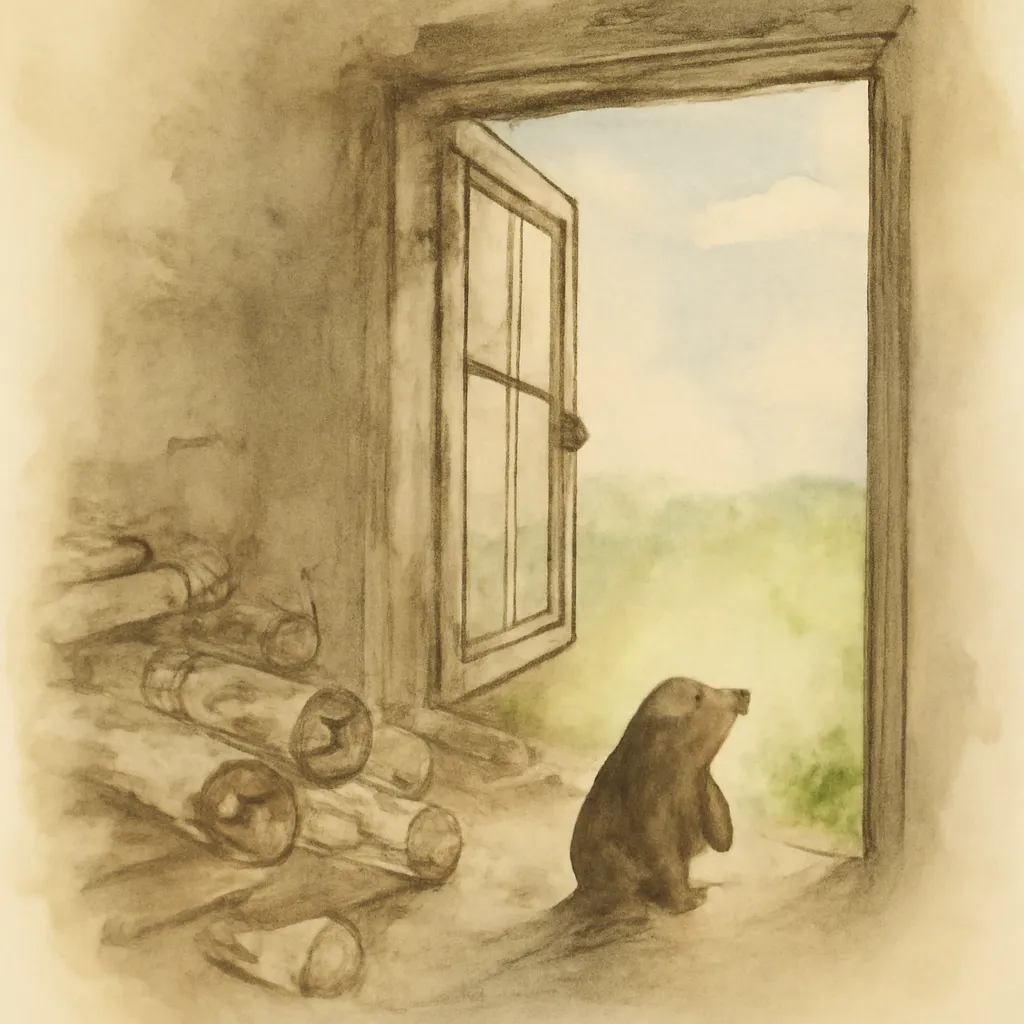
The story begins with Mole feeling trapped by the monotony of spring-cleaning, representing the often stifling nature of routine. His spontaneous decision to abandon his chores for the allure of the outdoors encapsulates the universal longing for adventure and discovery. Mole's ascent from his dark home into the sunlight symbolizes a rebirth and awakening to the possibilities that life offers outside the confines of daily responsibilities. When he meets Rat by the riverbank, it marks the beginning of his journey into a vibrant world rich with experiences. This call to adventure is not just about physical exploration; it signifies a deeper metaphor for personal growth and the courage to step out of one’s comfort zone in search of fulfillment. Grahame emphasizes that true joy lies in embracing the unexpected, reminding readers that life is best lived when one is open to new experiences.
2.Friendship as a Source of Strength
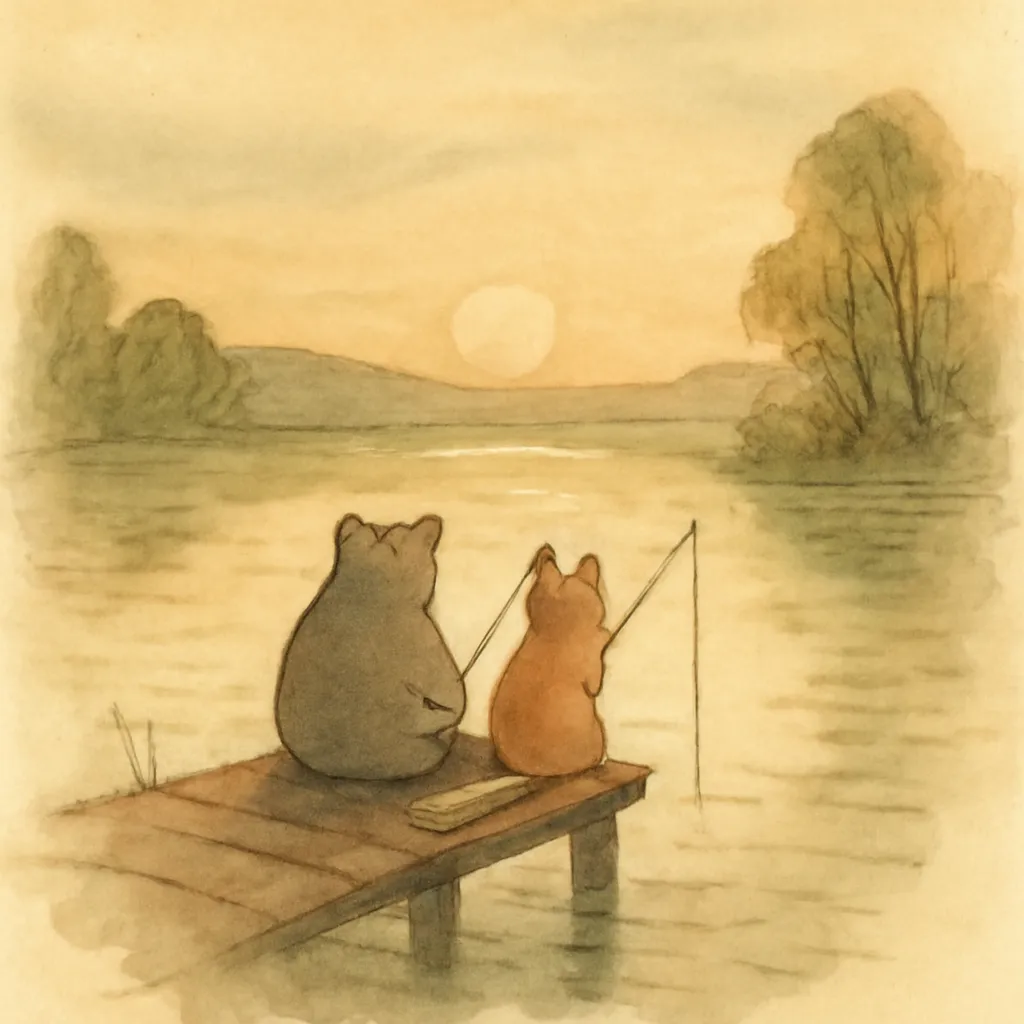
The bond between Mole and Rat is one of the central themes in 'The Wind in the Willows.' Their friendship is characterized by mutual support, shared experiences, and loyalty, beautifully illustrating how friendships can provide strength and comfort in both joyous and challenging times. As they navigate their world, from leisurely boating trips to exploring the depths of the Wild Wood, their interactions showcase the importance of companionship in overcoming adversity. Rat's encouragement of Mole to venture out and experience the river is a testament to how friends can inspire one another to embrace life fully. When Toad faces his troubles, it is the unwavering support of Mole and Rat that helps him confront his failures and strive for redemption. This theme resonates deeply with readers, highlighting that relationships enrich our lives, foster personal growth, and help us navigate the complexities of existence.
3.Nature as a Living Character
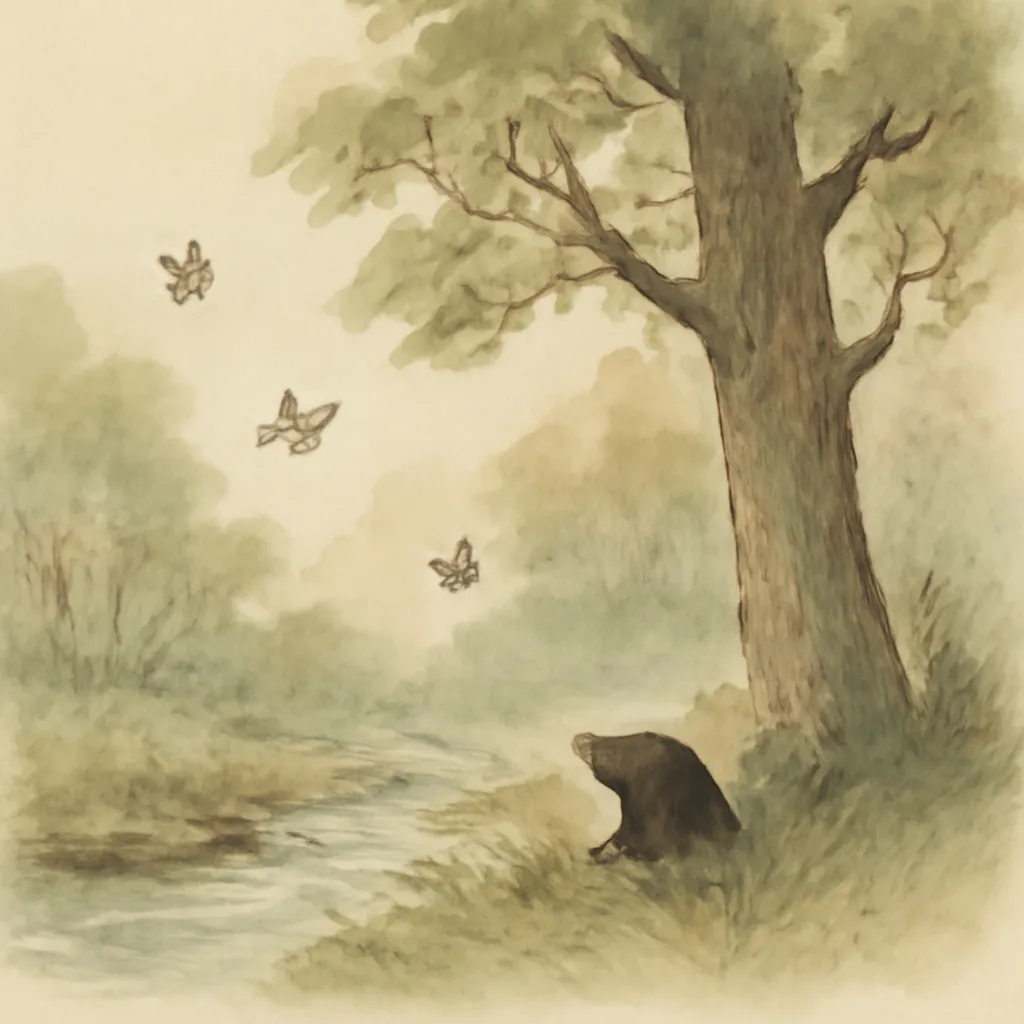
Grahame imbues the natural world with vitality, making it a character in its own right throughout the narrative. The descriptions of the river, meadows, and forests are not merely scenic backdrops; they embody the spirit of freedom and adventure that the characters seek. Mole's initial journey toward the riverbank symbolizes a return to nature, a theme that resonates with the human desire to reconnect with the earth. The vivid imagery of the changing seasons reflects the passage of time and the cycles of life, emphasizing the beauty and unpredictability of the environment. Nature is portrayed as a source of solace and inspiration, inviting readers to appreciate its wonders. The characters' interactions with the natural world reveal its power to heal, awaken joy, and foster deep connections between individuals. Through their adventures, Grahame underscores the importance of preserving this connection, reminding readers that nature offers a sanctuary amidst the chaos of modern life.
4.Toad's Reckless Pursuits and Consequences

Toad is one of the most dynamic characters in the story, embodying the themes of excess, vanity, and the consequences of reckless behavior. His obsession with motor cars serves as a critique of materialism and the folly of seeking happiness through extravagant means. Toad's impulsive actions often lead to chaos, such as when he steals a motor car and finds himself imprisoned, reflecting the idea that reckless pursuits can have dire consequences. His character provides comic relief, yet also serves as a cautionary tale about the dangers of indulgence and the importance of self-awareness. As Toad grapples with the fallout of his actions, readers witness his journey toward redemption, showcasing that even those who stray far from the right path can learn valuable lessons. Toad’s eventual realization of his need for change and growth highlights the possibility of transformation, reinforcing the idea that self-discovery is an essential part of the human experience.
5.The Wisdom and Solitude of Badger
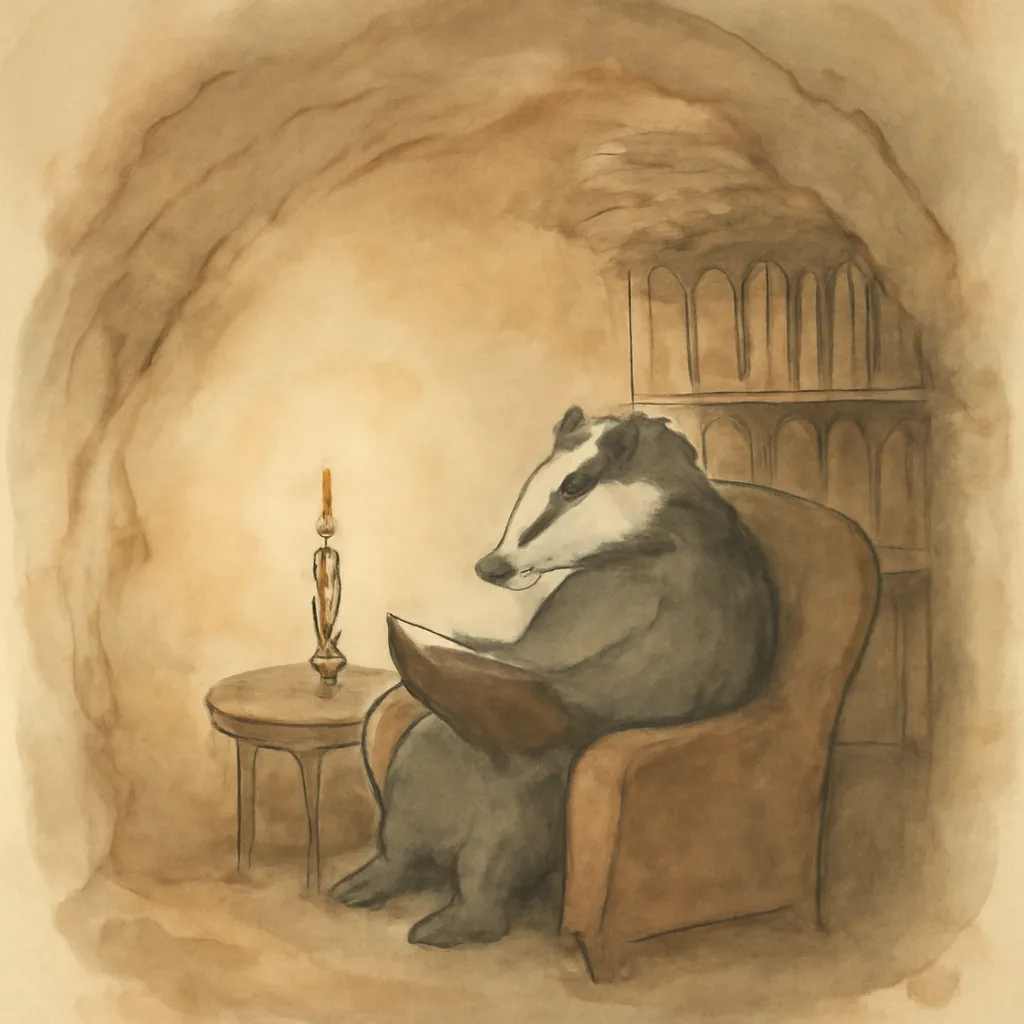
Badger represents wisdom, stability, and the importance of community. His character is introduced as a reclusive figure who prefers solitude in the Wild Wood, yet he becomes a pivotal character in guiding Mole and Rat through their trials. Badger’s home, with its warmth and comfort, symbolizes a safe haven amidst the uncertainties of the outside world. His reluctance to engage socially reflects a deeper understanding of the complexities of life and the value of introspection. Badger’s interactions with Mole and Rat reveal his nurturing nature, as he offers guidance and support when they find themselves in difficult situations. His protective instincts towards Toad demonstrate that true friendship includes tough love, reminding readers that sometimes the best way to help a friend is to be firm and honest. Through Badger, Grahame emphasizes the significance of wisdom and the quiet strength found in solitude, suggesting that personal growth often requires time away from the noise of society.
6.The Fight for Home and Identity
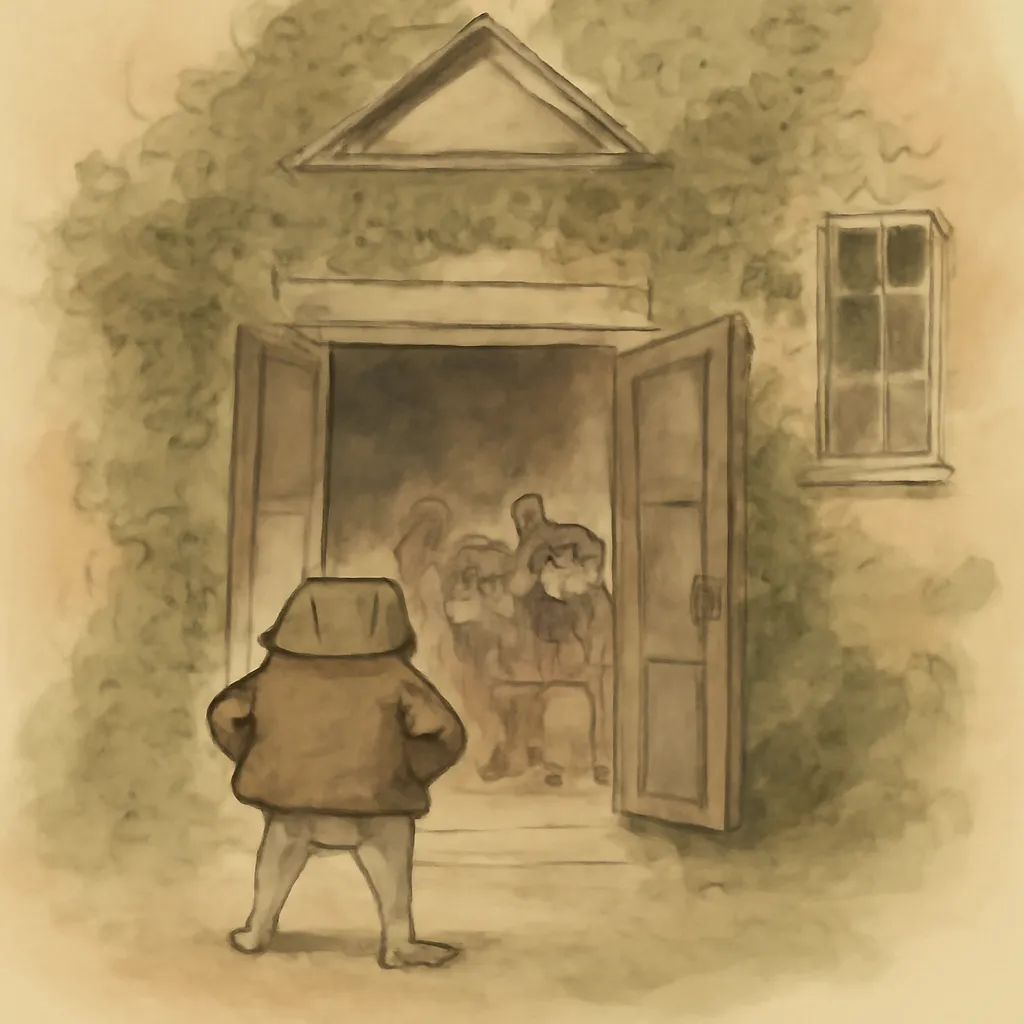
The central conflict in the story revolves around Toad's struggle to reclaim Toad Hall from the weasels who have taken over. This fight for home is more than a physical battle; it symbolizes a quest for identity and belonging. Toad's dramatic return to Toad Hall becomes a journey of self-rediscovery, emphasizing that home is not merely a place but a crucial part of one's identity. The camaraderie displayed by Mole, Rat, and Badger in supporting Toad’s mission illustrates the strength found in friendship and the importance of community in times of crisis. Their united front against the weasels highlights the idea that one's true home is a sanctuary built on the bonds of love, loyalty, and shared experiences. This theme resonates with readers, as it speaks to the universal desire for belonging and the lengths one will go to protect what is dear.
7.The Significance of Change and Seasons
Throughout 'The Wind in the Willows,' the changing seasons serve as a metaphor for the characters’ growth and the cyclical nature of life. The progression from the vibrant energy of spring and summer to the introspective qualities of autumn and winter reflects the characters' journeys. Mole’s awakening to the joys of spring symbolizes a new beginning, while the quiet, contemplative atmosphere of winter invites introspection and reflection. Grahame masterfully illustrates how life is a series of transitions, each with distinct lessons and experiences. This emphasis on the seasons encourages readers to embrace change and the wisdom that comes with it, reinforcing that every phase of life holds value. As the characters adapt to the shifts in their environment, they learn about resilience, appreciation, and the beauty inherent in the passage of time.
8.The Beauty of Simplicity and Everyday Joys
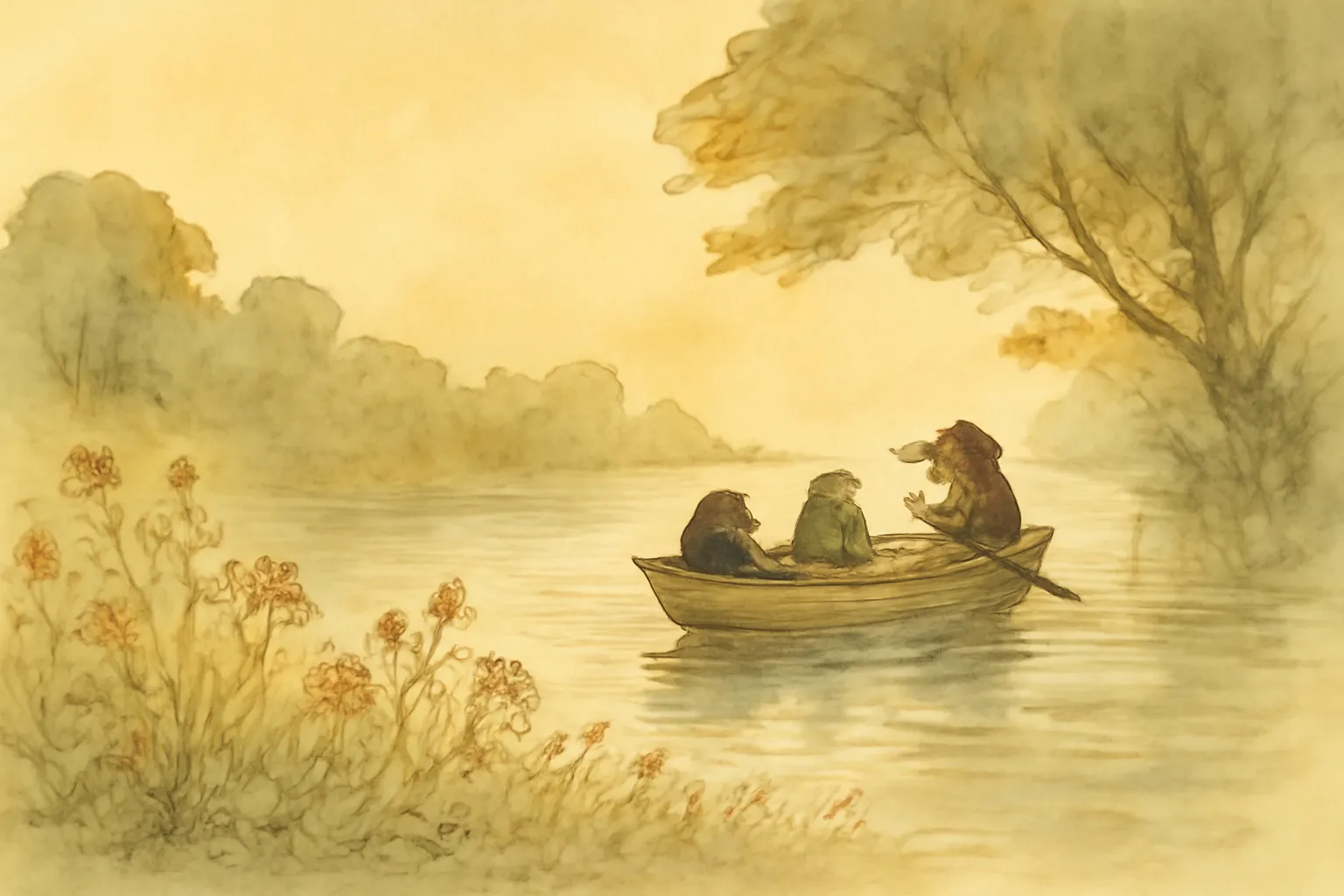
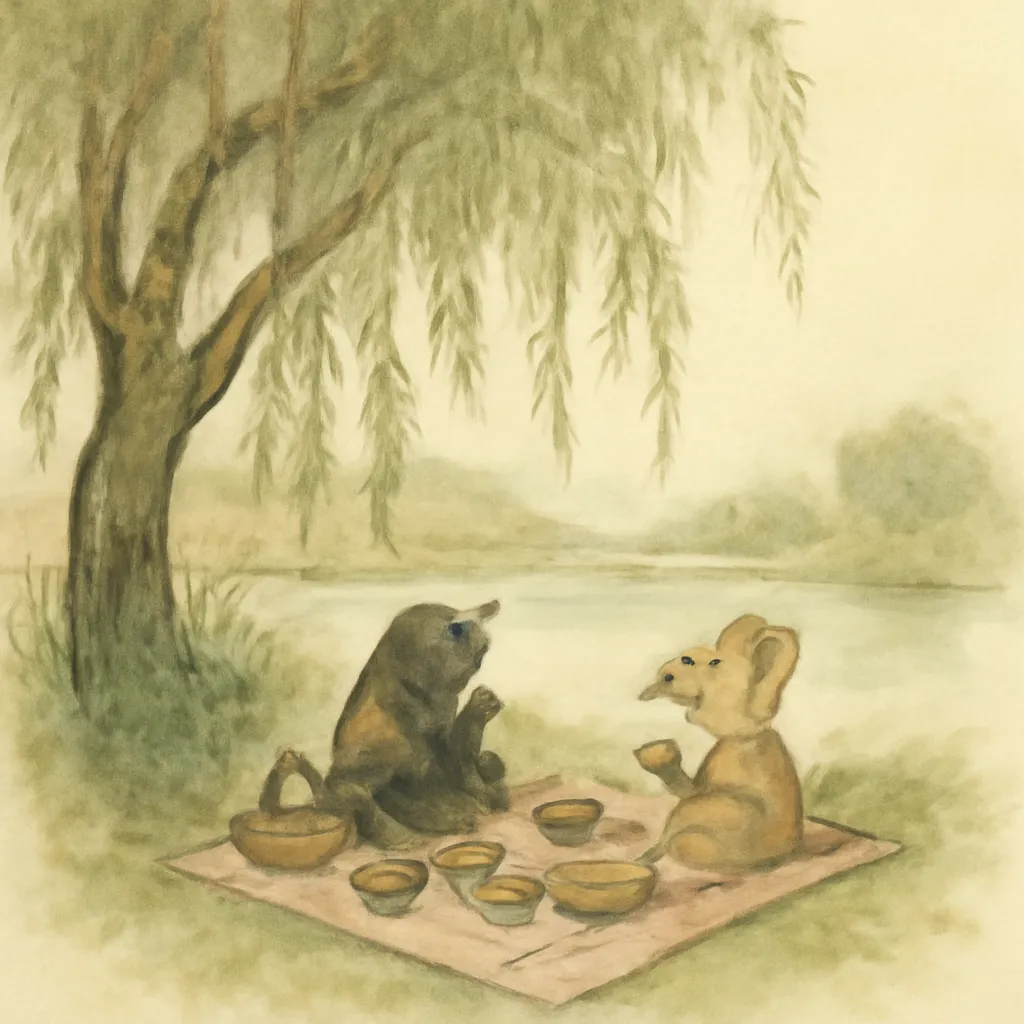
Grahame celebrates the beauty of simple pleasures throughout the story, highlighting that true happiness often lies in the mundane. The leisurely days spent boating, the warmth of shared meals, and the beauty of nature are depicted with rich detail, emphasizing the importance of savoring everyday experiences. Mole and Rat's tranquil boating trips contrast sharply with Toad's extravagant escapades, serving as a reminder that fulfillment does not come from wealth or status but rather from meaningful connections and moments of joy. The characters’ appreciation for their surroundings fosters a sense of gratitude, encouraging readers to find joy in the little things. This theme resonates deeply in a world often consumed by the pursuit of material success, reminding us that the essence of life is found in shared laughter, the beauty of nature, and the warmth of companionship.
9.The Power of Storytelling and Memory
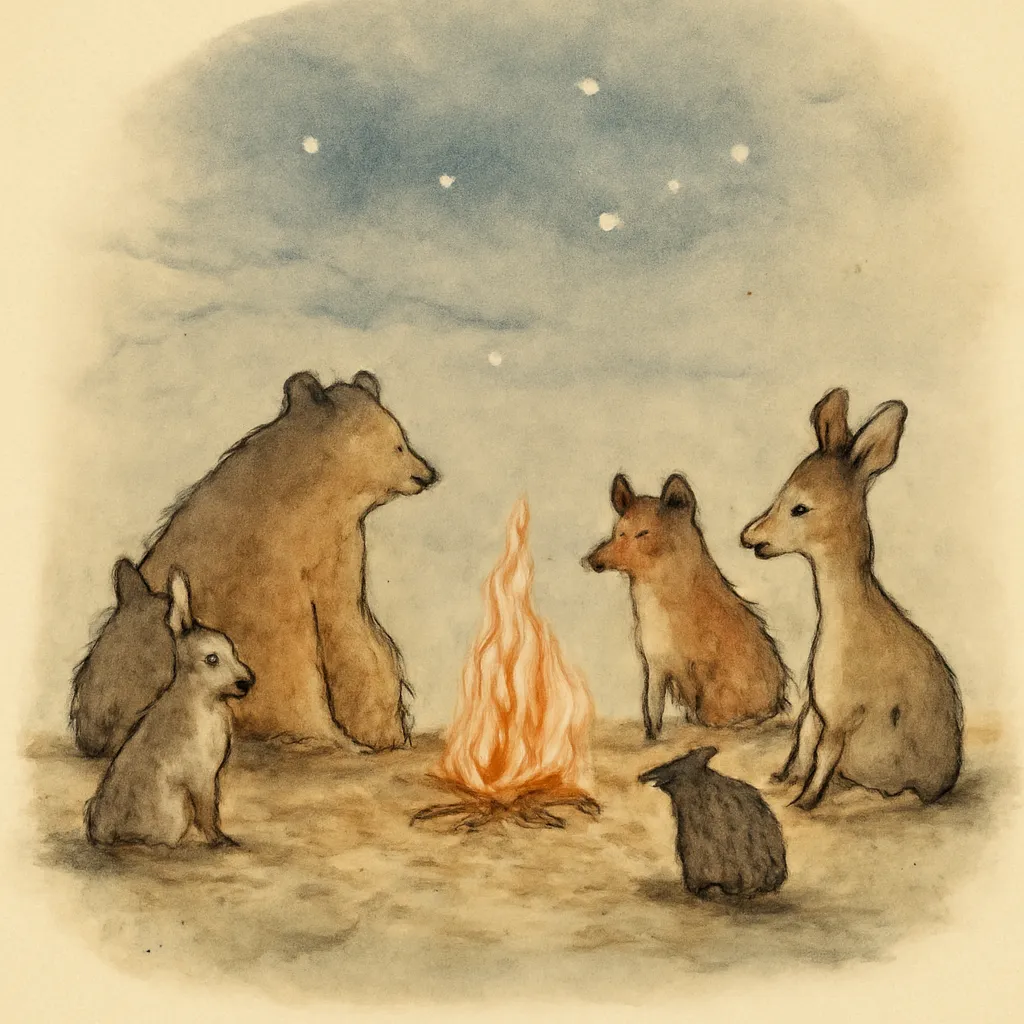
Storytelling serves as a vital thread throughout 'The Wind in the Willows,' fostering connection and understanding among the characters. Through their shared tales of past adventures, the characters deepen their bonds and create a tapestry of collective memory. This act of storytelling not only entertains but also imparts wisdom and lessons learned from experiences. Rat's narratives about the river and its inhabitants enrich Mole's understanding of their world, highlighting the importance of shared experiences in building friendships. Grahame emphasizes that stories are essential for preserving culture and identity, bridging gaps between individuals and creating a sense of belonging. In a world that often feels disconnected, the power of storytelling remains a timeless tool for connection, reminding readers of the importance of sharing experiences and nurturing relationships.