1.The Search for Identity
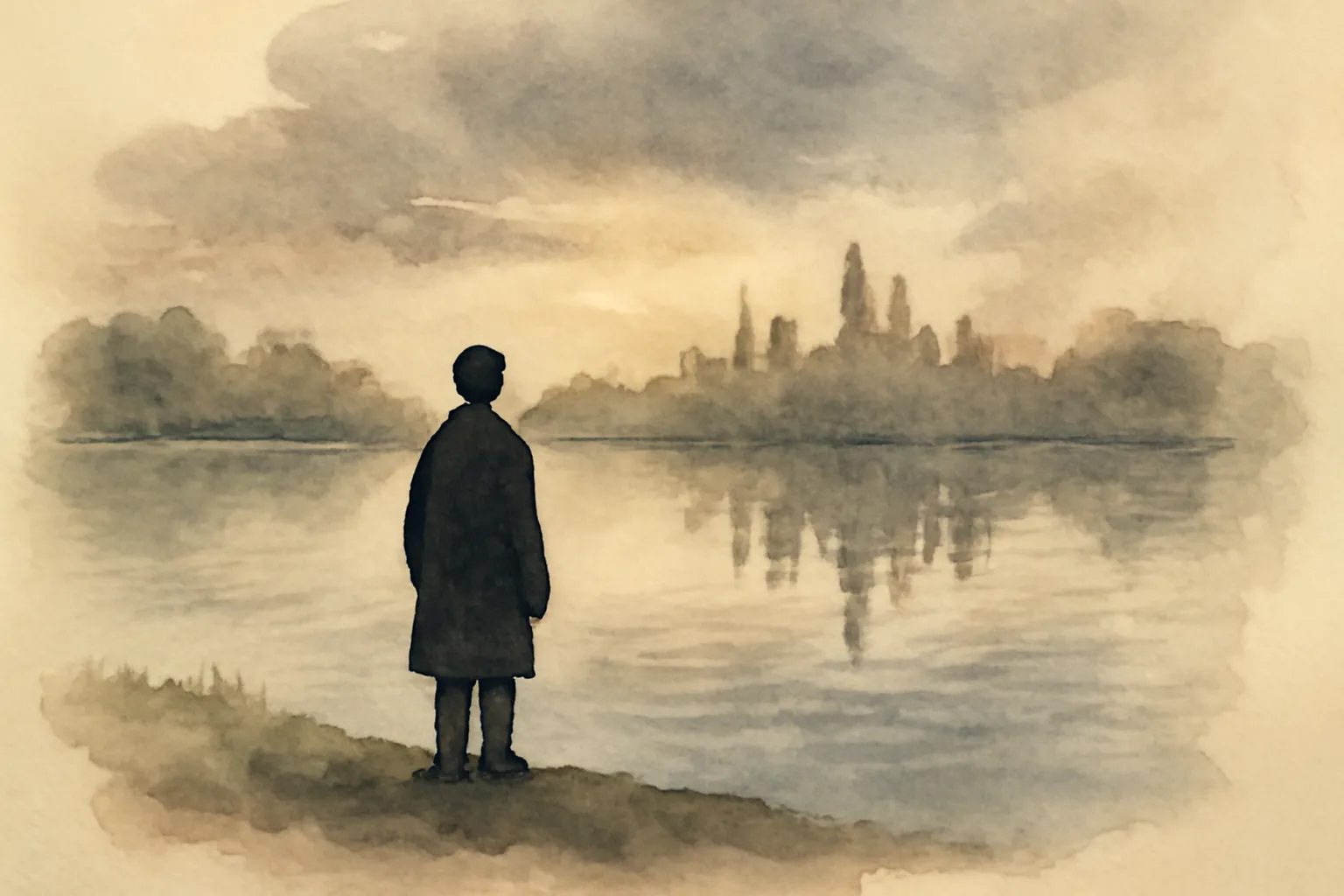
At its core, the novel is about Toru Okada’s quest to understand himself amid chaos and loss. As his wife disappears and his life unravels, Toru is forced to confront not only the mysteries around him but also the enigmatic aspects of his own personality. The narrative suggests that identity is not fixed, but something we must actively seek, often through confronting pain, uncertainty, and the unknown.
2.Blurring Reality and the Surreal
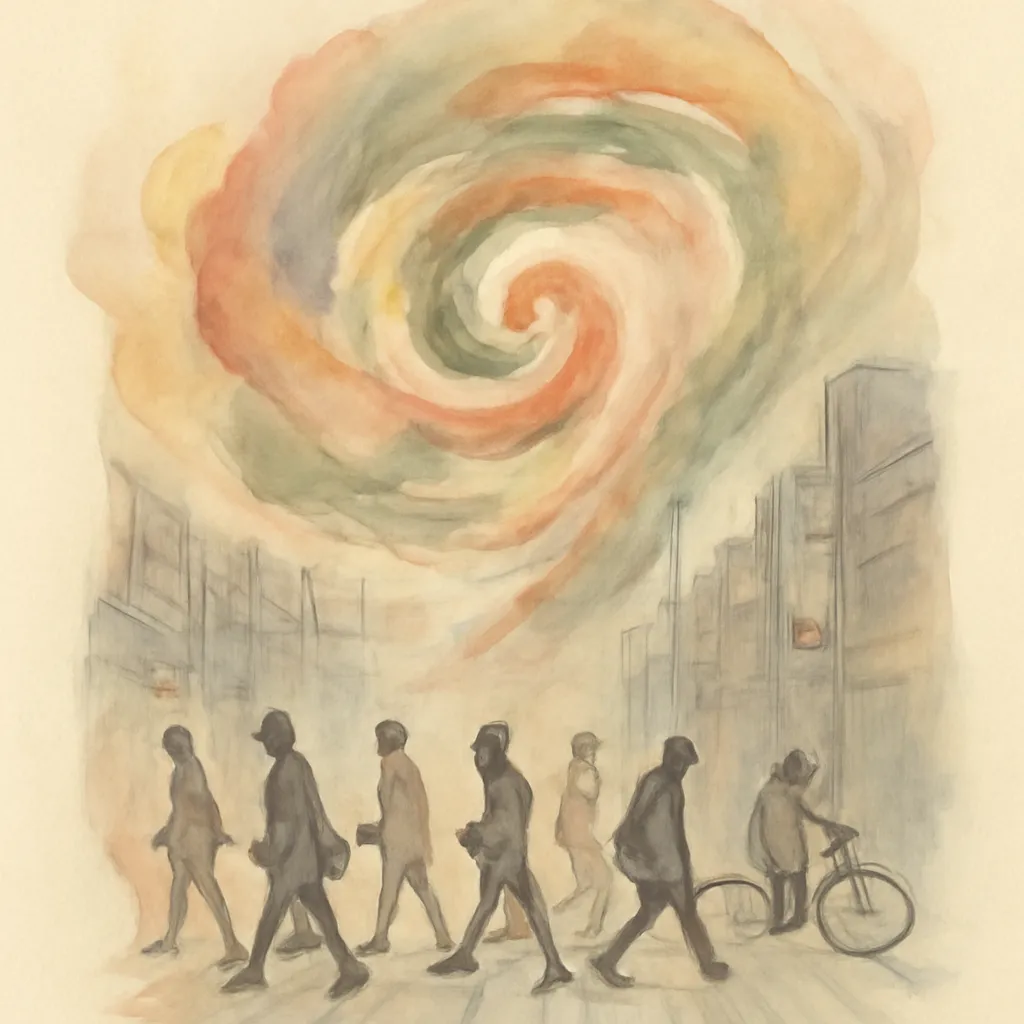
Murakami masterfully blends the ordinary with the fantastical, creating a world where psychic experiences, dream logic, and bizarre occurrences intrude upon daily life. This blurring challenges readers’ perceptions of what is real and what is imagined, suggesting that reality itself is layered and subjective. The surreal elements serve as metaphors for psychological and emotional truths that resist straightforward explanation.
3.The Weight of History
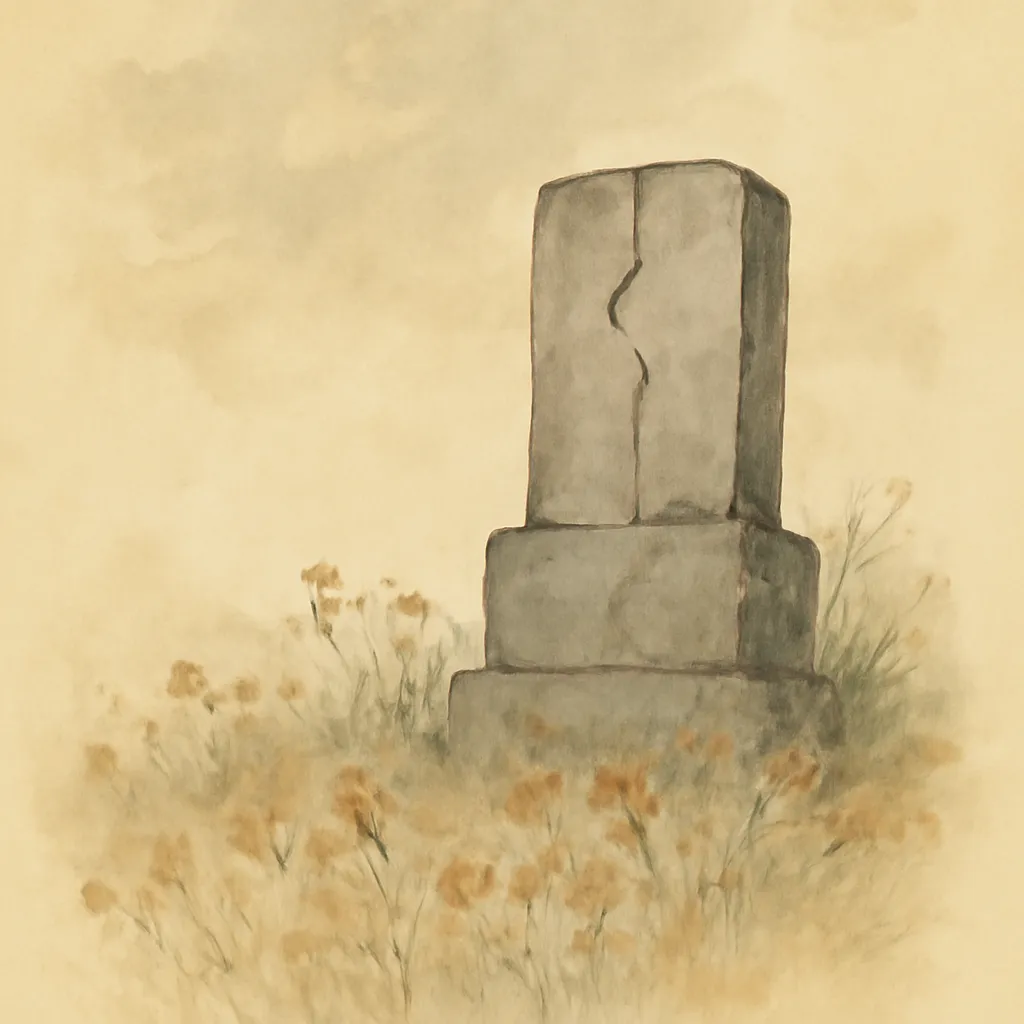
Interwoven with Toru's personal story are haunting accounts of Japan’s wartime past, particularly the atrocities in Manchuria. These historical digressions reveal how collective trauma lingers beneath the surface of society and individual lives. Murakami explores how the unresolved wounds of history can shape, haunt, and even distort the present.
4.Communication and Isolation
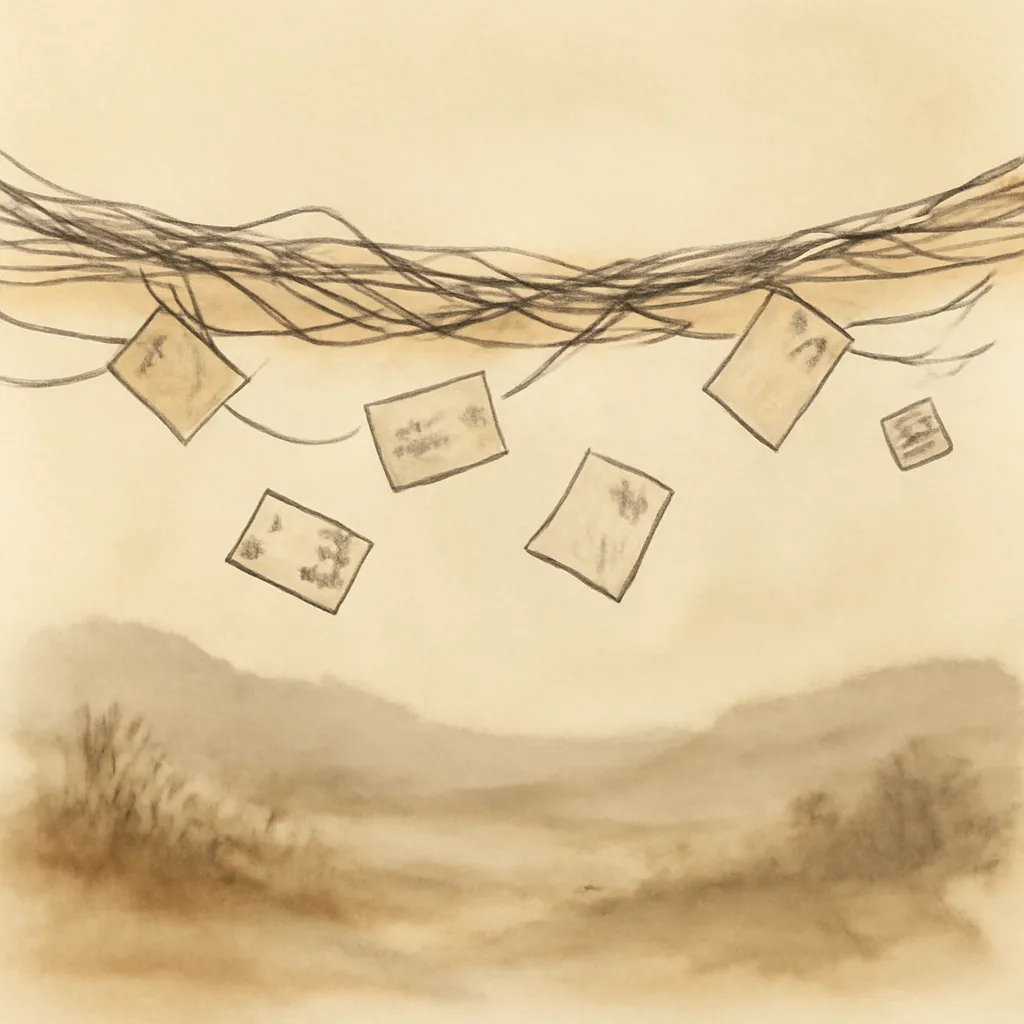
Characters in the novel struggle to connect, often communicating through cryptic phone calls, letters, or even psychic means. This motif underscores a pervasive sense of isolation, not just between individuals but within oneself. The difficulty of truly understanding or reaching another person becomes a central tension, reflecting broader anxieties about alienation in modern life.
5.The Power of the Subconscious
Much of the novel’s action takes place in dreamlike spaces—wells, empty houses, and psychic landscapes. These settings symbolize the subconscious mind, where repressed memories and desires surface. Murakami suggests that healing and self-understanding require delving into these shadowy inner worlds, even at the risk of discomfort or danger.
6.The Role of Chance and Fate
Random encounters and inexplicable coincidences drive the plot, raising questions about destiny versus free will. Toru’s journey is shaped as much by accident as by intention, prompting readers to consider how much control we truly have over our lives and the forces that shape them.