1.The Body as a Dynamic System
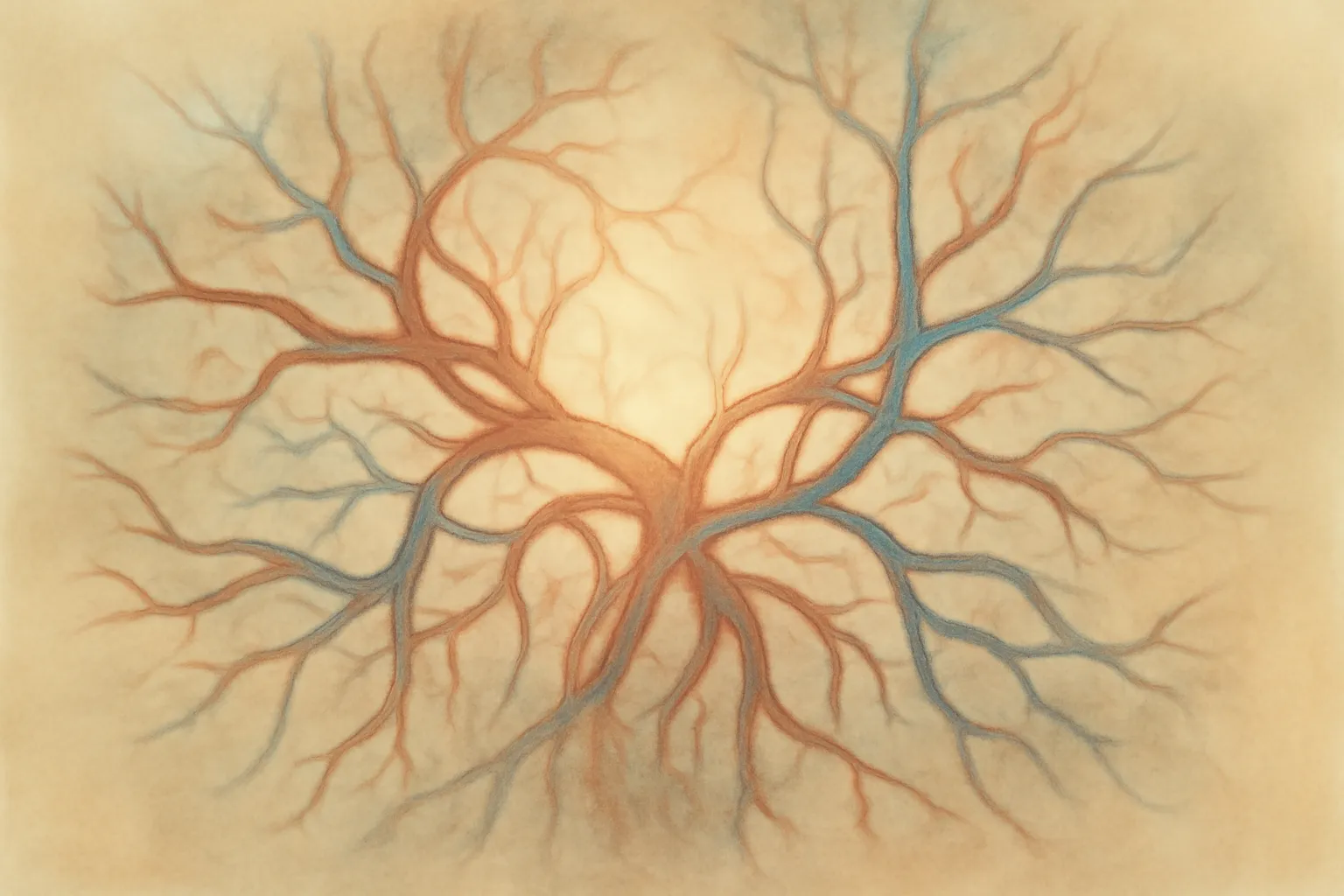
Nuland emphasizes that the human body is not a static machine but a dynamic, ever-adapting system. He illustrates how apparent chaos—chemical reactions, cellular responses, and tissue interactions—are actually part of a sophisticated, self-regulating process. This turbulence is not a flaw, but a feature that allows the body to maintain stability (homeostasis) and respond to challenges. The book invites readers to appreciate the complexity and resilience built into our biology.
2.Homeostasis: The Balance of Life
A core theme is the concept of homeostasis—the body's ability to maintain internal equilibrium despite external changes. Nuland delves into how organs, hormones, and feedback loops work together to keep us alive. He makes clear that health is not a static state, but a continual process of adaptation and correction, often invisible to us unless something goes wrong. This perspective shifts our understanding of disease from a simple malfunction to a disruption in a delicate balancing act.
3.The Evolution of Human Spirit
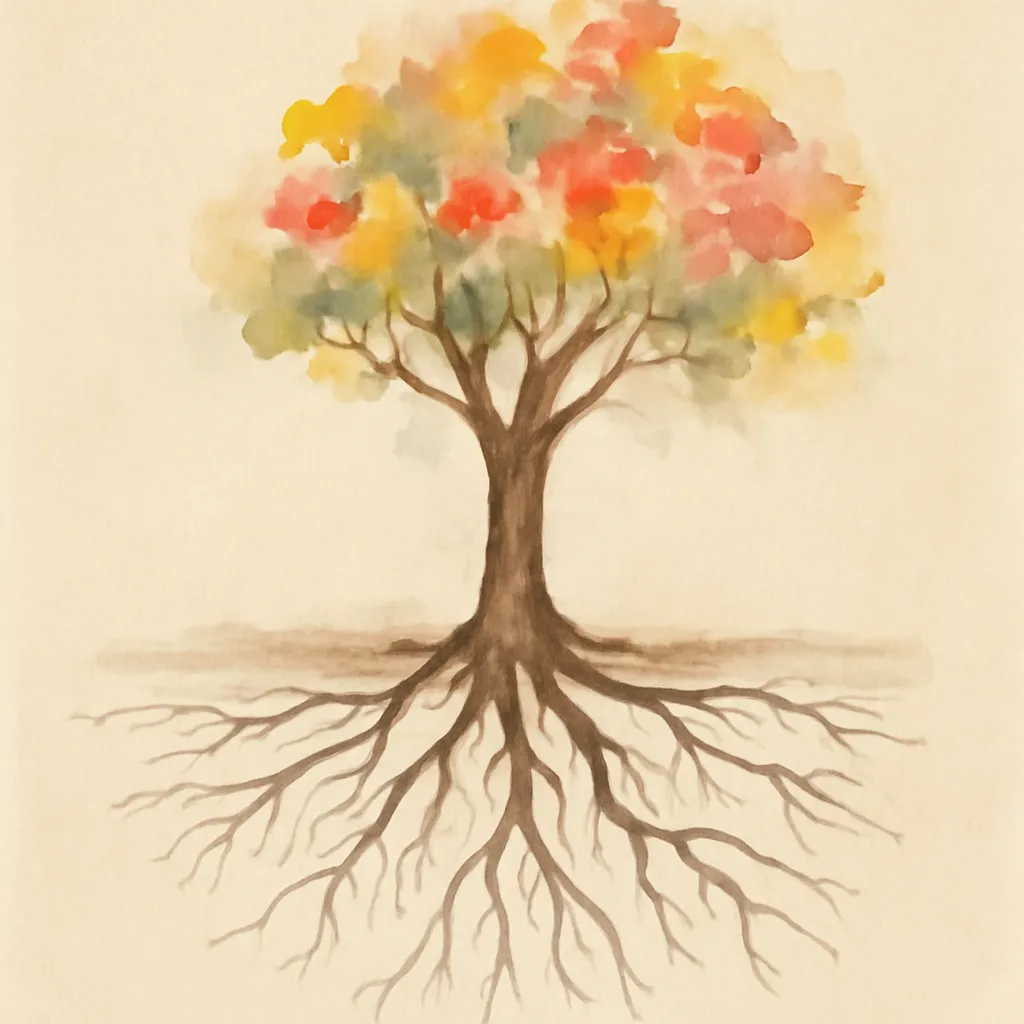
Beyond the mechanics of biology, Nuland explores how our physical evolution has enabled the emergence of the 'human spirit.' He argues that our unique consciousness, creativity, and moral capacity are deeply rooted in our biology. The book traces the journey from primitive survival instincts to the development of self-awareness and empathy, suggesting that what makes us human is inseparable from the wisdom encoded in our bodies.
4.Medicine as Both Science and Art
Nuland, a practicing surgeon, reflects on medicine as a discipline that straddles science and art. He discusses the limits of scientific knowledge and the importance of intuition, judgment, and compassion in medical practice. The book conveys a reverence for the mysteries of the body and cautions against reductionist thinking, advocating for a holistic approach to healing that honors both empirical evidence and the individuality of each patient.
5.The Narrative of Illness and Healing
The book is rich with stories of patients and medical cases, which Nuland uses to illustrate broader ideas about health and disease. He shows how illness disrupts not just the body's systems but also the narrative of a person's life. Healing, therefore, is not just a physical process but a restoration of meaning and coherence. This narrative approach humanizes medicine and reminds readers that every medical journey is unique.
6.Humility Before Complexity
Throughout, Nuland urges humility in the face of the body's complexity. He warns against the hubris of thinking we can fully master or control biological processes. Instead, he advocates for awe and respect for the intricate systems that sustain us, and for a medical practice that acknowledges the limits of human understanding.