1.Atmosphere as Character
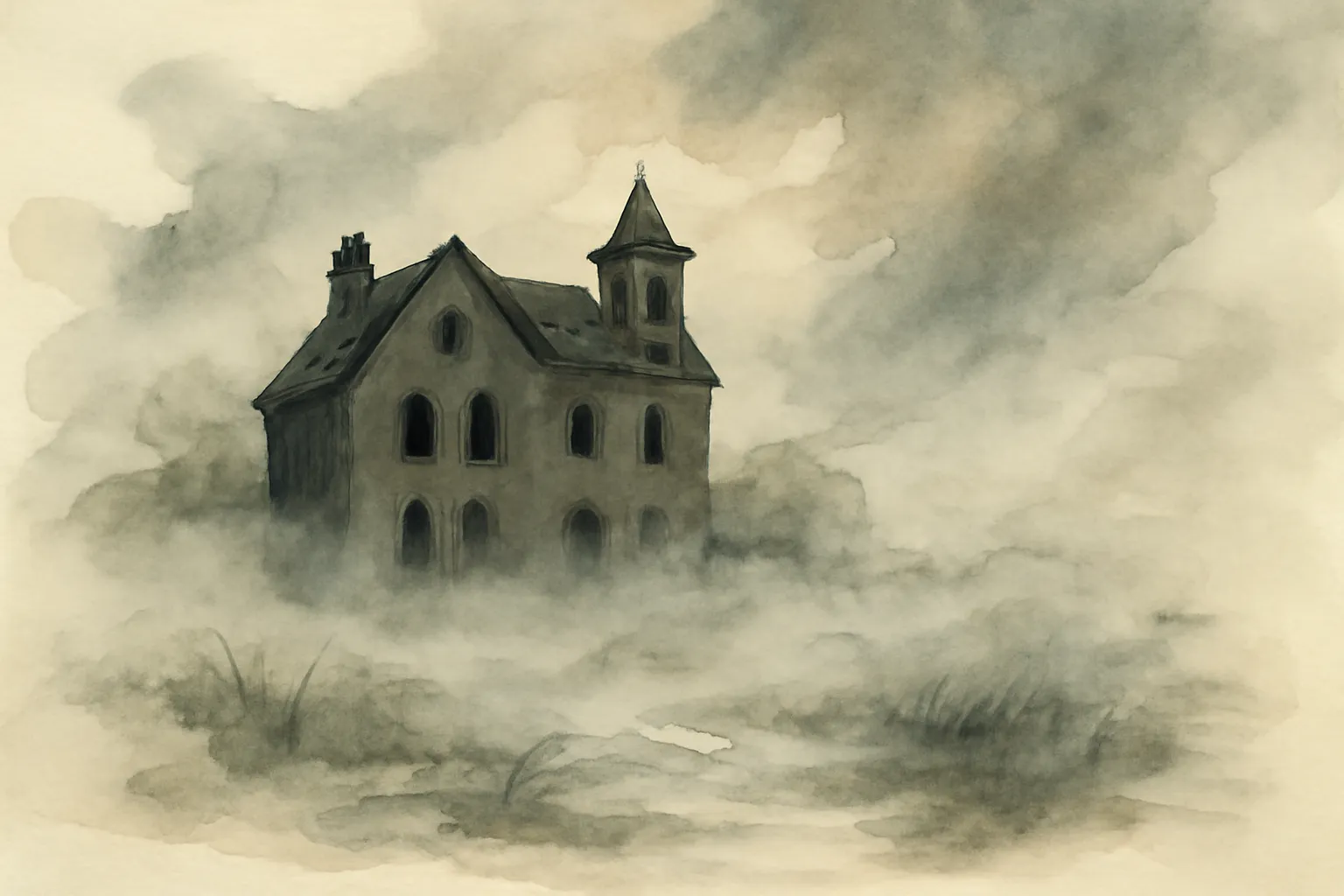
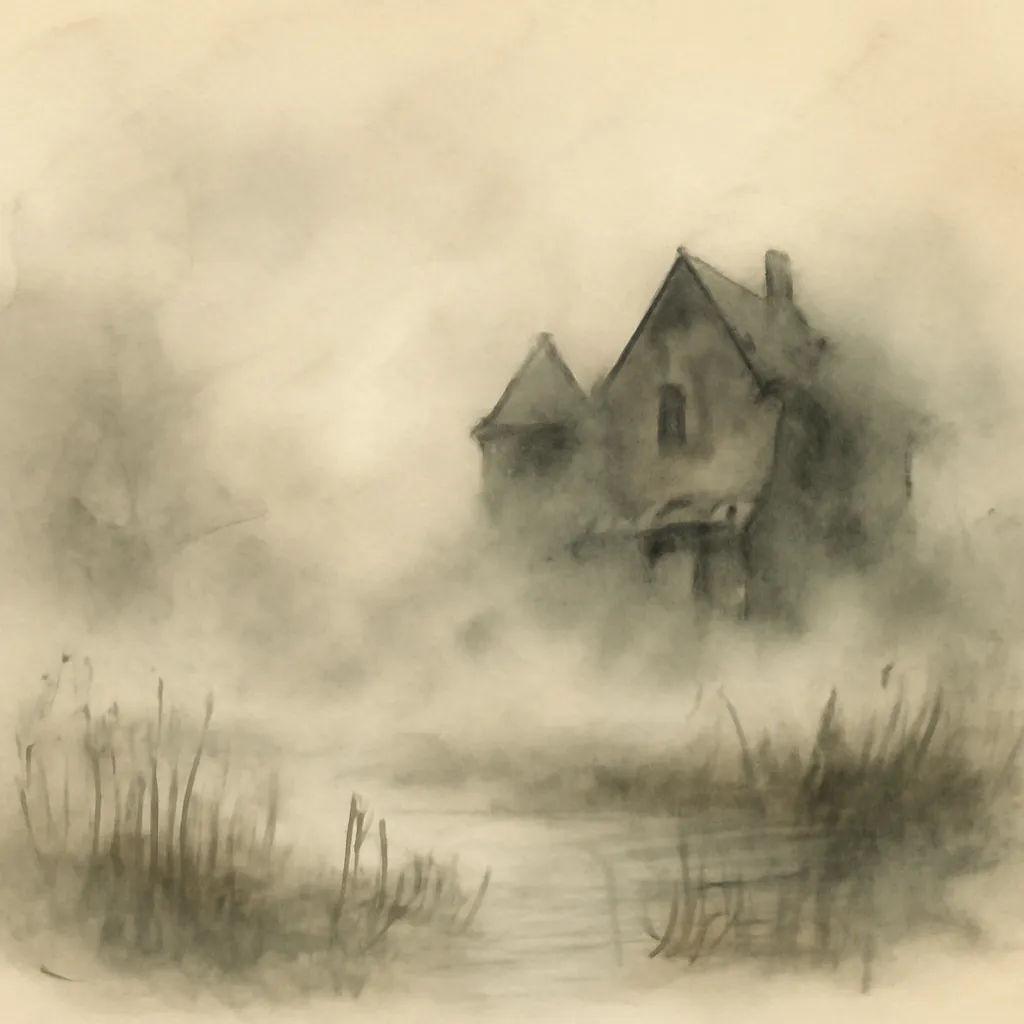
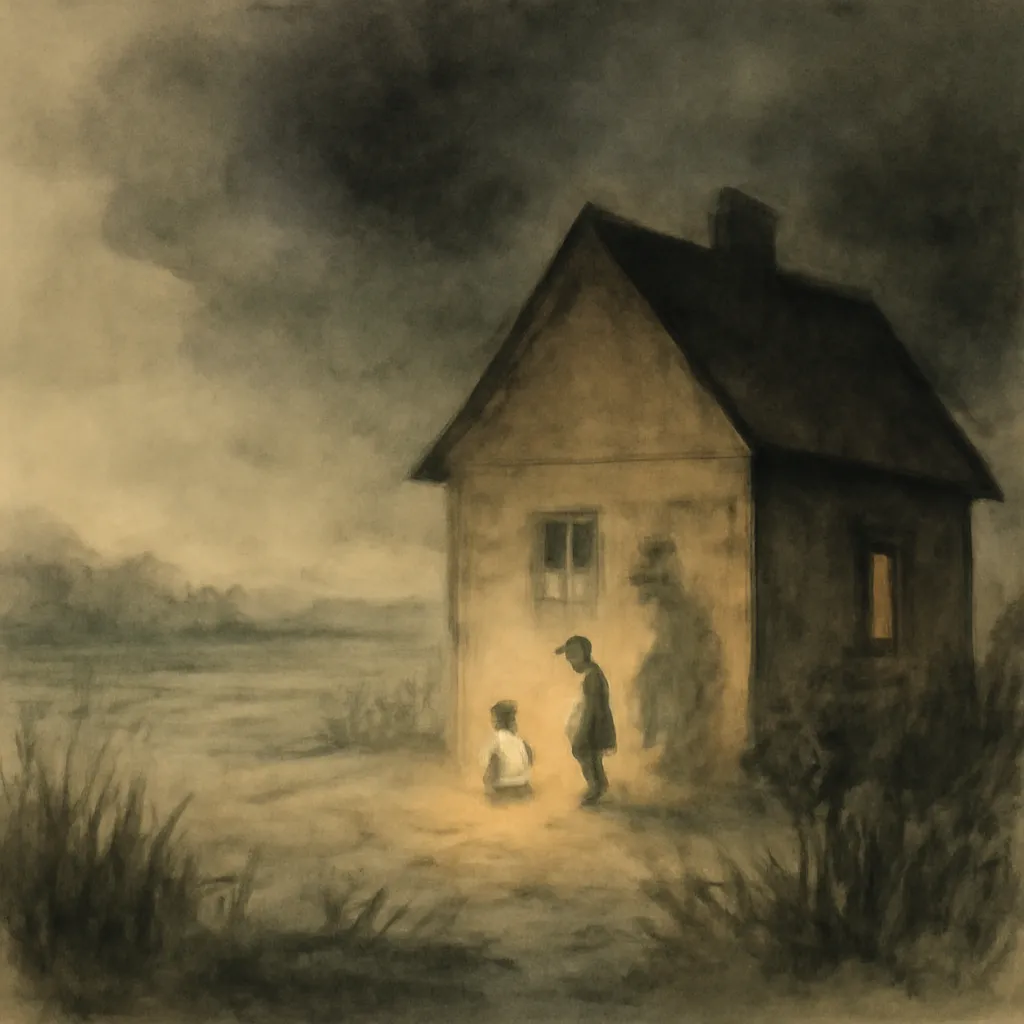
Hill’s mastery lies in her ability to make the setting—Eel Marsh House and its desolate surroundings—feel as alive and menacing as any ghost. The fog-shrouded marshes, the isolation of the house, and the unpredictable tides create a sense of claustrophobia and dread. The environment is not just a backdrop but an active participant in the protagonist’s ordeal, amplifying the psychological tension and reinforcing the story’s themes of entrapment and the unknown.
2.The Haunting Power of Grief
At its core, 'The Woman in Black' is a meditation on grief and its destructive potential. The titular ghost is not simply a figure of terror but a symbol of unresolved sorrow and rage. Her relentless vengeance stems from a personal tragedy, turning her into a force that inflicts suffering on others. Hill suggests that grief, when left unaddressed, can become malignant—affecting not only the individual but also the wider community.
3.Rationality vs. the Supernatural
Arthur Kipps, the protagonist, approaches the world with a rational, modern mindset, believing that every mystery has a logical explanation. His journey is one of gradual disillusionment as he confronts phenomena that defy reason. The novel probes the limits of rationality and the human need to find meaning in the inexplicable, ultimately suggesting that some horrors are beyond explanation.
4.Isolation and Vulnerability
Isolation is both a physical and emotional state in the novel. Kipps’s time at Eel Marsh House is marked by profound solitude, which heightens his vulnerability to both supernatural and psychological threats. Hill uses isolation to strip away the protagonist’s defenses, making his terror—and the reader’s—more immediate and palpable. This theme resonates with anyone who has felt alone in the face of overwhelming fear.
5.The Enduring Legacy of the Past
The novel underscores how the past refuses to stay buried. The events that led to the Woman in Black’s haunting are decades old, yet their consequences ripple forward, affecting innocent people. Hill explores the idea that history—especially when marked by injustice or trauma—can cast a long and inescapable shadow over the present.
6.The Unreliability of Memory
Hill frames the story as a recollection, inviting readers to question the accuracy of Arthur’s memories. This device adds another layer of ambiguity: is the terror he experienced entirely supernatural, or is it colored by his own emotional state and the passage of time? The novel thus plays with the idea that memory itself can be haunted.