1.Women’s Invisible Service
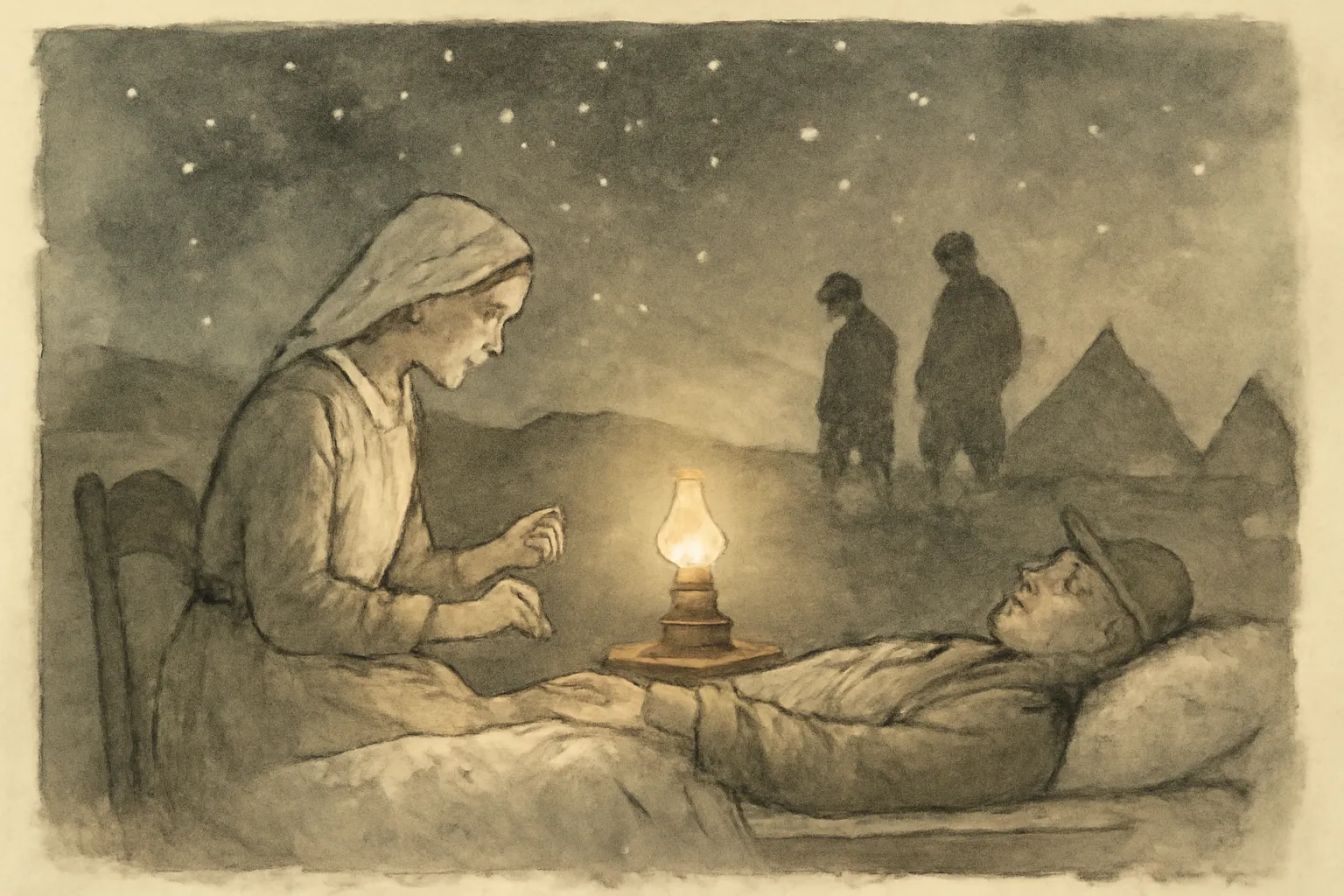
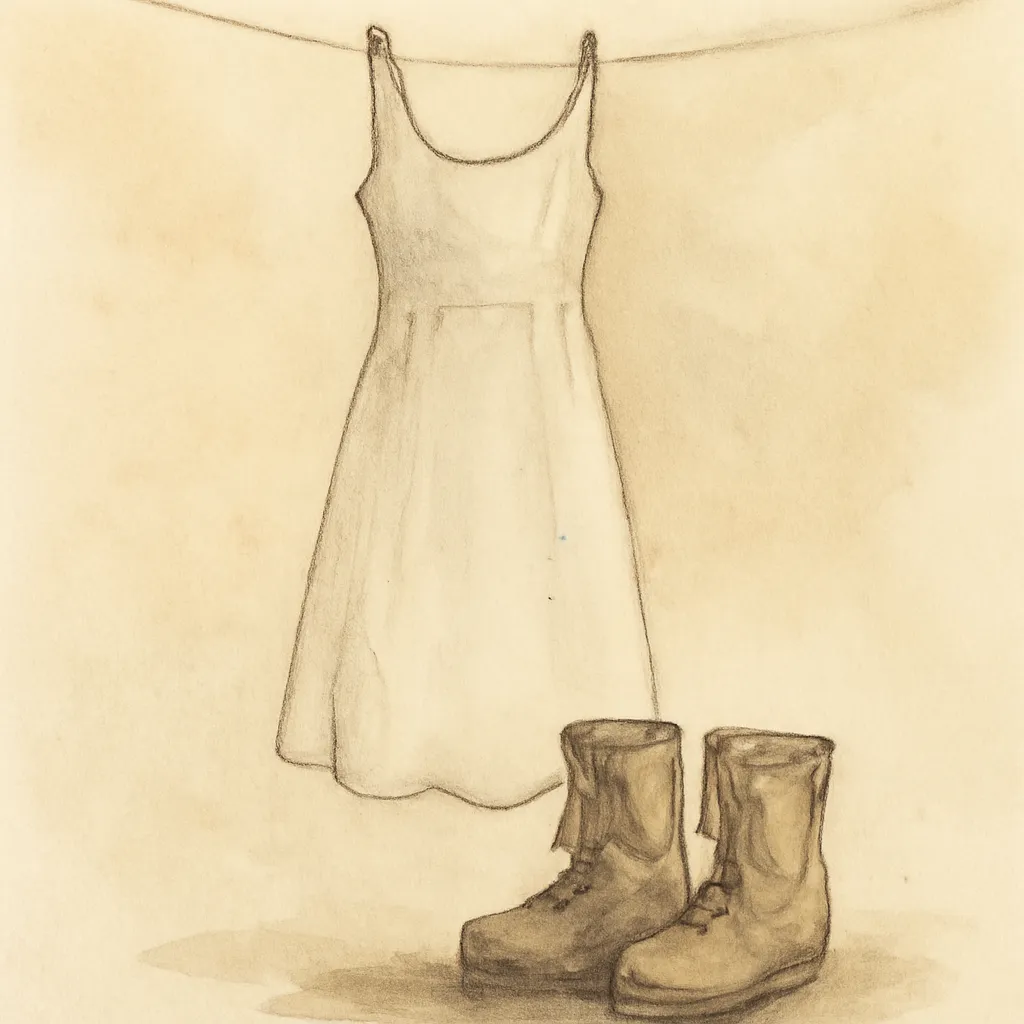
Hannah brings to light the overlooked contributions of women in the Vietnam War, focusing on nurses like Frankie who were essential to the war effort but often erased from the historical record. Through vivid storytelling, the novel challenges the myth that only men served or suffered, highlighting the courage, competence, and sacrifices of women. This perspective reframes the narrative of Vietnam, making visible the emotional and physical toll on female veterans and the lack of recognition they faced.
2.The Trauma of War—and Homecoming
The novel doesn’t shy away from the psychological scars left by war. Frankie and her fellow nurses endure not only the horrors of battlefield injuries and death but also the profound sense of alienation and betrayal upon returning to a divided America. Hannah explores PTSD, survivor’s guilt, and the struggle to reintegrate into a society eager to forget the war, making the story as much about the aftermath as the conflict itself.
3.Female Friendship and Solidarity
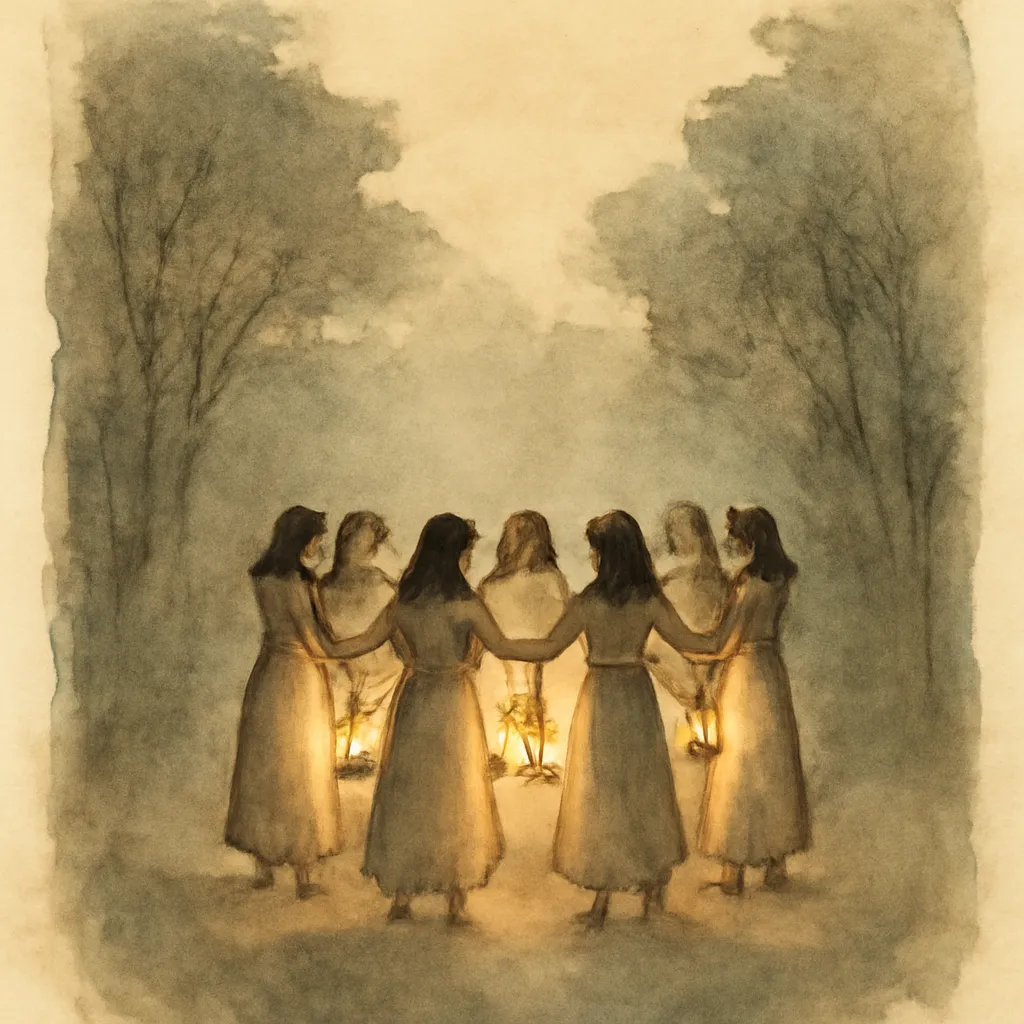
At the heart of the novel are the deep bonds between Frankie and the other women she serves with. These friendships become lifelines in the chaos of war and in the isolation of homecoming. Hannah shows how shared adversity forges unbreakable connections, and how women support one another in the face of institutional neglect and societal indifference.
4.Challenging Gender Roles
Frankie’s journey is also one of self-discovery and rebellion against the restrictive gender expectations of the 1960s. By volunteering for Vietnam, she defies her conservative upbringing and the era’s norms, asserting her right to agency and heroism. The novel interrogates what it means to be a 'good woman' and reclaims the narrative of female bravery.
5.Memory, Silence, and Historical Erasure
A recurring theme is the silence surrounding women’s wartime experiences—both personal and societal. Hannah examines how memory and history are shaped by what is left unsaid, and the long-term consequences of erasing women’s stories. The book becomes an act of witness, urging readers to remember and honor those who were forgotten.
6.The Cost—and Necessity—of Speaking Out
Frankie’s struggle to have her service acknowledged mirrors the broader fight for recognition faced by women veterans. The novel suggests that healing and justice require confronting uncomfortable truths and demanding visibility, even when society resists. In this way, 'The Women' is both a tribute and a call to action.