1.The Power of Home
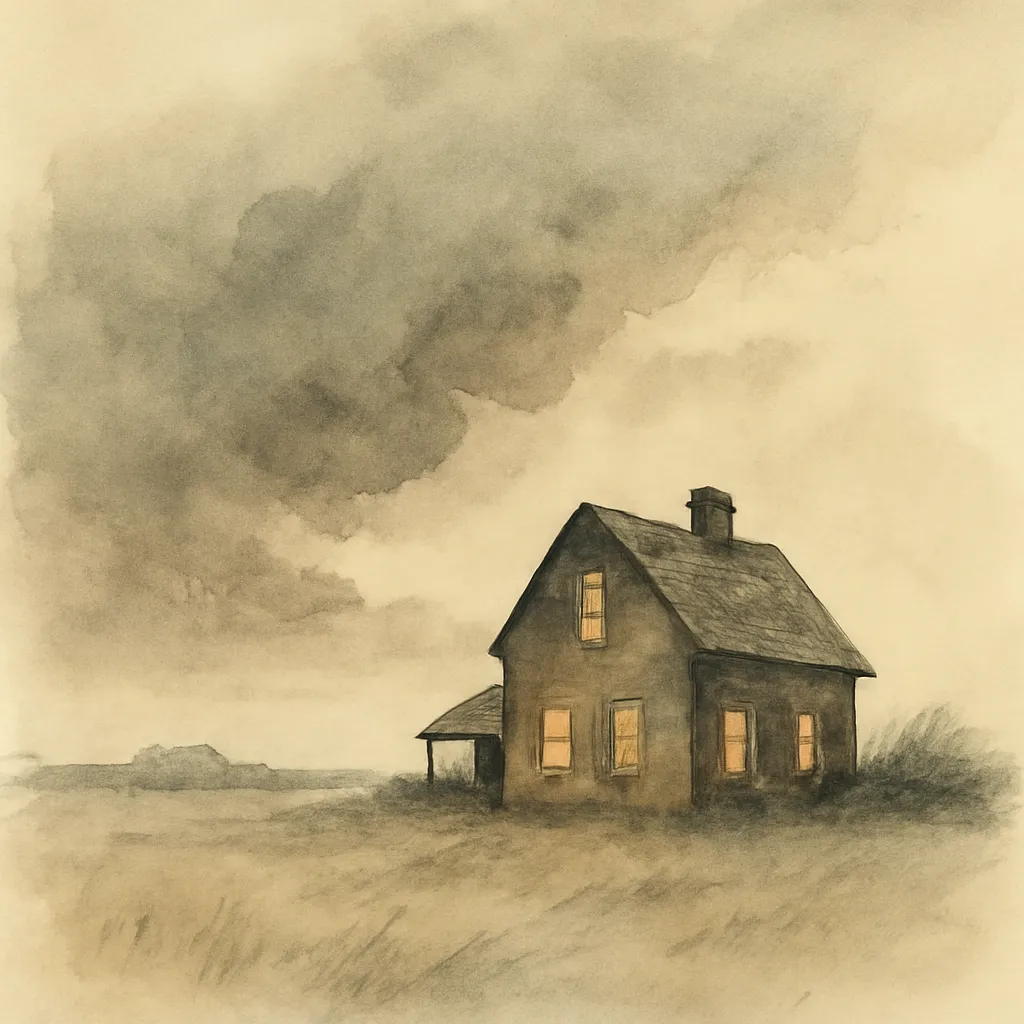
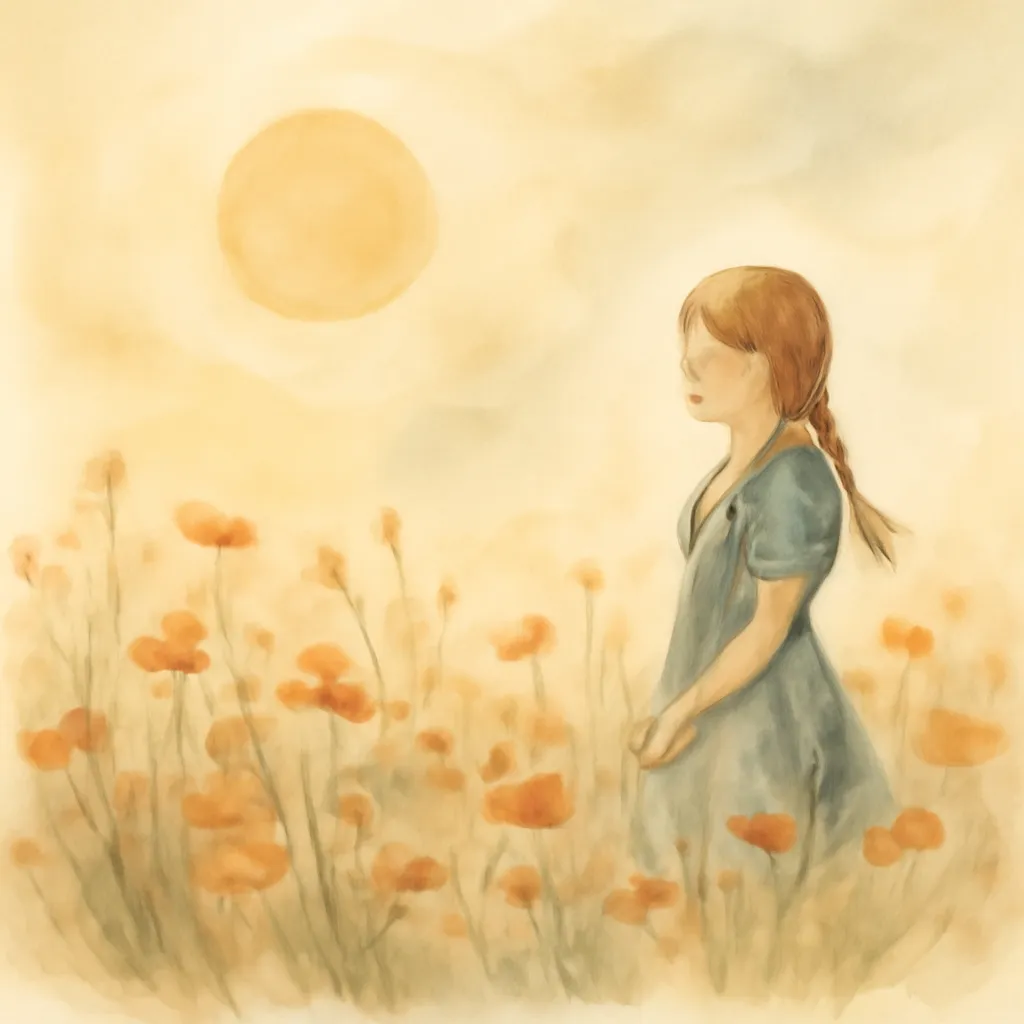
Dorothy's longing for home serves as the emotional core of the narrative. Despite the colorful wonders of Oz, she yearns for the familiarity and comfort of Kansas, where her Aunt Em and Uncle Henry reside. This desire highlights the universal theme of home as a place of love, safety, and identity. Throughout her journey, Dorothy learns that no matter how enticing new experiences may be, the bonds of family and the sense of belonging are irreplaceable. The stark contrast between the gray, harsh realities of Kansas and the vibrant, fantastical elements of Oz emphasizes that home is not merely about surroundings but the relationships and memories that shape a person's identity. In the end, Dorothy's realization that 'there's no place like home' encapsulates the idea that true happiness often lies within the familiar and the loved ones we cherish.
2.Friendship and Companionship
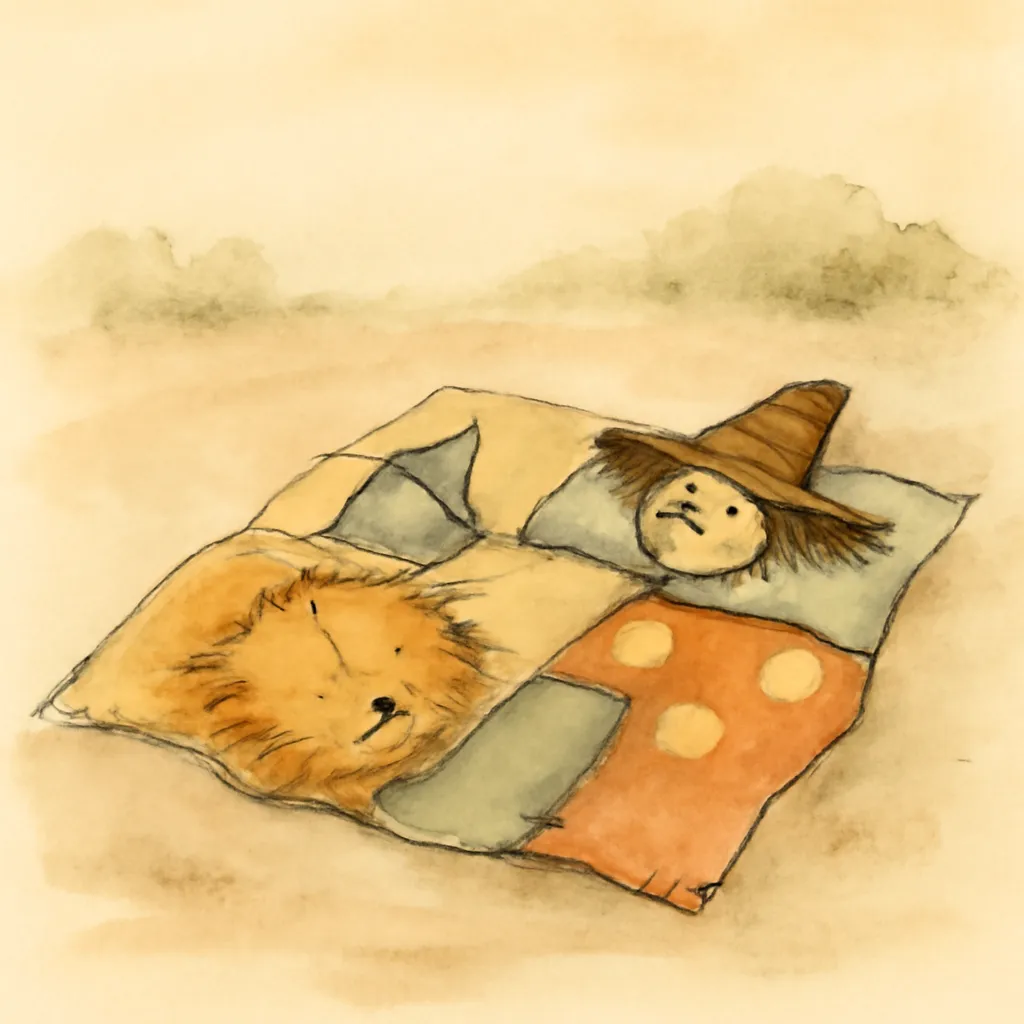
The relationships Dorothy forms with her companions—the Scarecrow, Tin Woodman, and Cowardly Lion—are central to her journey. Each character embodies distinct traits and desires, yet they share a common goal: to seek fulfillment and self-acceptance. The Scarecrow, despite his lack of brains, displays wisdom and kindness, teaching Dorothy about the importance of perspective. The Tin Woodman, who longs for a heart, exemplifies compassion and loyalty, showing that empathy is a strength, not a weakness. The Cowardly Lion, in search of courage, ultimately reveals that bravery is not the absence of fear but the willingness to face it. Their bond evolves into a deep friendship that showcases the power of unity and support in overcoming challenges. The collective journey underscores the significance of companionship in navigating life's uncertainties and the courage to pursue one's dreams.
3.The Quest for Identity
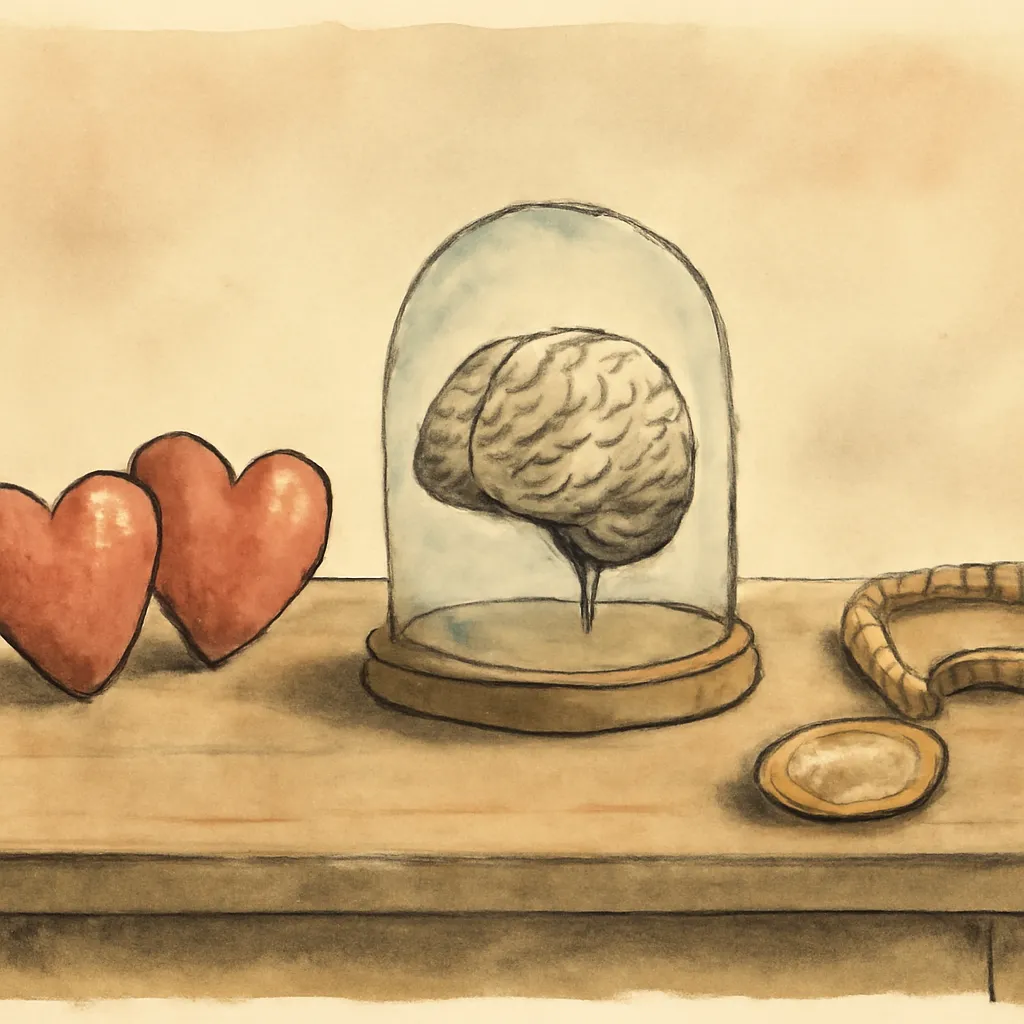
Each character’s quest for a physical trait—brains, heart, and courage—serves as a metaphor for self-discovery and personal growth. Dorothy's companions believe they lack these essential qualities; however, their actions throughout the story reveal the opposite. The Scarecrow displays resourcefulness and quick thinking when faced with obstacles, suggesting that intelligence comes in many forms beyond mere knowledge. The Tin Woodman shows immense heart when he expresses sorrow for the plight of others, indicating that kindness defines humanity more than any physical heart could. The Cowardly Lion's ultimate display of bravery challenges the notion that one must be fearless to be courageous. Through these journeys, Baum illustrates that identity is not solely defined by external attributes but is shaped by our actions, relationships, and the choices we make in the face of adversity.
4.The Role of Adversity
Adversity serves as a pivotal catalyst for growth throughout the narrative. Dorothy faces numerous challenges, from navigating the treacherous landscape of Oz to confronting powerful adversaries like the Wicked Witch of the West. Each challenge tests her resolve, pushing her to adapt and learn. The Scarecrow, Tin Woodman, and Cowardly Lion also confront their fears and limitations when faced with danger, reinforcing that growth often stems from overcoming hardships. The story emphasizes that while adversity may seem daunting, it can lead to newfound resilience and understanding. For instance, the Lion's encounter with the Wicked Witch not only tests his courage but ultimately solidifies his role as a protector of his friends. This theme underscores the idea that challenges, rather than being mere obstacles, can illuminate paths to self-awareness and strength.
5.The Illusion of Power
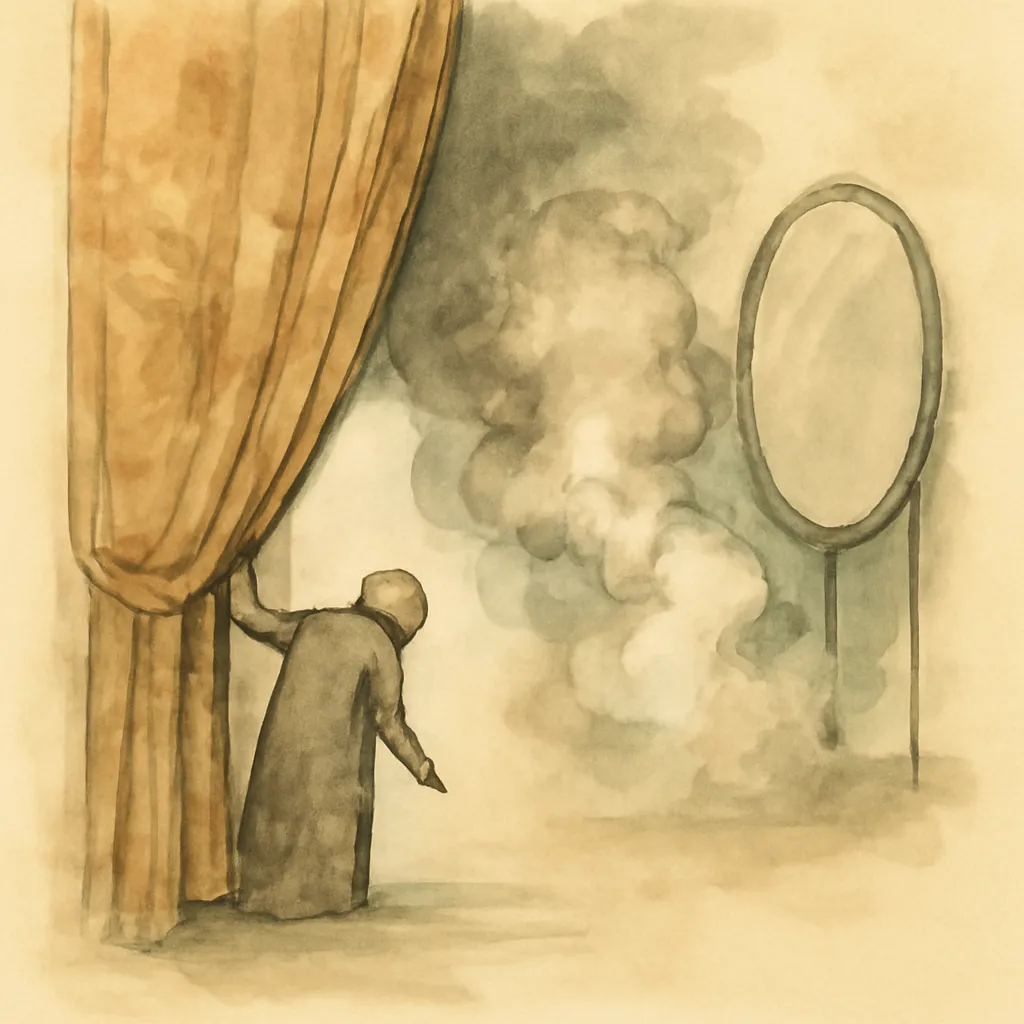
The character of the Wizard of Oz represents the illusion of power and the human tendency to seek validation from external sources. At first, he is portrayed as an omnipotent figure capable of granting wishes and solving problems. However, as Dorothy and her companions discover, he is merely a man using tricks and illusions to create an image of grandeur. This revelation challenges the notion of authority and encourages readers to question what true power entails. The Wizard's eventual admission that he cannot fulfill their wishes reveals that the qualities the characters seek are inherently within them. This theme promotes the idea that self-empowerment comes from recognizing one's own abilities rather than relying on an external source for validation. The journey culminates in the understanding that true magic lies in self-awareness and the courage to embrace one's strengths.
6.The Feminine Perspective
Baum’s portrayal of Dorothy offers a fresh perspective on the traditional hero's journey, emphasizing feminine strength and resilience. Unlike typical male heroes who might rely on physical prowess, Dorothy's strength lies in her compassion, determination, and emotional intelligence. Throughout her adventures, she displays resourcefulness and leadership, navigating challenges not through brute force but through cleverness and kindness. The narrative also subverts gender stereotypes, as the male characters—Scarecrow, Tin Woodman, and Cowardly Lion—find themselves dependent on Dorothy for guidance and support. This dynamic challenges the normative roles of masculinity and femininity, suggesting that strength can manifest in various forms, including vulnerability and empathy. By centering a young girl as the protagonist, Baum empowers female readers and illustrates that courage and heroism know no gender.
7.The Enchantment of Oz
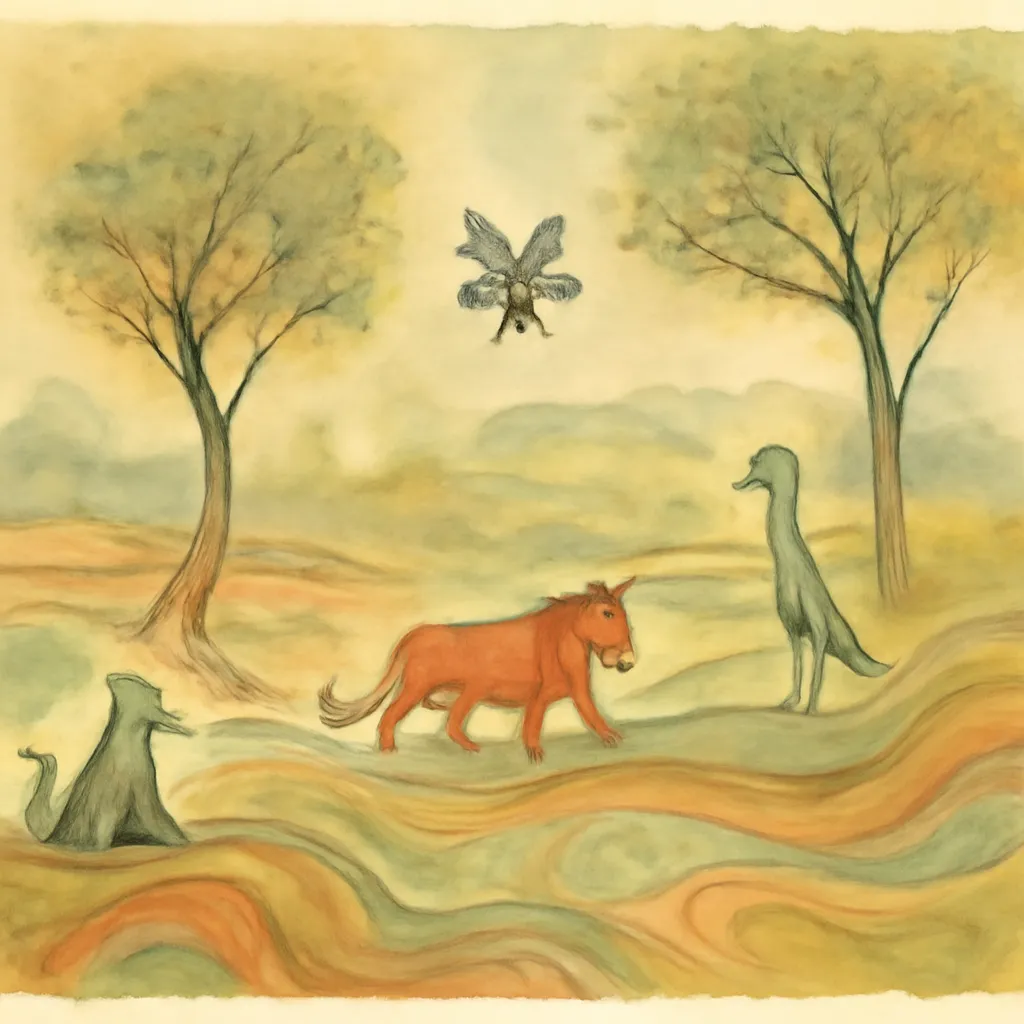
The fantastical setting of Oz itself is a character in the narrative, symbolizing both wonder and the unknown. Baum intricately designs this world with vibrant landscapes, whimsical creatures, and magical elements that captivate the reader's imagination. The contrasts between the various regions of Oz—from the colorful Munchkin country to the foreboding West—serve to enhance the story's themes of adventure and exploration. Each setting reflects the emotional state of the characters, with the beauty of Oz representing hope and potential. This magical realm invites readers to consider the value of imagination and the importance of dreaming beyond the confines of reality. The enchantment of Oz embodies the idea that life is filled with possibilities, and through courage and curiosity, one can uncover extraordinary experiences. This theme resonates with readers of all ages, encouraging them to embrace their imaginations and embark on their own adventures.
8.The Journey of Self-Discovery
Dorothy’s journey is not just a physical one but also a profound journey of self-discovery. Each character she meets reflects aspects of her own personality and desires. Through her interactions with the Scarecrow, Tin Woodman, and Cowardly Lion, she learns to recognize and appreciate her own strengths, resilience, and capacity for love. This process of self-exploration is critical as it highlights the idea that understanding oneself is integral to personal growth. By the story's conclusion, Dorothy embodies a sense of empowerment, fully realizing that her desire to return home stems not just from nostalgia but from a fundamental understanding of her identity. The narrative reinforces that the quest for self-awareness is an essential part of the human experience, urging readers to reflect on their own journeys of growth and understanding.
9.The Symbolism of the Yellow Brick Road
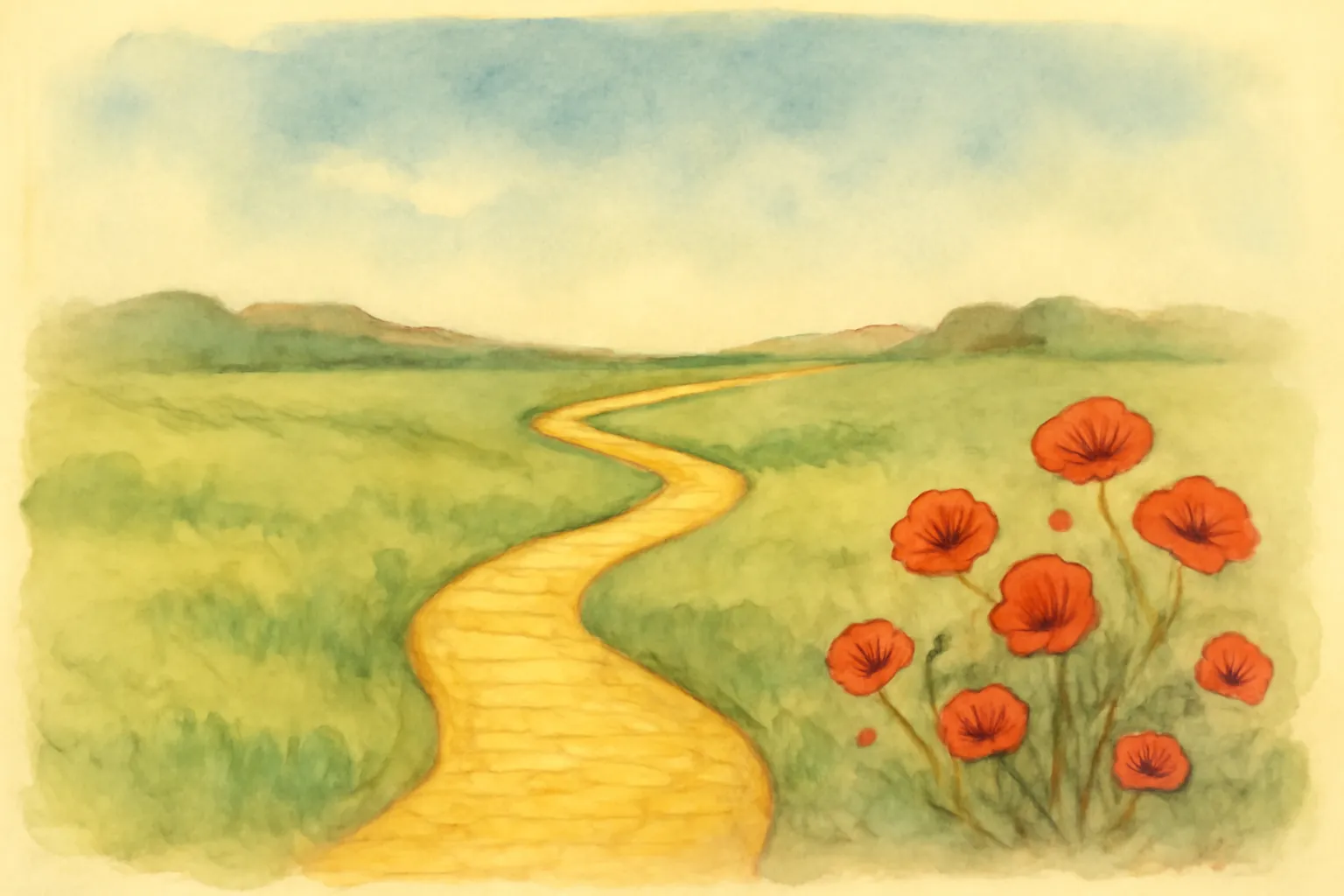
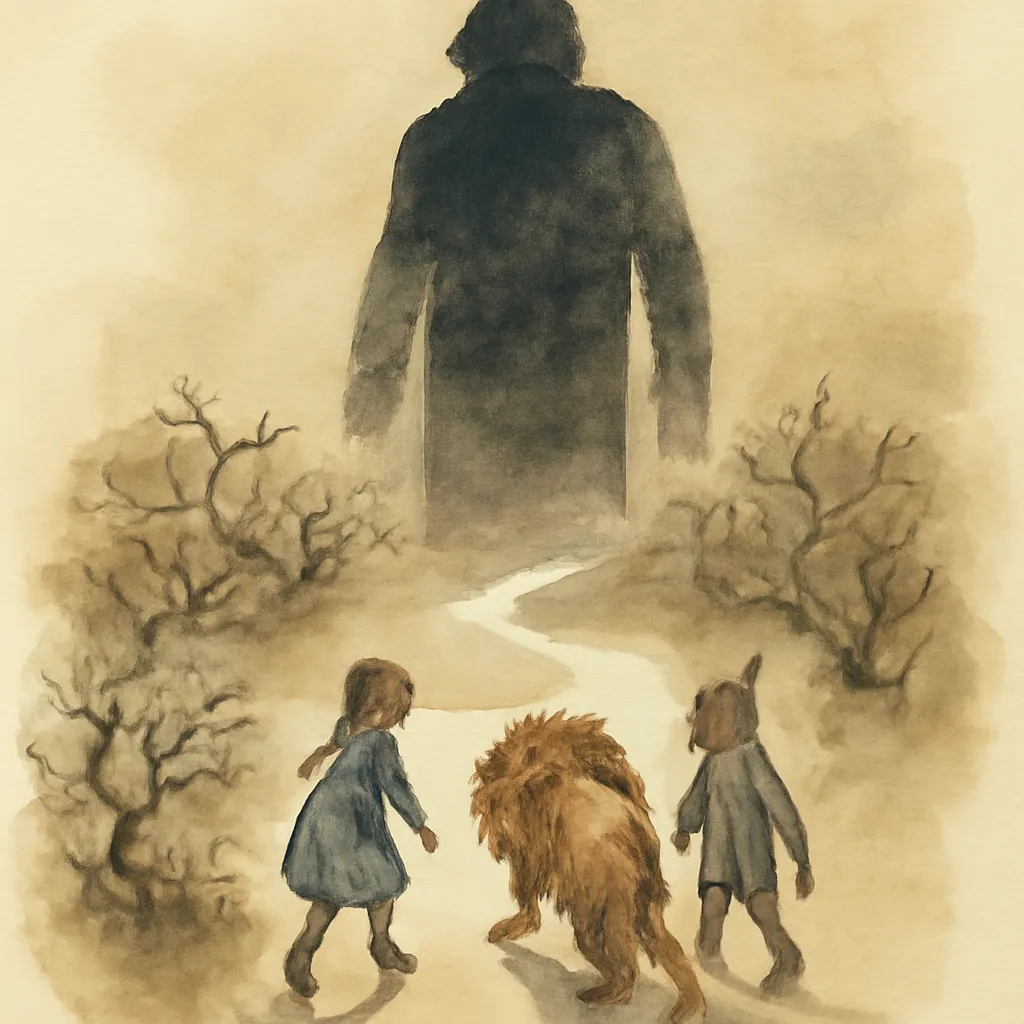
The Yellow Brick Road serves as a powerful symbol of the journey toward self-fulfillment and the pursuit of dreams. As a literal path leading to the Emerald City, it represents the choices and steps one must take to achieve their goals. The road is not always smooth; it is often fraught with challenges that test the travelers’ resolve. Each character’s journey along the road symbolizes their individual quests, with each mile representing growth, discovery, and the lessons learned along the way. The path ultimately leads Dorothy and her companions to confront their deepest desires and fears, reinforcing the notion that the journey is as significant as the destination. Baum's use of the Yellow Brick Road as a metaphor for life's journey encourages readers to embrace their paths, with all its twists and turns, as vital to achieving their dreams.