1.Homeric Society: A World of Chiefs, Not Kings
Finley argues that the society depicted in the Homeric epics is not a monarchy in the modern sense, but a loose collection of powerful chieftains. Authority is personal and based on prowess, reputation, and the ability to command loyalty, rather than on formal institutions or hereditary right. This insight helps readers understand why Odysseus, Agamemnon, and Achilles are constantly negotiating, quarreling, and asserting their status—their world is fluid, competitive, and shaped by personal bonds.
2.Honor, Shame, and Reputation
Central to Homeric life is the pursuit of honor (timē) and the avoidance of shame. Finley shows how every action, from gift-giving to warfare, is governed by a public code of reputation. Success is measured by how one is perceived by peers, and memory—how future generations will speak of a hero—motivates much of the epic action. This cultural framework explains the intensity of disputes and the importance of storytelling itself.
3.The Role of the Gods: Divine as Social Metaphor
Finley interprets the frequent intervention of gods in Homer not as literal belief, but as a reflection of the unpredictability and fragility of human fortunes in a precarious world. The gods personify fate, luck, and the limits of human control, serving as a narrative device to express the uncertainties faced by early Greeks. This demystifies the supernatural elements and roots them in social psychology.
4.Economy and Material Life: A Pre-Monetary World
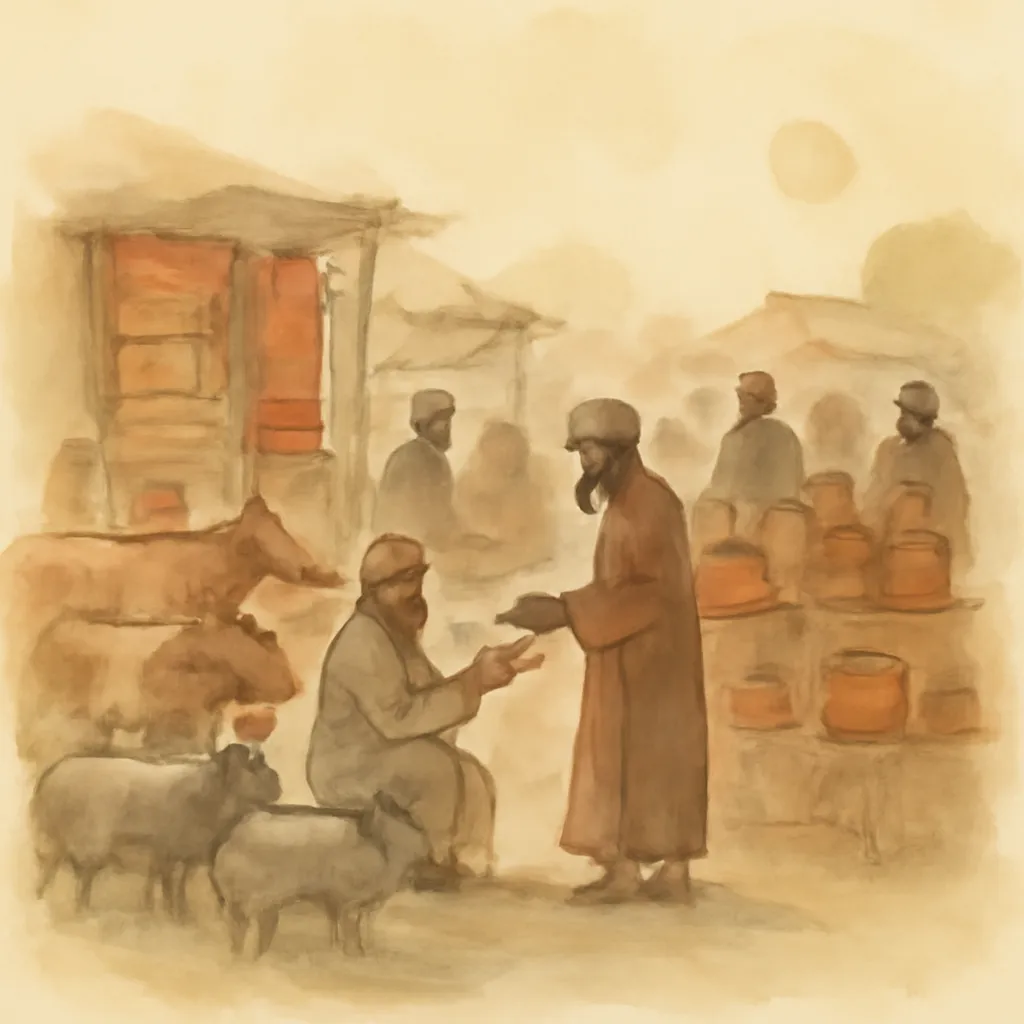
The world of Odysseus, as Finley reconstructs it, is one without coins, markets, or formal contracts. Wealth is measured in livestock, slaves, and luxury goods, and economic exchange is embedded in social relationships. Gift-giving, hospitality, and reciprocal obligations are the currency of the day, emphasizing the personal over the impersonal in economic life.
5.Women, Family, and the Household
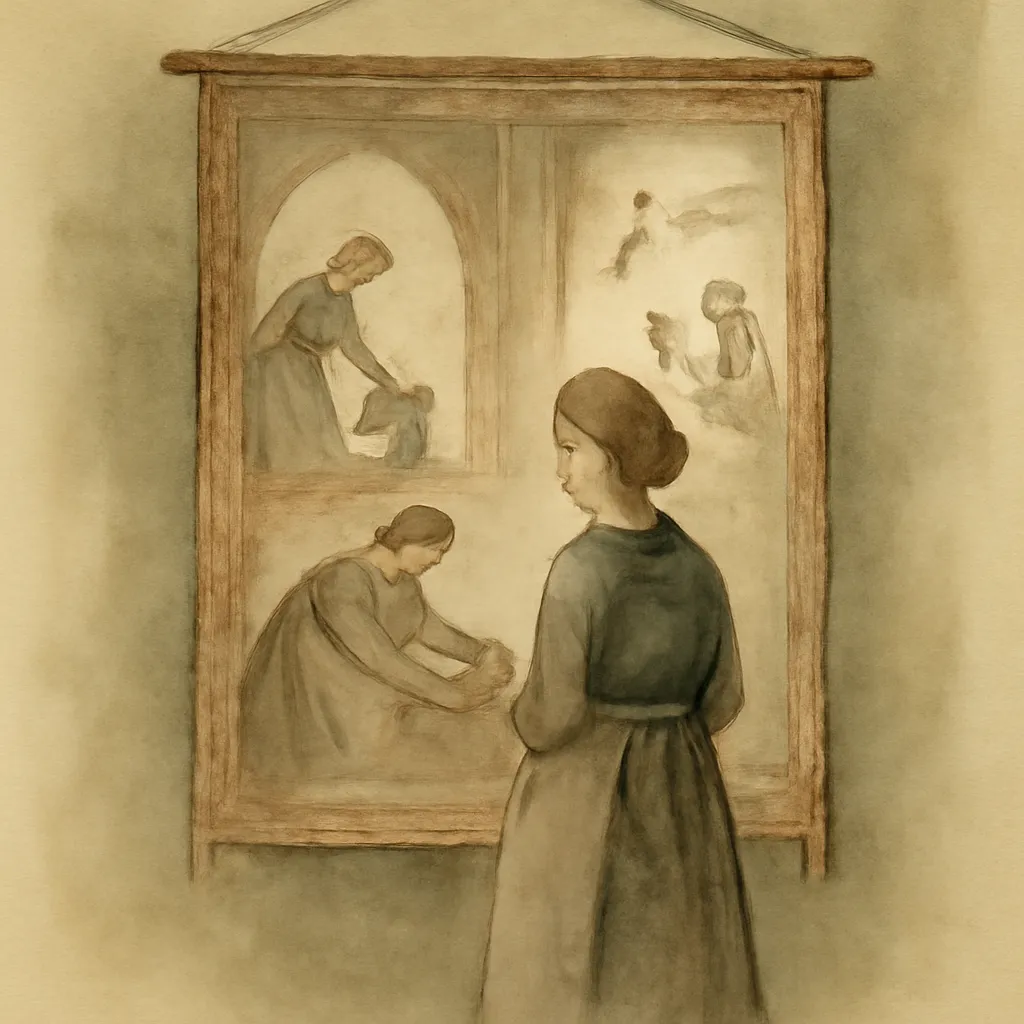
Finley pays particular attention to the roles of women and the structure of the oikos (household). While women are largely confined to domestic spheres, their status and influence within the household are significant, and the stability of the oikos is central to social order. The epic focus on homecoming (nostos) and family loyalty reflects these priorities.
6.Memory, Oral Tradition, and Historical Reality
Finley is careful to distinguish between the historical reality of the Greek Dark Ages and the poetic world of Homer. He argues that the epics blend memory, tradition, and invention, offering a window into the values and anxieties of early Greeks rather than a factual record. This approach invites readers to see Homer as both a source and a mythmaker.