1.Traditional Societies as Living Windows to the Past
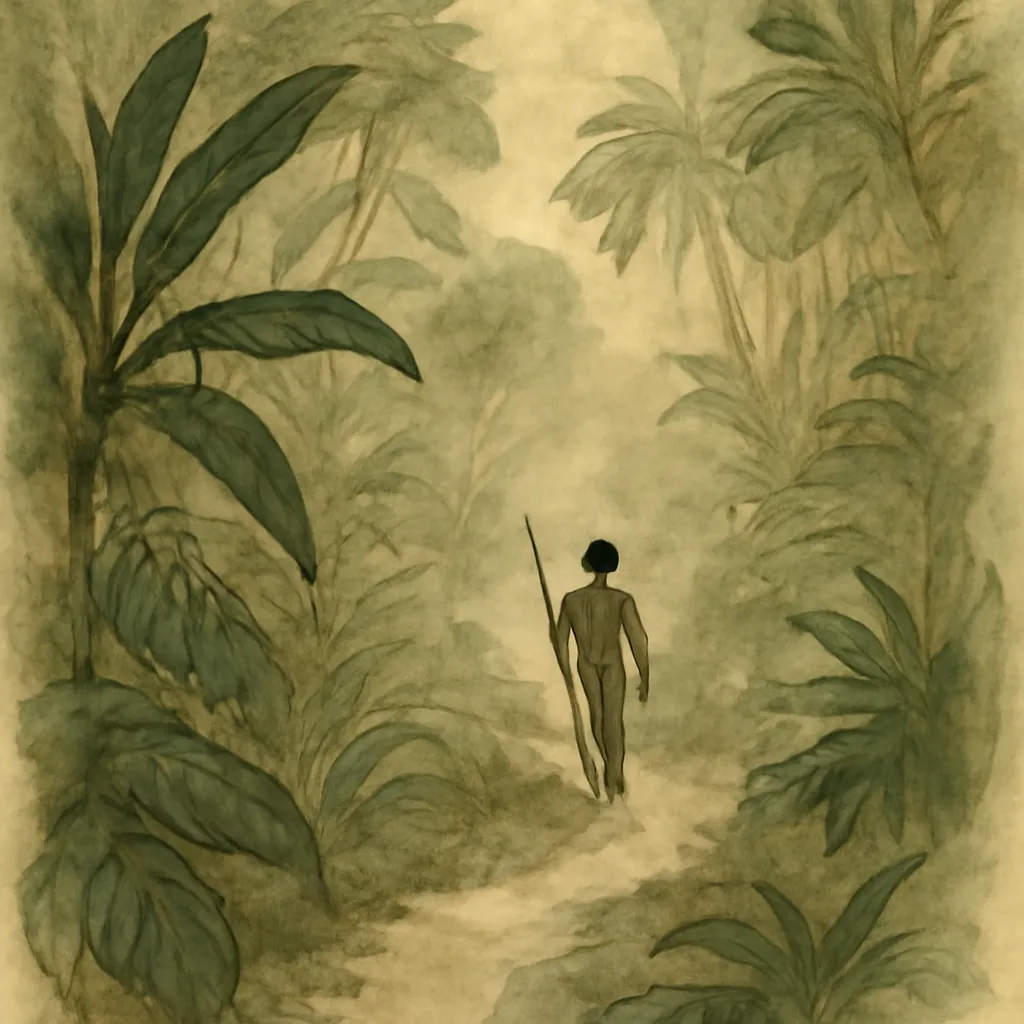
Diamond argues that traditional societies—such as those found in New Guinea, the Amazon, and the Kalahari—offer a unique glimpse into how humans lived for most of our evolutionary history. By studying their social structures, conflict resolution, child-rearing, and health practices, we can better understand the roots of human behavior. Importantly, Diamond does not romanticize these societies; instead, he presents them as experiments in survival, each with their own strengths and flaws. This perspective urges readers to see modern life as just one recent variation in a long continuum of human adaptation.
2.Conflict, Justice, and Reconciliation
One of the book’s central themes is how traditional societies handle conflict and justice. Diamond contrasts the impersonal, state-driven justice of modern societies with the more personal, restorative approaches found in small-scale communities. In traditional settings, disputes are often resolved through negotiation, compensation, and reconciliation, emphasizing the restoration of relationships over punishment. While not always ideal, these methods highlight the value of community cohesion and the potential downsides of modern legal systems that prioritize retribution over healing.
3.Child-Rearing and Socialization
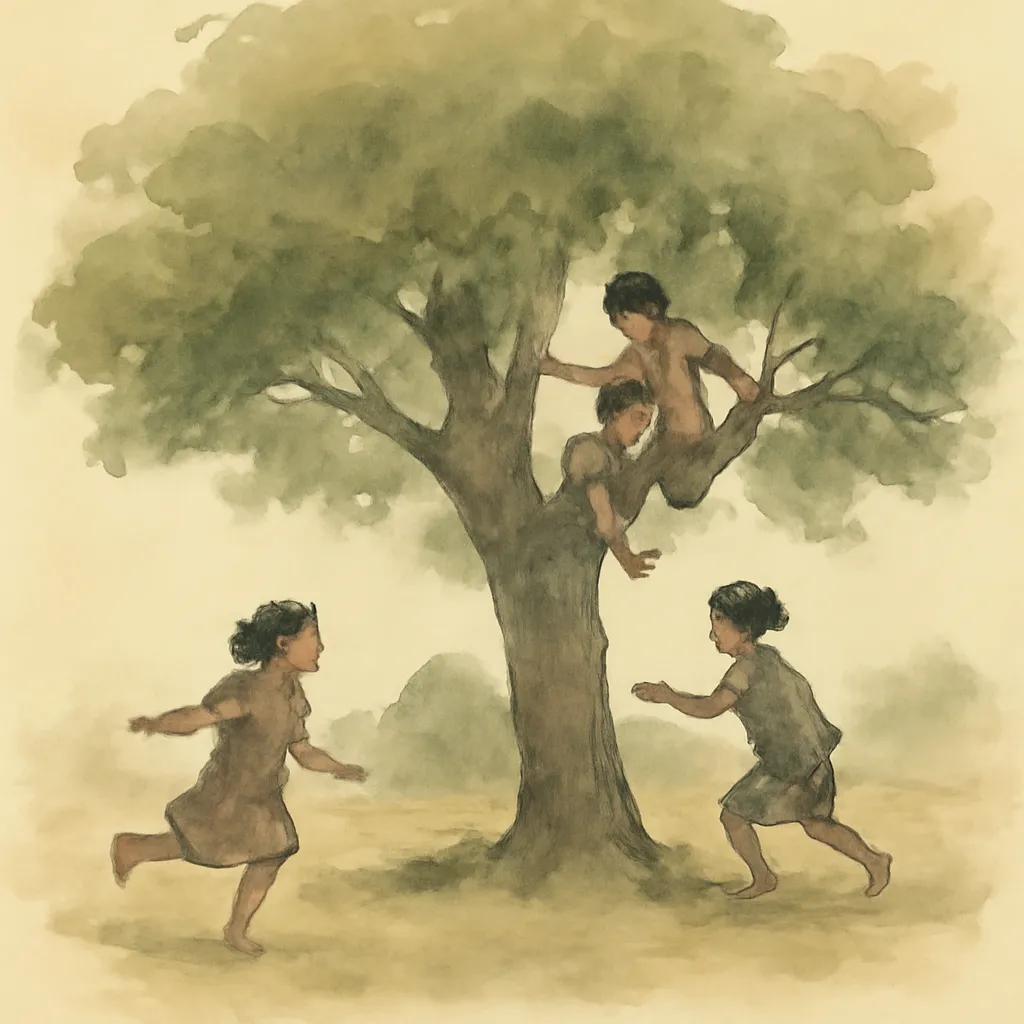
Diamond explores how traditional societies raise children, often with more communal involvement, greater physical freedom, and less rigid schedules than in the West. He notes that children in these societies typically enjoy more autonomy and learn through observation and participation rather than formal instruction. While not all traditional practices are desirable, Diamond suggests that modern parents might benefit from rethinking overprotective or overly structured approaches to childhood.
4.Elder Care and the Role of the Aged
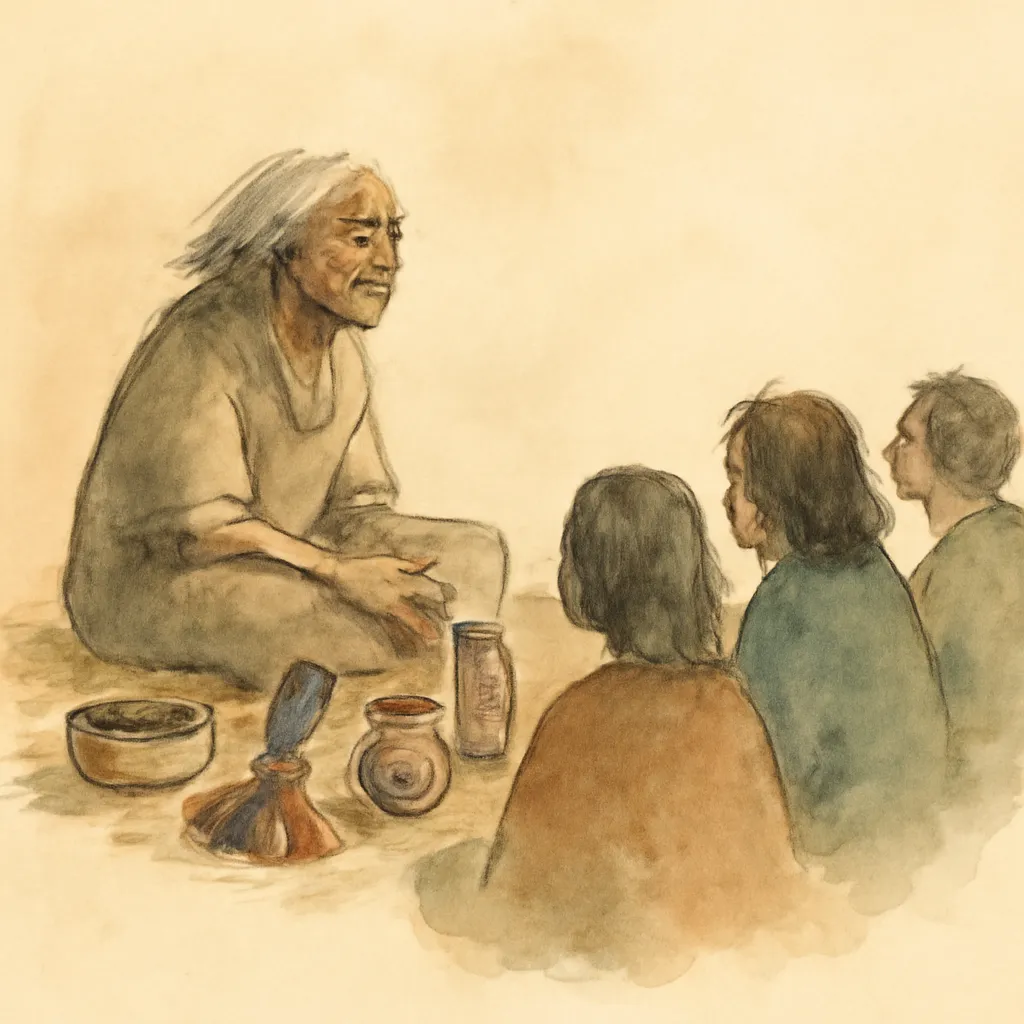
The book highlights the contrasting ways in which societies treat their elderly. In many traditional cultures, elders are valued for their knowledge and play active roles in community life, whereas modern societies often marginalize the old. Diamond suggests that integrating elders more fully into family and community life could address issues of isolation and loss of purpose among the aged in industrialized nations.
5.Diet, Health, and Lifestyle Diseases
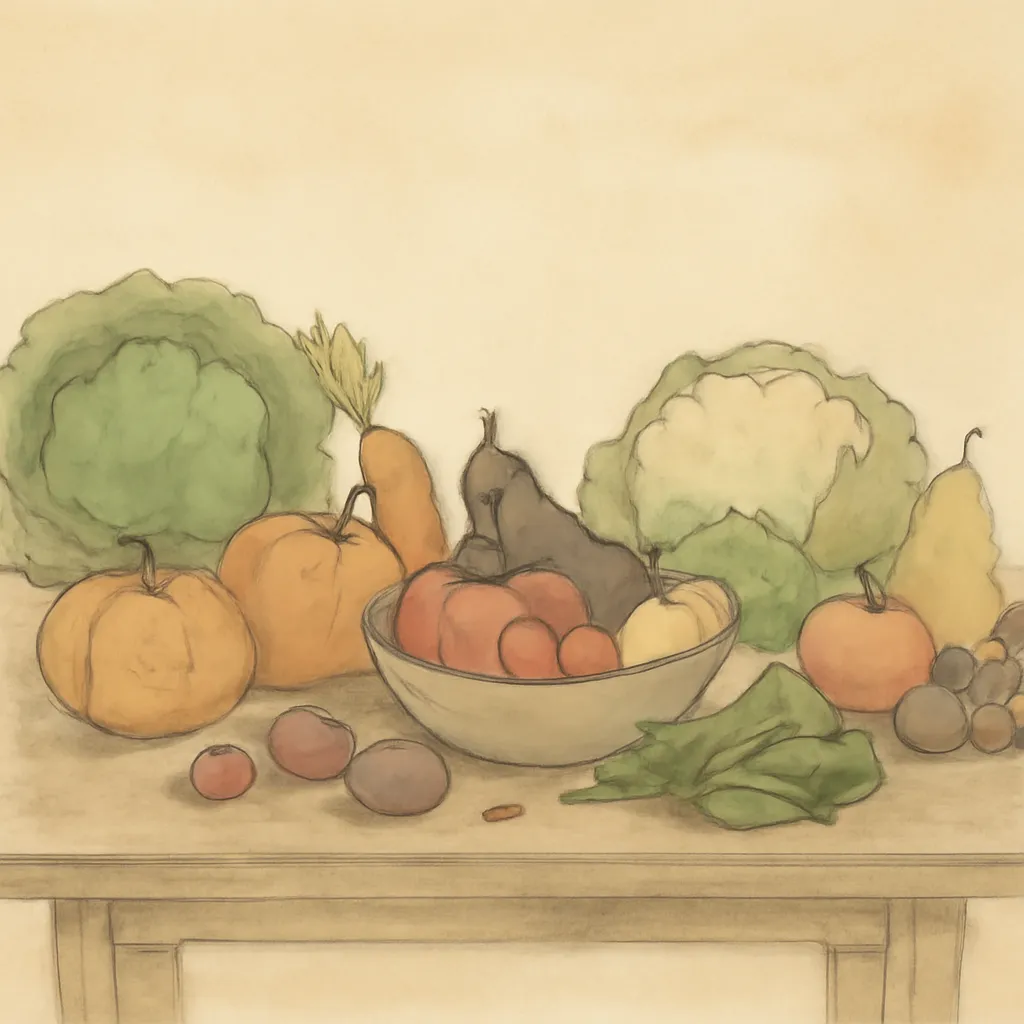
Diamond examines the health implications of traditional diets and lifestyles, noting that while infectious diseases are more common in traditional societies, chronic diseases like diabetes and heart disease are far less prevalent. The shift to modern diets—high in processed foods and sugar—has contributed to a rise in obesity and related illnesses. Diamond challenges readers to consider which aspects of traditional health practices might be worth reclaiming, such as greater physical activity and diets rich in unprocessed foods.
6.Danger, Risk, and Perception
Traditional societies often have a heightened awareness of environmental dangers and practice risk assessment differently from modern people. Diamond discusses how their daily lives require constant vigilance and adaptability, leading to a more realistic understanding of risk. He contrasts this with the sometimes irrational fears and complacency of modern societies, encouraging readers to reevaluate how we perceive and respond to danger.