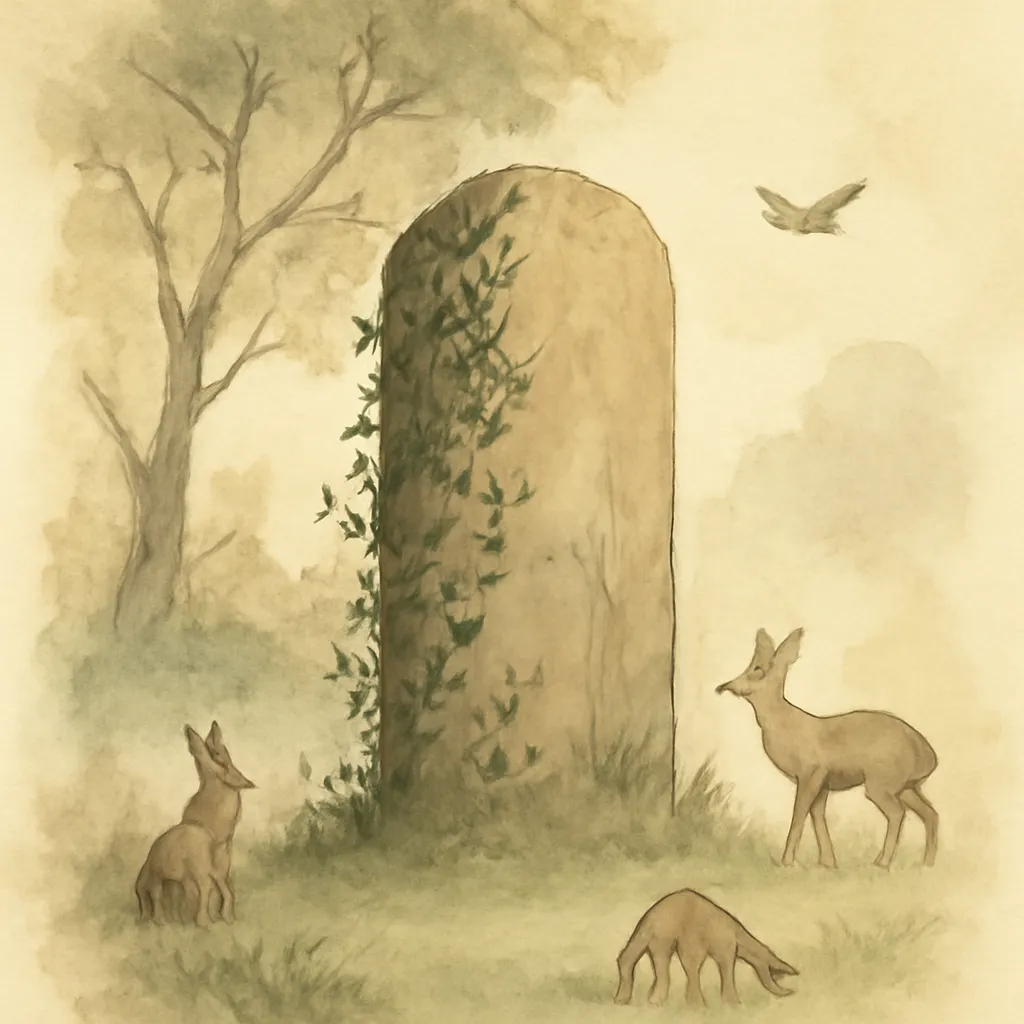
1.Nature’s Resilience and Recovery
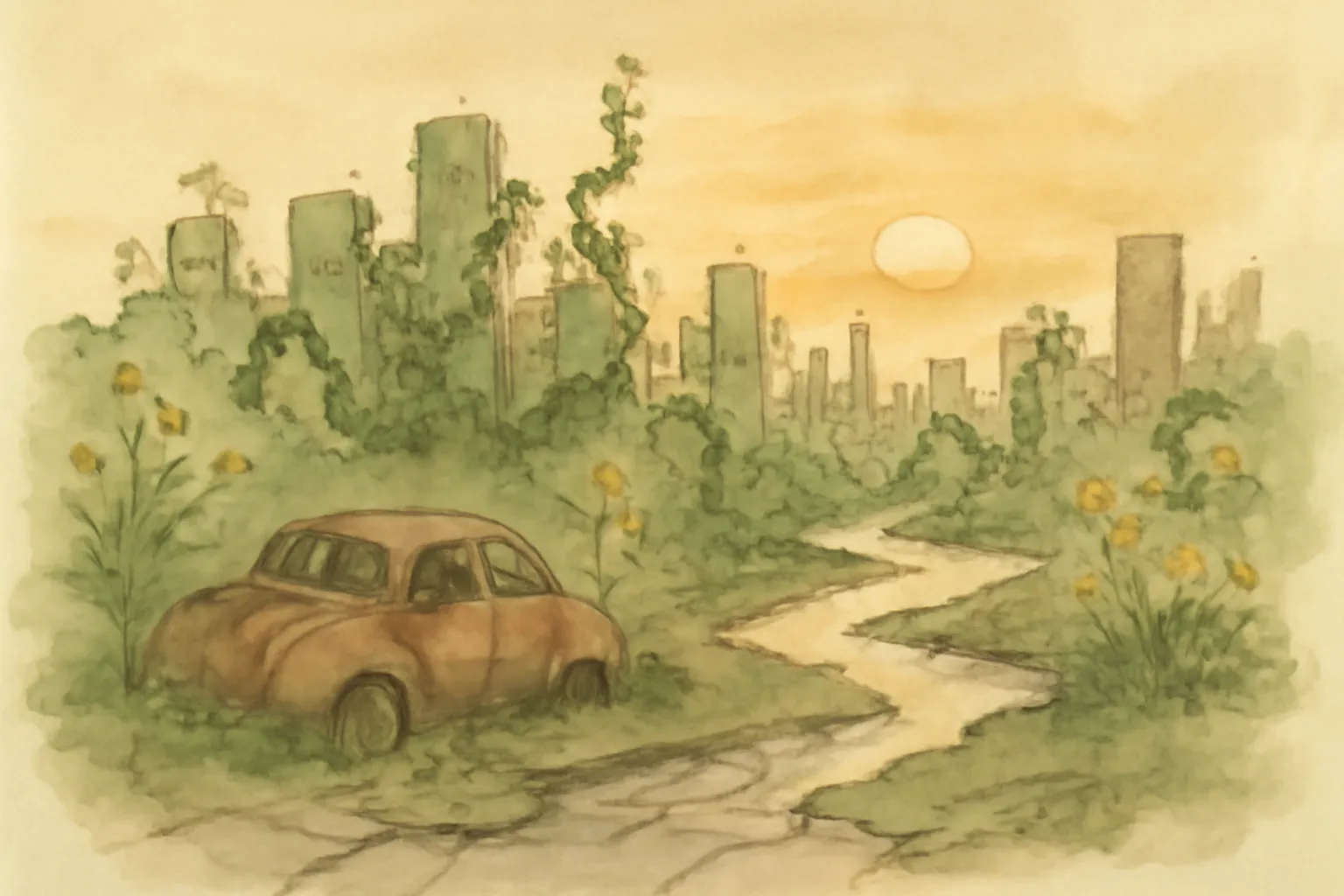
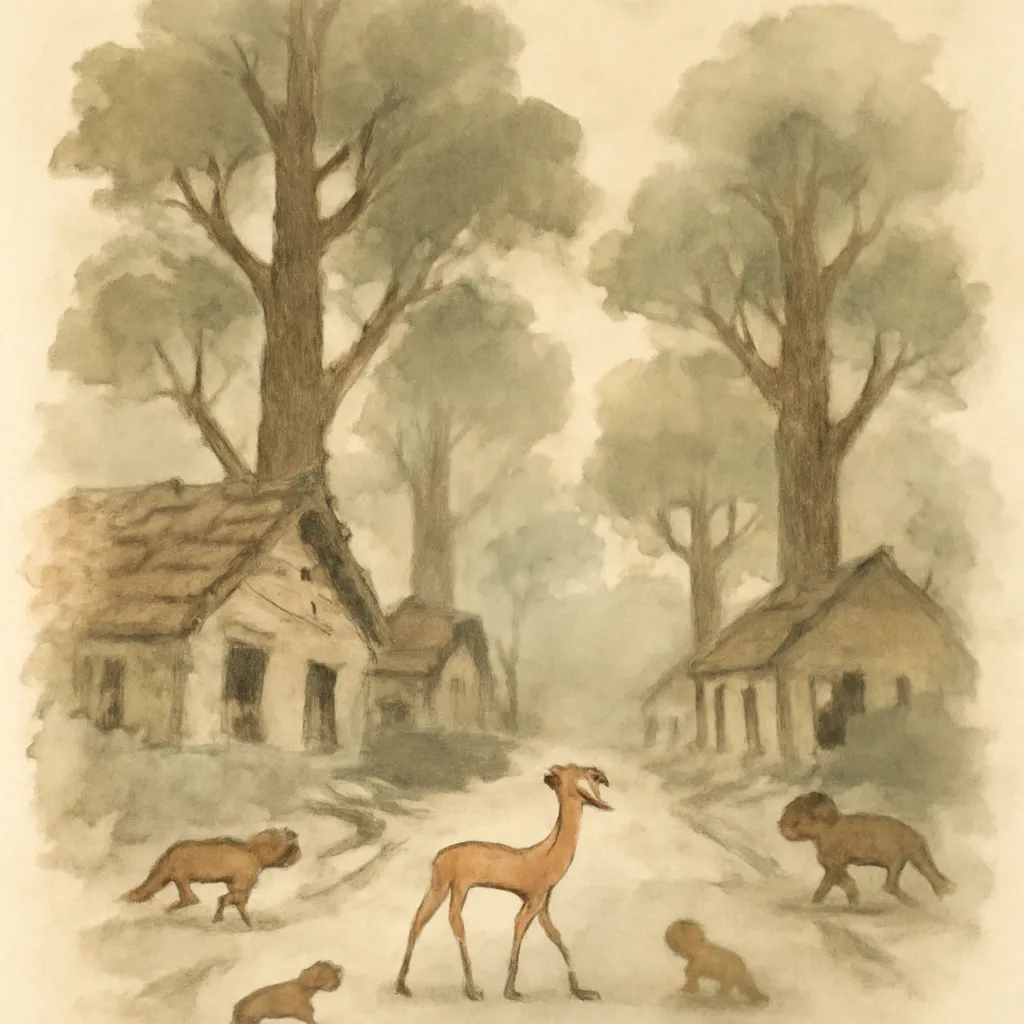
Weisman envisions how quickly and dramatically nature would reclaim cities, infrastructure, and landscapes if humans vanished. Forests would overtake suburbs, wildlife would return to urban centers, and rivers would break free from their concrete channels. The book illustrates that, given time and absence of human interference, ecosystems can recover and even thrive, highlighting the adaptability and regenerative power of the natural world.
2.The Indelibility of Human Artifacts
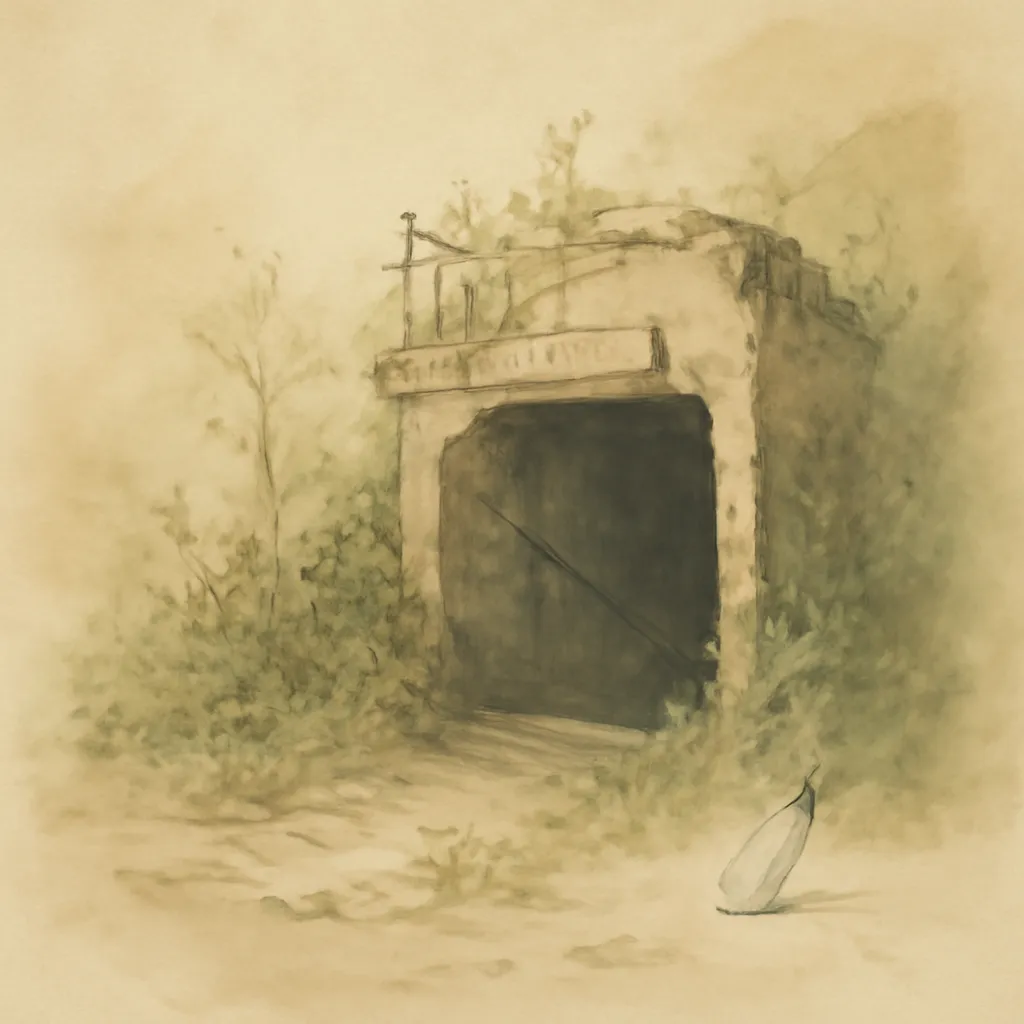
While nature can heal many wounds, some human legacies would linger for millennia or longer. Plastics, radioactive waste, and certain chemicals are nearly impervious to natural decay, outlasting even our grandest monuments. Weisman details how our most durable creations—subways, skyscrapers, plastics—would decay or persist, raising questions about what truly endures and what becomes our unintended bequest to the future.
3.Environmental Consequences of Human Activity
The book meticulously catalogues the environmental damage wrought by agriculture, industry, and urbanization. From deforestation and habitat destruction to pollution and climate change, Weisman demonstrates how human presence has reshaped the biosphere. By imagining their absence, he underscores the scale and depth of our impact, prompting reflection on the sustainability of our current trajectory.
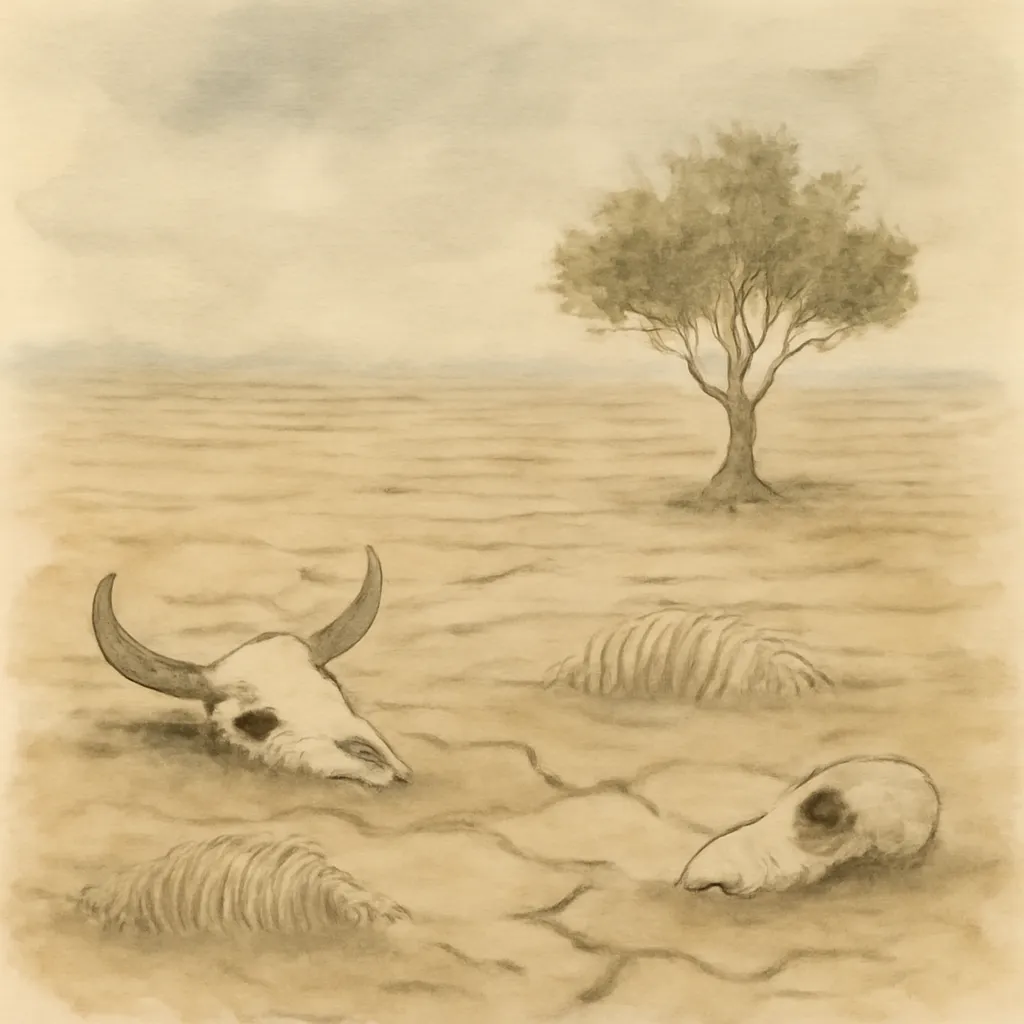
4.The Limits of Nature’s Healing
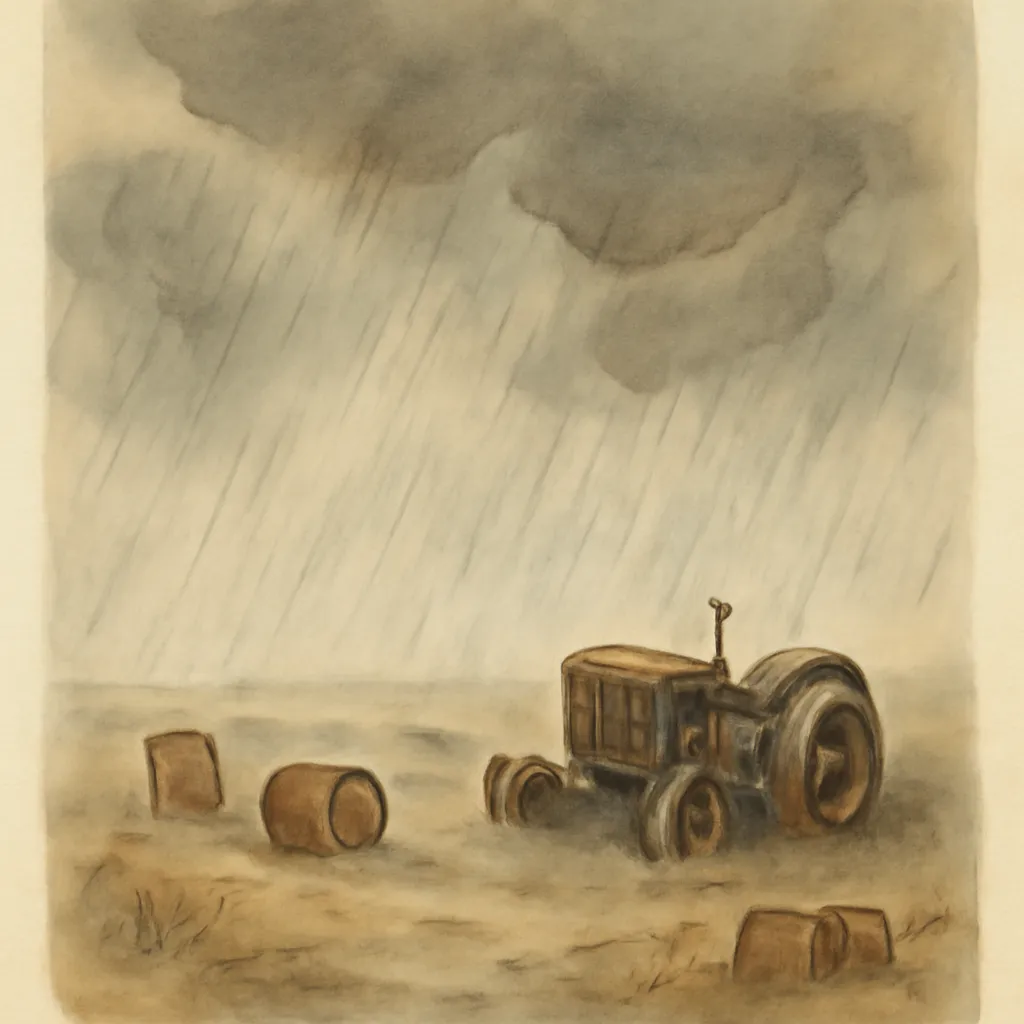
Not all wounds are easily healed. Some human actions have set in motion changes that may be irreversible or persist for geological timescales. Persistent organic pollutants, nuclear contamination, and species extinctions are legacies that nature cannot quickly erase. Weisman’s exploration of these limits serves as a sobering reminder of the long-term consequences of our choices.
5.Human Legacy and Meaning
By stripping away humanity, Weisman invites readers to consider what, if anything, would constitute a meaningful legacy. The book challenges us to reflect on the impermanence of our achievements and the importance of stewardship over domination. It asks whether we want to be remembered for what we built—or for what we destroyed.
6.Interconnectedness of Life
Weisman’s narrative emphasizes the intricate web of relationships that connect all living things. The disappearance of humans would set off cascading effects throughout ecosystems, demonstrating how deeply entwined we are with the fate of other species. This interconnectedness is both a source of vulnerability and a call to responsibility.