1.Colonialism as Psychological Violence
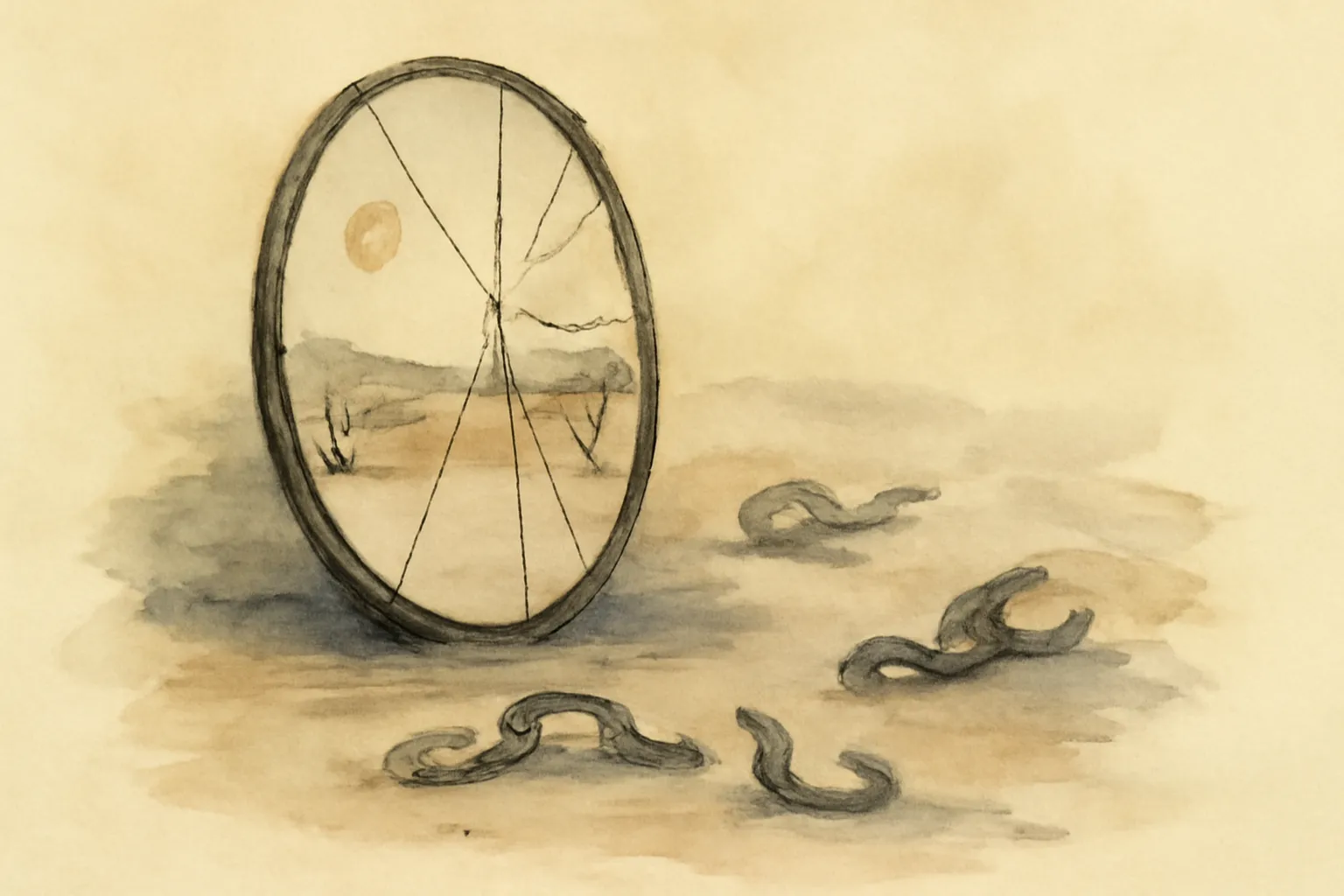
Fanon argues that colonialism is not just a system of economic exploitation or political domination, but a profound assault on the psyche of the colonized. Colonized peoples internalize feelings of inferiority, alienation, and self-hate, which fracture their sense of identity. This psychological violence is as damaging as physical oppression, shaping how entire societies see themselves and their possibilities for the future.
2.The Role of Violence in Liberation
One of Fanon's most controversial claims is that violence is not only inevitable but necessary for the colonized to reclaim their humanity. He contends that decolonization is inherently a violent process because it overturns the entire colonial order. Through resistance, including armed struggle, the oppressed can break the psychological chains imposed by colonial rule and assert their agency.
3.Pitfalls of Postcolonial Elites
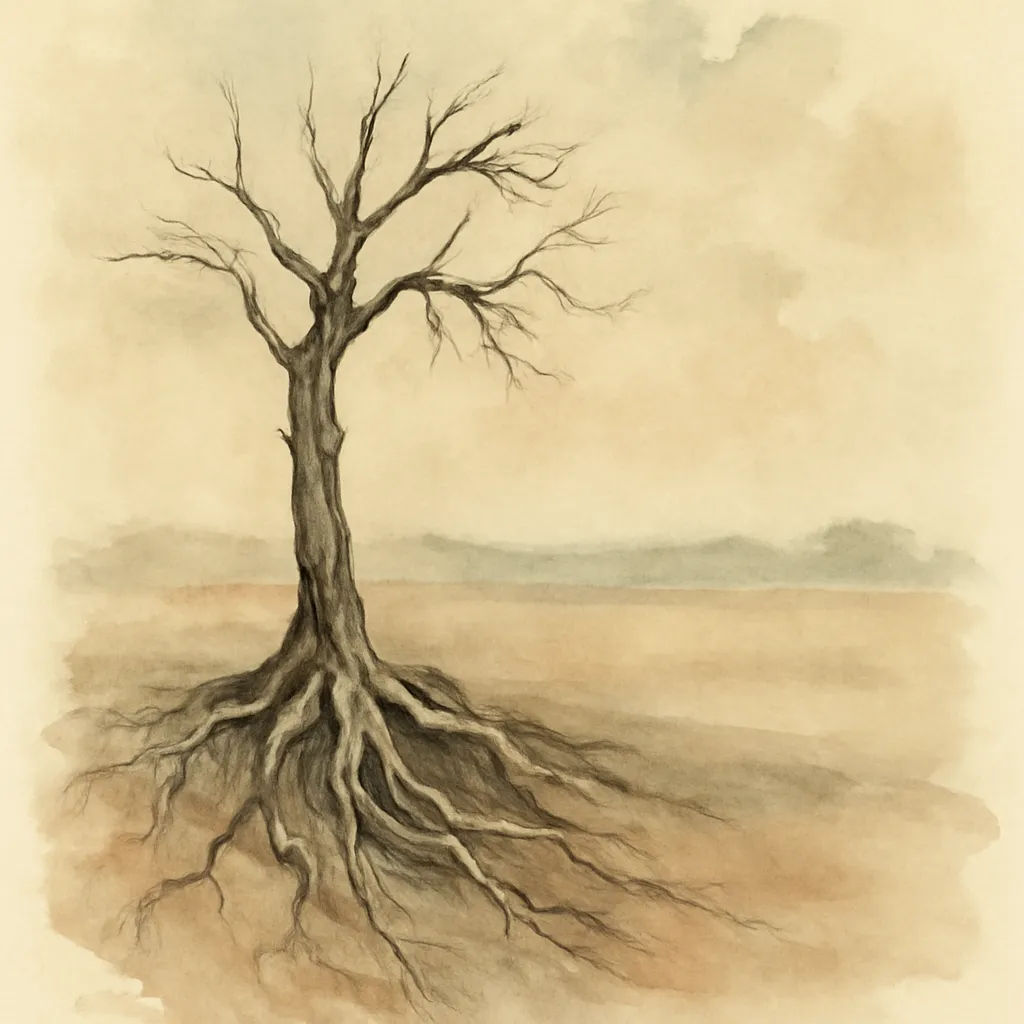
Fanon warns that after independence, new national elites often replicate the structures of colonial power, exploiting their own people and failing to deliver meaningful change. He critiques the tendency of these elites to prioritize their own interests, resulting in continued poverty, corruption, and alienation for the masses. Genuine liberation, he insists, requires a radical restructuring of society, not just a change in leadership.
4.National Culture and Identity
The book explores how colonialism erodes indigenous cultures and how the struggle for liberation can spark a renaissance of national identity. Fanon believes that reclaiming cultural heritage is crucial for psychological liberation, but he warns against romanticizing a static, 'authentic' past. Instead, national culture should be dynamic, shaped by the people’s ongoing resistance and creativity.
5.International Solidarity and the Global South
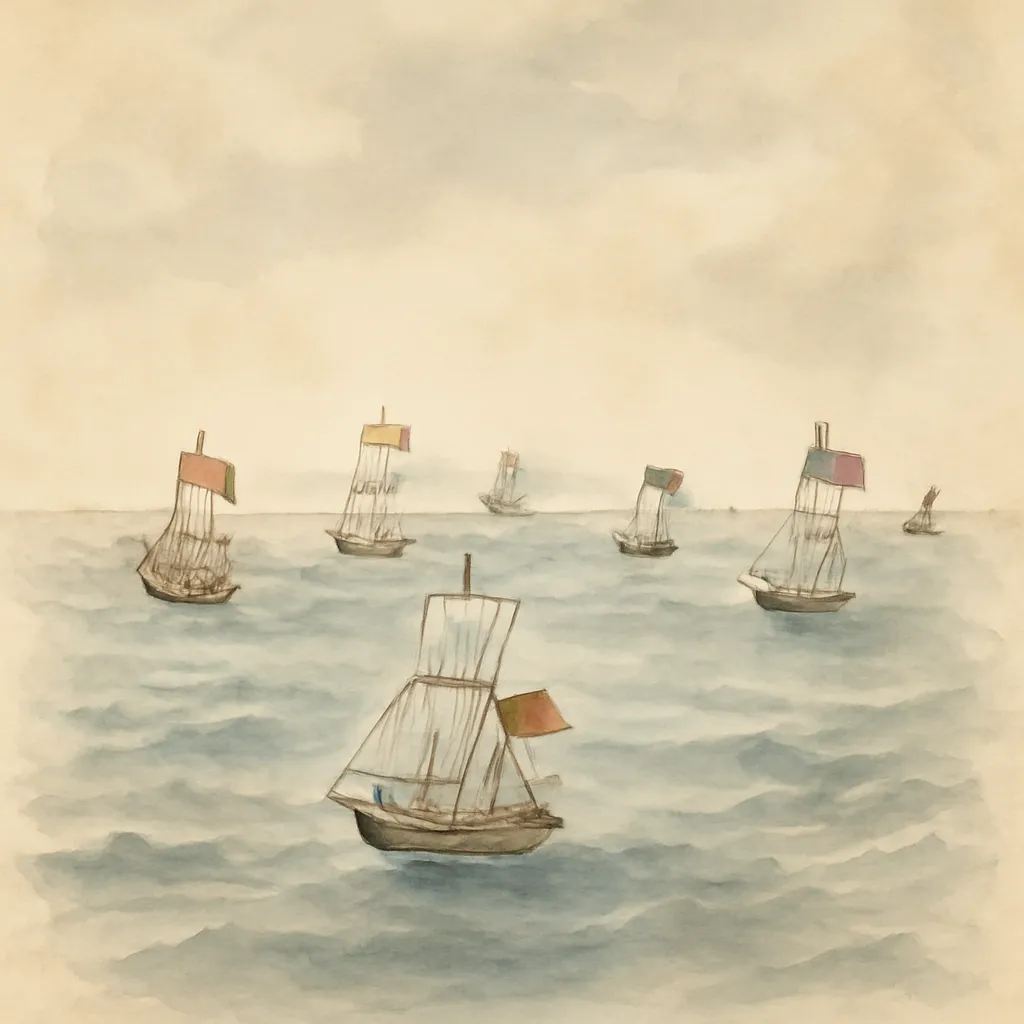
Fanon situates anti-colonial struggles within a global context, arguing that the fate of newly independent nations is tied to broader patterns of exploitation and solidarity. He calls for alliances among oppressed peoples worldwide, recognizing that neocolonialism and global capitalism threaten to undermine hard-won freedoms.
6.The Dangers of Tribalism and Sectarianism
Fanon is acutely aware of the dangers posed by divisions along ethnic, tribal, or religious lines in postcolonial societies. He urges revolutionary movements to foster unity and avoid falling into the traps set by colonial powers to divide and rule. Only through solidarity can the newly liberated avoid repeating the violence and exclusion of the colonial era.