1.The Power of Self-Education
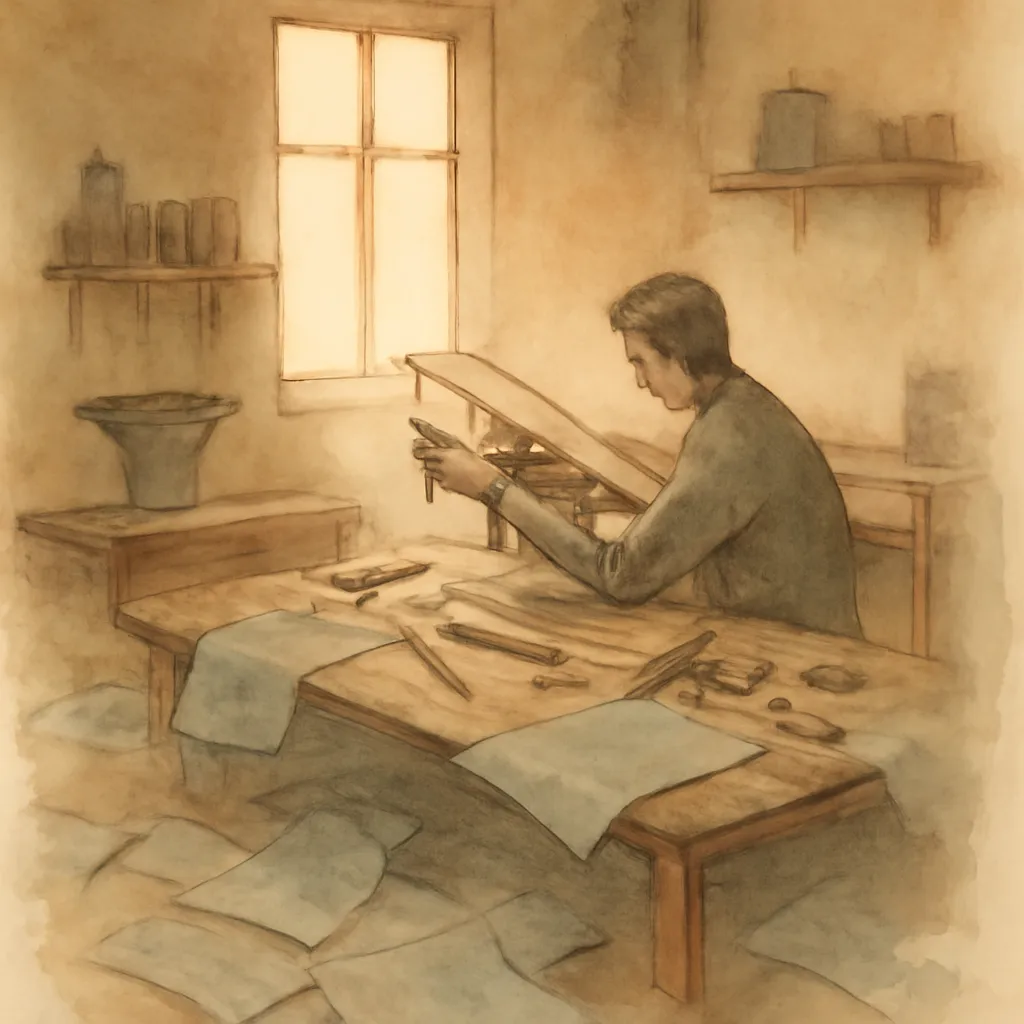
McCullough emphasizes that Wilbur and Orville Wright were largely self-taught, drawing on a deep love of reading and an insatiable curiosity fostered by their family. Lacking formal engineering training, the brothers relied on books, experimentation, and their own observations to master the science of flight. Their story challenges the notion that only credentialed experts can innovate, showing how intellectual independence and resourcefulness can change history.
2.Persistence in the Face of Doubt
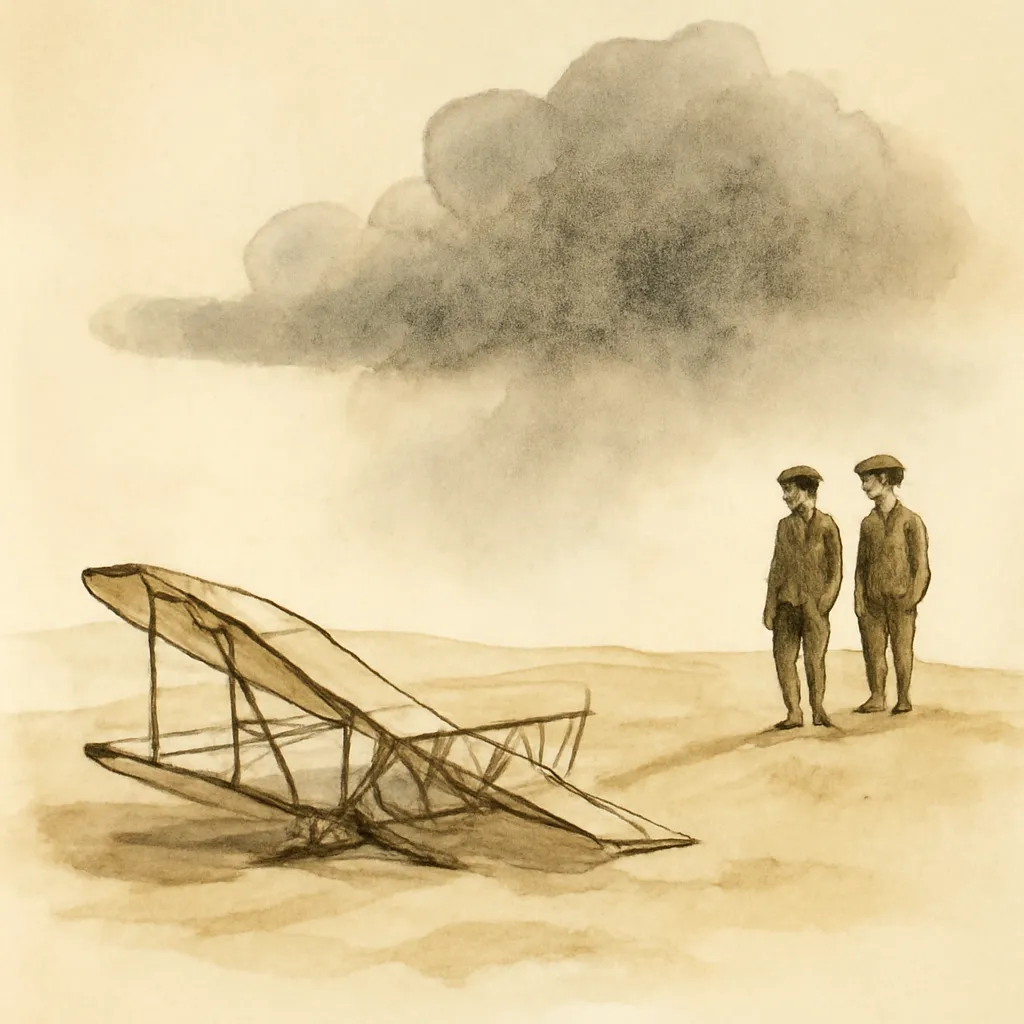
The Wrights’ journey was marked by repeated failure, skepticism, and even ridicule from the press and scientific establishment. McCullough details how the brothers’ resilience and willingness to learn from setbacks set them apart. Rather than being discouraged by crashes or public disbelief, they methodically refined their designs, demonstrating that perseverance is as critical as inspiration in achieving breakthroughs.
3.Family as a Foundation
The book highlights the centrality of the Wright family, especially their father Milton and sister Katharine, in supporting the brothers’ ambitions. The family’s close-knit bonds provided emotional, intellectual, and sometimes financial support. McCullough shows that innovation is rarely a solitary endeavor; behind the Wrights’ success was a network of encouragement and shared values.
4.Innovation Through Experimentation
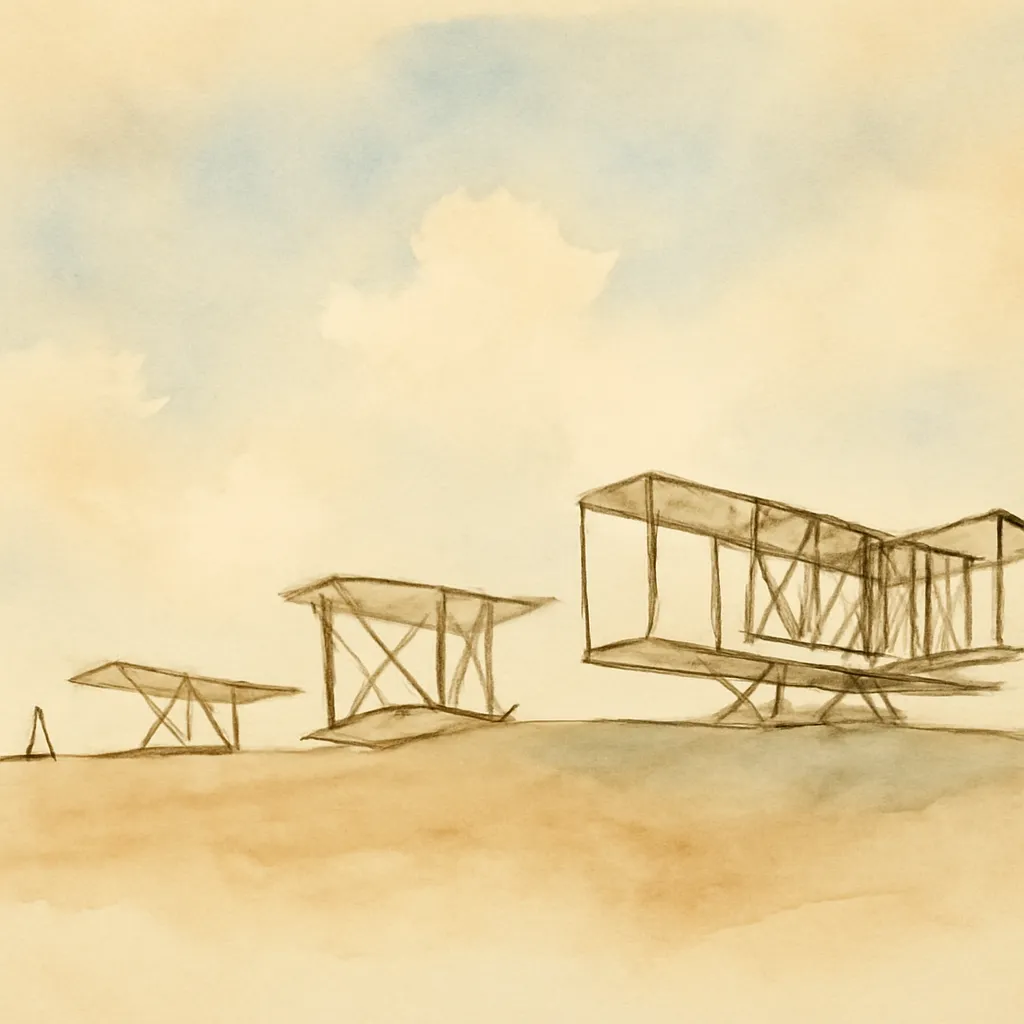
Rather than relying solely on theory, the Wright brothers built and tested countless models and gliders, learning directly from their failures. Their hands-on, iterative approach—painstakingly collecting data at Kitty Hawk and designing their own wind tunnel—was crucial to their success. McCullough illustrates how true innovation often emerges from practical trial and error, not just abstract ideas.
5.The Struggle for Recognition
Even after their first successful flights, the Wrights faced years of skepticism and bureaucratic indifference, especially in the United States. McCullough explores how their eventual recognition came first from Europe, highlighting the challenges inventors face in gaining acceptance for paradigm-shifting ideas. Their story is a reminder that history’s great leaps are not always immediately celebrated.
6.The Human Side of Genius
McCullough brings out the personalities of Wilbur and Orville—Wilbur’s intellectual rigor and Orville’s technical ingenuity—making them relatable and real. The book delves into their modesty, humor, and the toll their work took on their health and relationships. This human dimension makes their achievements all the more remarkable and accessible.