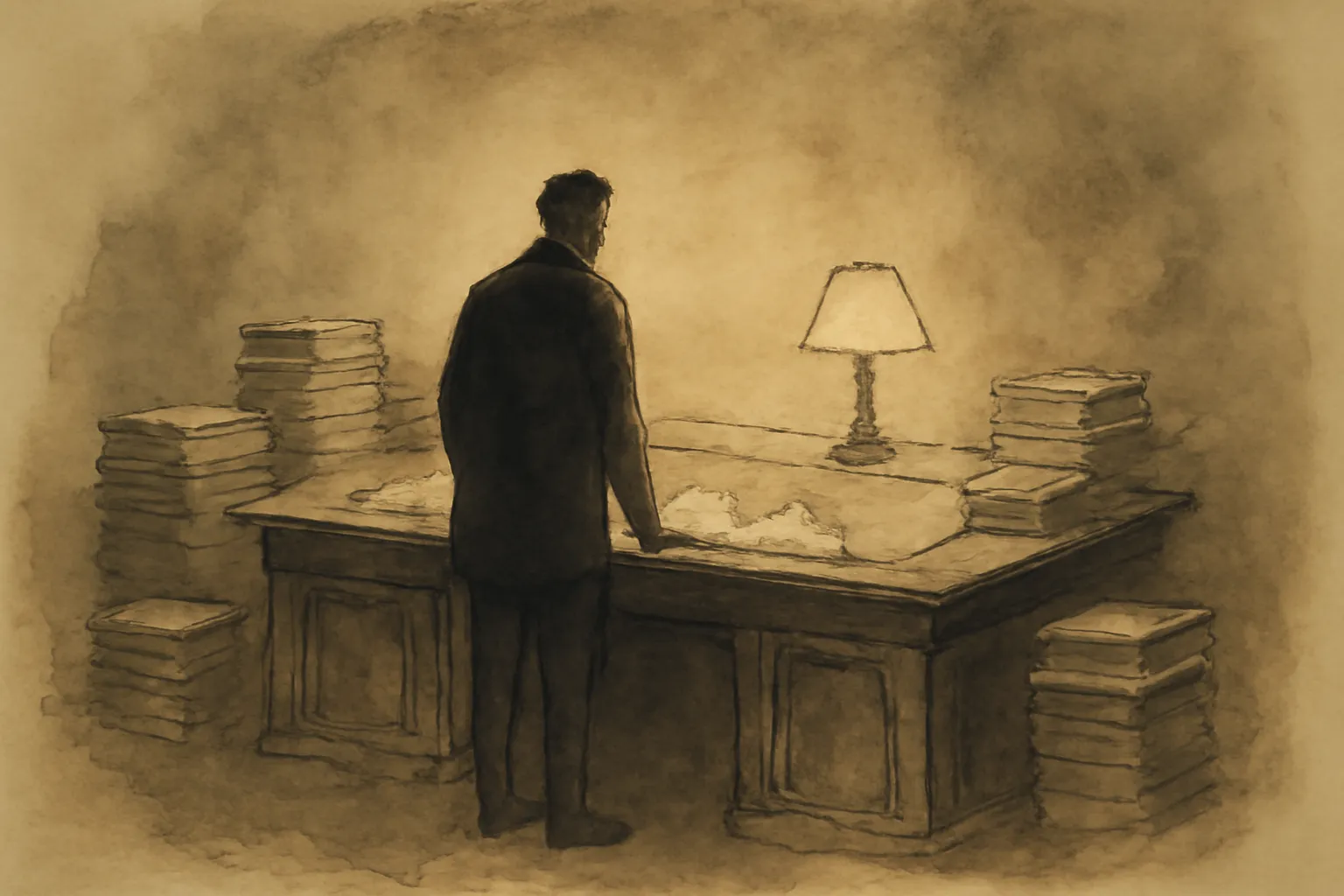
1.The Mechanics of Power
Caro dissects how Johnson wielded power with unmatched skill, not just through formal authority but by manipulating relationships, leveraging favors, and exploiting institutional weaknesses. The book shows that political power is not simply about holding office, but about knowing how to use every tool at one’s disposal—persuasion, intimidation, and coalition-building. Johnson’s mastery of the Senate and his ability to move legislation reveal the often unseen mechanics behind political outcomes.
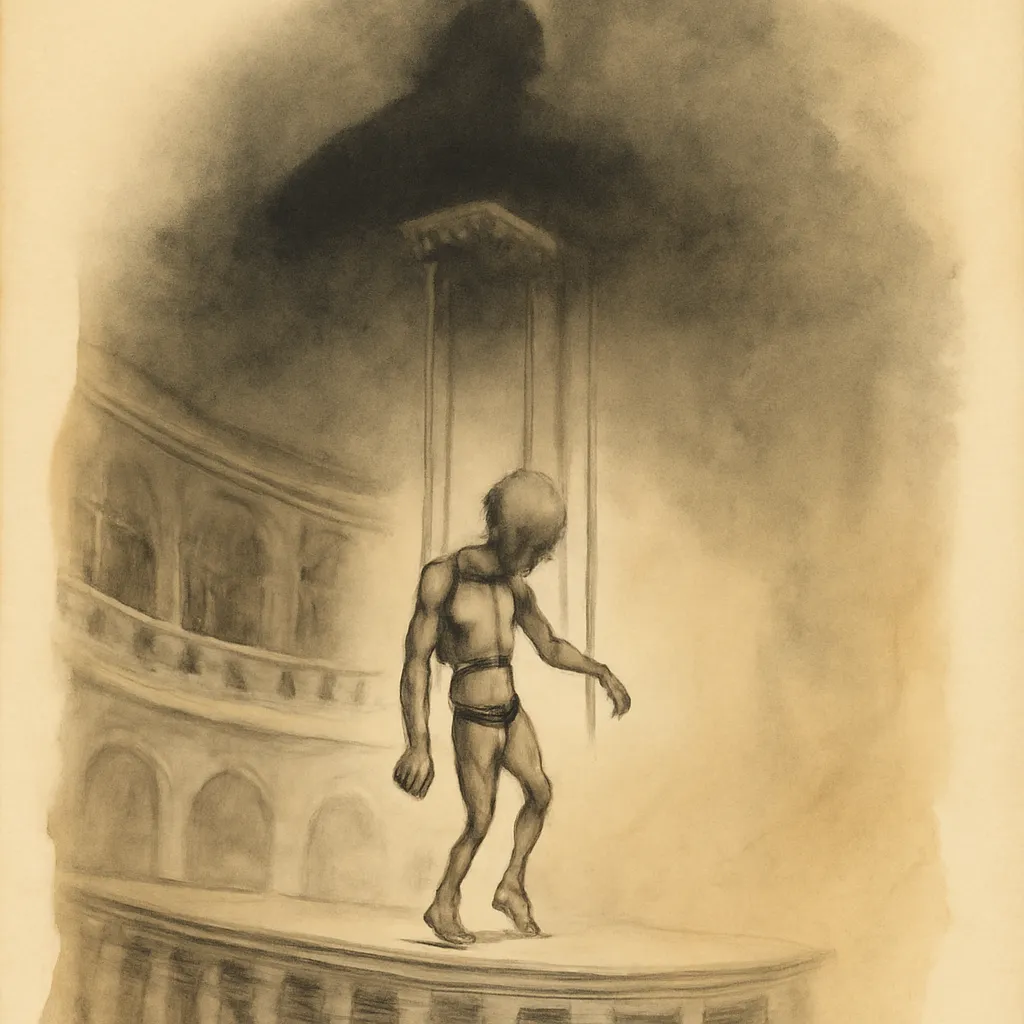
2.Ambition and Its Price
Johnson’s drive to become president is portrayed as both awe-inspiring and deeply troubling. Caro explores the personal sacrifices, betrayals, and moral compromises Johnson made in pursuit of his goals. The narrative raises questions about the cost of ambition—not only for Johnson himself, but for those around him and for the nation. This theme invites readers to consider the ethical boundaries of leadership and whether great achievements justify the means.
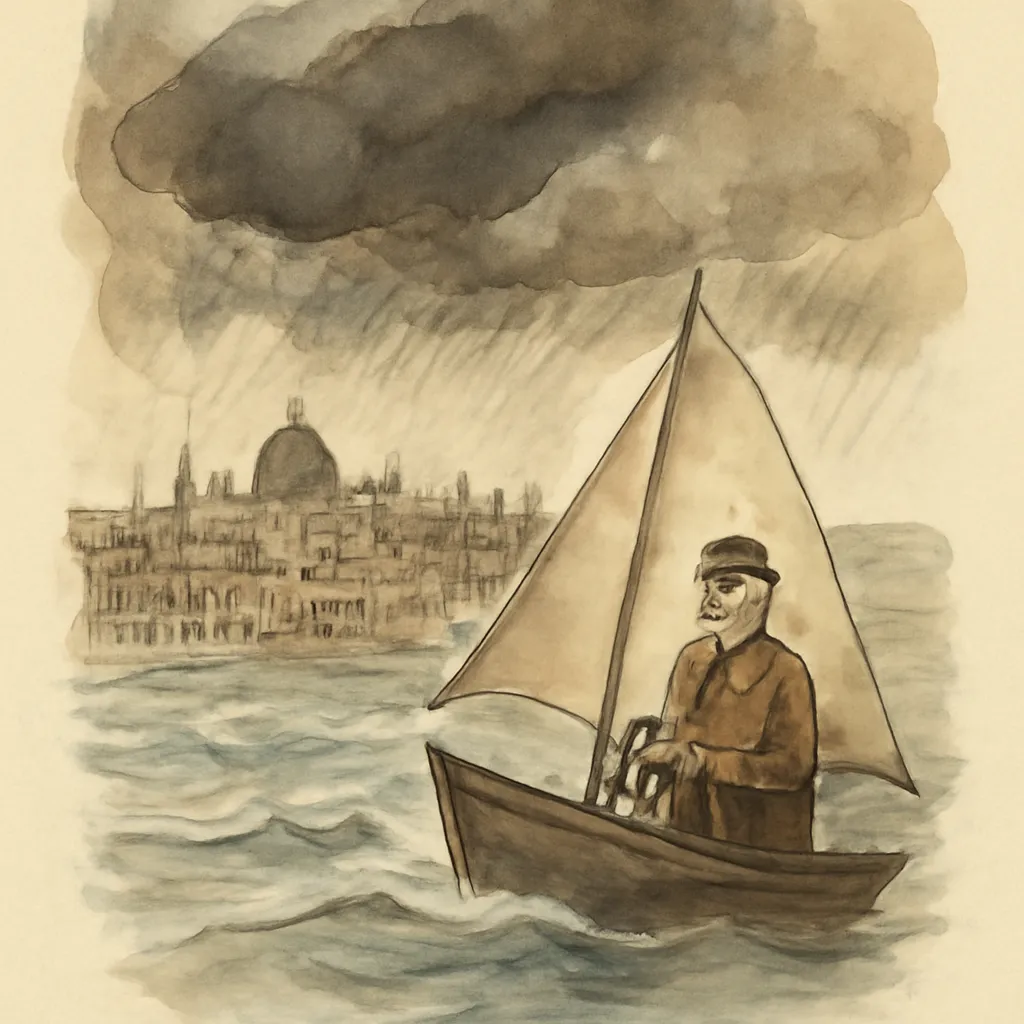
3.Transformation in Crisis
The sudden transition from vice president to president after Kennedy’s assassination is a central drama. Caro examines how Johnson seized the moment, transforming himself from a sidelined vice president into a commanding leader. The book highlights how crisis can reveal—and forge—character, and how Johnson’s unique skills enabled him to steer the country through trauma while advancing his legislative agenda.
4.The Politics of Race and Reform
Caro details Johnson’s complex relationship with civil rights, showing both his Southern roots and his eventual leadership in passing landmark legislation. The analysis is nuanced: Johnson’s motivations are shown as a blend of principle and political calculation. This duality underscores the messy realities of social progress in America and the importance of political will in achieving reform.
5.The Power of Narrative History
Caro’s approach is not just biographical but investigative, combining exhaustive research with vivid storytelling. This method brings Johnson and his era to life, making the book as much about the texture of American political life as about its subject. Caro’s narrative style demonstrates how history, when told with rigor and empathy, can illuminate contemporary questions about leadership and governance.
6.The Human Dimension of Leadership
Beyond politics, Caro delves into Johnson’s personality—his insecurities, charm, cruelty, and need for validation. By exploring Johnson’s relationships with allies and adversaries, Caro paints a portrait of a man whose strengths and flaws were inseparable from his achievements. This human dimension makes the story resonate beyond politics, offering insights into the universal challenges of leadership.