1.The Power of Secret Diplomacy
Tuchman demonstrates how clandestine communications, such as the infamous Zimmerman Telegram, can have outsized impacts on world events. The book details how Germany's secret proposal to Mexico, offering territory in exchange for joining the war against the U.S., was both audacious and reckless. The exposure of this telegram not only shifted public opinion but also forced political leaders to reconsider neutrality, showing how backroom maneuvers can have public consequences.
2.Intelligence and Codebreaking
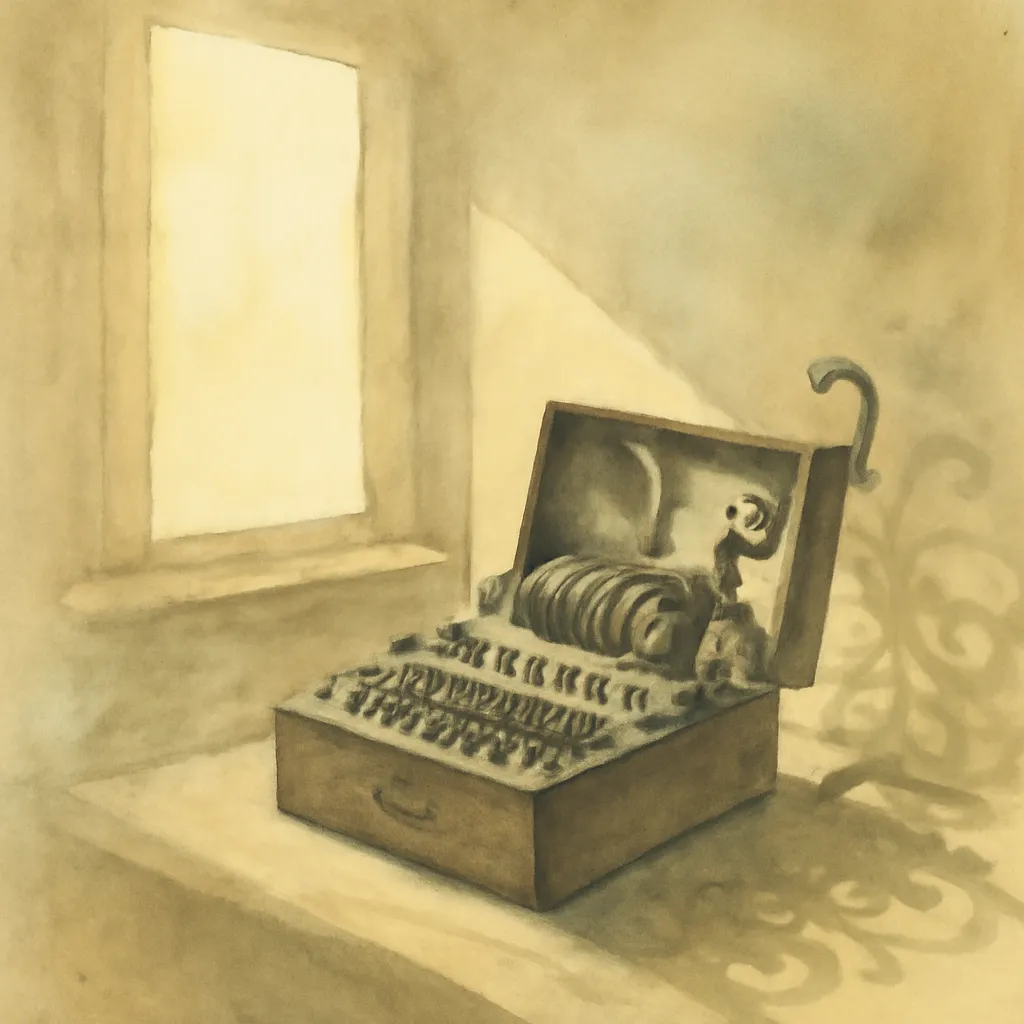
A central theme is the role of British intelligence in intercepting and deciphering the telegram. Tuchman highlights the technical and psychological challenges faced by codebreakers, as well as the delicate diplomatic dance required to reveal their discovery without compromising their sources. This underscores the importance of intelligence work in shaping the course of war and diplomacy.
3.Public Opinion and Political Will
Tuchman explores how the revelation of the Zimmerman Telegram swayed American public opinion, which had been deeply divided over entering the war. The telegram provided a clear, galvanizing threat that made neutrality untenable. The book illustrates how governments use information—sometimes manipulated or selectively released—to rally support for major policy shifts.
4.The Unintended Consequences of Policy
Germany's decision to send the telegram was rooted in desperation and miscalculation. Tuchman shows how strategic decisions, especially those made under pressure, can backfire spectacularly. The German leadership underestimated both British intelligence capabilities and the American reaction, a lesson in the unpredictability of international relations.
5.Interconnectedness of Global Events
The book situates the telegram within the broader context of World War I, illustrating how events in Europe, North America, and even Mexico were tightly linked. Tuchman argues that the war's outcome hinged not just on battles, but on the complex web of alliances, communications, and public sentiment across continents.
6.The Human Element in History
Tuchman brings to life the personalities behind the telegram—diplomats, spies, politicians—showing how individual choices and character traits can shape the fate of nations. Her narrative underscores that history is not just a series of abstract forces, but a product of human ambition, error, and ingenuity.