1.The Reluctant Hero's Awakening
Richard Hannay begins as a disillusioned expatriate, returning to England after years in South Africa. His initial boredom and dissatisfaction with life in London set the stage for his transformation into an unexpected hero. The mundane nature of his existence is shattered when he becomes embroiled in a murder mystery. This abrupt shift from apathy to action highlights a critical turning point in Hannay's character arc. As he grapples with the reality of the situation, he realizes that he must take control of his fate, illustrating how dire circumstances can awaken latent strengths and capabilities within an individual.
2.The Role of Fate and Chance
Fate plays a significant role in 'The Thirty-Nine Steps', as Hannay's life dramatically changes due to a chance encounter. The murder of Scudder, a man with vital information, thrusts Hannay into a world of espionage and danger. This element of chance raises questions about the nature of destiny and free will. As Hannay navigates a series of perilous situations, he often reflects on how his life has been altered by random events. This theme resonates throughout the narrative, suggesting that while we may strive for control, external forces often dictate the course of our lives. The interplay between fate and choice underscores the unpredictability of life and the importance of adaptability.
3.The Complexity of Truth and Deception
As Hannay delves deeper into the conspiracy surrounding Scudder's murder, he encounters a world rife with deception. The novel explores the idea that truth is often obscured by layers of lies and half-truths. Hannay himself grapples with the reliability of the information he receives, questioning the motives of those around him. This complexity is epitomized in Scudder's notes, which contain coded messages and ambiguous references. As Hannay attempts to unravel the mystery, he must discern what is genuine and what is a façade. This theme reflects the broader human experience, where discerning truth from deception is a constant struggle, particularly in times of crisis.
4.The Significance of Location
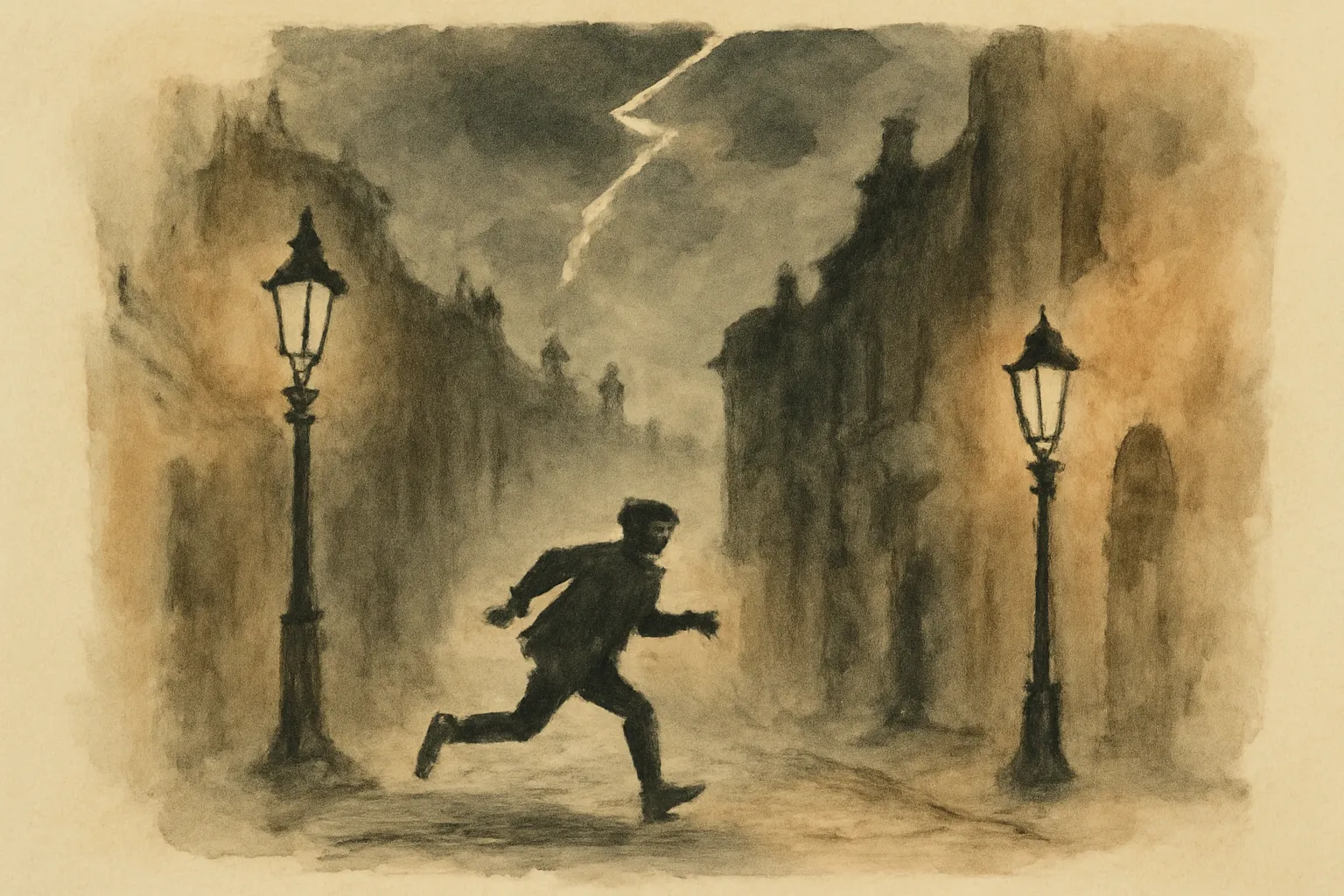
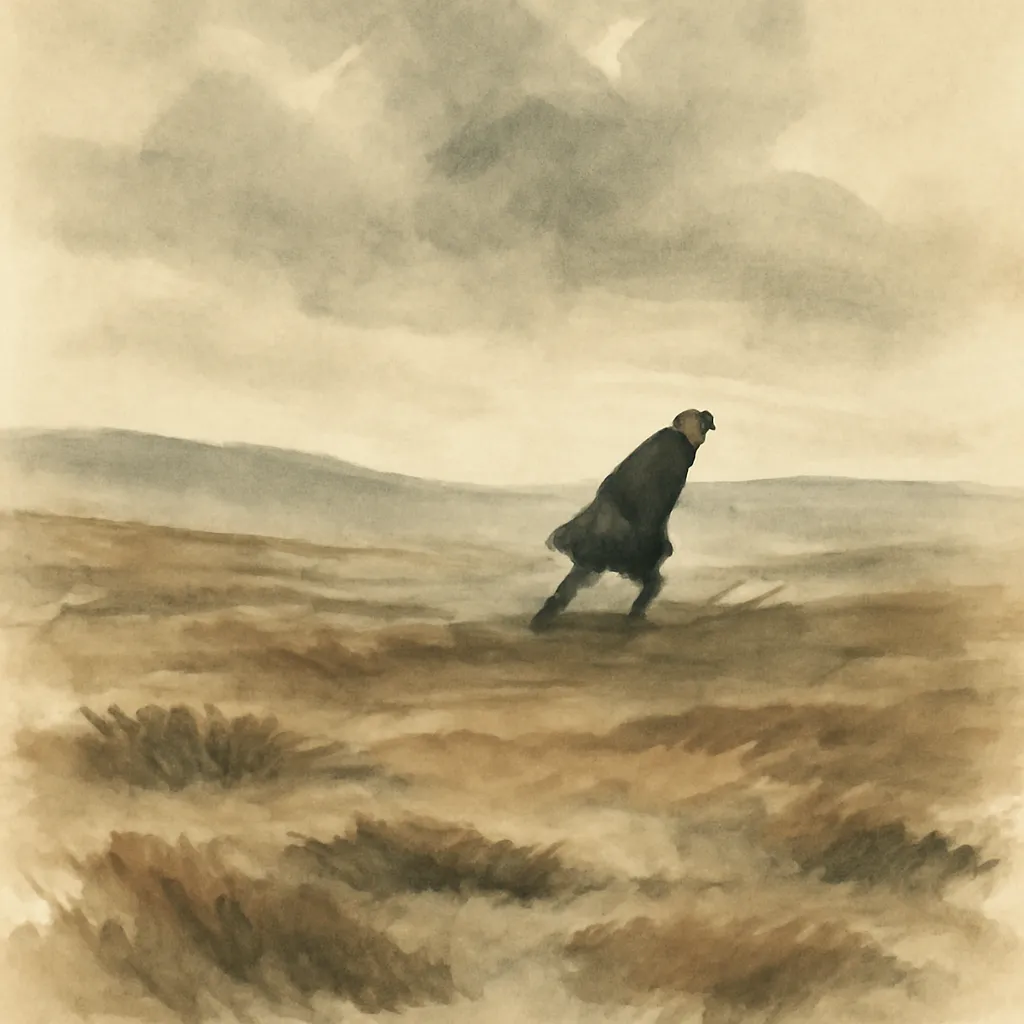
The settings in 'The Thirty-Nine Steps' are not mere backdrops; they are integral to the story's tension and mood. From the bustling streets of London to the desolate Scottish moors, each location contributes to Hannay's sense of isolation and urgency. The contrast between urban life and the wild, untamed countryside symbolizes Hannay's internal conflict. As he flees from danger, the landscape becomes a character in its own right, shaping his experiences and decisions. The geographical elements serve to heighten the stakes, emphasizing the vastness of the world he must traverse to escape his pursuers. This use of location not only enhances the narrative but also reflects the psychological state of the protagonist.
5.The Nature of Evil
Buchan presents a nuanced exploration of evil through the characters that Hannay encounters. The antagonists, shrouded in secrecy and manipulation, embody the darker aspects of human nature. Their motivations are often rooted in political machinations and personal gain, illustrating how power can corrupt. The portrayal of these villains serves as a commentary on the moral ambiguities of the time, particularly in the context of pre-World War I Europe. Hannay's encounters with these malevolent forces force him to confront not only the external dangers but also the internal moral dilemmas that arise when faced with survival. This exploration of evil adds depth to the narrative, prompting readers to reflect on the complexities of human motivations.
6.The Influence of War
Set against the backdrop of impending war, 'The Thirty-Nine Steps' captures the tension and anxiety of a society on the brink of conflict. The threat of war looms large, influencing the characters' actions and decisions. Hannay's personal struggle mirrors the larger societal turmoil, as he must navigate a world where alliances and loyalties are constantly shifting. The novel serves as a critique of the political landscape, highlighting the fragility of peace and the ease with which it can be disrupted. This theme resonates with contemporary audiences, reminding us of the cyclical nature of history and the impact of geopolitical tensions on individual lives.
7.Friendship and Trust
Throughout his journey, Hannay encounters various characters who impact his fate, emphasizing the importance of trust and camaraderie. Relationships are tested as he must decide whom to rely on in a world filled with deception. The fleeting friendships he forms, such as with the milkman and the literary innkeeper, highlight the transient nature of human connections in times of crisis. These interactions reveal the necessity of trust in survival, as Hannay must discern who is genuinely an ally and who could be a foe. The theme of friendship underscores the idea that, in the face of adversity, human connections can provide strength and support, even if they are short-lived.
8.The Psychological Toll of Survival
Hannay's harrowing experiences take a significant psychological toll on him as he grapples with fear, isolation, and the constant threat of danger. The narrative delves into his mental state, portraying the anxiety and paranoia that accompany his flight from pursuers. Buchan effectively conveys the weight of Hannay's predicament, illustrating how the struggle for survival can lead to moments of despair and introspection. This psychological dimension adds depth to the character, making him relatable to readers who may empathize with the pressures of facing overwhelming odds. The exploration of mental resilience in the face of adversity serves as a powerful reminder of the human spirit's capacity to endure.
9.The Power of Ingenious Thinking
Hannay's journey is marked by moments that require quick thinking and ingenuity. As he encounters various obstacles, he often relies on his resourcefulness to navigate dangerous situations. This aspect of his character illustrates the theme of intelligence over brute strength, emphasizing the importance of wit in overcoming challenges. Hannay's ability to think on his feet allows him to escape perilous situations and outsmart his enemies. This theme resonates with the idea that intellect and creativity can be powerful tools in the face of adversity, encouraging readers to consider how they might apply similar strategies in their own lives.
10.The Hero's Journey
Hannay's transformation from a bored expatriate to a resourceful hero embodies the classic hero's journey. His quest is not only about physical survival but also about self-discovery and personal growth. As he faces challenges, he evolves, shedding his previous disillusionment and embracing a sense of purpose. The narrative structure mirrors the archetypal hero's journey, complete with trials, allies, and a final confrontation. This framework resonates with readers, as it reflects the universal themes of courage, resilience, and the quest for identity. Hannay's story serves as a testament to the idea that anyone can become a hero when faced with extraordinary circumstances.