1.Climate Change as a Systemic Crisis
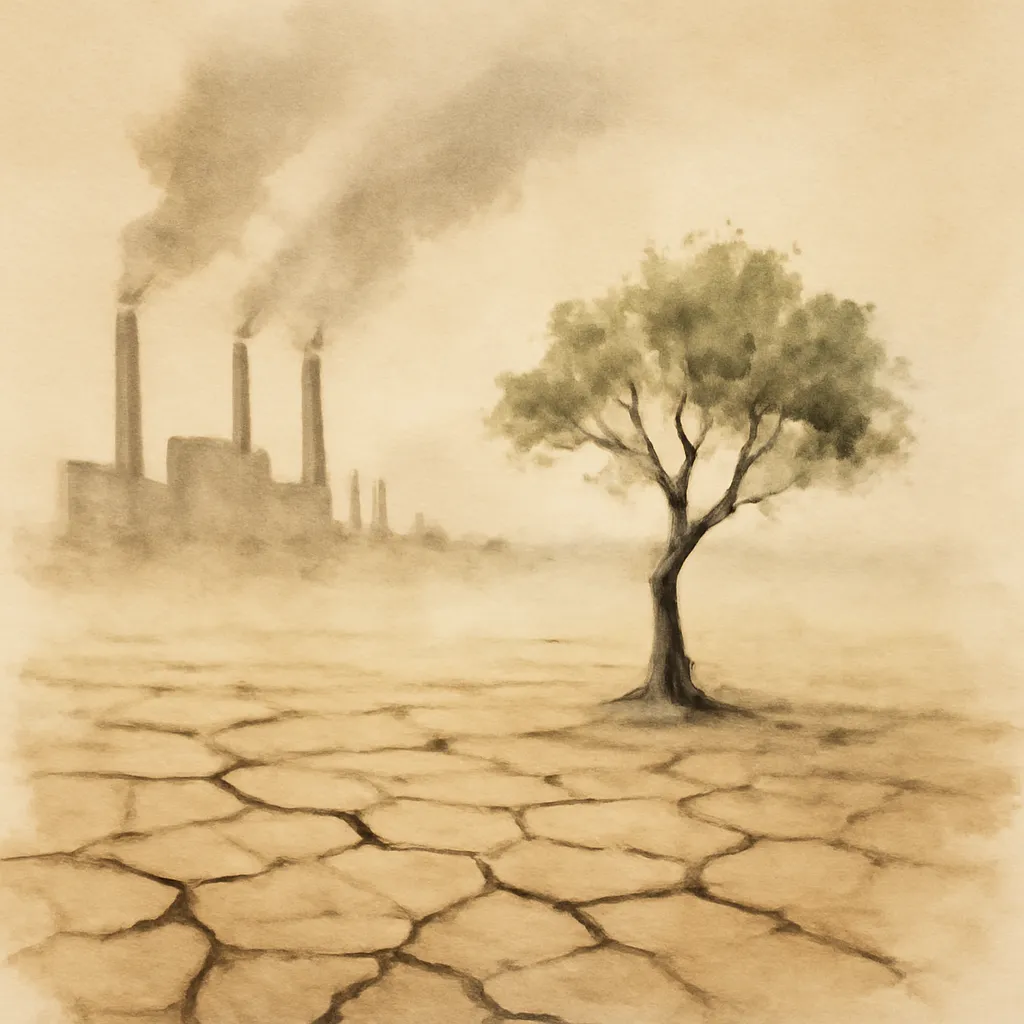
Klein reframes climate change as a fundamental crisis of capitalism, not a technical glitch to be patched with green technology. She argues that the fossil-fueled economic system, with its relentless drive for growth and deregulation, is incompatible with a stable climate. Addressing global warming requires confronting the underlying economic logic that prioritizes profit over planetary limits.
2.The Limits of Market Solutions
The book critiques the faith in market-based solutions—like carbon trading and green consumerism—that have dominated mainstream climate policy. Klein contends that these approaches are not only inadequate but often serve to entrench the status quo, giving the illusion of action while emissions continue to rise. Real change, she argues, demands collective action and regulation, not just tweaks to the market.
3.Climate Justice and Inequality
Klein spotlights the intersection of climate change and social justice. She shows how those least responsible for emissions—often marginalized communities—bear the brunt of climate impacts. Conversely, the wealthiest benefit most from the current system. She argues that addressing climate change offers an opportunity to tackle economic inequality and empower communities, making justice central to any real solution.
4.The Power of Grassroots Movements
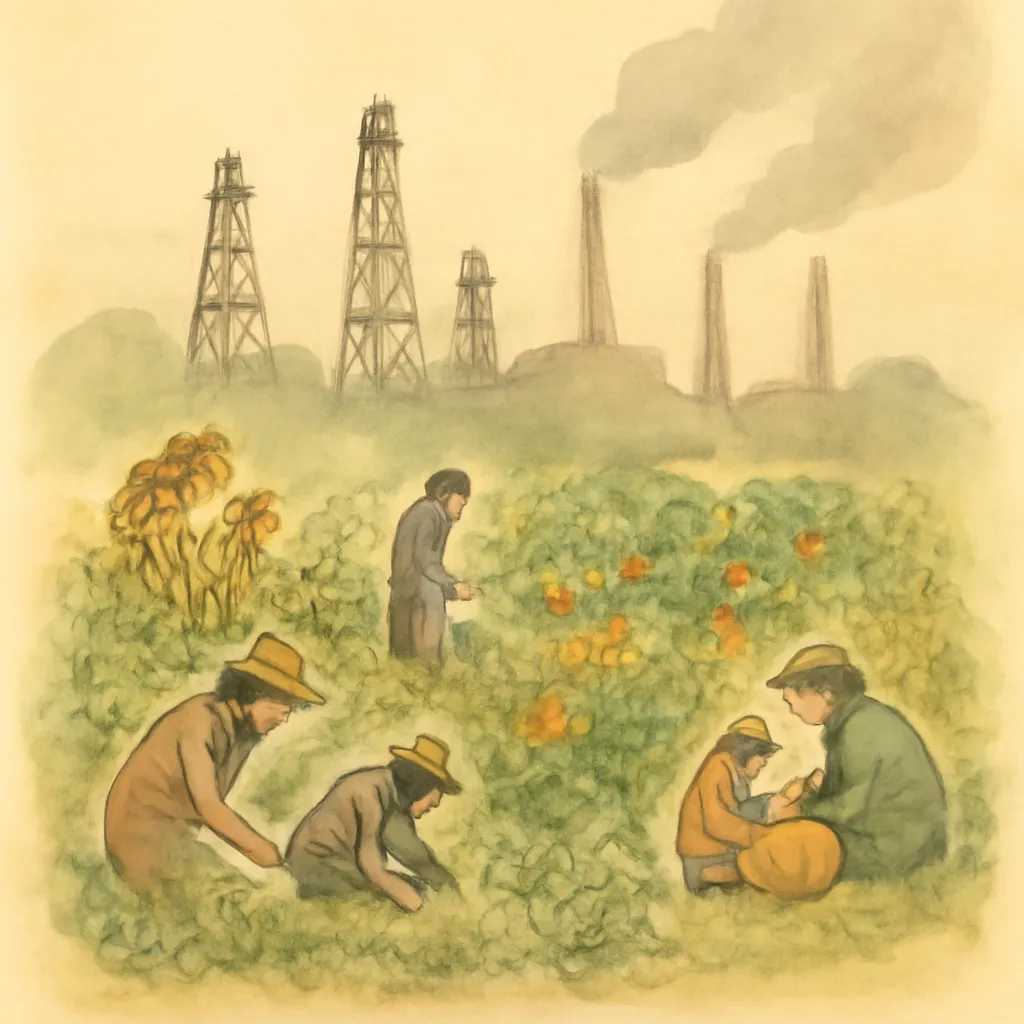
Rather than placing hope in political elites or big business, Klein highlights the rise of grassroots resistance—indigenous groups, local activists, and frontline communities fighting fossil fuel projects. She sees these movements as the real engines of change, capable of forcing political and economic shifts that top-down approaches have failed to deliver.
5.The Myth of Geoengineering and Technofixes
Klein is deeply skeptical of grand technological schemes—like geoengineering—that promise to 'fix' the climate without changing our way of life. She argues that such solutions are seductive but dangerous, distracting from the need for systemic change and risking unintended consequences. The real solution, she insists, is to leave fossil fuels in the ground and rethink our relationship to nature.
6.A Vision for Transformative Change
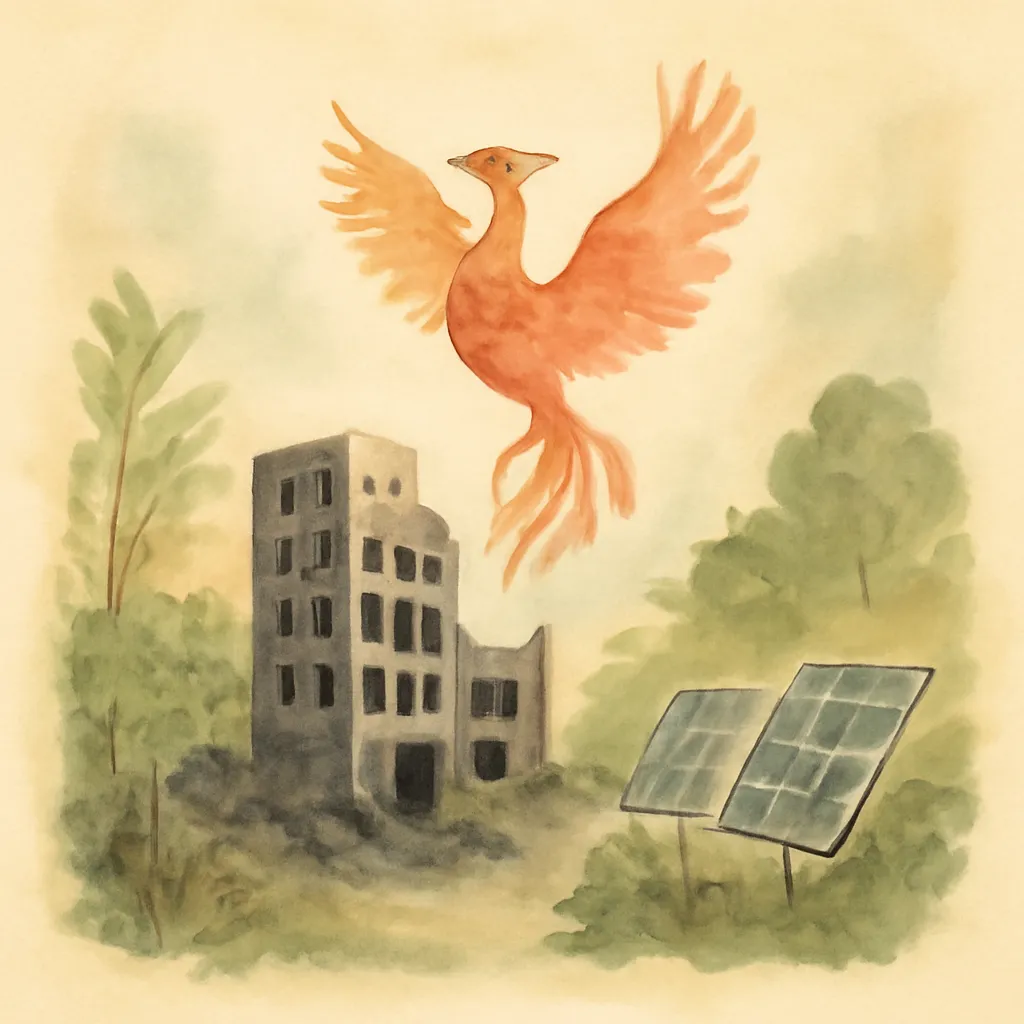
Klein calls for a sweeping transformation: reining in corporate power, investing in public infrastructure, and building economies that respect ecological limits. She sees the climate crisis as a chance to rebuild democracies and economies in more equitable, sustainable ways—not just to avert disaster, but to create a better world.