1.The Hidden Toll of Medicine
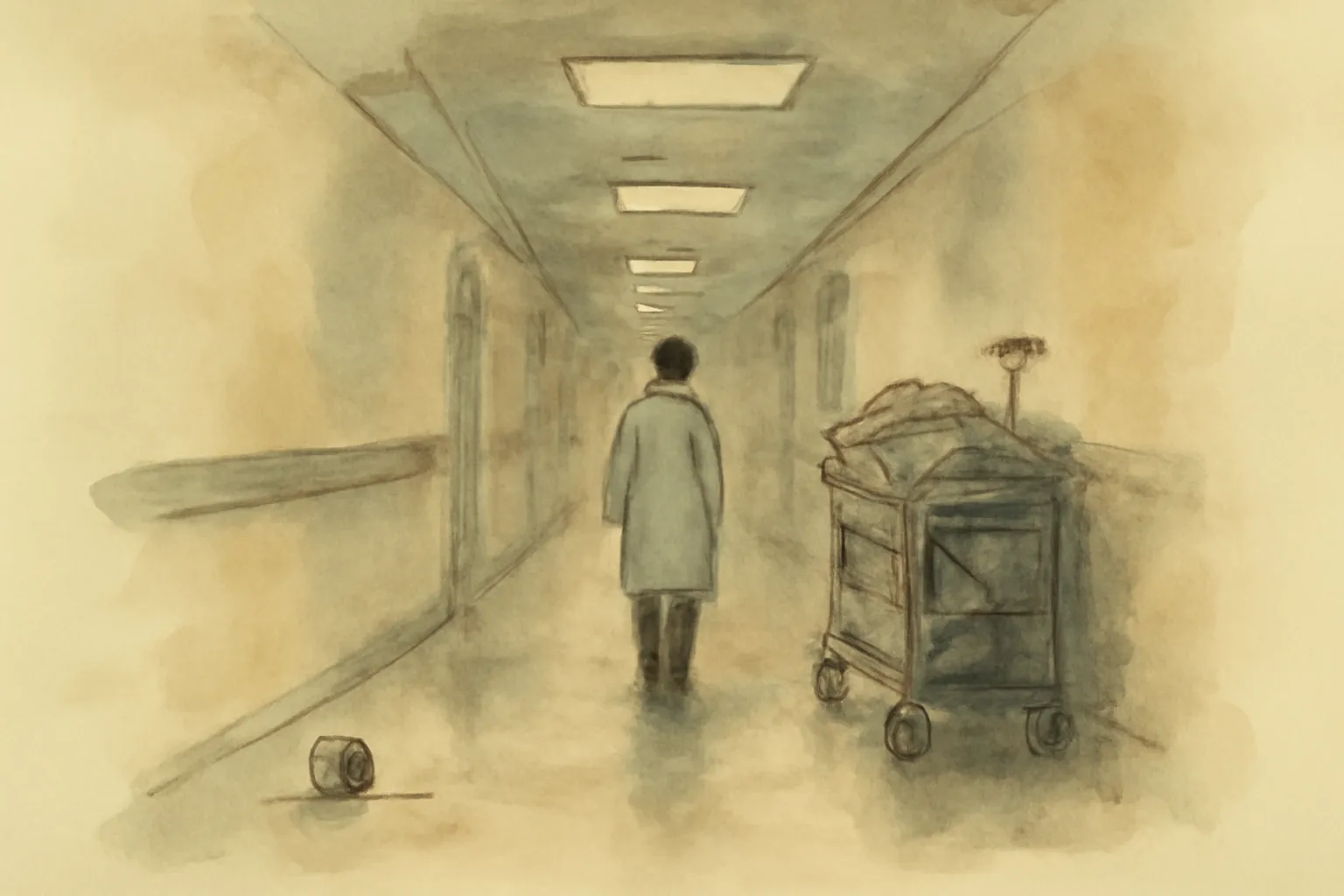
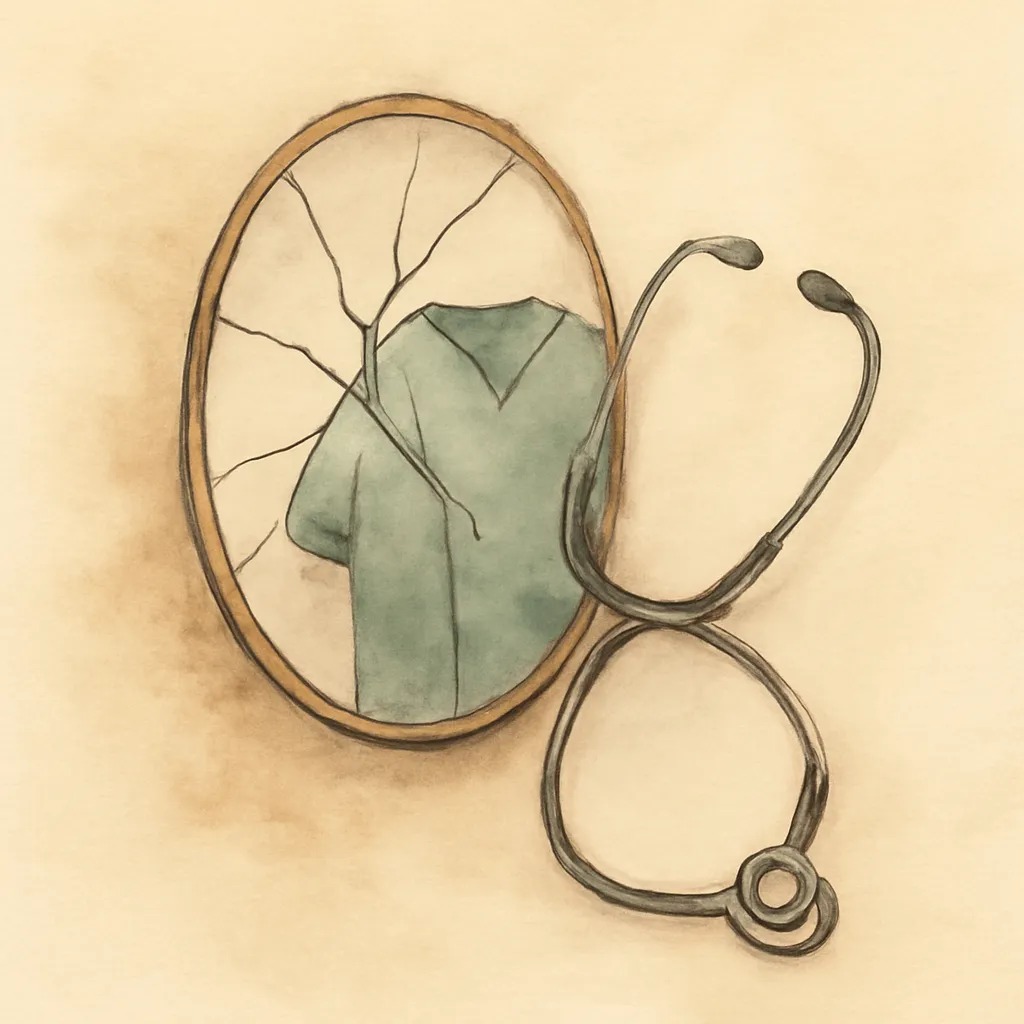
Kay exposes the immense personal sacrifices demanded of junior doctors—long hours, missed holidays, and emotional exhaustion. The book reveals how the relentless pressure, lack of sleep, and constant responsibility gradually erode doctors’ well-being, often with little support or recognition. Kay’s candid recounting highlights that medicine is not just a job, but a vocation that can consume one’s entire life, sometimes at great personal cost.
2.Humor as a Coping Mechanism
Despite the gravity of his work, Kay uses sharp wit and humor to process the daily absurdities and tragedies he encounters. The book’s laugh-out-loud moments are not just for entertainment—they’re a survival strategy in a system where emotional detachment is often necessary to keep going. This blend of comedy and tragedy underscores how humor can be both shield and salve for those in high-stress professions.
3.The Realities of the NHS
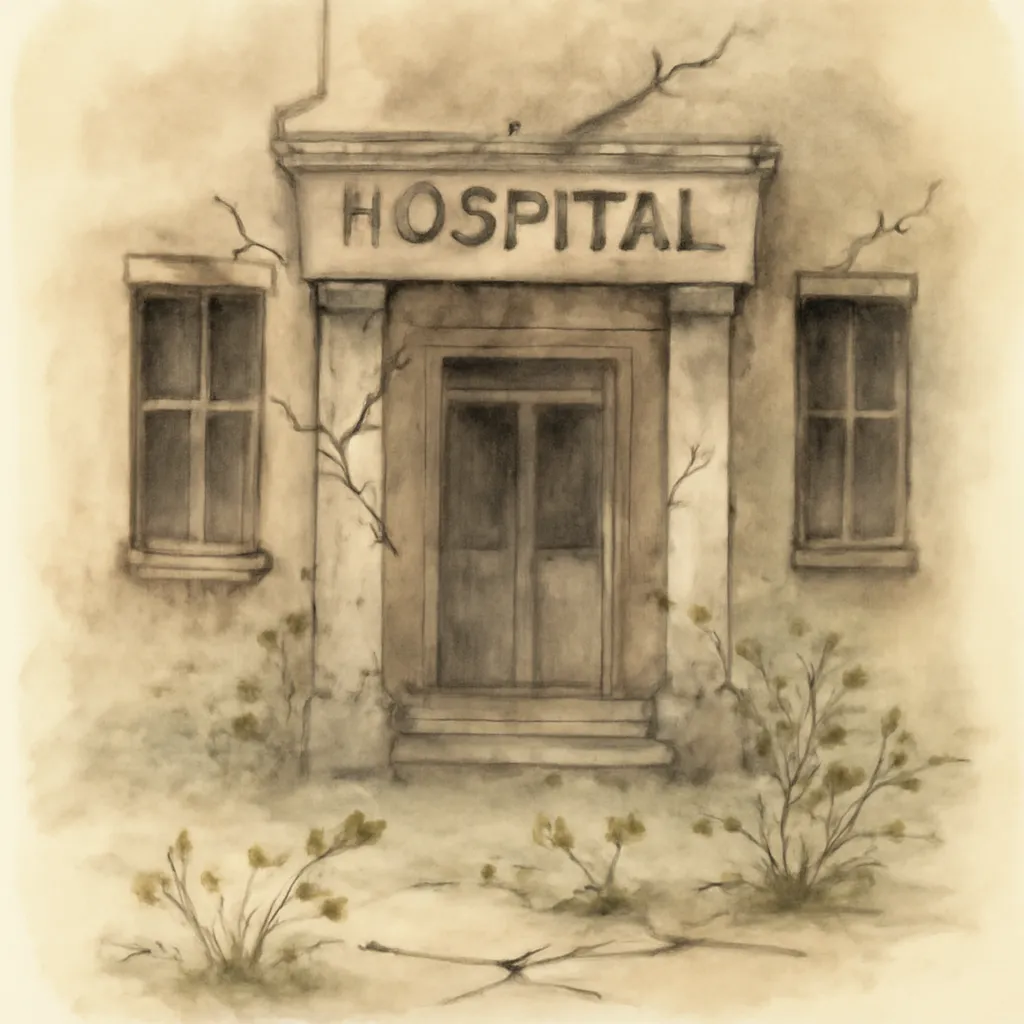
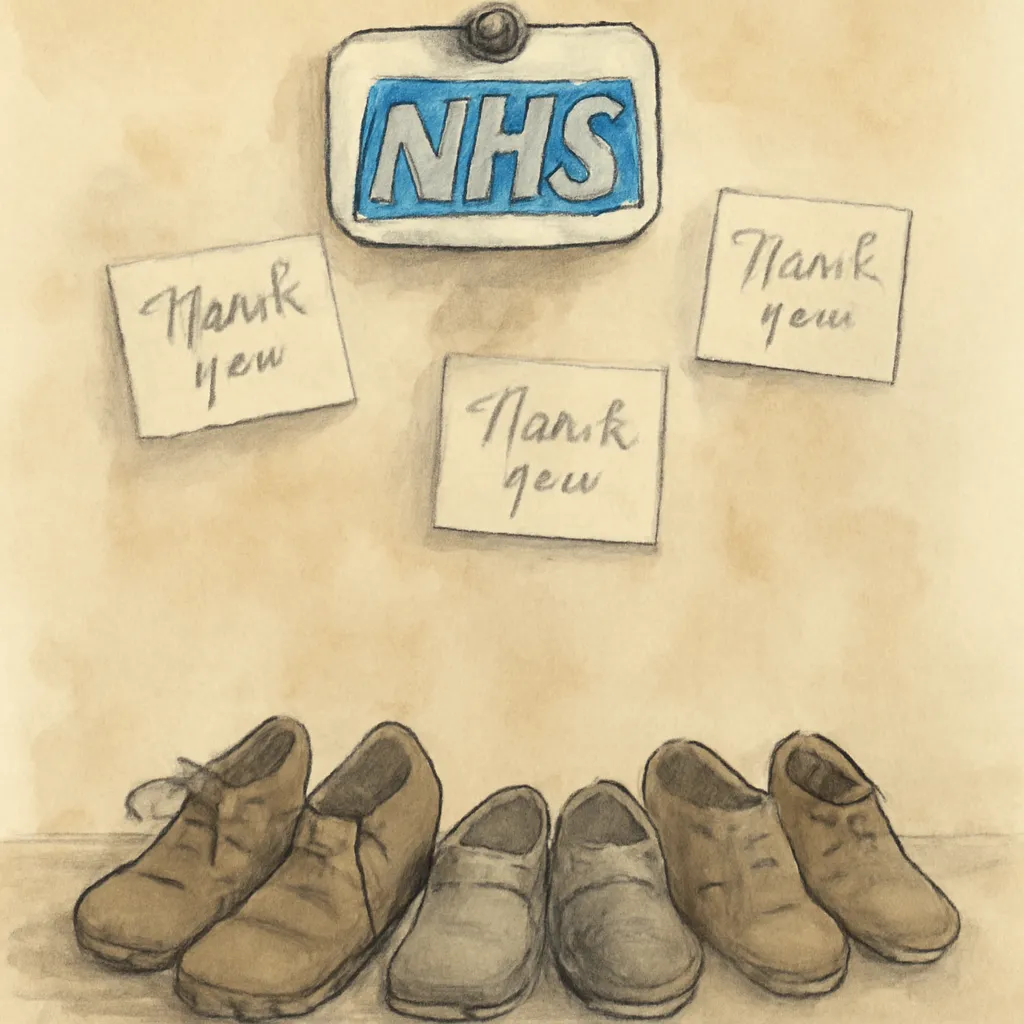
Kay’s diaries are a powerful commentary on the National Health Service’s systemic challenges: chronic understaffing, underfunding, and bureaucratic obstacles. He illustrates how these issues directly impact patient care and staff morale, offering a ground-level perspective that is both critical and compassionate. The book implicitly calls for greater public understanding and support for healthcare workers.
4.The Human Side of Doctors
Kay dismantles the myth of the infallible doctor, showing his own vulnerabilities, mistakes, and doubts. He reminds readers that doctors are human, subject to the same emotions, fears, and fallibility as anyone else. This honesty fosters empathy, making the medical profession more relatable and less intimidating to outsiders.
5.The Cost of Compassion
Throughout the book, Kay grapples with the emotional burden of caring deeply for patients while being forced to make impossible choices. The narrative explores the moral injury that can result when doctors are unable to provide the care they wish to, due to systemic limitations. Kay’s reflections highlight the emotional scars that accumulate over years of service.
6.A Call for Recognition and Change
By sharing his unvarnished experiences, Kay advocates for greater appreciation and support for healthcare professionals. The book is both a love letter to the NHS and a plea for reform, urging readers to recognize the sacrifices made by medical staff and the urgent need for systemic change.