1.The Concept of Reflection
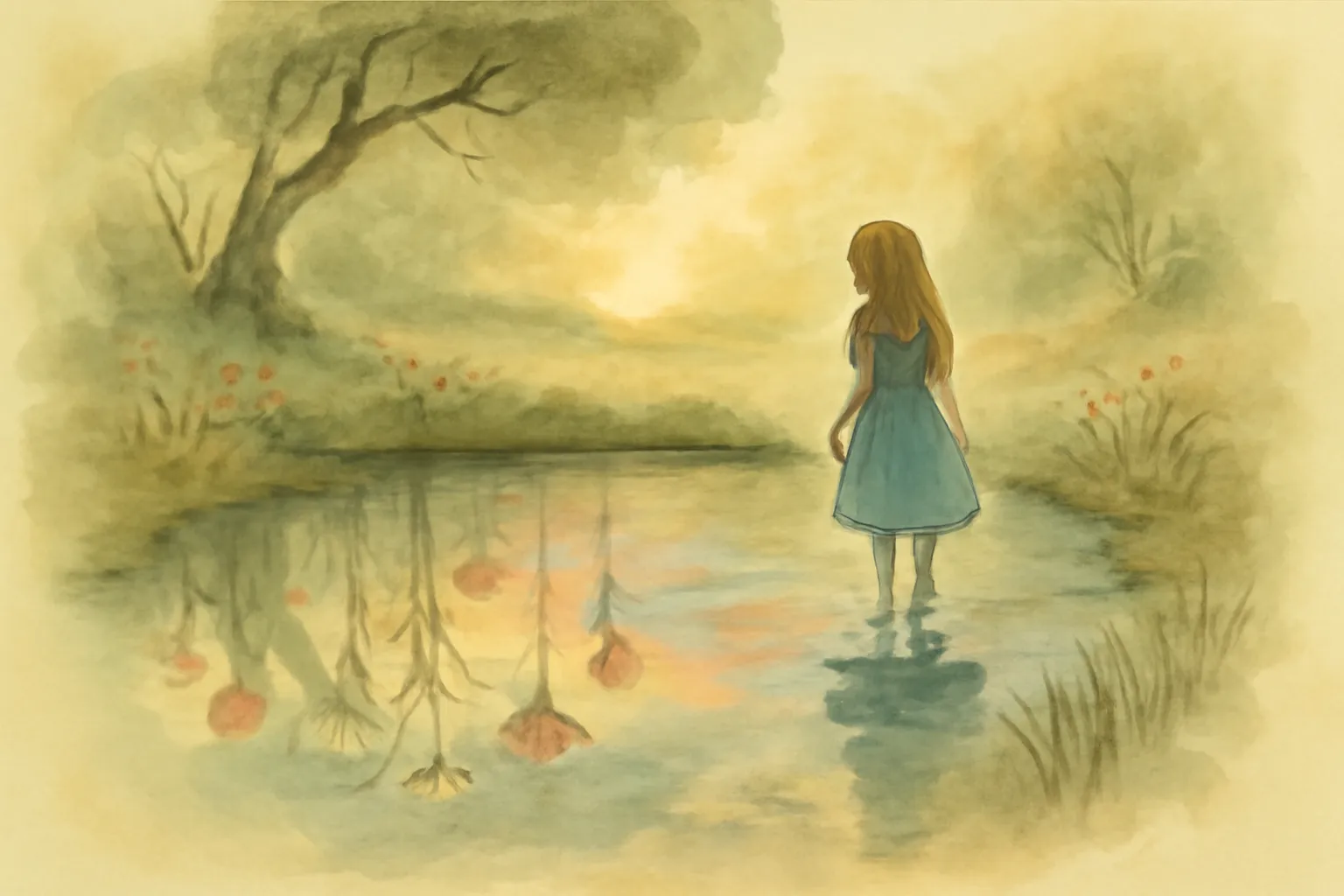
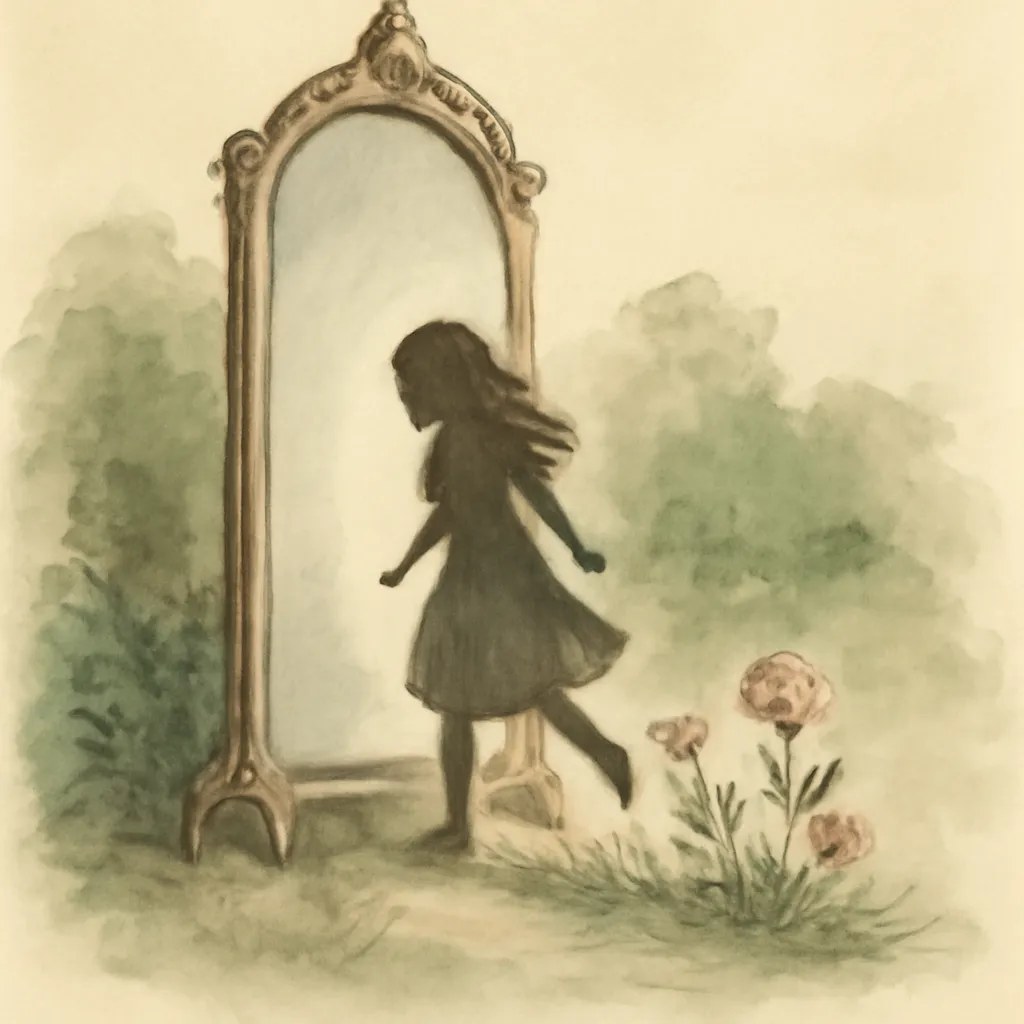
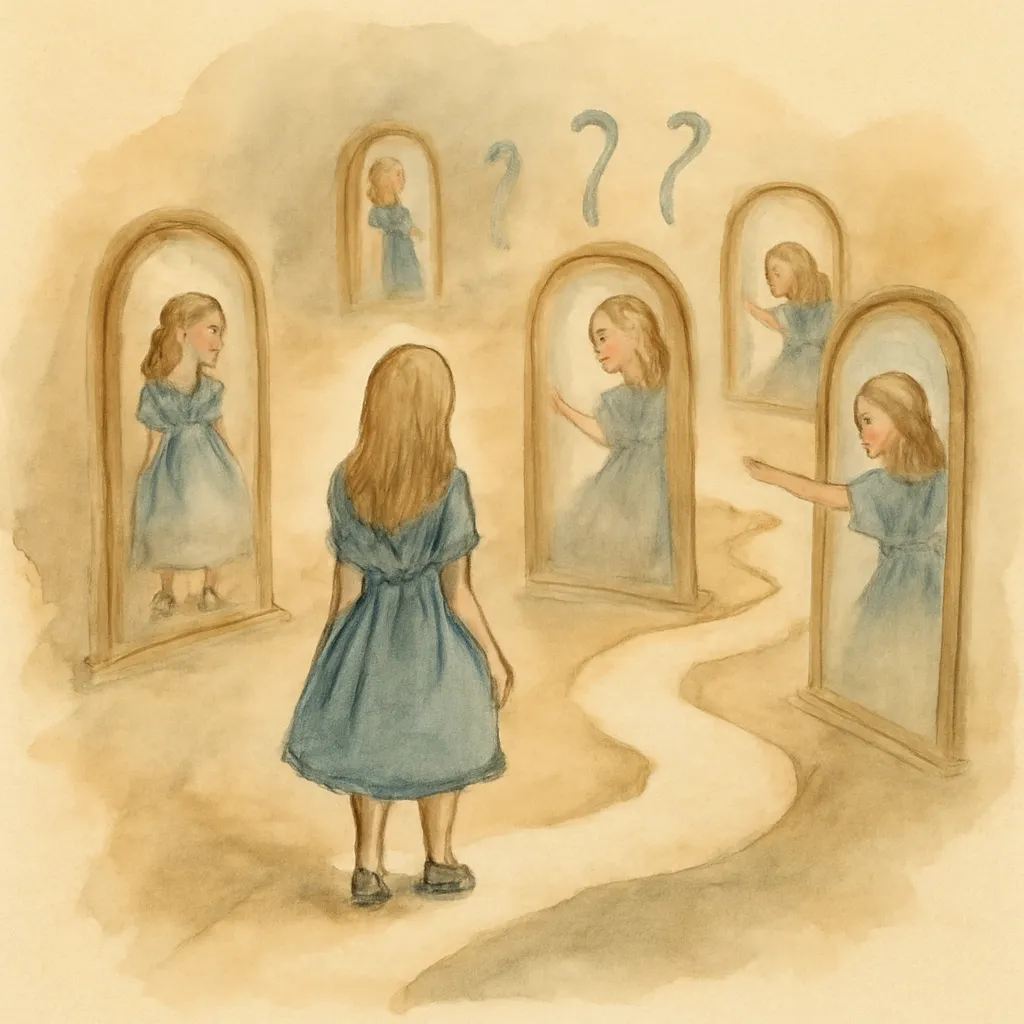
The premise of 'Through the Looking-Glass' revolves around the idea of a mirrored world, where everything is reversed and turned upside down. This reflection serves as a metaphor for self-exploration and the duality of identity. Alice's journey begins with her stepping through the looking-glass, which symbolizes a transition from the known to the unknown. As she traverses this world, she encounters characters who embody various aspects of herself, forcing her to confront her own identity and the contradictions within it. The looking-glass also represents the blurred lines between reality and fantasy, as Alice must navigate a landscape governed by its own illogical rules. This exploration of reflection encourages readers to consider their own perceptions and the ways in which they might be influenced by the external world.
2.Language and Communication
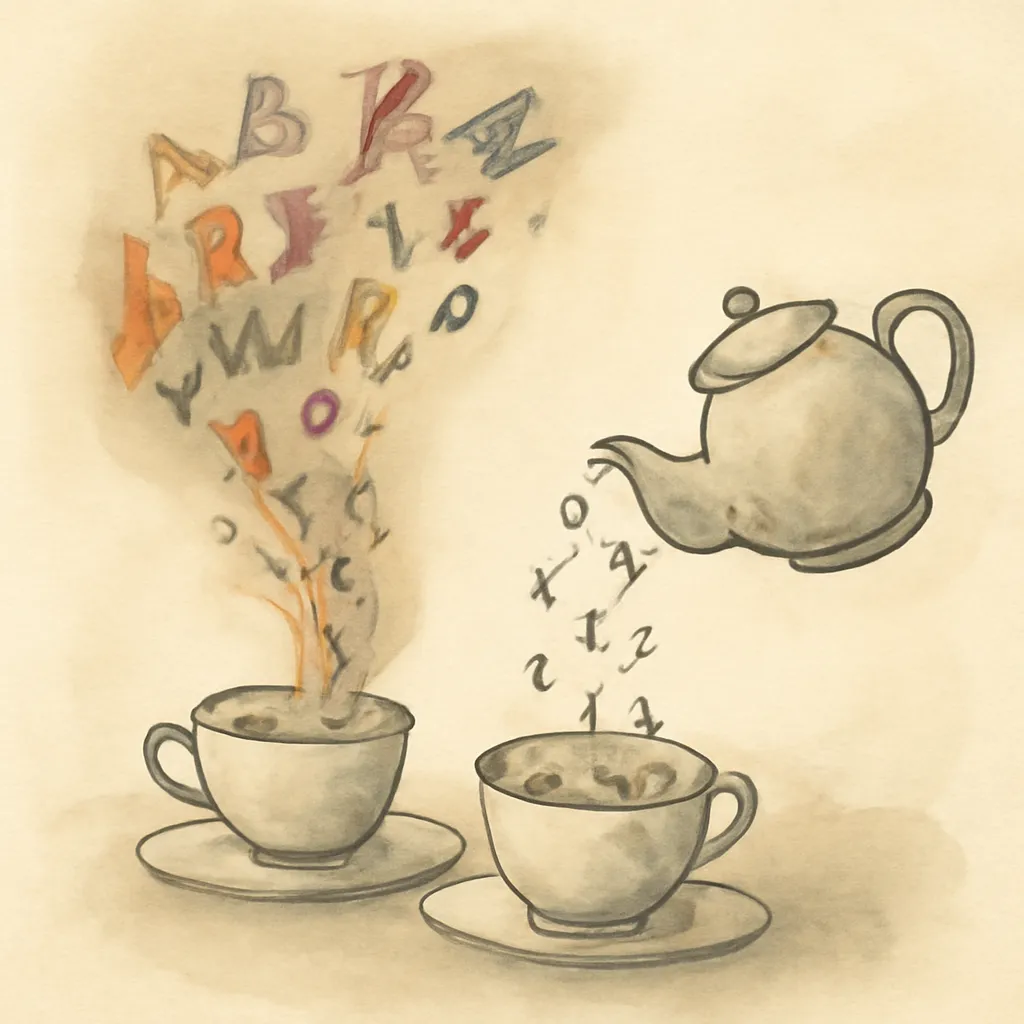
Carroll's playful use of language is a hallmark of 'Through the Looking-Glass,' where words are often manipulated to create delightful confusion. The dialogue between characters frequently consists of puns, riddles, and nonsensical phrases that challenge conventional communication. This use of language not only entertains but also raises questions about the limitations of expression and the nature of meaning. For instance, the conversation between Alice and Humpty Dumpty explores the idea that names and definitions are subjective, as Humpty asserts that his name defines his shape. This invites readers to consider how language shapes our understanding of the world and the way we construct our identities. Through this whimsical yet profound exploration of language, Carroll highlights the complexities of communication and the inherent ambiguity that comes with it.
3.The Nature of Time
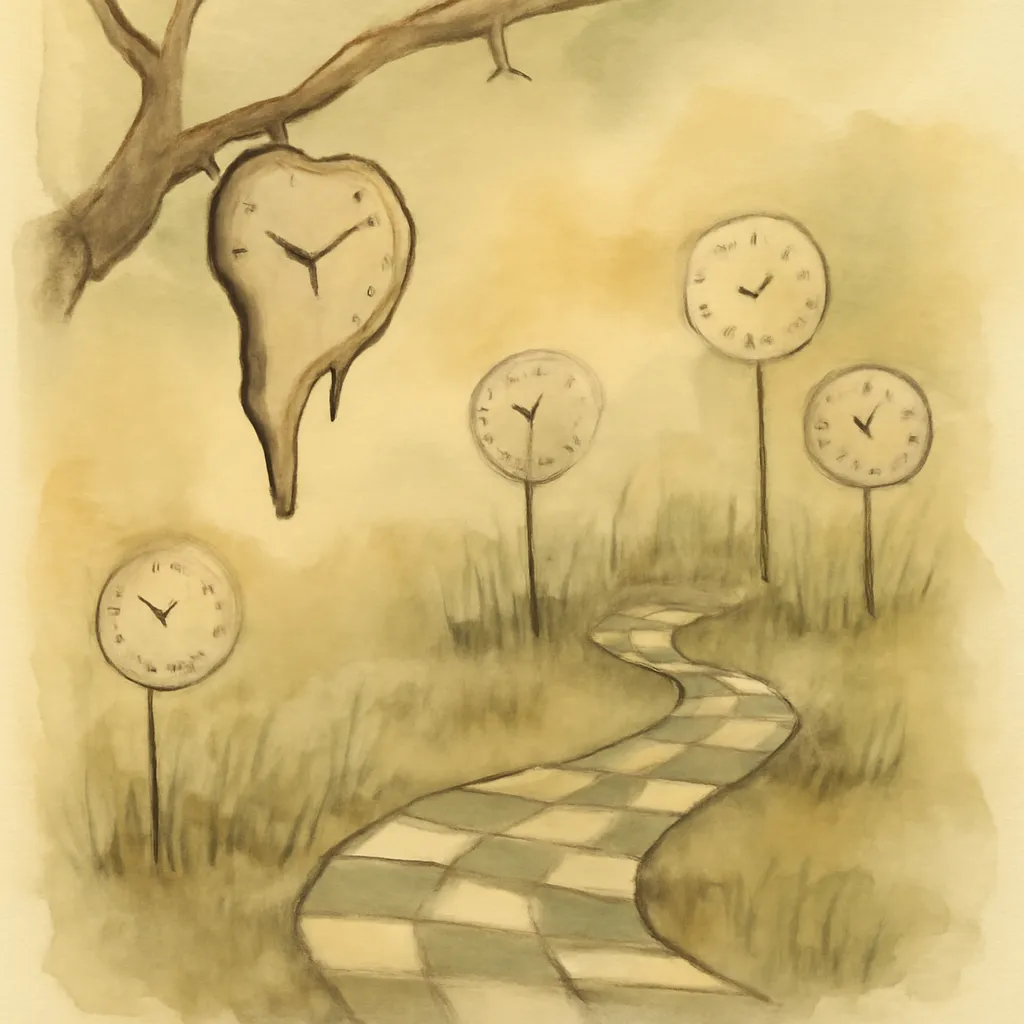
Time in 'Through the Looking-Glass' is portrayed as fluid and unpredictable, contrasting sharply with the linear progression typically experienced in reality. Characters like the White Queen express a nonlinear understanding of time, with the Queen suggesting that she can remember events that have not yet occurred. This distortion of time reflects Alice's own struggles with growing up and the pressures of adulthood. As she navigates the looking-glass world, Alice grapples with her place within this fluidity, encountering situations that challenge her understanding of cause and effect. Carroll's treatment of time invites readers to reflect on their own experiences and how societal expectations can distort personal growth and self-identity. Ultimately, this theme serves as a reminder that time is not merely a sequence of events, but a complex interplay of experiences and emotions.
4.Identity and Self-Discovery
Alice's journey through the looking-glass is fundamentally a quest for self-discovery, as she encounters various characters who challenge her understanding of who she is. Each character, from the Red Queen to Humpty Dumpty, presents a different aspect of identity, forcing Alice to confront her own beliefs and assumptions. The interactions she has often highlight the absurdity of societal roles and expectations, prompting her to question the nature of authority and conformity. For example, the Red Queen's insistence on rules and order contrasts with Alice's desire for freedom and self-expression. This tension between the two emphasizes the struggle many face in defining themselves in a world that often imposes rigid identities. Through her adventures, Alice learns that identity is not fixed but rather a fluid concept shaped by experiences, choices, and interactions with others.
5.The Absurdity of Authority
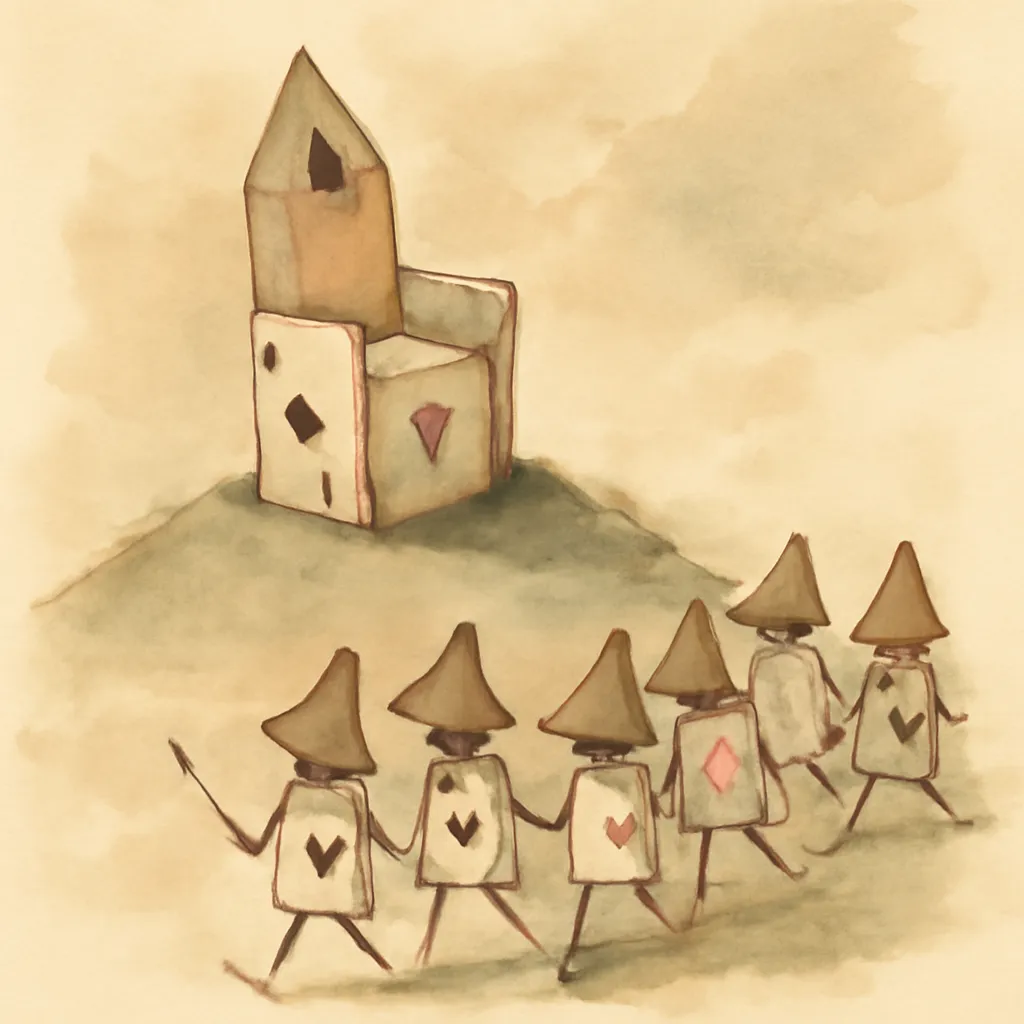
Throughout 'Through the Looking-Glass,' Carroll critiques the concept of authority through the portrayal of various rulers and figures of power. The characters often exhibit arbitrary and nonsensical behaviors, reflecting the absurdity of the systems they represent. For instance, the Red Queen's tyrannical rule is characterized by her illogical demands and harsh judgments, which leave Alice bewildered and frustrated. This portrayal serves to question the legitimacy of authority figures in both the looking-glass world and the real world. Carroll's depiction encourages readers to think critically about the nature of power and the often arbitrary rules that govern society. By illustrating the absurdity of authority, Carroll invites readers to challenge the status quo and consider the importance of questioning and redefining power structures.
6.The Play of Chess
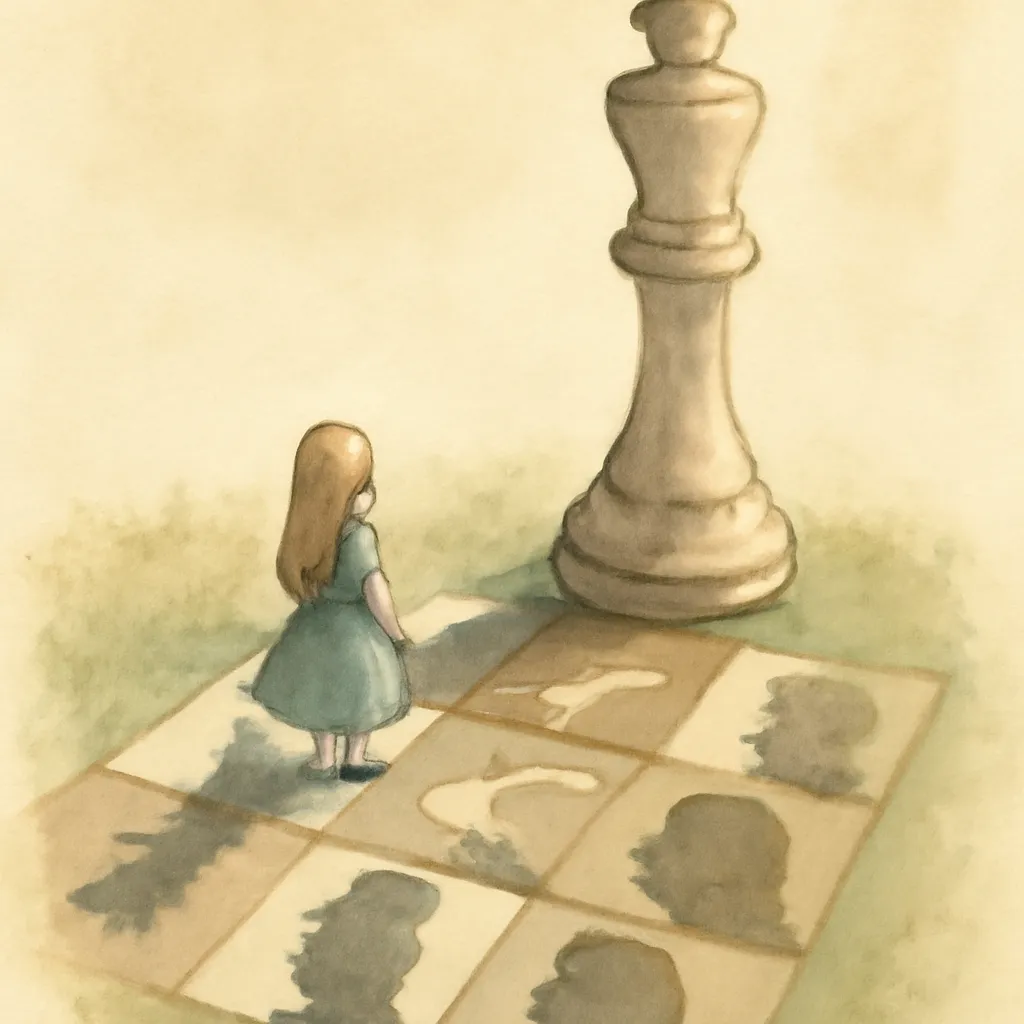
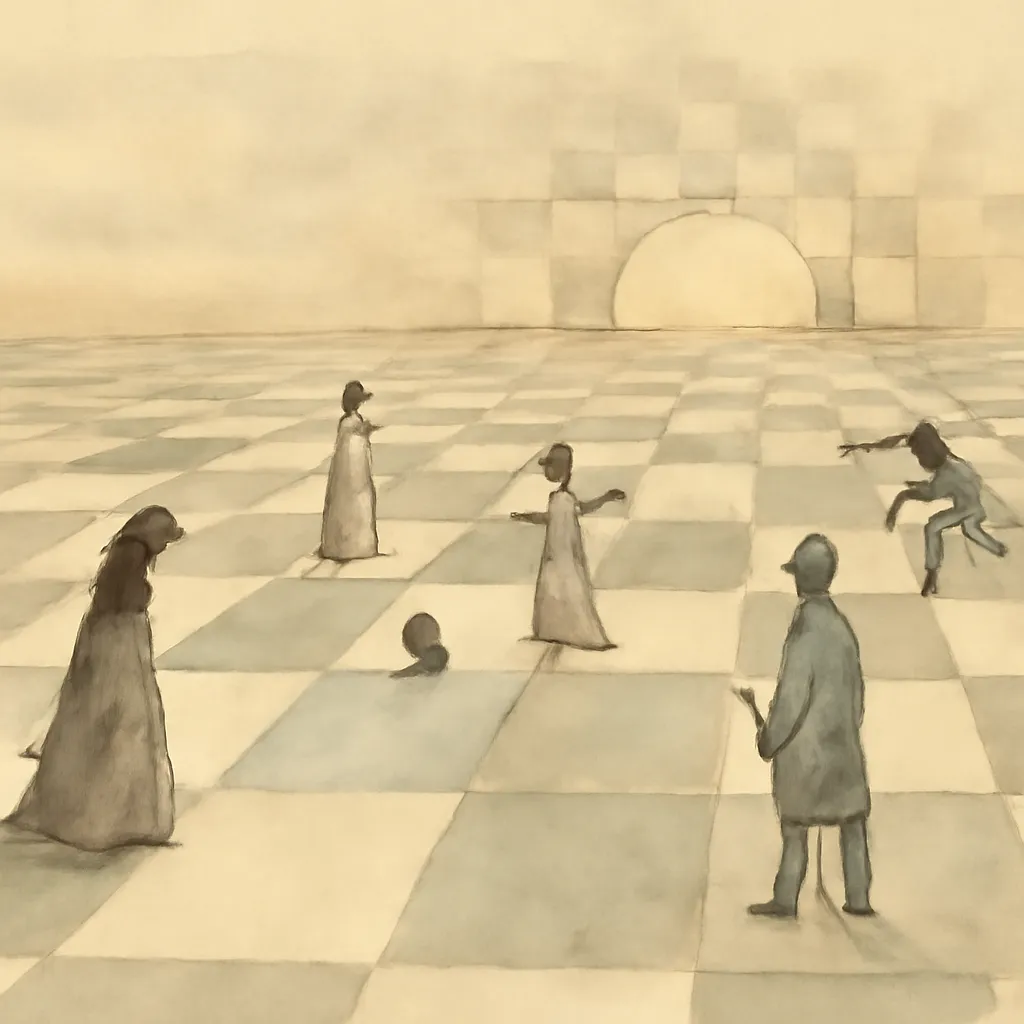
The structure of 'Through the Looking-Glass' is framed around a chess game, where each character embodies a chess piece with specific roles and movements. This chess motif serves as a metaphor for life, illustrating the strategic decisions individuals must make as they navigate various challenges. Alice's journey mirrors that of a pawn striving to reach the other side of the board, transforming into a queen in the process. This transformation symbolizes personal growth and the pursuit of agency in a world filled with obstacles. The rules of chess also parallel the arbitrary nature of societal rules, emphasizing the importance of strategy and adaptability in achieving one's goals. Carroll's incorporation of chess into the narrative serves as a profound commentary on the complexities of life's game, where every move carries significance and consequences.
7.Friendship and Companionship
Alice's interactions with various characters highlight the importance of companionship and the complexities of friendship. Characters like Tweedledum and Tweedledee represent the duality of friendship, as their constant bickering reflects the challenges of maintaining relationships. Their interactions prompt Alice to navigate her own feelings about loyalty and conflict, illustrating that friendships are often fraught with misunderstandings and differing perspectives. Additionally, Alice's relationship with the White Queen showcases the nurturing aspect of companionship, as she helps the Queen with her disheveled appearance. This act of kindness emphasizes the value of empathy and support in friendships. Carroll's exploration of these themes encourages readers to reflect on their own relationships and the importance of navigating the complexities of companionship with patience and understanding.
8.The Role of Dreams and Imagination
Dreams and imagination play a central role in 'Through the Looking-Glass,' blurring the lines between reality and fantasy. Alice's journey can be interpreted as a dreamlike exploration of her subconscious, where her thoughts and fears manifest as strange characters and scenarios. The whimsical nature of the looking-glass world invites readers to embrace their own imaginations and consider the power of dreams in shaping their realities. Carroll's narrative suggests that imagination is not merely an escape from reality but a vital tool for understanding and processing one’s experiences. This theme resonates with readers, encouraging them to value their imaginative faculties and recognize the significance of dreams in their own lives. By fostering a sense of wonder and creativity, Carroll highlights the transformative potential of imagination.
9.The Quest for Meaning
As Alice navigates the looking-glass world, she grapples with the search for meaning in a place where logic is turned upside down. Characters frequently engage in conversations that challenge her understanding of reality, leaving her feeling bewildered and searching for clarity. This quest for meaning reflects a universal human experience, as individuals often encounter situations that defy explanation. Carroll's exploration of meaning invites readers to consider their own experiences with absurdity and confusion, prompting them to seek understanding in a world that can often feel chaotic. Through Alice's journey, readers are encouraged to embrace the uncertainty of life and recognize that meaning can be found in the most unexpected places. Ultimately, this theme serves as a reminder of the importance of curiosity and resilience in the face of the absurd.