1.The Weight of Royal Expectations
Thuvia of Ptarth embodies the struggle of navigating royal expectations in a society that places immense value on lineage and honor. As the daughter of Thuvan Dihn, Jeddak of Ptarth, she is expected to uphold the dignity of her title while grappling with unwanted romantic advances. The incident with Astok, Prince of Dusar, illustrates the precarious nature of her position. When Astok dares to profess his love and even attempts to force his affection upon her, Thuvia is not only horrified but also acutely aware of the societal implications of such a breach. This tension between personal desire and public duty is a recurring theme that shapes Thuvia's journey, as she seeks to assert her agency in a world that often seeks to control it. The clash between her royal status and her personal autonomy reflects the broader struggles faced by women in patriarchal societies, making her story resonate with readers on multiple levels.
2.The Complexity of Love and Loyalty
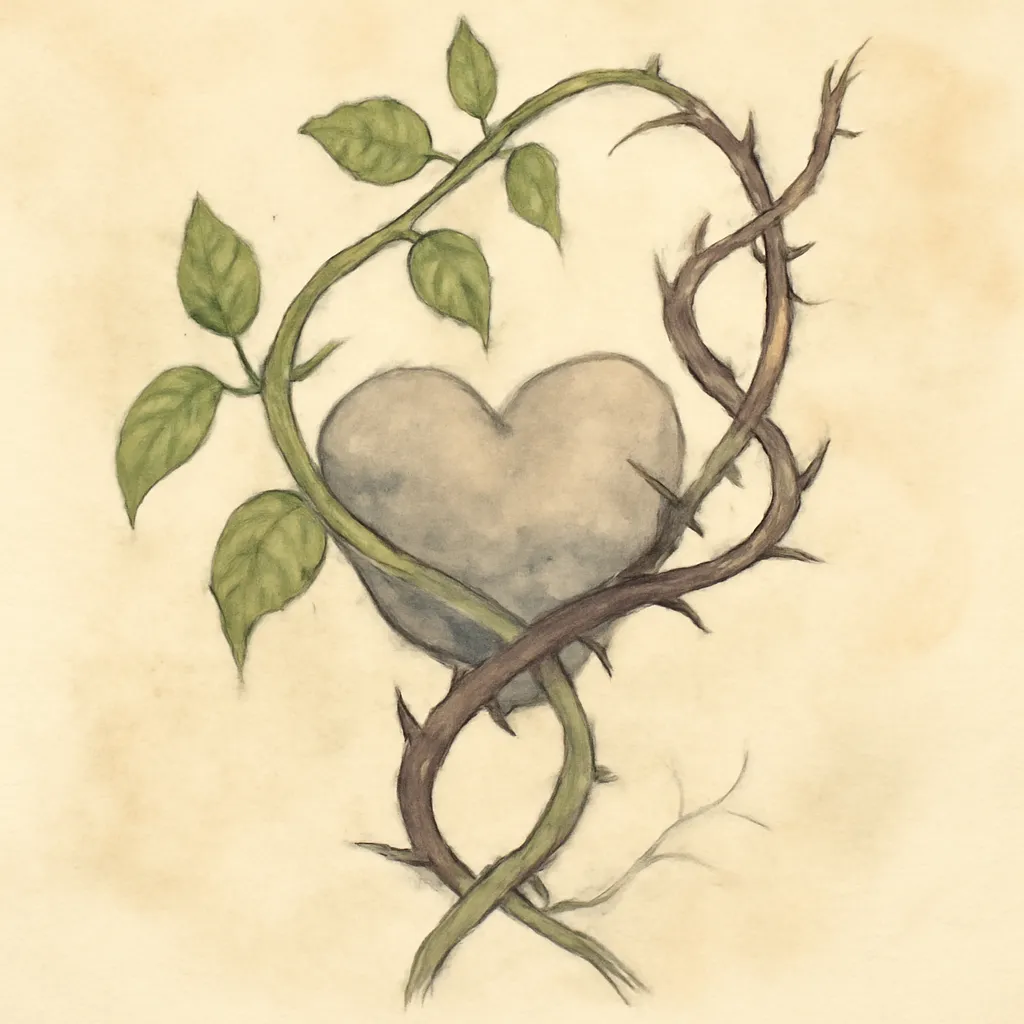
The relationships in Thuvia's life highlight the intricacies of love and loyalty against a backdrop of political intrigue. Initially, Thuvia is engaged to Kulan Tith, Jeddak of Kaol, which signifies her loyalty to her family and their alliances. However, her abduction and subsequent encounters with Carthoris, the Prince of Helium, force her to reevaluate her feelings. As she learns to trust Carthoris, their bond deepens, suggesting that true loyalty often transcends political alliances. For instance, when Thuvia is faced with the advances of the treacherous Astok, her feelings for Carthoris grow stronger, demonstrating that emotional connections can evolve even in the face of dire circumstances. The novel challenges the notion of loyalty, presenting it as a fluid concept that evolves with circumstances. Thuvia's internal conflict between her engagement and her growing affection for Carthoris offers a poignant exploration of how love can emerge in the most unexpected situations, ultimately leading to personal growth and empowerment.
3.The Role of Treachery in Martian Society
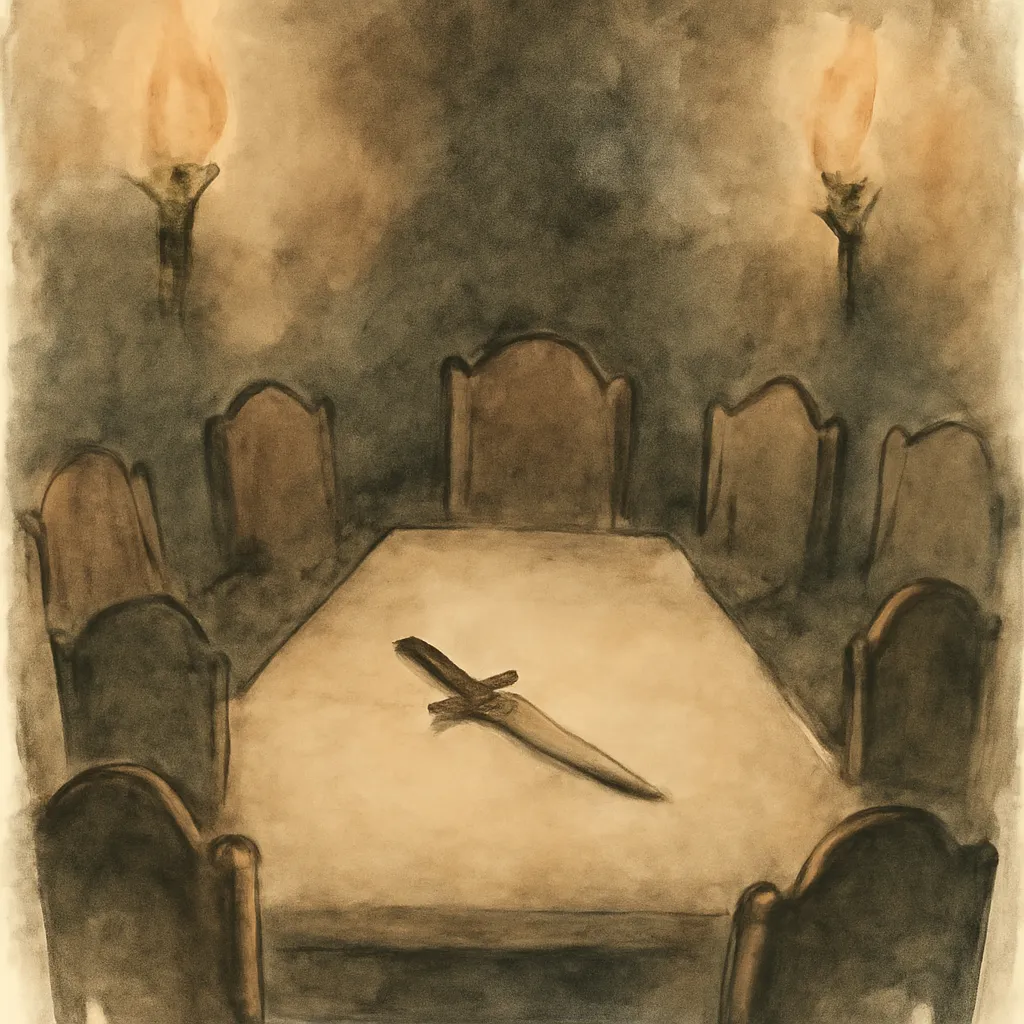
Treachery is a recurring motif in the narrative, reflecting the cutthroat nature of Martian politics. The abduction of Thuvia sets off a chain reaction of suspicion and accusations, particularly against Carthoris, who finds himself wrongly implicated in the crime. The council meeting convened by John Carter, Warlord of Mars, showcases the tension between the kingdoms of Helium and Ptarth, where the threat of war looms due to misunderstandings and treachery. This atmosphere of distrust forces characters to navigate a landscape fraught with danger, where alliances can shift in an instant. The betrayal by those close to Thuvia, such as Astok and the manipulations of Vas Kor, further emphasize the precariousness of trust. The narrative underlines the idea that in a world where power is coveted, individuals must navigate a treacherous web of deceit and ulterior motives. As Thuvia and Carthoris work together to uncover the truth and fight against their enemies, they embody the resilience required to overcome a world riddled with deceit, underscoring the thin line between loyalty and betrayal.
4.The Power of Agency
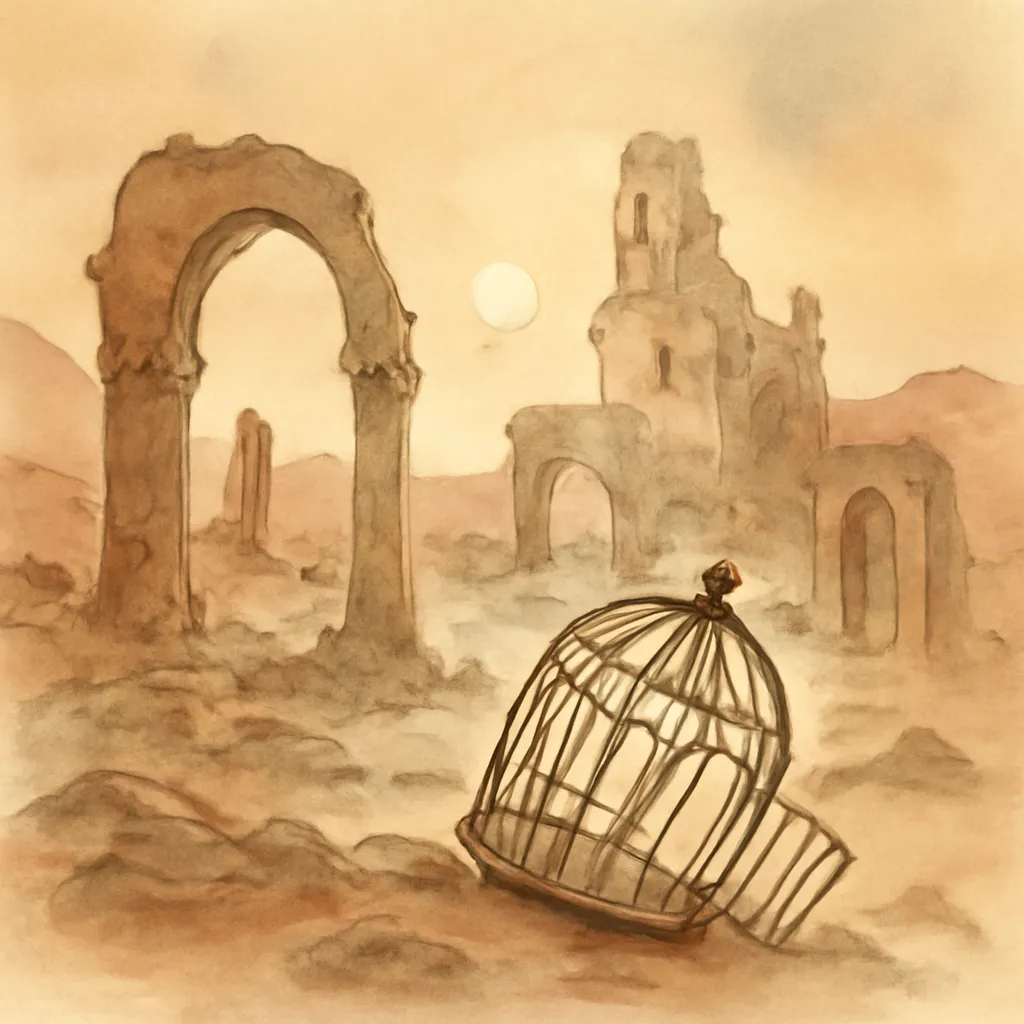
Thuvia's journey is ultimately one of reclaiming her agency in a world where women are often seen as pawns in the games of men. Initially, she is subjected to the whims of Astok and later finds herself imprisoned, stripped of her autonomy. However, as the story progresses, Thuvia begins to assert her will, demonstrating that she is not merely a victim of circumstance. During her imprisonment, she devises her plans for escape, showcasing her quick thinking and resourcefulness. Her interactions with Carthoris reveal her strength and intelligence, as she navigates dangerous situations with cunning and bravery. For instance, when she encounters the banths in the ancient Martian ruins, her ability to communicate with them showcases her innate understanding of the world around her. Thuvia's evolution from a passive royal to an active participant in her own destiny serves as a powerful reminder of the importance of self-determination, particularly for women in patriarchal societies. Her growth throughout the novel exemplifies the struggle many women face in claiming their identity amidst societal constraints.
5.The Significance of Martian Culture
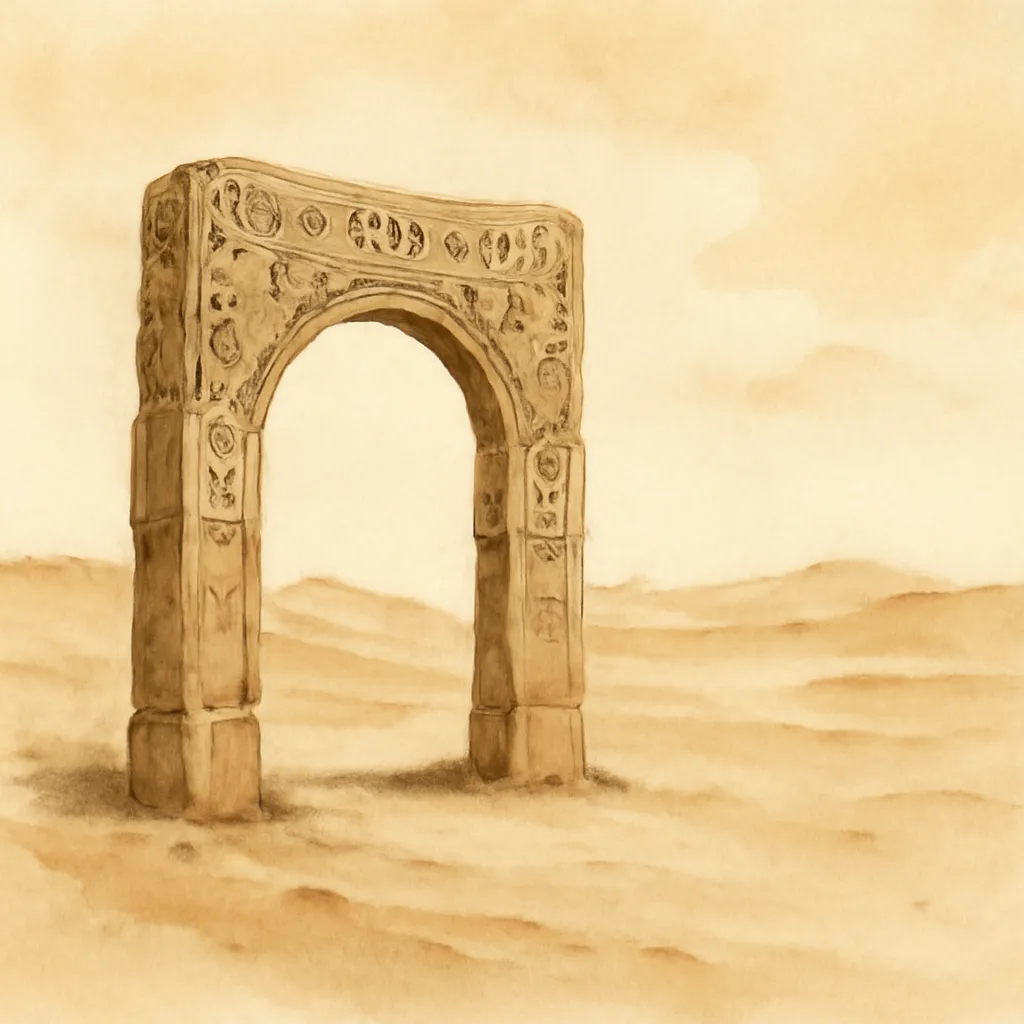
Burroughs intricately weaves elements of Martian culture throughout the narrative, enriching the world-building and giving depth to the characters' experiences. From the elaborate customs of Barsoomian society to the various factions vying for power, each aspect reflects the complexities of life on Mars. The descriptions of the royal courts, the significance of titles, and the brutal realities of warfare paint a vivid picture of a civilization steeped in tradition yet constantly in flux. The contrast between the noble houses and the savage tribes of green men adds layers to the conflict, showcasing the diverse range of Martian life. For instance, the customs surrounding courtship and honor illustrate how deeply ingrained societal norms dictate behavior and influence decisions. This cultural backdrop not only serves to enhance the plot but also invites readers to ponder the broader implications of power dynamics and social structures within their own societies. By immersing readers in the rich tapestry of Martian life, Burroughs highlights how culture shapes identity and informs individual choices.
6.Friendship and Camaraderie
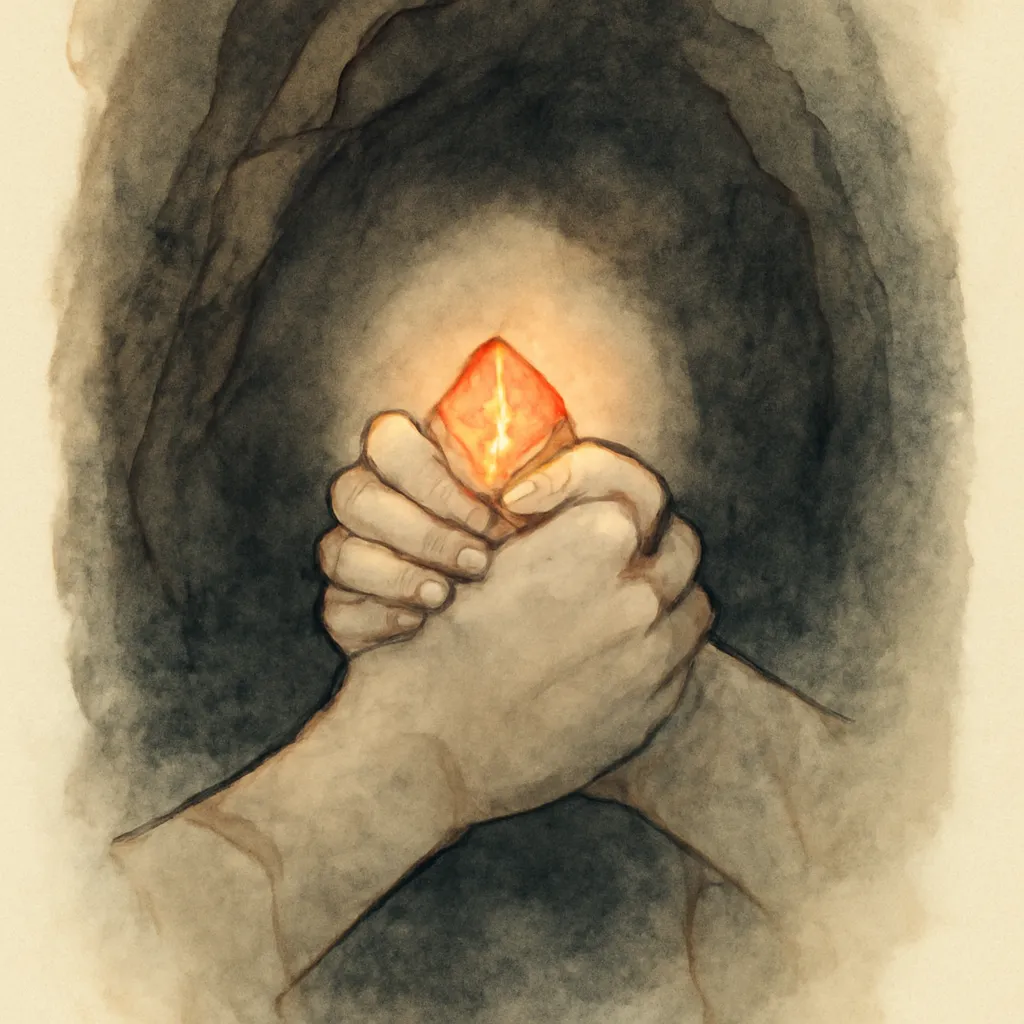
The bonds of friendship play a crucial role in Thuvia's story, illustrating the importance of loyalty and support in times of crisis. Carthoris's unwavering commitment to Thuvia, even when faced with treachery and danger, highlights the strength of their connection. Their partnership evolves as they confront numerous threats, showcasing how mutual respect and trust can lead to profound alliances. The camaraderie displayed among the characters, particularly in the face of adversity, serves as a testament to the human spirit's resilience. This theme is exemplified in the interactions between Carthoris and his allies, who rally together to confront the dangers posed by their enemies. The friendships forged through shared trials and tribulations underscore the notion that true strength often lies in the relationships we forge with others. As Thuvia and Carthoris navigate the treacherous landscape of Martian politics and warfare, their bond becomes a source of hope and courage, reinforcing the idea that together, they can overcome even the greatest of challenges.
7.The Hero's Journey
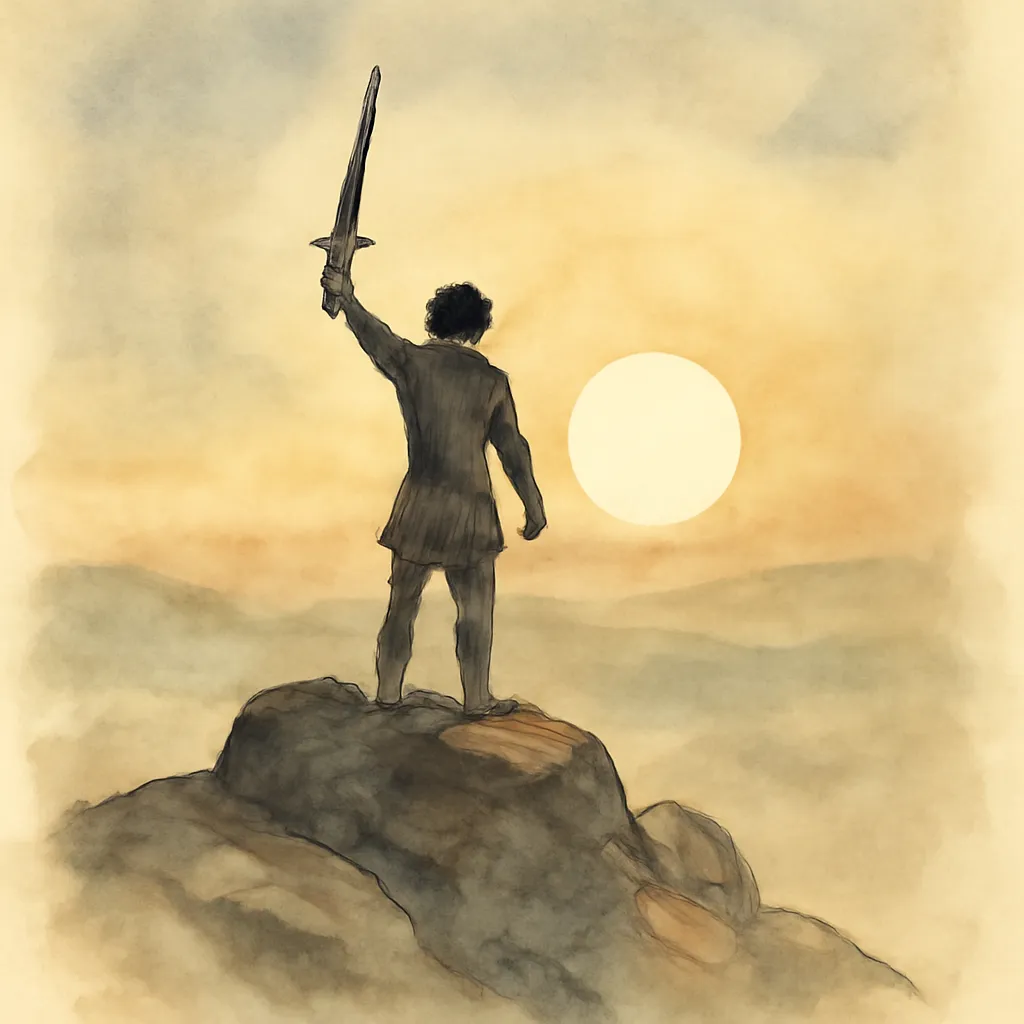
Carthoris's character arc mirrors the classic hero's journey, evolving from a privileged prince to a determined warrior fighting for love and justice. Initially, he is portrayed as a man burdened by the expectations of his lineage, caught in the web of political intrigue. However, as he embarks on the quest to rescue Thuvia, he transforms into a hero willing to risk everything for the sake of love. His encounters with danger, including battles against monstrous beasts and treacherous foes, challenge him to rise above his fears and insecurities. The narrative tracks his growth as he learns to confront his enemies with bravery and cunning, ultimately embodying the virtues of a true hero. Carthoris's journey is not only about physical challenges but also about the internal struggle to define his identity and purpose in a world that often seeks to define it for him. His evolution showcases the importance of resilience and the willingness to fight for what is right, making his journey relatable and inspiring.
8.The Struggle for Survival
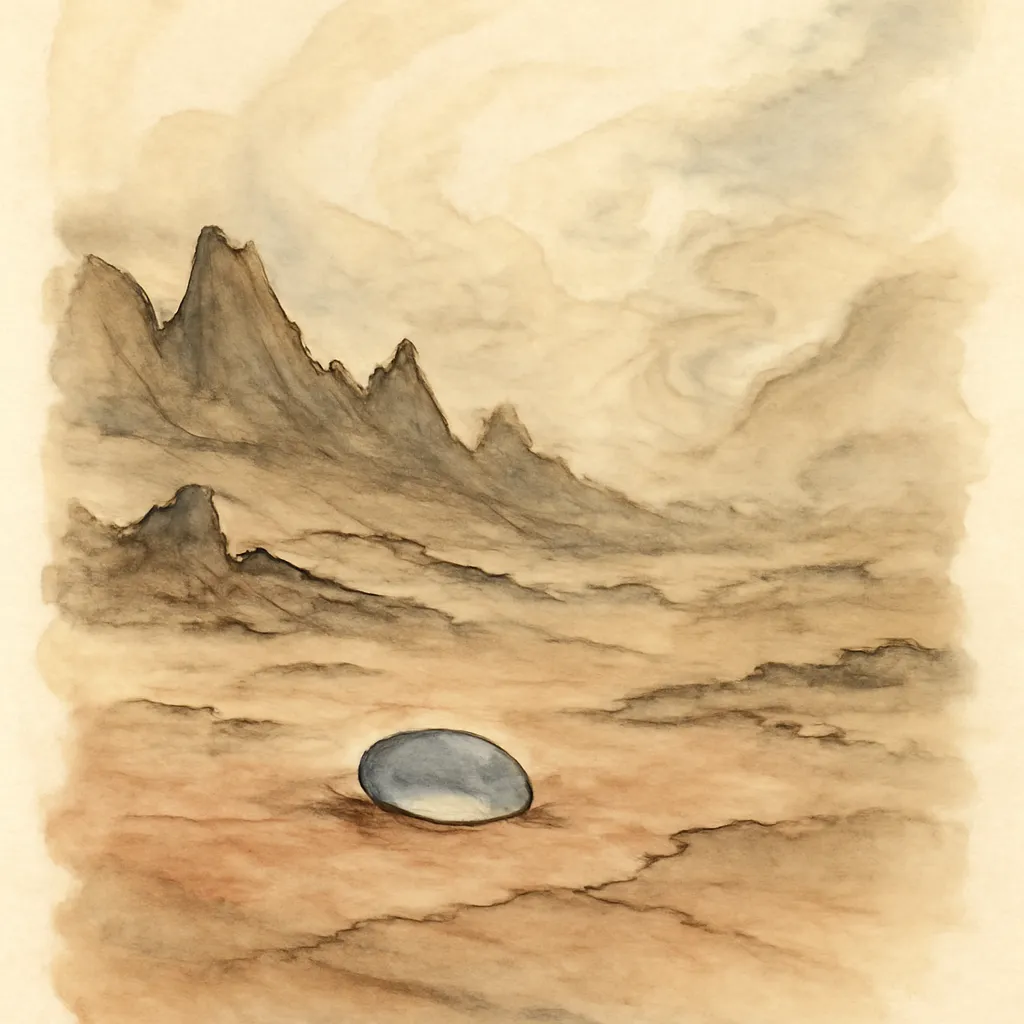
Survival is a central theme in Thuvia, Maid of Mars, as characters face constant threats from both human adversaries and the harsh Martian environment. Thuvia's abduction plunges her into a world where her very existence is at stake, forcing her to rely on her wits and courage to navigate perilous situations. The encounters with the banths and the treacherous Lotharians highlight the dangers lurking in the shadows, and the struggle for survival becomes a driving force behind the characters' actions. As Thuvia and Carthoris confront these challenges, they are pushed to their limits, revealing their true character and resilience. The narrative underscores the idea that survival often requires not only physical strength but also mental fortitude and resourcefulness in the face of overwhelming odds. Each encounter they face tests their resolve, illustrating the lengths individuals will go to protect those they love. Through their trials, readers witness the power of determination and the instinctual drive to survive against all odds.
9.The Mystique of Ancient Martian Ruins
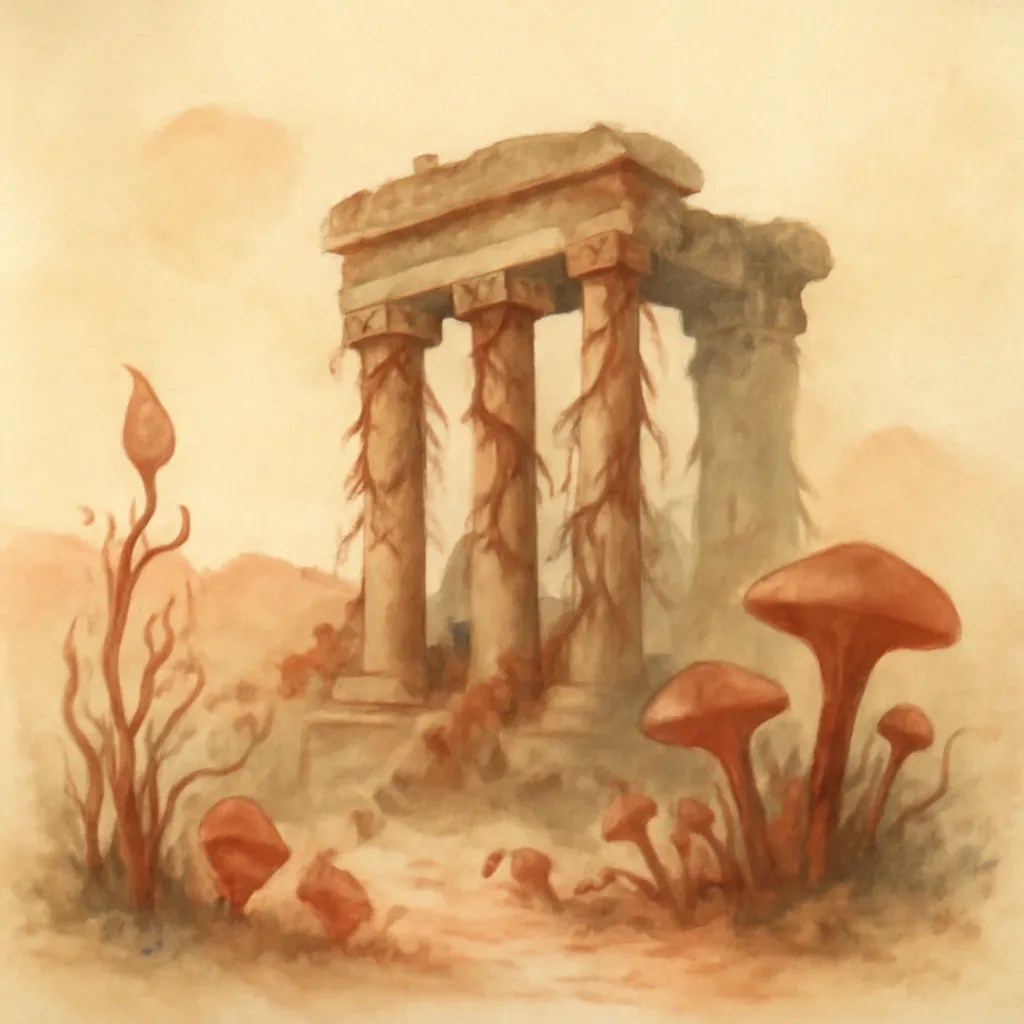
Burroughs masterfully incorporates the allure of ancient Martian ruins into the narrative, creating a sense of mystery and wonder that captivates both Thuvia and the reader. These ruins, remnants of a once-great civilization, serve as a backdrop for key events in the story, symbolizing the lost glory and the passage of time. Thuvia's encounters in these deserted cities evoke a sense of nostalgia and curiosity, reminding her of the rich history of her world. The ancient architecture and the remnants of past inhabitants hint at the complexities of Martian civilization, offering a deeper understanding of the current socio-political landscape. The exploration of these ruins not only adds depth to the setting but also serves as a metaphor for the characters' own journeys through a world filled with both beauty and decay. By delving into the history of Barsoom, Burroughs creates a rich context for the characters' struggles, inviting readers to reflect on the cyclical nature of civilizations and the lessons to be learned from the past.