1.The Complexity of Time Travel

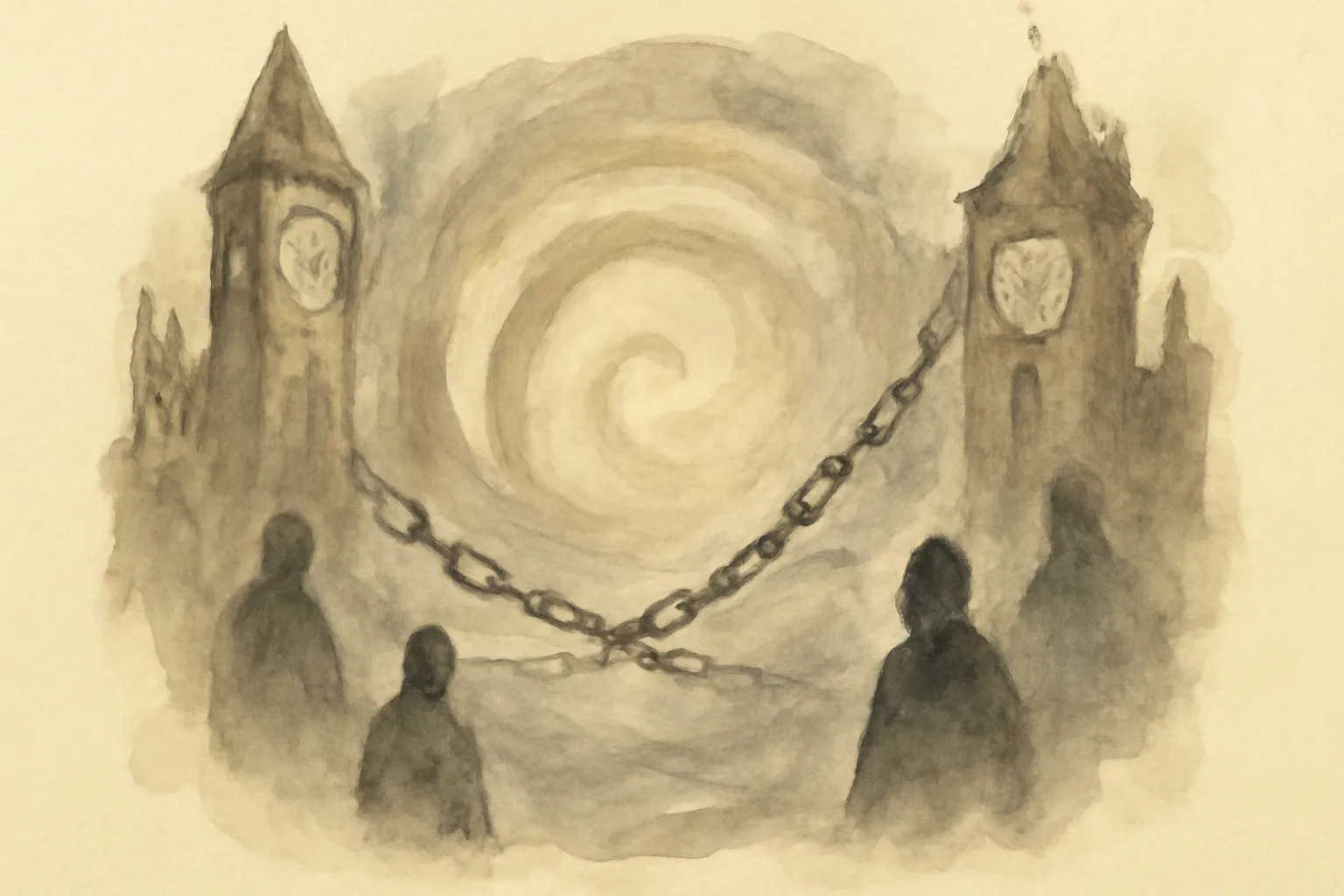
Piper explores the intricacies of time travel through the lens of the Paratime Police, who manage a multitude of timelines. Each timeline is treated as a distinct probability line, representing different outcomes based on varying choices made at key moments in history. This complexity is underscored by the challenges faced when investigating crimes that span these lines. The narrative becomes particularly engaging as it illustrates the difficulties in tracking a gang that operates on multiple timelines, emphasizing the chaos that can arise when one has the ability to manipulate time. For example, the Paratime Police's efforts to follow the Wizard Traders highlight the intricacies and unpredictability of time travel, where even the smallest action can lead to vastly different consequences. The story reveals that while time travel presents vast opportunities for exploration and discovery, it also opens the door to exploitation and moral ambiguity, compelling the reader to ponder the ethical limitations of such power.
2.The Dark Side of Human Nature

At the heart of Time Crime is a stark examination of human greed and the lengths people will go to for power, wealth, and profit. The slave trade operated by the Wizard Traders exemplifies this dark aspect of humanity, as they exploit the vulnerable across various time lines. Piper creates a chilling portrait of a society where individuals are reduced to commodities, stripped of their dignity and autonomy. Characters such as Coru-hin-Irigod showcase how moral compasses can falter when faced with the allure of wealth and control. This exploration of depravity is not just confined to the criminal elements but extends to the societal structures that enable such exploitation. The book invites readers to reflect on contemporary issues of exploitation, urging them to recognize the systemic nature of such wrongdoings. The Wizard Traders operate under the guise of sorcerers, using fear and manipulation to control their victims, thereby reflecting real-world dynamics of power where the oppressed are often kept in line through intimidation.
3.The Role of Authority and Responsibility

Piper deftly examines the responsibilities that come with authority through the actions of the Paratime Police and their leadership. Chief Tortha Karf and his team are tasked with maintaining order across the timelines, yet they face significant obstacles in their mission. The narrative underscores the tension between upholding the law and the potential for corruption within systems of power. For instance, the political machinations surrounding Councilman Salgath Trod reveal how those in authority can be compromised, leading to a breakdown in ethical governance. Trod's eventual confession of complicity in the slave trade highlights the fragility of moral integrity when self-interest is at stake. Piper emphasizes that in a world where power can corrupt, vigilance and ethical fortitude are paramount. This exploration of authority raises important questions about accountability and the moral obligations of those in power, urging readers to consider how they might respond to similar dilemmas in their own lives.
4.The Illusion of Control
Piper's narrative reveals that despite the advanced technology and systems in place, there is an inherent unpredictability in attempting to control time and the lives of individuals. The Paratime Police, while equipped with impressive resources, find themselves constantly grappling with the unforeseen consequences of their actions. The gang's ability to operate outside the law demonstrates that control is often an illusion, and the complexities of human behavior can lead to unexpected outcomes. For example, the Police's attempts to track the Wizard Traders are thwarted by their own assumptions and the gang's cunning strategies. This theme serves as a cautionary reminder that with great power comes great unpredictability, and the consequences of tampering with time can be dire. The narrative illustrates that even the most well-laid plans can unravel, prompting readers to reflect on the nature of control in their own lives and the systems they navigate.
5.The Intersection of Technology and Morality
Time Crime raises critical questions about the ethical implications of technological advancements. The existence of time travel is portrayed as a double-edged sword, providing opportunities for exploration but also enabling heinous acts like slavery. Piper challenges readers to consider the moral responsibilities that accompany such powerful technologies. The narrative illustrates that technology, when wielded without ethical consideration, can lead to devastating consequences for society. The interactions between the Paratime Police and the Wizard Traders serve as a stark reminder of the moral dilemmas faced when technology is used to exploit rather than uplift. This intersection of technology and morality prompts a deeper reflection on contemporary issues surrounding innovation and its potential misuse, urging readers to advocate for ethical standards in technological pursuits.
6.Resistance and Resilience
Throughout the story, characters demonstrate resilience in the face of oppression and adversity. The enslaved individuals, despite their dire circumstances, exhibit a spirit of resistance that underscores their humanity. Piper highlights the importance of courage and solidarity among those who fight against injustice, illustrating that even in the darkest situations, hope can prevail. The character of Dalla embodies this resilience as she navigates her complex relationship with Vall and confronts the harsh realities of their mission. Her determination to confront evil, coupled with her emotional struggles, adds depth to her character and emphasizes the multifaceted nature of resistance. This theme of resilience serves as an inspiring reminder of the strength of the human spirit and the capacity to persevere against insurmountable odds.
7.The Consequences of Inaction
Piper illustrates the dire consequences that can arise from inaction in the face of wrongdoing. The Paratime Police's initial struggles to address the slave trade reflect a broader commentary on societal complacency regarding injustice. The novel serves as a warning about the dangers of turning a blind eye to exploitation, emphasizing that silence can be complicity. The characters' eventual recognition of their moral obligation to act reinforces the idea that change requires courage and commitment. The narrative showcases how the failure to confront evil allows it to flourish, prompting readers to reflect on their own responsibilities in combating injustice. The tension between action and inaction becomes a central theme, urging individuals and societies alike to rise against wrongdoing rather than remain passive observers.
8.Complex Relationships and Personal Conflicts
The interpersonal dynamics between characters add depth to the narrative, showcasing the complexities of relationships amid societal turmoil. Vall and Dalla's relationship is marked by past grievances and the weight of their shared mission, creating tension that reflects their individual struggles. Their interactions reveal how personal conflicts can influence broader decisions and actions within the context of a larger societal issue. Piper skillfully weaves these personal narratives into the overarching plot, highlighting how individual choices can have far-reaching implications. The emotional intricacies of their relationship enhance the story, making it not just a tale of crime and justice but also one of personal redemption and growth. This exploration of relationships adds a layer of emotional resonance to the story, making it more relatable and engaging for readers.
9.The Power of Information and Communication
The importance of information and communication emerges as a critical theme throughout Time Crime. The Paratime Police's ability to gather intelligence is pivotal to their efforts in dismantling the slave trade. The narrative illustrates how information can be both a weapon and a tool for justice, shaping the course of events. Piper emphasizes the need for transparency and collaboration among various factions to combat systemic issues. The character of Skordran Kirv exemplifies this as he navigates the complexities of data collection and analysis in the pursuit of justice. The story suggests that effective communication can empower individuals and organizations to effect change, reinforcing the idea that knowledge is essential in the fight against oppression. This theme highlights the essential role that communication plays in both personal and societal contexts.
10.The Quest for Justice
Ultimately, Time Crime is a quest for justice, as the Paratime Police strive to dismantle the nefarious operations of the slave traders. Piper crafts a narrative that reflects the struggles and triumphs of those dedicated to upholding justice, even in the face of overwhelming odds. The characters' determination to confront the injustices of their world serves as an inspiring call to action for readers. This quest for justice is not merely a plot device; it reflects a universal desire to fight against oppression and advocate for the marginalized. The resolution of the narrative reinforces the belief that justice, while often elusive, is worth pursuing. The story culminates in a powerful reminder of the impact that individuals can have when they unite for a common cause, emphasizing that the fight for justice requires both courage and perseverance.