1.The Fluidity of Memory and Time
Tinkers is structured around the collapsing boundaries of past and present, as George Washington Crosby, on his deathbed, drifts between his own memories and those of his father, Howard. The narrative flows in and out of chronology, mimicking the way memory itself works—fragmented, nonlinear, and often unreliable. Harding uses this structure to evoke the subjective nature of experience and the way our identities are shaped by what we remember and what we forget.
2.The Complexity of Father-Son Relationships
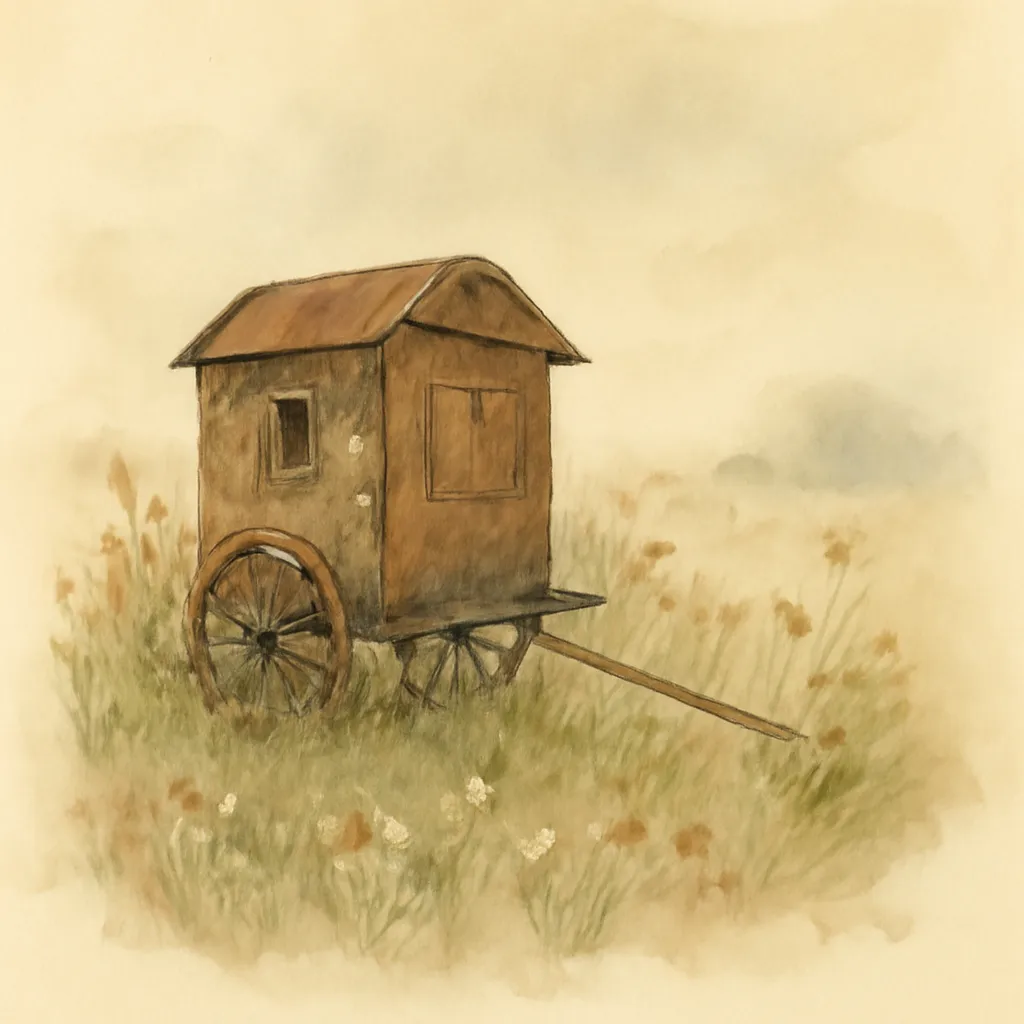
At the heart of Tinkers is the relationship between George and his father, Howard, a tinker who travels rural New England repairing clocks and household items. Their bond is marked by love, misunderstanding, and absence, as Howard’s epilepsy and eventual disappearance leave lasting scars. Harding explores the emotional inheritance passed between generations, highlighting both the pain and the tenderness that define familial ties.
3.Mortality and the Meaning of Life
As George’s life ebbs away, Tinkers becomes a meditation on mortality—how we confront our own end, and what remains after us. The novel dwells on the small, everyday moments that accumulate into a life, suggesting that meaning is found not in grand gestures but in the quiet persistence of love, work, and memory. Harding’s attention to the sensory details of dying and remembering makes the reader reflect on their own impermanence.
4.Nature as Solace and Mystery
Harding’s prose is lush with descriptions of the New England landscape—woods, streams, weather, and wildlife. Nature is both a source of solace for his characters and a reminder of forces beyond human control. The natural world in Tinkers is indifferent yet beautiful, echoing the unpredictability of human life and the mysteries that lie beyond comprehension.
5.The Art of Repair—Literal and Metaphorical
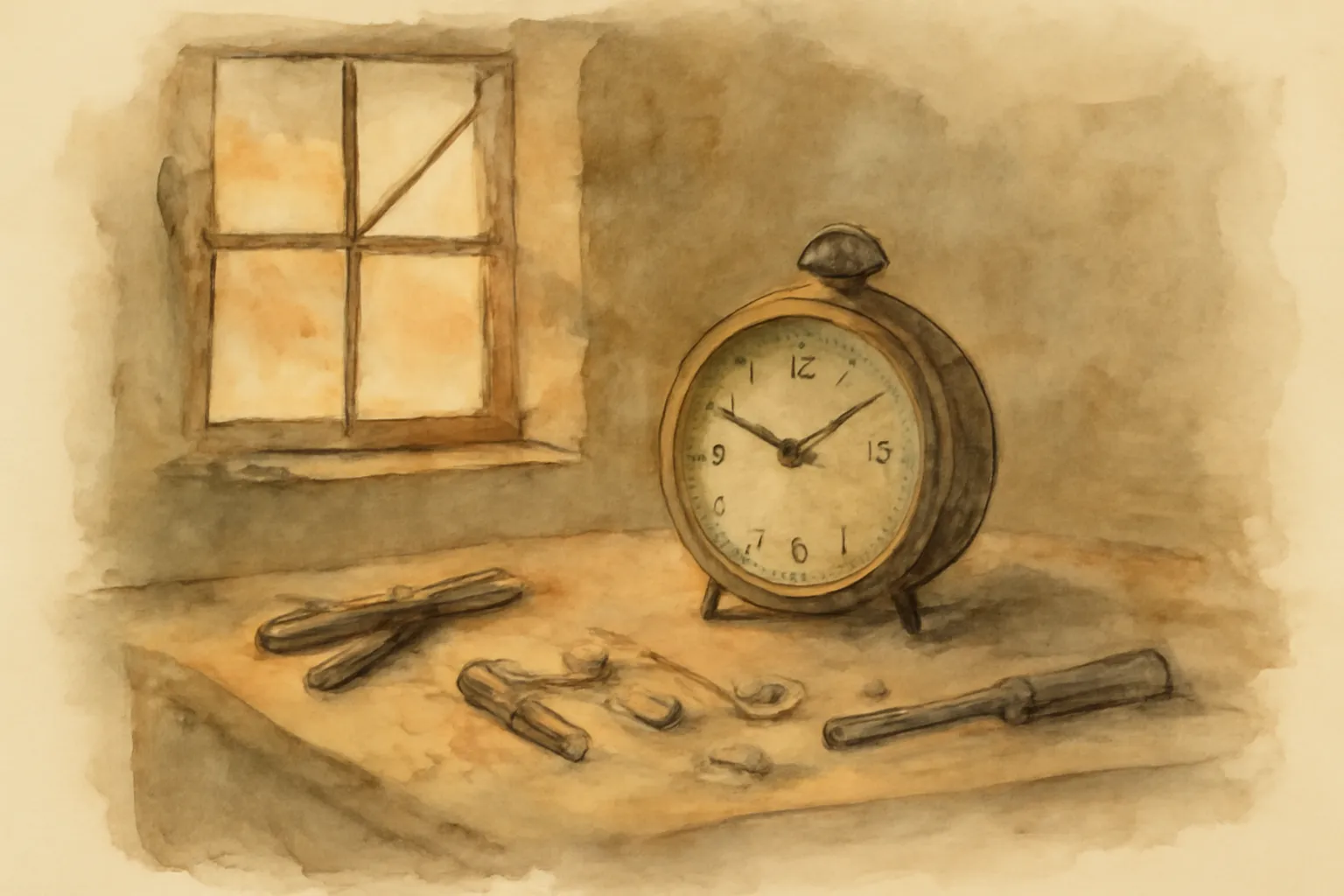
The motif of tinkering—repairing clocks, mending broken objects—serves as a metaphor for the attempts to fix what is fractured in family and self. Both George and Howard are tinkerers in their own ways, seeking order and meaning in a world prone to disorder. This theme invites readers to consider the ways we try to mend our own lives, and the limits of what can be restored.
6.The Power of Language and Perception
Harding’s style is poetic and precise, with a focus on sensory detail and philosophical reflection. The novel asks readers to slow down and savor the language, mirroring the way its characters attend to the workings of clocks or the patterns of nature. This attention to perception underscores the idea that how we see the world shapes what we find meaningful within it.