1.America in Transition
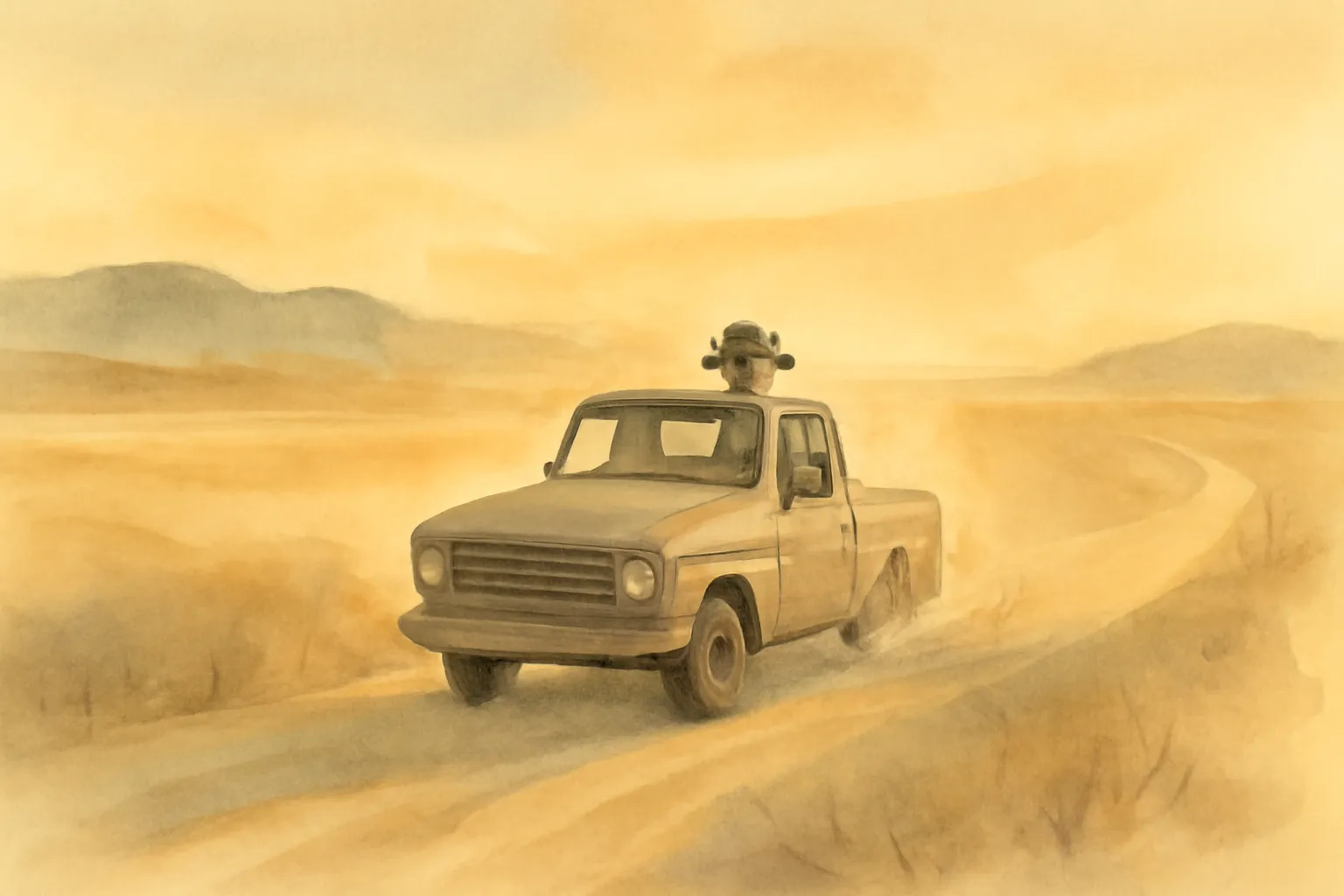
Steinbeck’s journey unfolds at a time when America was on the cusp of enormous social and cultural change. Through his encounters—from small towns to bustling cities—he observes a nation both familiar and strange, wrestling with its own contradictions. He notes the rise of highways, the decline of regional dialects, and the creeping sameness brought by modernization. The book captures a snapshot of America at a crossroads, balancing nostalgia for the past with uncertainty about the future.
2.The Search for Authenticity
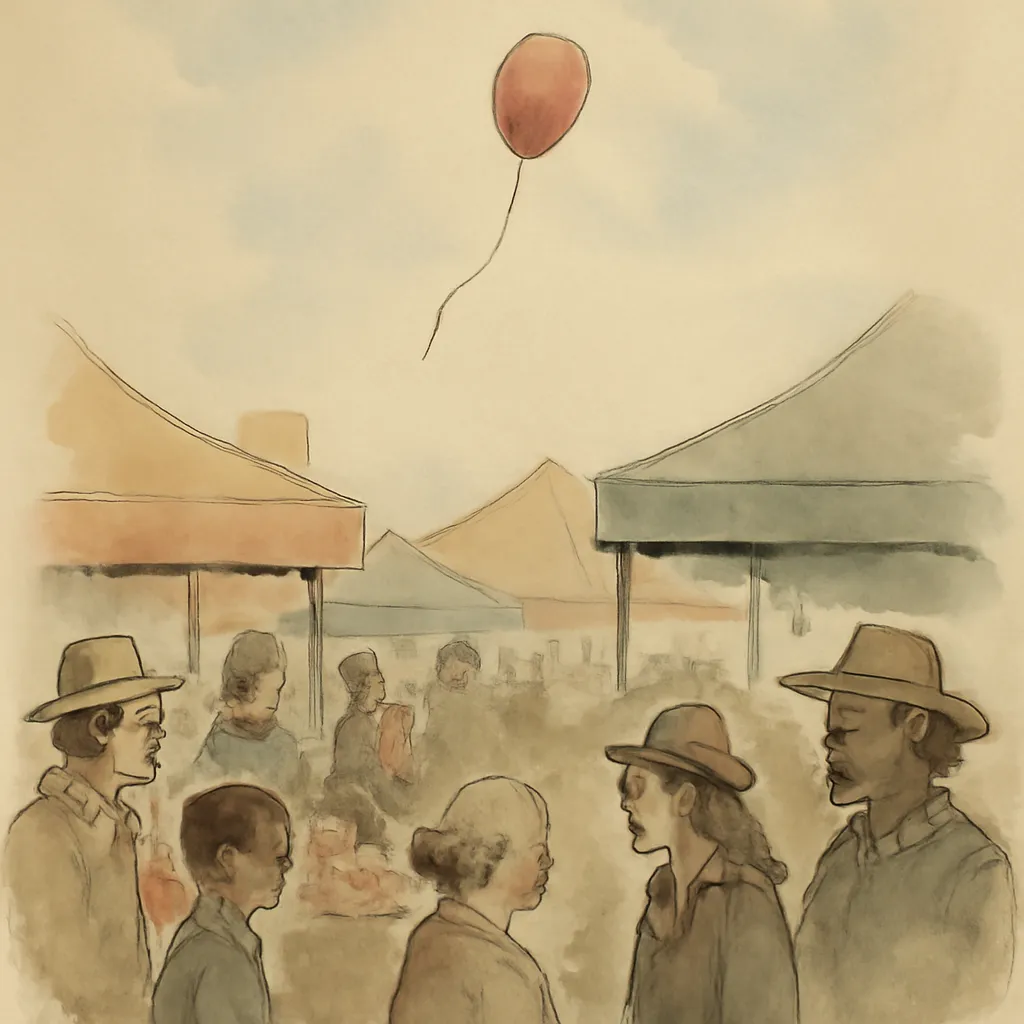
A central theme is Steinbeck’s yearning to find the 'real' America beneath the surface. He’s skeptical of tourist traps and canned experiences, seeking instead genuine conversations and unfiltered moments. Whether talking to truckers, farmers, or townsfolk, Steinbeck probes for honesty and depth, reflecting on how difficult it is to truly know a place—or even oneself—in a country so vast and diverse.
3.Loneliness and Companionship
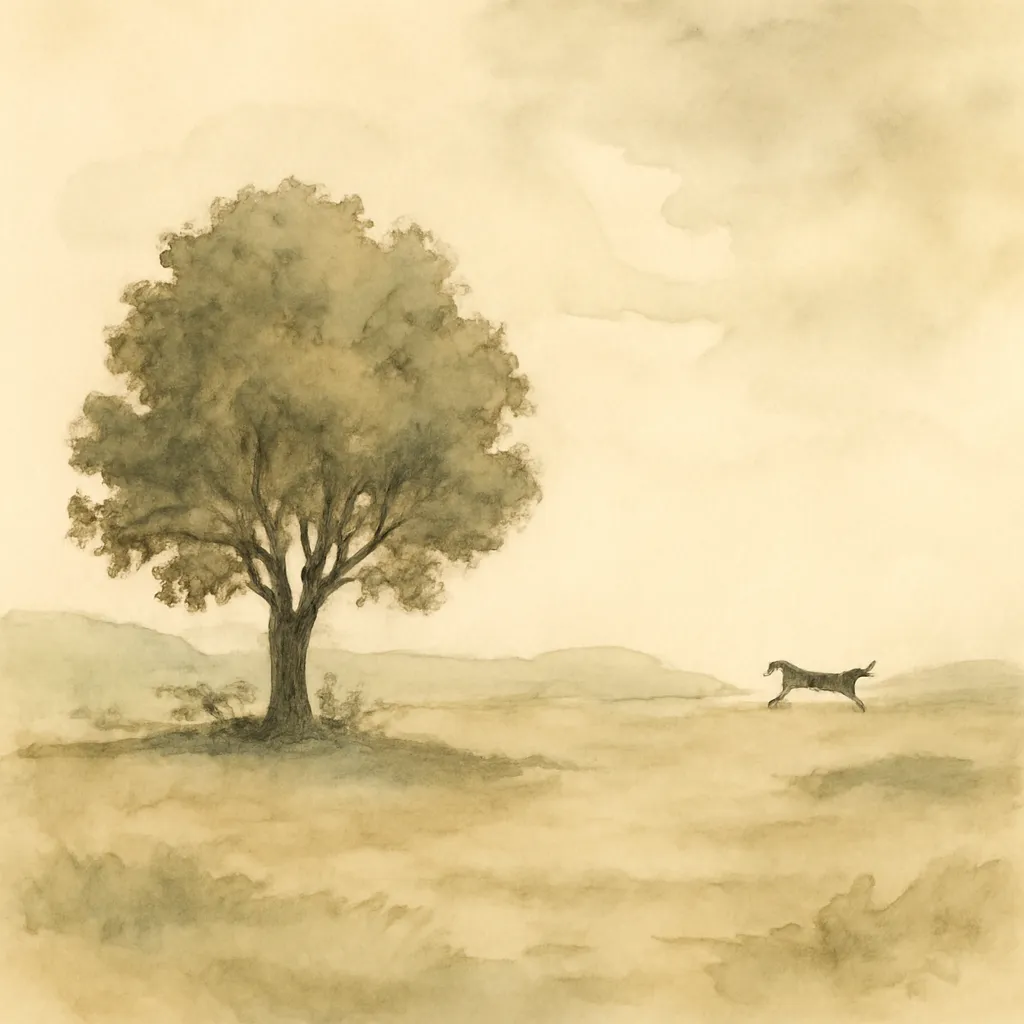
Though Steinbeck is rarely alone—Charley, his poodle, is a constant companion—the book is suffused with a sense of solitude. He meditates on the particular kind of loneliness that can arise even in a crowded nation, and how travel both intensifies and alleviates it. Charley isn’t just a sidekick; he’s a confidant, a source of comfort, and sometimes a mirror for Steinbeck’s own moods. Their relationship adds warmth and humor to the narrative.
4.Race and Social Tensions
One of the most powerful sections of the book occurs in the South, where Steinbeck confronts the realities of racial hostility during the early Civil Rights era. He’s both an observer and a participant, recording his discomfort, anger, and sadness at the prejudice he witnesses. These passages are honest and self-aware, acknowledging his own limitations and the complexity of American racism, making them some of the most enduring and discussed parts of the book.
5.The American Character
Throughout his travels, Steinbeck reflects on what makes Americans unique: their restlessness, optimism, and contradictions. He’s fascinated by the tension between individualism and community, tradition and change, hospitality and suspicion. His observations are often affectionate but unsparing, revealing both the strengths and flaws of the national character.
6.Aging and Self-Discovery
Steinbeck undertakes this journey late in life, and the book is laced with reflections on aging, memory, and mortality. The road trip becomes a metaphor for his own quest to remain vital and engaged, to test himself against the challenges of travel and the unfamiliar. He’s candid about his fears and limitations, making the narrative as much about inner exploration as it is about mapping the country.