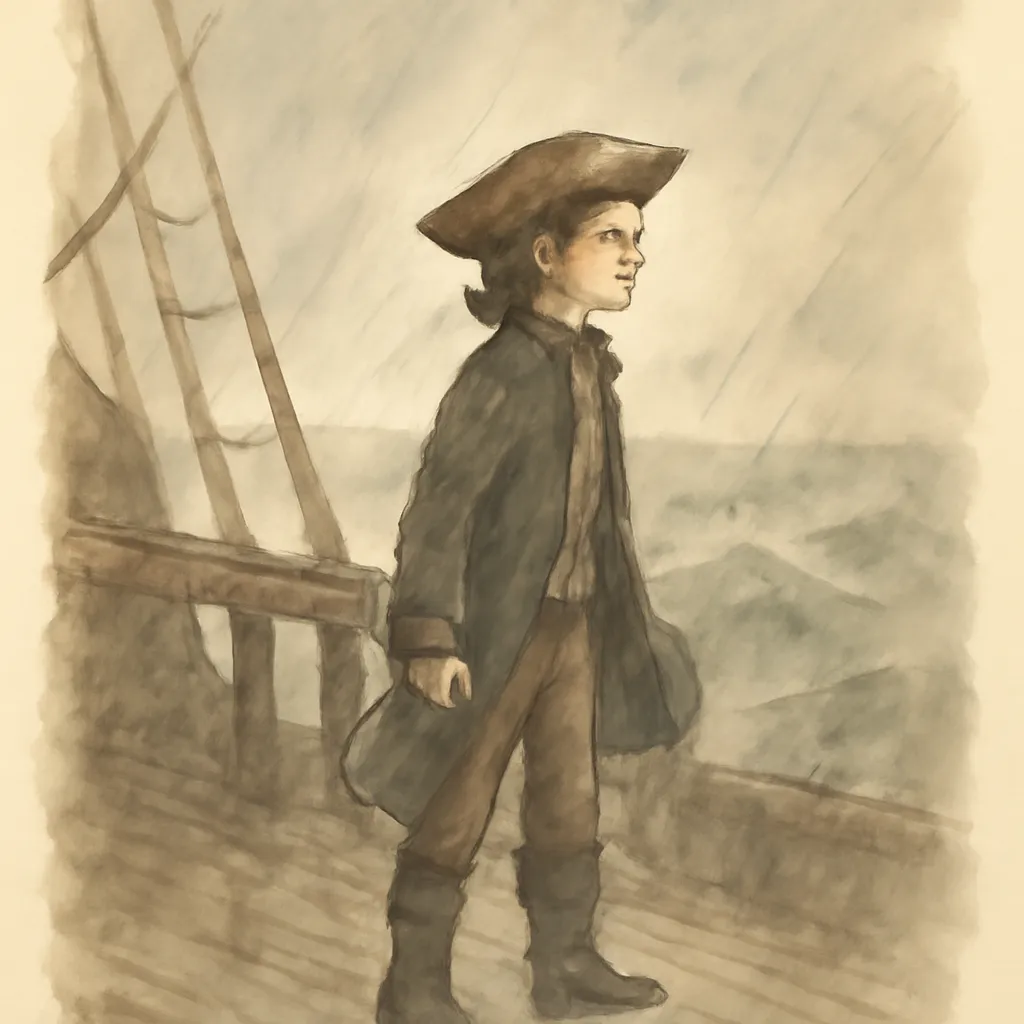
1.The Call to Adventure
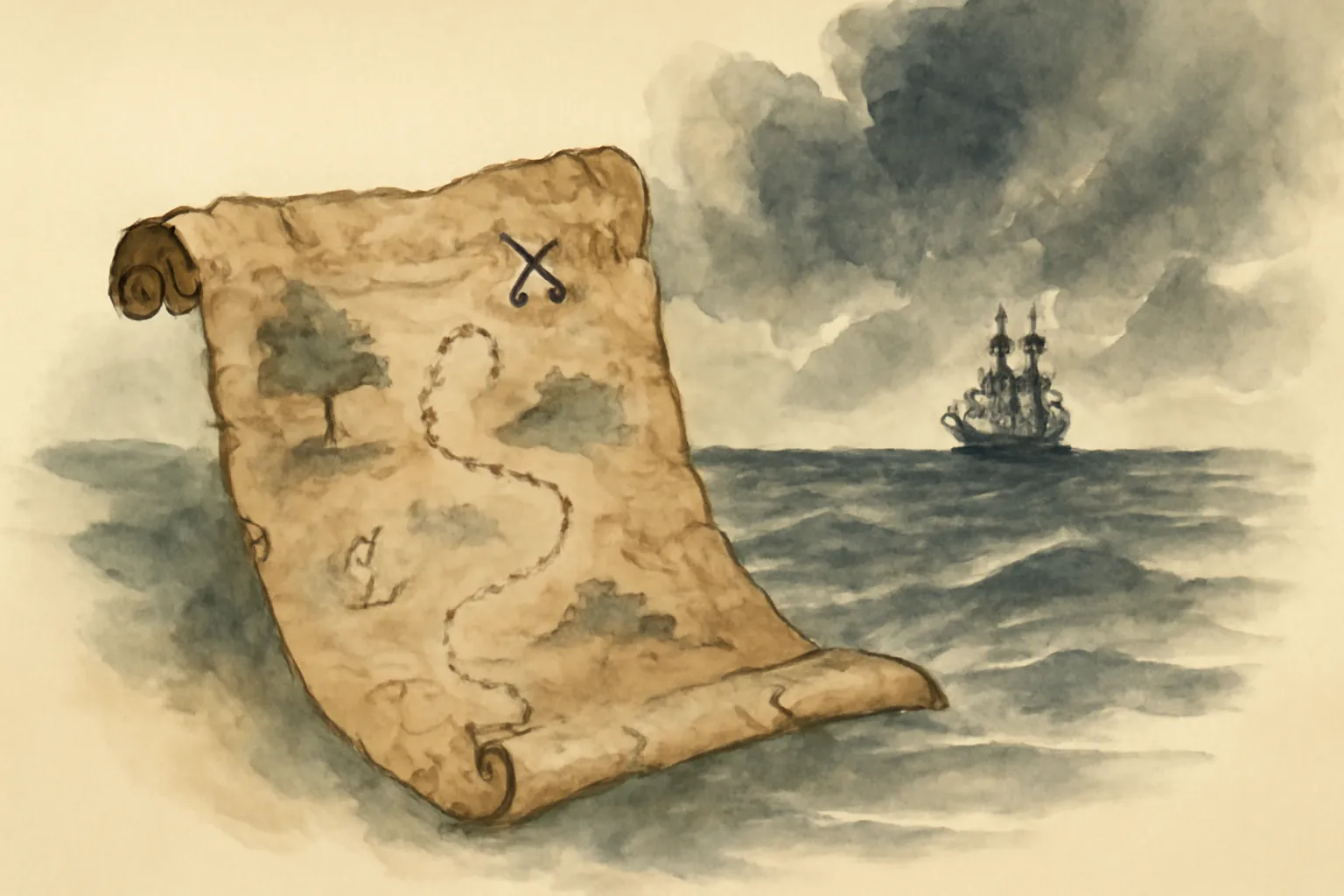
The story begins in the humble setting of the Admiral Benbow inn, where young Jim Hawkins lives with his parents. The arrival of the mysterious old seaman, known as the captain, sets the stage for the adventure ahead. His presence introduces not only the allure of the sea but also the dangers that come with it. Jim's discovery of a treasure map among the captain's belongings ignites his imagination and curiosity, compelling him to pursue a life beyond the confines of the inn. This call to adventure is a universal theme that resonates with readers, symbolizing the transition from childhood innocence to the complexities of adulthood.
2.The Duality of Character
Stevenson crafts a cast of characters that embody the dual nature of humanity, particularly through the figures of Long John Silver and Captain Smollett. Silver, initially presented as a charming and cunning cook, gradually reveals his darker intentions as a pirate leader. His complex personality blurs the lines between hero and villain, forcing Jim and the reader to grapple with moral ambiguity. Conversely, Captain Smollett represents honor and duty, yet he is also skeptical and wary of the crew's loyalty. This duality invites readers to reflect on their own perceptions of good and evil, challenging the notion that individuals can be easily categorized.
3.The Influence of Greed
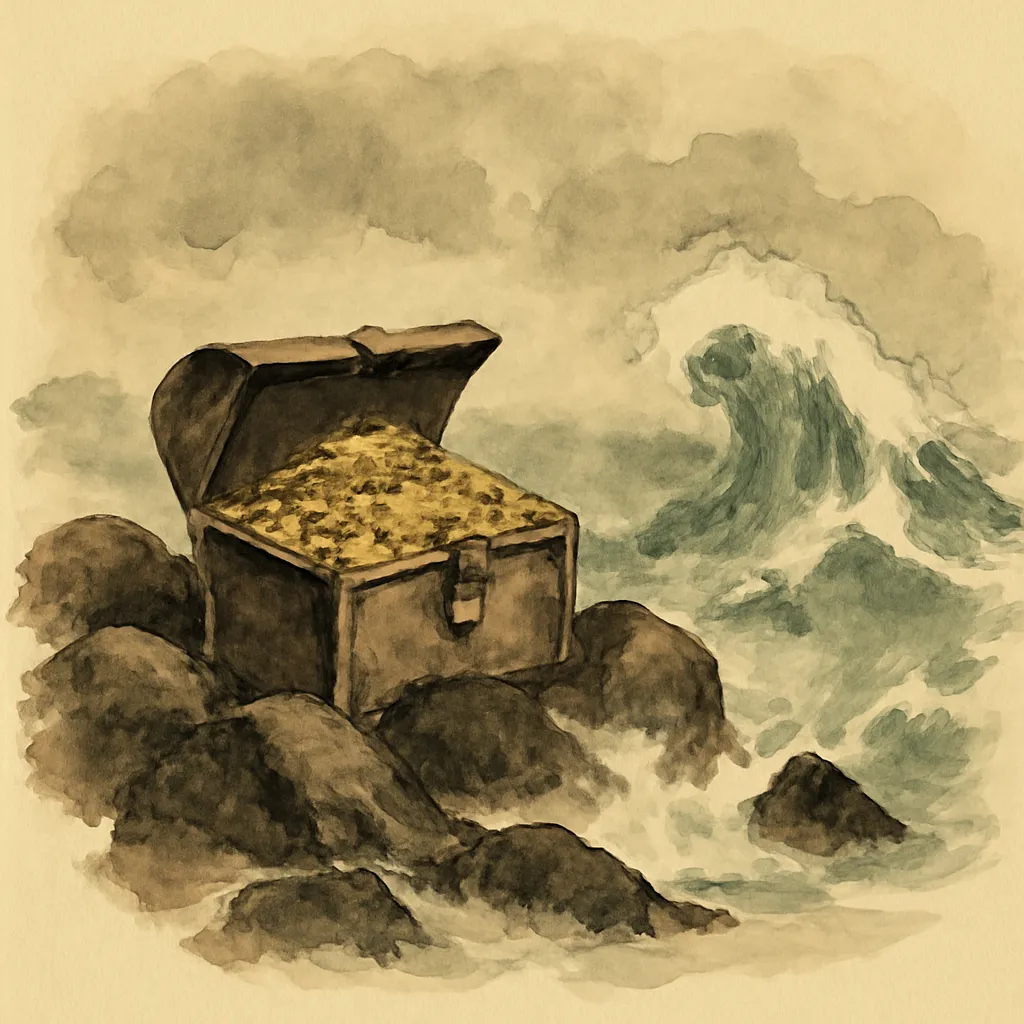
Greed serves as a driving force in 'Treasure Island,' influencing the actions and decisions of key characters. The promise of wealth leads to betrayal, as seen when the crew, driven by the allure of treasure, mutinies against Captain Smollett. This greed not only jeopardizes their safety but also highlights the destructive nature of avarice. Jim's journey reveals the dangers of succumbing to greed, as he witnesses the lengths to which people will go to obtain wealth. The treasure itself becomes a symbol of both aspiration and peril, illustrating the idea that the pursuit of material gain can lead to moral decay.
4.The Coming of Age Journey
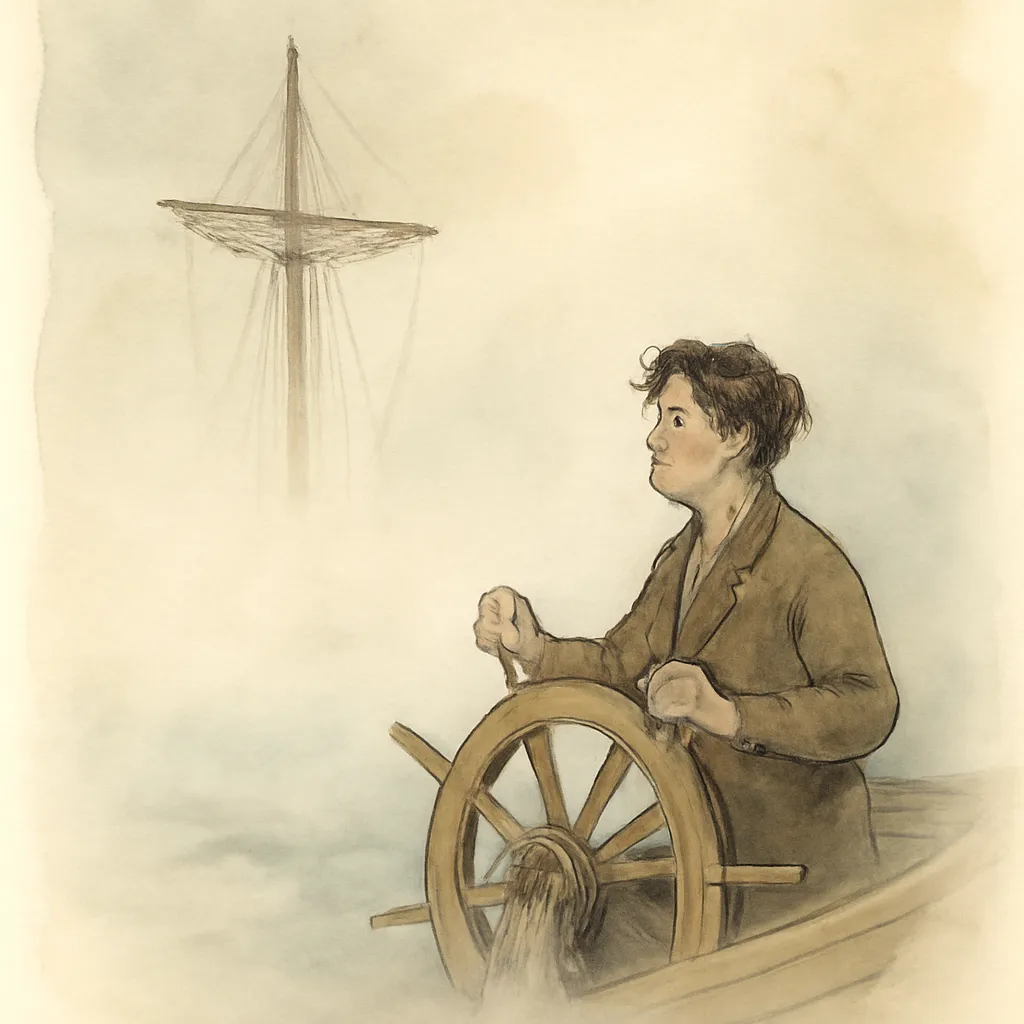
Jim Hawkins' transformation from a naive boy to a resourceful young man is at the heart of the narrative. His experiences on the Hispaniola serve as a rite of passage, filled with challenges that test his courage and resolve. From confronting pirates to navigating treacherous waters, each encounter shapes Jim's character and understanding of the world. This coming-of-age theme resonates with readers, reminding them of their own journeys toward self-discovery and the importance of facing fears. Jim's growth is further emphasized through his relationships with other characters, particularly his evolving perception of Silver, who embodies both mentor and adversary.
5.The Power of Loyalty and Friendship
Amidst the chaos of piracy and betrayal, the bonds of loyalty and friendship emerge as central themes in 'Treasure Island.' Jim's alliances with Captain Smollett, Dr. Livesey, and even Ben Gunn highlight the significance of trust in overcoming adversity. These relationships provide Jim with the support he needs to navigate the treacherous waters of betrayal and conflict. The camaraderie among the loyal crew contrasts sharply with the treachery of the mutineers, illustrating how loyalty can be both a source of strength and vulnerability. Ultimately, the story underscores the idea that true friendship transcends greed and ambition.
6.The Role of Nature as a Character
The island itself plays a vital role in shaping the narrative, acting as both a backdrop and a character in its own right. Stevenson's vivid descriptions of the landscape evoke a sense of mystery and danger, reflecting the internal struggles of the characters. The island's beauty is juxtaposed with its treacherous terrain, symbolizing the dual nature of adventure. As Jim explores its depths, he confronts not only physical challenges but also the moral dilemmas that arise from the quest for treasure. The natural world becomes a mirror of the characters' conflicts, emphasizing the idea that the environment can profoundly influence human behavior and choices.
7.The Legacy of Pirate Lore
'Treasure Island' is steeped in pirate lore, capturing the imagination of readers with tales of adventure on the high seas. The book popularizes many tropes associated with pirates, including treasure maps, mutinies, and the iconic image of the pirate's flag. Stevenson's portrayal of pirates, particularly through characters like Silver, shapes the archetype of the cunning buccaneer in literature and popular culture. This legacy endures, influencing countless adaptations and interpretations of pirate stories. By delving into this folklore, Stevenson offers readers a glimpse into the romanticized yet brutal world of piracy, blending history with fiction in a compelling narrative.
8.The Importance of Courage
Courage is a recurring theme in 'Treasure Island,' manifesting in various forms throughout the story. Jim's initial fear transforms into bravery as he confronts dangers on the voyage, reflecting his growth as a character. Captain Smollett's steadfastness in the face of mutiny exemplifies the courage required to uphold one's principles. The characters' willingness to face their fears, whether on the battlefield or in personal relationships, underscores the idea that true courage is not the absence of fear, but the determination to act despite it. This theme resonates deeply, encouraging readers to find their own courage in the face of life's challenges.
9.The Consequences of Betrayal
Betrayal looms large in 'Treasure Island,' with characters like Silver exemplifying the shifting loyalties that define the pirate world. The mutiny against Captain Smollett serves as a pivotal moment, showcasing the devastating effects of betrayal on trust and camaraderie. As alliances fracture and loyalties shift, the consequences of these actions become evident, leading to conflict and loss. Jim's experiences force him to grapple with the complexities of trust, as he learns that loyalty can be fleeting in a world driven by greed. This exploration of betrayal adds depth to the narrative, inviting readers to reflect on the fragility of human relationships.
10.The Quest for Identity
Jim Hawkins' journey is not only one of adventure but also a quest for identity. As he navigates the challenges of the pirate world, he grapples with questions of who he is and what he values. His encounters with various characters, particularly Silver, force him to confront the moral ambiguities of his environment. Jim's evolving understanding of himself and his place in the world reflects a universal struggle for identity, resonating with readers of all ages. This quest is ultimately about finding one's moral compass amid the chaos, making it a deeply relatable theme in the narrative.