1.The Burden of Inheritance
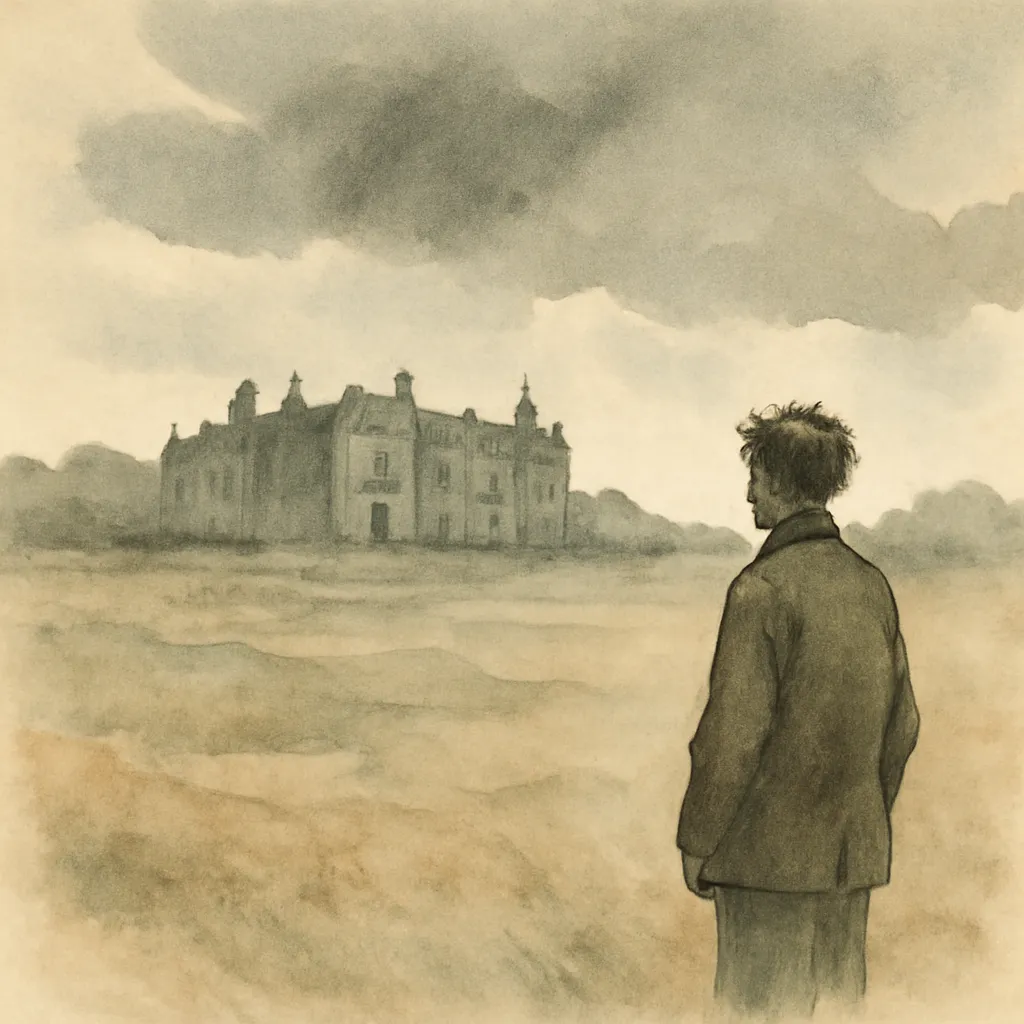
Harry Tristram’s life is heavily influenced by his mother, Lady Tristram, whose legacy looms large over him. As the heir to Blent, Harry is burdened not only by the expectations of his title but also by the complicated history of his family. The novel opens with Harry grappling with the weight of his inheritance as he reflects on his mother’s past and the reputation she has built. Lady Tristram’s health deteriorates, casting a shadow over Harry’s future and prompting him to confront the realities of his inheritance. The conflict between his identity as a young man and his role as lord of the estate becomes increasingly pronounced. This theme resonates throughout the narrative, as Harry must decide what kind of lord he will be and how he will honor or rebel against the family legacy. His struggle illustrates how familial legacies can shape personal identity, revealing the complexities of duty and the desire for self-determination.
2.The Complexity of Love
At the heart of the novel is a rich tapestry of romantic relationships, particularly the tension between Harry Tristram and Mina Zabriska. Mina’s foreignness and independence present a stark contrast to the expectations placed on Harry by his family and society. Their relationship evolves from intrigue to deeper emotional entanglement, revealing the complexities of love in the face of duty. As Harry navigates his feelings for Mina while being pursued by other suitors, the novel explores how love can both liberate and constrain individuals. The dynamic between Harry and Mina is representative of broader societal constraints; Mina’s assertiveness clashes with the traditional roles expected of women, while Harry’s sense of duty often restricts his pursuit of personal happiness. This exploration of love illustrates the nuanced interplay between affection and obligation, ultimately forcing Harry to confront what he truly desires while balancing societal expectations.
3.Social Status and Class Distinction
Hope masterfully portrays the rigid class structures of Victorian society, highlighting how social status dictates personal relationships and ambitions. Characters like Major Duplay and Bob Broadley represent different facets of society, each with their own aspirations and limitations. The novel critiques the superficiality of social standing, as seen through Harry’s interactions with those around him. For instance, Duplay’s ambitions to elevate his status through marriage contrast with Harry’s struggle to reconcile his title with his personal desires. The relationship between Harry and Bob Broadley further emphasizes this theme; Bob, a gentleman of lesser means, finds himself in competition with the more powerful Tristram name. This exploration of class distinctions serves as a commentary on the societal norms that govern behavior and relationships, illustrating the ways in which characters are often trapped by their social circumstances and the decisions they must make to navigate these constraints.
4.The Role of Women in Society

Women in 'Tristram of Blent' occupy a complex space, navigating the limitations imposed by a patriarchal society while seeking agency and autonomy. Characters like Mina Zabriska and Janie Iver embody different responses to these constraints. Mina, with her assertive personality and foreign background, challenges societal norms, while Janie represents a more traditional approach to womanhood, caught between familial duty and personal desire. This contrast highlights the varying degrees of freedom available to women and the societal pressures they face. Lady Tristram also exemplifies this struggle; her past decisions and their impact on her present life illustrate how women often bear the weight of societal expectations and personal sacrifices. Hope’s portrayal of women reflects the broader struggle for female autonomy during the period, suggesting that their choices are often dictated by the men in their lives, yet also showcasing their resilience and capacity for influence. The nuances in these characters create a rich commentary on the evolving roles of women in society and the quest for identity.
5.The Conflict Between Duty and Desire
Harry Tristram’s journey is characterized by the tension between his sense of duty to his family and his personal desires. As he contemplates his future as the lord of Blent, he finds himself torn between the expectations of his title and his love for Mina. This internal conflict is exacerbated by his mother’s illness, which serves as a constant reminder of the responsibilities that come with his inheritance. Harry’s struggle reflects a broader human experience; the novel examines how duty can often stifle personal happiness. The expectations to uphold family traditions and societal norms clash with Harry’s yearning for personal fulfillment. Throughout the narrative, moments of choice reveal the complexity of this conflict, illustrating the sacrifices individuals must make in their pursuit of happiness. Harry’s ultimate decisions serve as a poignant commentary on the nature of duty and the quest for personal autonomy.
6.The Impact of Secrets and Revelations

Secrets play a crucial role in 'Tristram of Blent,' with the characters’ hidden truths driving much of the plot’s tension. The revelations surrounding Lady Tristram's past and Harry's lineage create a sense of intrigue that propels the narrative forward. For instance, the impact of Lady Tristram’s previous romantic escapades casts a long shadow over Harry’s own relationships, complicating his interactions with Mina and others. The way characters navigate their secrets reflects broader themes of identity and authenticity, as they struggle to reconcile their true selves with the personas they present to the world. The tension between what is publicly known and what remains hidden creates an undercurrent of suspense, leading to moments of dramatic revelation that reshape the characters' relationships. Hope illustrates how secrets can bind characters together while simultaneously creating barriers, underscoring the complexity of human relationships and the precarious nature of trust.
7.The Nature of Friendship and Loyalty
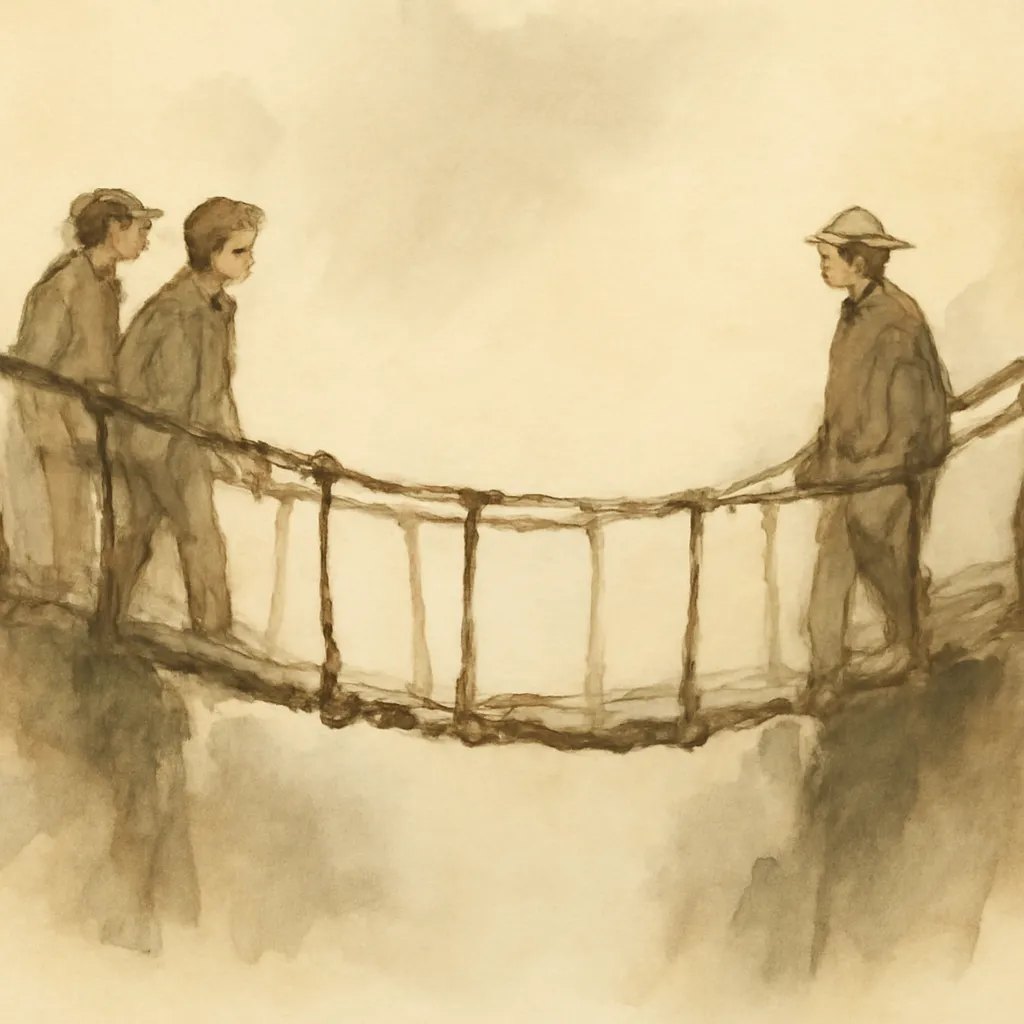
Friendship emerges as a vital theme in the novel, particularly in the relationships between Harry, Bob Broadley, and Major Duplay. These friendships are tested by romantic rivalries and the pressures of social expectations. Bob's loyalty to Harry contrasts with his own romantic aspirations, creating a nuanced portrayal of male friendship in a competitive environment. Meanwhile, Major Duplay’s ambitions complicate his relationship with Harry, as he seeks to position himself favorably in the eyes of the Iver family. The exploration of loyalty highlights the fragility of friendships when personal desires clash with societal ambitions, illustrating how the pursuit of happiness can lead to unexpected fractures in relationships. The novel suggests that true friendship can withstand these trials, but it requires transparency, understanding, and sometimes sacrifices, emphasizing the value of loyalty even in complex circumstances.
8.The Influence of Setting on Character Development
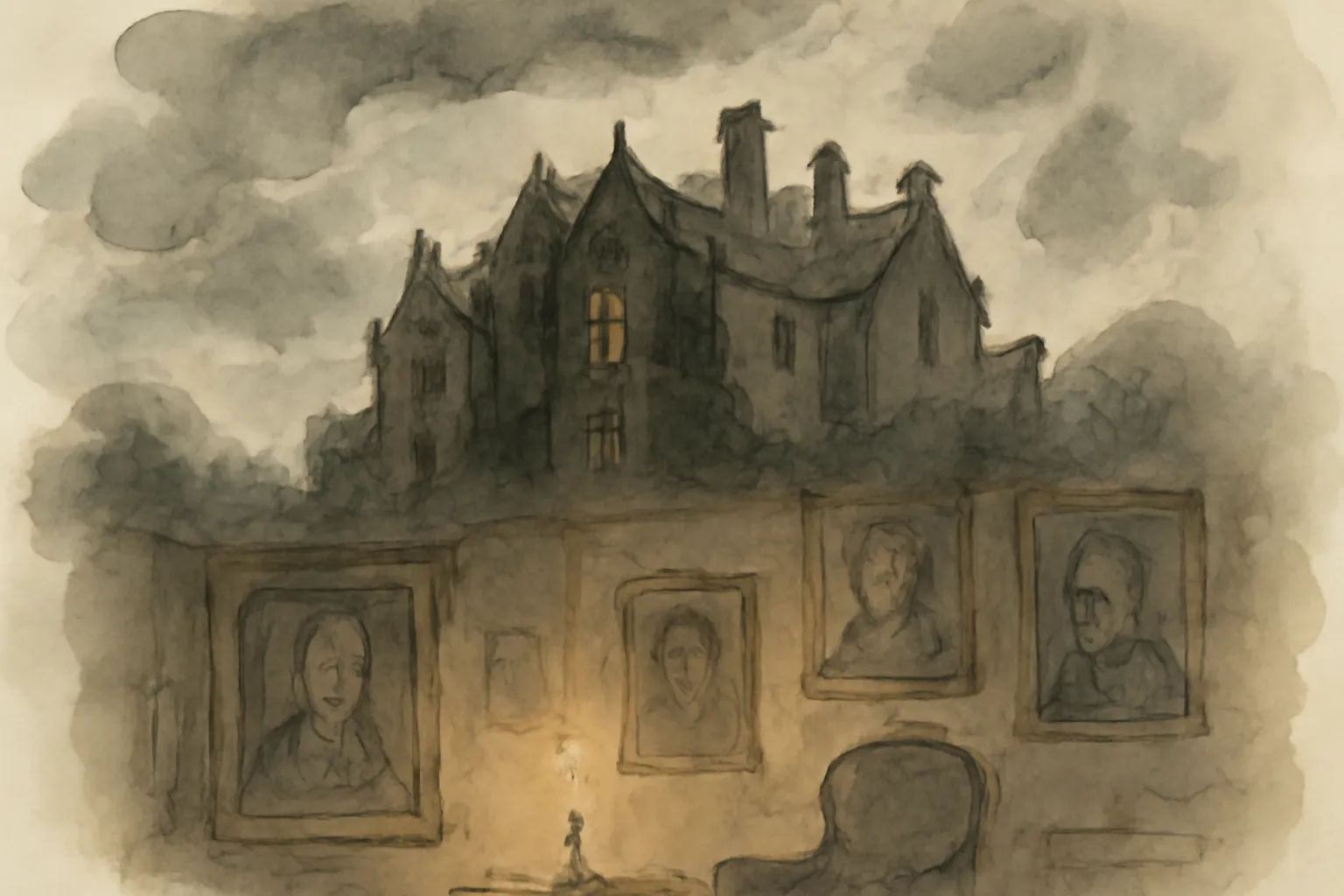
The setting of Blent, with its sprawling estate and rich history, serves as a character in itself, influencing the actions and motivations of those who inhabit it. The estate represents both a sanctuary and a prison for Harry, embodying the weight of tradition and expectation. As the story unfolds, the landscape reflects the emotional turmoil of the characters, with the Pool by Blent becoming a site of significant encounters and revelations. Hope skillfully uses the setting to enhance the narrative, creating a vivid backdrop that mirrors the internal struggles of the characters. The physical space of Blent is imbued with meaning; it serves as a constant reminder of familial ties, societal expectations, and the burdens of legacy. This interplay between setting and character development enriches the narrative, illustrating how environment shapes human experience and identity.
9.The Role of Fate and Chance
Fate and chance play pivotal roles in the unfolding drama of 'Tristram of Blent.' Characters often find themselves at the mercy of circumstances beyond their control, leading to moments of unexpected revelation and change. Harry’s encounter with Mina, for instance, seems serendipitous yet profoundly alters the course of his life. The interplay of fate and choice raises questions about agency and destiny, as characters grapple with the consequences of their decisions. Hope suggests that while individuals may strive to shape their own paths, they are often subject to the whims of fate, illustrating the unpredictable nature of life and love. This theme emphasizes that while characters can make choices, they must also contend with the external forces that shape their destinies, a reminder of the complexities of human existence.
10.The Resolution of Conflicts
As the narrative reaches its climax, the various conflicts—personal, romantic, and societal—begin to resolve in unexpected ways. Harry must confront the reality of his inheritance and the implications of his choices, leading to transformative moments of self-discovery. The resolution of his relationship with Mina reflects the culmination of his internal struggles, as he learns to reconcile duty with desire. Supportive characters like Bob Broadley and Major Duplay also find their paths intertwined with Harry’s journey, leading to outcomes that reflect their individual ambitions and desires. Hope deftly ties together the threads of the narrative, providing a satisfying conclusion that underscores the complexity of human relationships and the impact of choices made in the name of love. The resolution of these conflicts serves as a testament to the resilience of the human spirit and the enduring quest for self-identity.