1.The Nature of Truth and Narrative
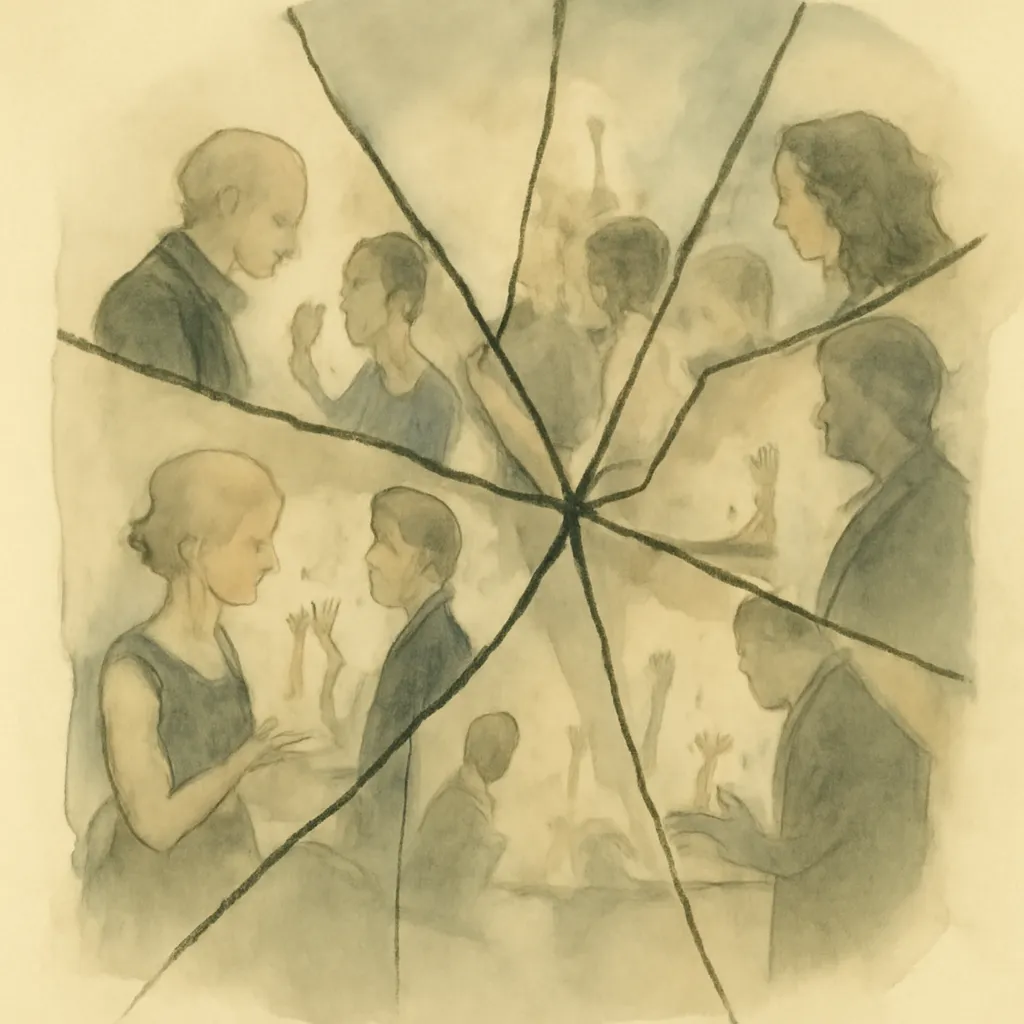
Trust is structured as a novel within novels, presenting multiple accounts of the same events from different perspectives. This deliberate fragmentation forces readers to confront the slipperiness of truth and the ways in which narratives are constructed, manipulated, and weaponized. Diaz asks us to consider who gets to write history and how self-interest, bias, and omission shape the stories that become accepted as fact.
2.Wealth, Power, and Their Human Cost
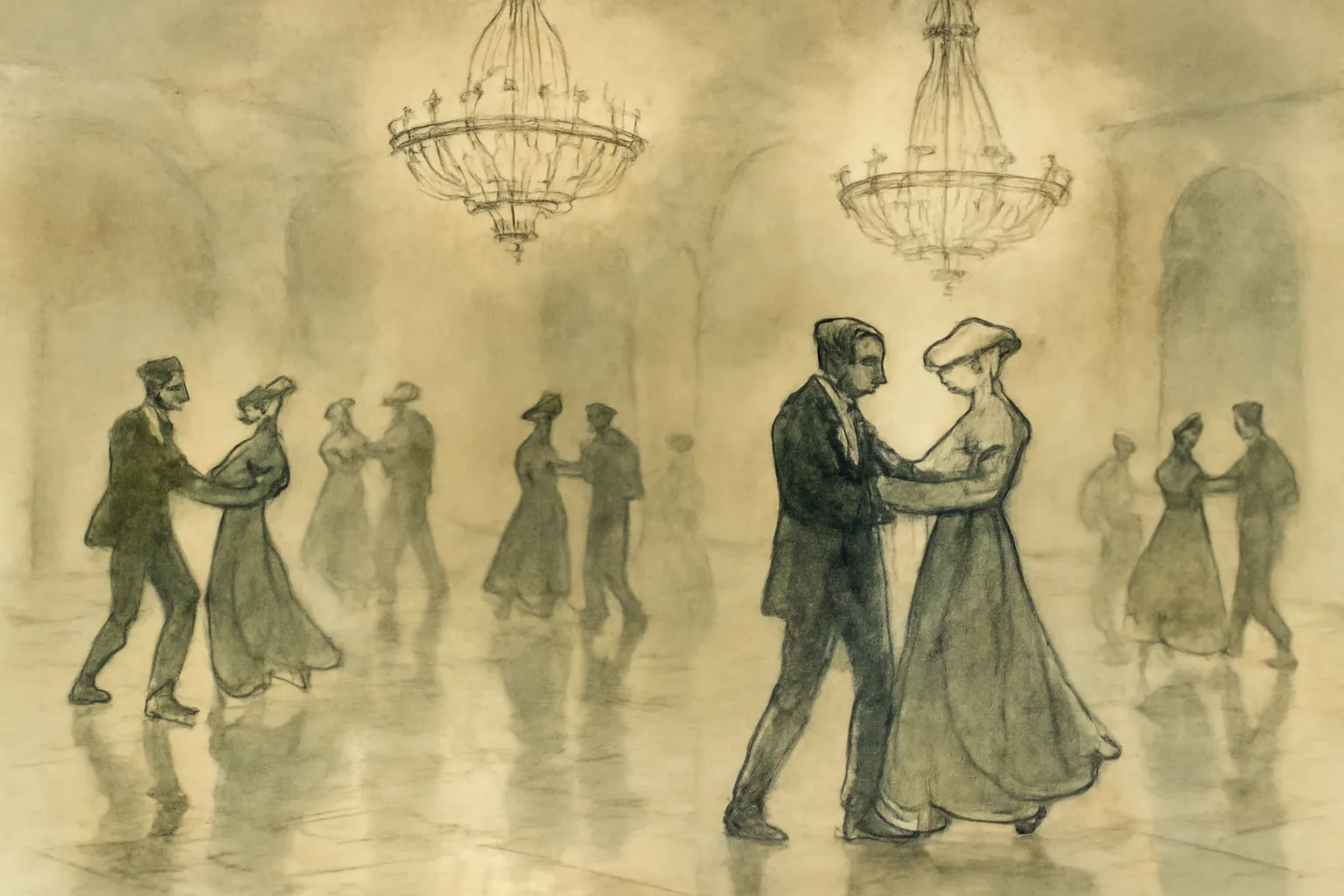
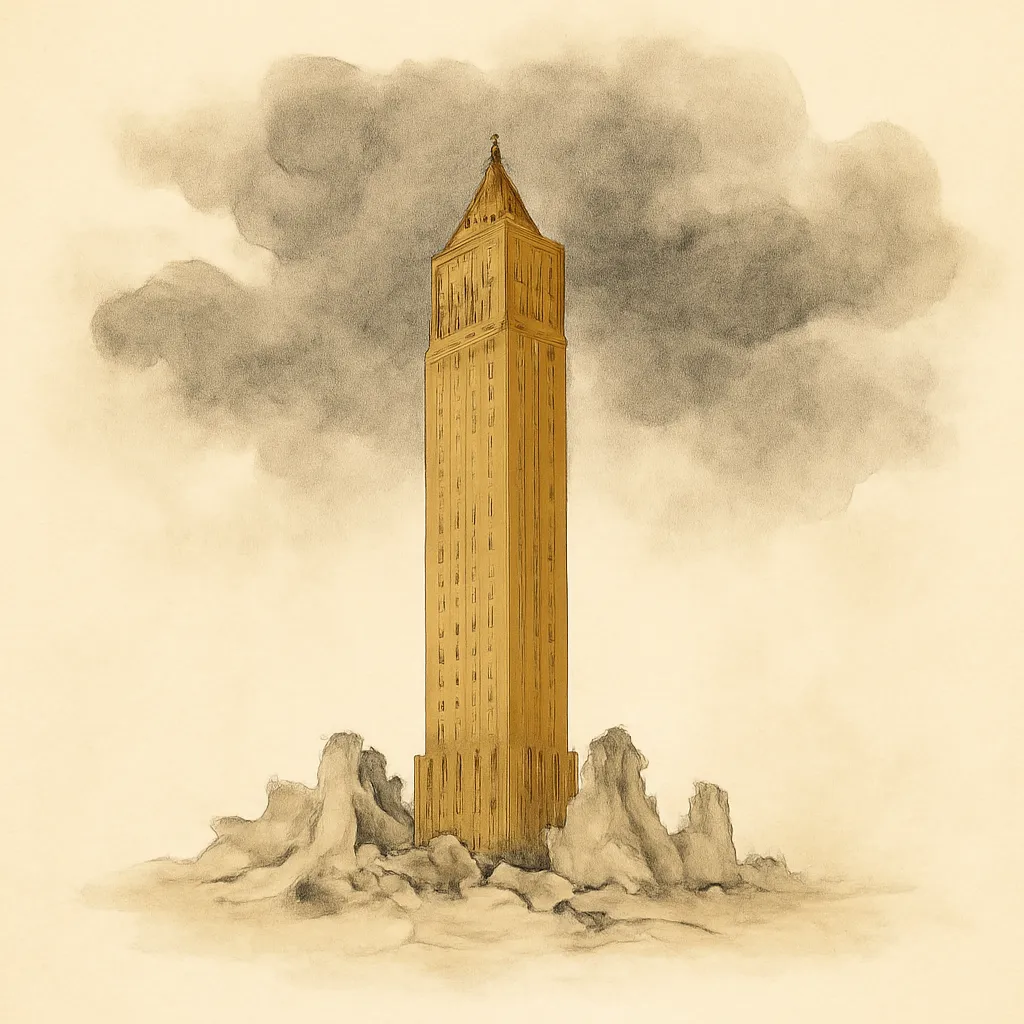
At its core, Trust interrogates the origins and consequences of immense wealth. The story of Benjamin and Helen Rask—echoing real-life tycoons of the 1920s—serves as a lens through which Diaz explores the ethical ambiguities and personal sacrifices that undergird financial empires. The book exposes the gap between public myth and private reality, suggesting that the accumulation of capital often entails invisible suffering and moral compromise.
3.The Role of Women in Shaping (and Being Erased from) History
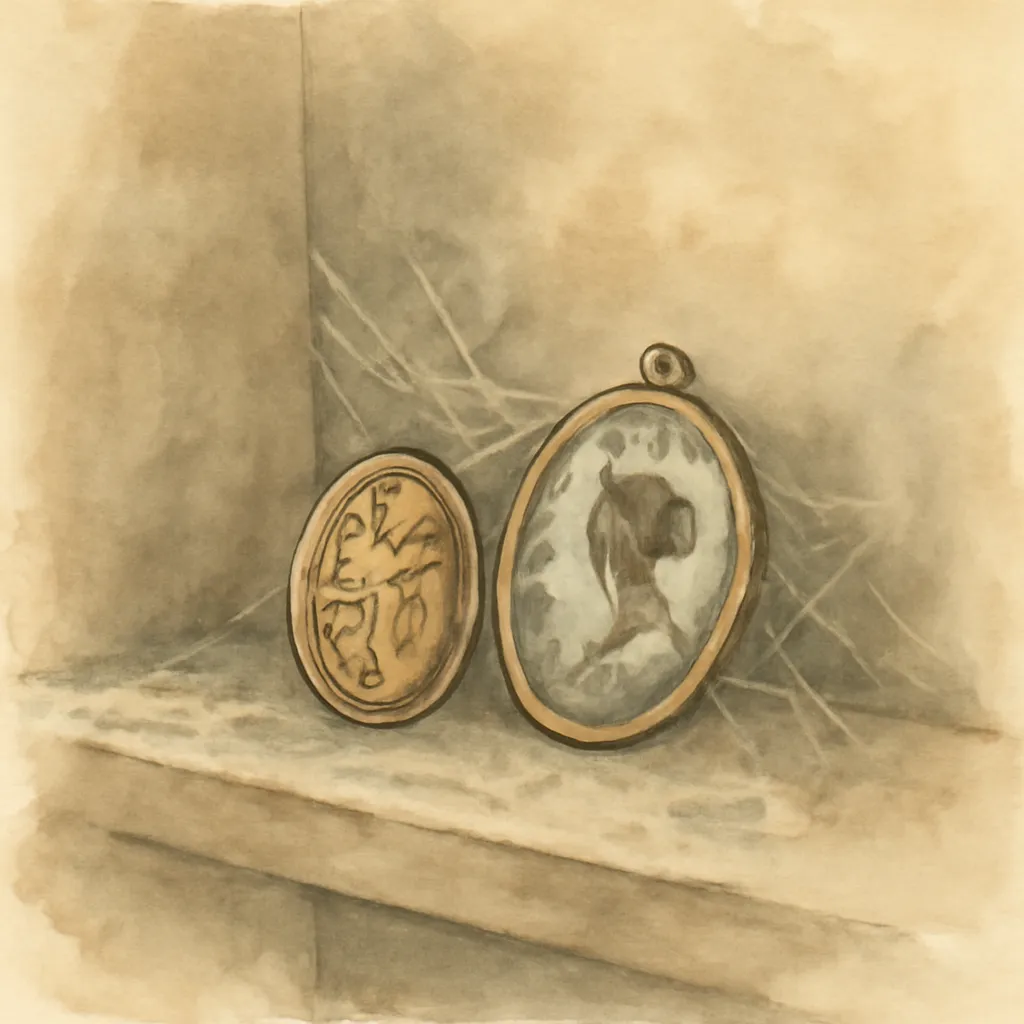
Through the character of Helen Rask, and the shifting ways she is portrayed in each narrative layer, Diaz examines how women’s contributions are often minimized or distorted by the historical record. The novel interrogates the silencing of female voices and the erasure of agency, raising questions about whose stories are told and whose are lost.
4.The Power of Perception and Reputation
Trust deftly illustrates how reputation is manufactured and maintained, especially among the elite. The Rasks’ public personas are carefully curated, masking the complexities and darker truths of their lives. Diaz shows how perception can be as valuable—and as manipulable—as money itself, and how the machinery of media and literature can be harnessed to serve those in power.
5.The Interplay of Fiction and Reality
By embedding a fictional novel (Bonds) within his own, Diaz blurs the boundaries between fiction and reality, inviting readers to question the authority of any single account. The book becomes a meditation on the act of storytelling itself, suggesting that all histories are, to some extent, constructed fictions shaped by the teller’s motives and limitations.
6.Isolation and the Price of Genius
Both Benjamin and Helen Rask are depicted as isolated figures, set apart by their intellect, ambition, and wealth. Trust probes the loneliness that can accompany extraordinary achievement, suggesting that the pursuit of greatness often comes at the expense of connection and understanding.